other
  • Sustainable Beauty: The Rise of Refillable Glass Perfume Bottles
    Sustainable Beauty: The Rise of Refillable Glass Perfume Bottles Jun 24, 2026
    You might see more brands mention sustainable beauty now. People want products that care for the environment and lower waste. If you choose a Glass Perfume Bottle, you help use less plastic. This choice also supports a circular economy. Your next fragrance could help the planet, too.   Key Takeaways Picking refillable glass perfume bottles cuts down on plastic trash and helps the Earth stay healthy. Refillable beauty products cost less in the long run and help make less waste, which supports a circular economy. More brands are using sustainable practices now, so it is easier for people to choose eco-friendly options.   The Shift Toward Sustainable Beauty Eco-Conscious Consumer Trends You may hear more people talk about eco-friendly beauty. Many shoppers want products that help the planet. Here are some trends you might notice: 30% of people worldwide ask for refillable or recyclable choices. Refillable products bring in more buyers, especially if they cost less. Emma Lewisham’s founder said 250,000 refills made up 35% of their sales. 59% of luxury buyers like refillable or modular packaging. 83% of Gen Z shoppers care about sustainability when picking a fragrance. Younger people lead these changes. Millennials and Gen Z want brands to be honest and green. Look at this table to see what matters to them: Demographic Group Characteristics Purchasing Motivation Millennials Value honesty and openness Sustainability and eco-friendliness Gen Z Put sustainability first Environmentally conscious choices If you pick a Glass Perfume Bottle or a Luxury Perfume Bottle, you join a group that cares about sustainable beauty packaging.   Industry Response to Sustainability Brands listen to what you want. They now focus on sustainable beauty packaging and refillable systems. Many companies use recycled glass, bio-based materials, and vegetable-based inks. Here are some top examples: Byredo uses reusable bottles and recycled materials. Hermès prints with vegetable-based inks to help recycling. Chanel’s "Les Eaux de Chanel" uses simple designs and recycled glass. L'Occitane makes bottles from 100% recycled glass. Jo Malone London includes 50% recycled glass in some perfumes. You see more refillable options in stores. Brands like Sillages Paris and Floral Street use recycled glass and eco-friendly cartons. Christian Dior works on sustainable flower farming. These changes show the industry is thinking more about packaging and the environment.   Environmental Impact of Perfume Packaging Single-Use Packaging Waste Many people do not think about perfume bottles after use. Most regular perfume bottles are made for one-time use. This causes a big problem for the Earth. Here is what happens: The fragrance industry makes millions of tons of plastic waste each year. Most of this plastic cannot be recycled. It goes to landfills or ends up in the ocean. Single-use plastics are a big part of world pollution. In the U.S., people throw away over 30 million tons every year. Perfume packaging often uses materials that are hard to recycle. This makes it harder to manage waste. Almost all plastics come from fossil fuels. This makes climate change and other problems worse. If you pick a Glass Perfume Bottle or a Luxury Perfume Bottle, you help the planet. You help move away from single-use plastics.   Challenges in Recycling Recycling perfume bottles is not simple. Many bottles use different materials together. You might see metal collars, plastic pumps, and shiny foils. These parts make recycling harder. Here are some common problems: Some parts cannot be recycled, so the whole bottle is hard to recycle. Too much packaging means more plastic waste. Glass can break easily, which makes recycling tough. Badly made bottles can leak, which stops recycling. Mixed materials, like metal and plastic, block recycling machines. Most cities can recycle plain glass bottles. But bottles with mixed materials often go in the trash. If you choose a simple Glass Perfume Bottle, you make recycling easier and help the Earth.   Benefits of Glass Perfume Bottles Purity and Inert Nature of Glass When you use a glass perfume bottle, your fragrance stays safe and pure. Glass does not mix with the perfume ingredients. This keeps your scent just how the maker wanted. You do not have to worry about weird smells or colors. Glass blocks air and water from getting in. Your perfume stays fresh for a long time. Cosmetic glass bottles come in many shapes and colors. Some bottles are clear, and some are dark to block light. This helps stop the perfume from breaking down. Glass closes tightly, so your perfume does not leak or lose its smell. Plastic lets things in, but glass does not. Your perfume is safe from heat, air, and light. Here are some reasons why glass perfume bottles are great for storing fragrances: Glass does not mix with perfume ingredients. It seals well and keeps out air. Glass keeps the scent and color the same. It protects the perfume from air and water. If you want your perfume to last and smell good, glass bottles are the best. You get both safety and protection. Many luxury perfume bottles use glass for these reasons. You can trust your perfume will smell right every time you use it.   Recyclability and Reusability Picking a glass perfume bottle helps the planet. Glass is easy to recycle. You can use cosmetic glass bottles again and again. When you recycle glass, it stays strong and nice. This helps the Earth and makes less trash. You might wonder how reusing glass perfume bottles helps. Making new plastic bottles causes pollution and uses a lot of energy. Glass bottles can be recycled and used again. This means less trash goes to landfills. You help save resources and cut down on pollution. Tip: When you finish your perfume, refill the glass bottle or recycle it. You help the environment in a big way. Cosmetic glass bottles also look and feel fancy. They make you feel special when you use them. Many brands now let you refill your bottle, so you do not have to buy a new one. This makes it easy to help the planet and look stylish. Here is a quick comparison: Feature Glass Perfume Bottle Plastic Perfume Bottle Recyclability High Low Reusability Yes Rare Environmental Impact Low High Luxury Appeal Strong Weak When you pick cosmetic glass bottles, you make less waste and help the planet. You also get a product that feels special every time you use it.   Refillable Beauty and Circular Economy How Refillable Systems Work You may wonder how refillable beauty works. When you use refillable products, you get more than a nice bottle. You join a group that cares about the planet and less waste. Here is how these systems usually work: First, you buy a refillable glass perfume bottle or a luxury perfume bottle. These bottles look nice and last a long time. When your fragrance runs out, you do not throw the bottle away. You can go to a store or use a refill station to fill it up again. Some brands have refill programs. You bring your empty bottle back and get it filled again. This helps you keep your favorite scent without buying a new bottle each time. Many refillable beauty products have special pumps or caps. These make refilling easy and not messy. You can also buy bigger refillable containers for home use. These let you fill smaller bottles for travel or daily use. Refillable beauty fits into your life in many ways. You can use small bottles for travel or quick touch-ups. Some brands give you rewards for joining their refill programs. You might get discounts or points. This makes refillable products fun and worth it. Refillable glass packaging is now seen as cool. People think it shows you care about the Earth. Brands use refillable fragrance bottles to show they support green packaging. You help make less waste and support a circular economy every time you refill. Tip: When you shop for perfume, look for refillable beauty products. You will save money and help the planet at the same time.   Reducing Plastic and Packaging Waste Refillable beauty products do more than look nice. They help fix big problems with plastic and packaging waste. The beauty industry makes billions of pounds of waste each year. Most of this waste comes from single-use bottles and plastic packaging. When you pick refillable products, you really help. Let’s see how refillable beauty helps with waste: One reusable bottle can take the place of up to 50 single-use bottles. That means a lot less waste. Using refillable products can lower global warming effects by up to 40%. This means less pollution and a healthier world. Refillable systems cut down on supply chain emissions. Brands use less energy and fewer materials to make new bottles. Refillable beauty packaging keeps plastic out of landfills and oceans. You help stop pollution before it starts. Refillable beauty also helps brands. Companies with refill programs get more loyal customers. People come back to refill their bottles and try new scents. This brings in more money and keeps customers happy. Here’s a quick table to show the benefits: Benefit for You Benefit for Brands Less waste at home More loyal customers Save money over time Lower costs for packaging Easy to refill and reuse Better brand reputation Support sustainable packaging New revenue streams Refillable beauty products are not just a trend. They are the future of green packaging. As more people want refillable products, brands must keep up. If they do not, they could lose customers who care about the planet. You can help make a change. Every time you pick a refillable perfume bottle or join a refill program, you help build a circular economy. You show you care about waste and want a cleaner world. Note: Refillable beauty is growing fast. More brands now offer refillable glass packaging and refillable containers. You can find these options in stores and online. Refillable beauty products make it easy to enjoy your favorite scents and support green packaging. You help cut waste, save money, and look good—all at once.   Innovations in Sustainable Perfume Packaging Design Trends in Refillable Bottles There are new ideas in sustainable perfume packaging. Brands now make refillable bottles that look nice and work well. Many companies use threaded necks. This lets you refill your Glass Perfume Bottle without trouble. Some bottles have spray nozzles, rollerballs, or droppers. These features make your Luxury Perfume Bottle easy to use and refill. Designers think about how the bottle feels in your hand. The shape and weight help you hold it easily. Some bottles look like art or sculptures. Simple styles with clean lines show off the glass and perfume color. Mini refillable bottles are also popular. You can take them anywhere and enjoy their cool designs. Tip: Pick refillable bottles that fit your style and make using perfume more fun.   Use of Recycled Materials Top brands use recycled glass and eco-friendly materials for perfume packaging. You help the Earth when you choose these options. Here is a quick look at what top brands do: Brand Sustainable Practices Chanel Uses recycled glass and eco-friendly materials L'Occitane Utilizes refillable containers and biodegradable materials Jo Malone London Adopts sustainable packaging solutions Diptyque Implements eco-friendly materials in packaging Maison Francis Kurkdjian Focuses on sustainable practices in packaging Byredo Incorporates recycled glass in their products Christian Dior tries out bio-based materials. LVMH Group wants all packaging to be sustainable by 2026. Companies like lissonglassbottle are also leading the way. They make new refillable and luxury glass perfume bottles that help a circular economy. Using recycled glass lowers pollution and saves energy. You help save resources and make less waste. Recyclable glass perfume bottles feel fancy and help the planet. You support sustainable perfume packaging every time you pick a Glass Perfume Bottle or Luxury Perfume Bottle.   Overcoming Challenges in Adoption Consumer Education and Convenience Some people do not use refillable packaging yet. Many do not know why sustainability matters in beauty. Some think Glass Perfume Bottles are hard to use. Others think Luxury Perfume Bottles take too much time. Brands want to make things easier for you. They use clear labels and simple instructions. You can watch videos online to learn how to refill bottles. Travel has changed what people want from perfume. Mini refillable perfume bottles are now popular. You can take them anywhere you go. These small bottles fit in your bag. They meet airline rules, so you can travel with them. You do not have to leave your favorite scent at home. This makes sustainability easy and part of your daily life. You help the planet when you learn about your perfume’s lifecycle. When you pick refillable packaging, you support sustainability from start to finish.   Market Expansion and Future Outlook More brands now join the move toward sustainability. Companies offer more choices in refillable packaging. They want you to enjoy your favorite scents and care for the environment. As more people learn about product lifecycles, demand for sustainable options grows. You will see even more new ideas soon. Brands will use new materials and better designs. They will focus on the lifecycle of every Glass Perfume Bottle and Luxury Perfume Bottle. This helps you make choices that support sustainability at every step. Tip: Ask brands about their sustainability efforts. Your questions can help them improve and offer better refillable packaging. You play a big part in shaping beauty’s future. When you pick products that support sustainability, you help the industry grow in the right direction. You can see how sustainable beauty is changing perfume. Refillable glass perfume bottles make less trash. They also look nice and help the Earth. When you pick a Glass Perfume Bottle or Luxury Perfume Bottle, you make a green choice. Sustainable packaging keeps getting better. Here are some new trends: Key Trends in Sustainable Fragrance Packaging Description Use of Recyclable Materials Brands use glass that can be recycled to cut pollution. Adoption of Refillable Systems You can refill bottles to help the circular economy. Biodegradable Packaging More brands use paper packaging that breaks down. Eco-Friendly Inks and Coatings Special inks and coatings are better for the planet. Minimalistic Designs Simple designs use less material and still look fancy. Sustainable Sourcing Brands try to get materials in a green way. Compliance with Regulations New rules help make perfume packaging greener. You can help make beauty more green. Pick sustainable perfume bottles to help the planet. These trends will make the perfume world better for the Earth.   FAQ What makes refillable glass perfume bottles a good choice for eco-conscious shoppers? When you pick refillable glass perfume bottles, you help the planet. You make less waste and support brands that care about nature. Why do luxury consumers prefer luxury fragrance bottles? Luxury fragrance bottles give you a special feeling. They look nice and feel fancy. Many luxury buyers want style and care about the environment. Can I refill my perfume bottle at home? You can refill many perfume bottles at home. Some brands sell refills that are easy to use. You save money and make less waste by doing this.
  • LISSON Packaging Highlights Custom Glass Competencies Following Success at MakeUp in Paris 2026
    LISSON Packaging Highlights Custom Glass Competencies Following Success at MakeUp in Paris 2026 Jun 22, 2026
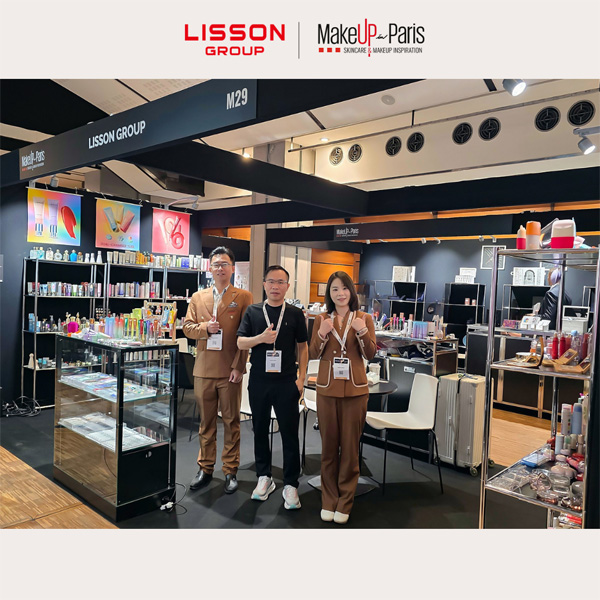
    Guangzhou Lisson Plastic Co., Ltd has officially completed its exhibition showcase at MakeUp in Paris 2026. Operating from Booth M29, the factory’s export and technical teams engaged with international brand owners, packaging engineers, and procurement specialists, closing the event with a strong volume of new custom tooling inquiries.The exhibition served as a critical benchmarking event for LISSON, confirming a strong European market demand for heavy-wall luxury glass and verified sustainable material integration.       Market Feedback: High Demand for Core Glass Packaging Series   Throughout the event, LISSON Packaging’s booth attracted high-intent B2B buyers evaluating component stability and premium tactile feedback. The factory’s four primary glass manufacturing categories received major traction:1. Perfume Bottle SeriesField Evaluation: European fragrance developers closely inspected the high-transparency crystal glass formulations and extra-thick bases designed for luxury shelf presence.Technical Interest: Inquiries focused heavily on the factory's crimp-neck dimensional tolerances, ensuring seamless assembly with standard high-end fine-mist spray pumps without leakage risks. 2. Skin Care Glass Bottle SeriesField Evaluation: Brands focused on clean-beauty formulas evaluated LISSON’s chemically inert glass materials, which guarantee zero product contamination or reaction with active ingredients.Technical Interest: Buyers reviewed custom surface finish samples, including specialized frosted coatings, precision silk-screen printing, and amber glass variations for UV-sensitive formulations.3. Glass Dropper Bottle SeriesField Evaluation: This segment saw high demand from premium serum and face oil brands looking for precise, non-drip dosing capabilities. Technical Interest: Buyers verified the chemical resistance of the rubber bulbs, custom pipette graduation options, and child-resistant/tamper-evident closure mechanisms.4. Cosmetic Glass Bottle Set CollectionsField Evaluation: Purchasing managers prioritized these unified suites to streamline their multi-product skincare line launches (matching toners, creams, and lotions).Technical Interest: Discussions centered around LISSON's capability to match thread specifications perfectly across different components, reducing cross-vendor assembly errors.   Structural Synergy: Integrating Glass Collections with Eco-Tubes   A key highlight at Booth M29 was LISSON’s ability to act as a single-source manufacturer. By showcasing their advanced Cosmetic Tube Packaging—featuring post-consumer recycled (PCR) resins, mono-material structures, and bio-based sugarcane plastics—alongside the heavy glass portfolio, the factory demonstrated how brands can execute a cohesive packaging strategy (heavy glass for premiums, lightweight tubes for travel or refills) under one unified logistics and quality control pipeline.   Post-Exhibition Sampling and Inquiry Processing   Following the conclusion of MakeUp in Paris 2026, the production and engineering teams at Guangzhou Lisson Plastic Co., Ltd are currently prioritizing the dispatch of physical glass samples and processing custom mold tooling requests initiated at the booth.For international buyers who were unable to visit Booth M29 or those requiring immediate pricing sheets, technical drawings, and stock mold specifications for glass components, the export division is fully operational online. Please submit your technical requirements and volume parameters directly through our primary glass distribution platform: www.lissonglassbottle.com.  
  • Compatibility Testing in Skincare Formulas with Glass Packaging
    Compatibility Testing in Skincare Formulas with Glass Packaging Jun 17, 2026
    You need compatibility testing to protect your skincare formula from unexpected changes or contamination. Without proper testing, you risk instability and possible degradation that can impact both safety and consumer trust. Premium packaging, like Lisson’s Cosmetic Glass Packaging, offers strong protection because glass is chemically inert and does not leach harmful substances. This helps preserve the quality of your product and supports sustainability. By making compatibility a priority, you ensure your formula remains effective and safe for every customer.   Key Takeaways Compatibility testing is essential to ensure your skincare formula remains safe and effective in glass packaging. Choose high-quality glass packaging to protect sensitive ingredients and maintain product integrity. Regular testing and documentation help catch potential issues early, ensuring consistent quality and safety. Stay compliant with industry regulations to build consumer trust and protect your brand reputation. Utilize advanced packaging solutions, like UV protection glass, to enhance product longevity and effectiveness.   Compatibility Testing Overview Definition and Purpose Compatibility testing helps you determine how your skincare formula interacts with glass packaging materials. You need this process to ensure that the packaging does not affect the quality, safety, or effectiveness of your product. You evaluate chemical, physical, and biological compatibility to prevent unwanted reactions. This testing protects your formula from changes that could occur during storage, transportation, or use. You maintain the intended characteristics of your skincare product by confirming that the packaging materials remain inert and stable. Note: Compatibility testing is not just a technical requirement. You use it to safeguard your brand reputation and consumer trust. Lisson Group specializes in cosmetic glass bottles, including UV protection glass bottles for skincare. Their packaging design incorporates thick walls for insulation, deep grooves for sediment control, and special necks for airtight seals. These features support compatibility by preventing contamination and preserving product integrity. You benefit from their clean workshop and advanced equipment, which produce glass bottles that meet strict quality standards. Lisson Group’s integrated manufacturing process ensures uniformity and supports packaging compatibility testing.   Importance for Skincare Formulas You must prioritize compatibility testing when developing skincare formulas. Skincare packaging needs to protect sensitive ingredients from external factors. Glass packaging offers a chemically inert surface, which reduces the risk of harmful interactions. You simulate real-world conditions during testing to identify any reactions between the formula and the packaging. This process verifies that your product remains stable and effective throughout its lifecycle. Stability tests assess chemical, physical, and biological interactions. You use these tests to confirm that the formula maintains its physical and chemical integrity. Packaging compatibility testing ensures that your skincare product is safe for consumer use. Lisson Group’s expertise in manufacturing high-quality glass packaging, including UV protection glass bottles for skincare, enhances the reliability of compatibility testing. Their quality control measures, such as automated checks and thermal shock testing, guarantee that the packaging meets strict requirements. You protect your formula from degradation. You maintain product safety and hygiene. You ensure consistent quality for every batch. You rely on compatibility testing to deliver skincare products that meet consumer expectations. Lisson Group’s advanced packaging design and manufacturing standards help you achieve this goal.   Risks in Skincare Packaging   Formula Degradation You need to protect your formula from unwanted changes that can occur when it interacts with packaging materials. If you skip compatibility testing, your skincare product may lose its effectiveness or even become unsafe. Sensitive ingredients, such as vitamin C or retinol, can break down when exposed to light, air, or certain packaging surfaces. For example, if you use the wrong container, your formula might discolor, separate, or develop an off-odor. This is why you should always choose packaging design that matches your product’s needs. Lisson Group offers UV protection glass bottles for skincare, which help shield your formula from harmful light and air exposure. These materials keep your product stable and extend its shelf life. Tip: Always match your packaging to your formula’s sensitivity. This step helps you avoid costly recalls and protects your brand’s reputation.   Glass Corrosion and Alkaline Leaching You may think glass is always safe, but not all glass types behave the same way. When you store skincare products in glass containers, certain conditions can cause the glass to corrode or leach alkaline substances into your formula. Acidic formulas, such as those with fruit acids or vitamin C, can interact with the glass surface over time. This process may release unwanted elements into your product, affecting both safety and performance. Here is a summary of scientific findings on glass corrosion and alkaline leaching in cosmetic packaging: Glass Type Alteration Medium Duration Key Findings Lead Crystal Acetic Acid (4%) 3 years Repolymerization of the silicate network observed during alteration. Soda-Lime Acetic Acid (4%) 3 years Alteration rates and depletion of alkalis and earth-alkalis elements impacted by glass composition. Borosilicate Acetic Acid (4%) 3 years Similar hydrolysis rates measured from Si release across different glass structures. Barium Glass Acetic Acid (4%) 3 years Glass composition significantly affects alteration rates in acidic conditions. You should select high-quality materials, such as those used in Lisson Group’s essential oil glass dropper bottles, to reduce these risks. Their advanced manufacturing process ensures that the glass remains stable, even with challenging formulas.   Product Instability Product instability can appear in many ways if you do not perform proper compatibility testing with your intended packaging. You might see changes in color, texture, or even the appearance of particles in your skincare product. In one documented case, a team found that their brightening serum, which contained 15% vitamin C at a low pH, developed unexpected metal content during stability testing. The acidic formula overwhelmed the protective layer of the packaging, leading to contamination. This example shows how skipping compatibility steps can result in expensive reformulation and repackaging. You can face several consequences if you neglect compatibility: Chemical resistance problems Migration issues Leaching problems Packaging materials softening or breaking down, such as essential oils affecting plastic bottles You need to use stability testing with your actual packaging to catch these problems early. Lisson Group’s cosmetic glass bottles and UV protection glass bottles for skincare offer reliable protection, helping you maintain product quality. Their packaging design and choice of materials support long-term stability, so your customers receive safe and effective products every time.   Testing Methods for Packaging   Physical Assessments You start compatibility testing with physical assessments. These tests help you observe how your formula interacts with packaging over time. You check for changes in color, texture, or separation. You also look for leaks, cracks, or any deformation in the packaging materials. For example, you might use cosmetic glass bottles or an essential oil glass dropper to see if the packaging design supports long-term stability. You may notice that body scrubs, creams, or lotions show signs of degradation if the packaging does not match the formula. Physical changes, such as clumping or separation, can make your product less attractive to customers. You use these observations to adjust your packaging development process and select purpose-built packaging that fits your product. Physical assessments give you early warnings about packaging issues. You can then use this information to improve your packaging technology and ensure your products remain appealing and safe.   Chemical and Microbiological Assessments You need chemical and microbiological analysis to confirm that your packaging materials do not react with your skincare formula. Chemical testing checks for leaching, migration, or unwanted reactions. Microbiological testing ensures that the packaging keeps your product free from contamination. You use material analysis to detect any changes in the formula caused by the packaging. Specialized tests for glass packaging, such as alkaline leaching, are important for sustainable materials. You can see the main tests in the table below: Test Name Purpose Methodology Powdered Glass Test To estimate the amount of alkali leaching from glass under extreme conditions. Glass is crushed, washed, heated in water at 121°C, and titrated with sulfuric acid to measure alkali leached. Water Attack Test To determine alkali resistance of glass containers for pharmaceutical use. Glass containers are immersed in water at 121°C for 30 minutes, and the leached alkali is quantified through titration. You use these tests during performance testing to ensure your packaging supports product safety and quality. You also confirm that your packaging development process uses the best materials for your skincare products. Tip: Always include chemical and microbiological assessments in your compatibility testing plan to avoid costly recalls and protect your brand.   Compatibility Result Evaluation   Criteria for Success You need clear criteria to determine if your compatibility process has succeeded. Successful compatibility means your packaging materials do not react with your skincare formula in a way that could harm safety, integrity, or efficacy. You should check for stability in pH, color, and the active ingredients over time. If your cosmetic glass bottles or UV protection glass bottles for skincare keep the formula unchanged, you can trust the packaging. You also want to see that preservatives and other ingredients remain stable and do not interact with the packaging. This helps you predict shelf life and avoid costly changes later. Here are the main points you should monitor during compatibility testing: No significant pH shifts or color changes Active ingredients remain stable and effective Packaging materials do not leach substances into the formula The integrity of the product and packaging stays intact No loss of product performance or appearance You should use these criteria to guide your selection of sustainable materials and luxury skincare packaging. Lisson Group designs packaging to meet these high standards, helping you protect the integrity of your products.   Indicators of Incompatibility You must watch for signs that your packaging and formula do not work well together. If you see visual changes, such as separation, discoloration, or particles, this signals a problem. You may also notice changes in texture or a drop in product performance. Sometimes, the packaging itself may show cracks or leaks, which means the integrity of the packaging is at risk. Common indicators include: Visual inconsistencies or unexpected changes in the product Shifts in layout or separation of ingredients Performance drops, such as reduced absorption or altered texture High error rates in product quality during different storage conditions If you detect any of these issues, you should act quickly. Stop distribution, investigate the root cause, and work with your supplier to fix the problem. You may need to retest with a new batch or update your quality control process. Using high-quality packaging, such as an essential oil glass dropper from Lisson Group, helps you avoid these risks and maintain the integrity of your luxury skincare products. Tip: Always document your findings and corrective actions. This protects your brand and ensures your products meet the highest standards.   Brand Best Practices     Selecting Quality Glass Packaging You should choose glass packaging that protects your skincare formula and supports your brand image. Glass is non-porous and impermeable, so it maintains product quality and purity. It is also fully recyclable, which appeals to eco-conscious consumers. Glass packaging adds a sense of luxury and sophistication to your products. You need to consider several factors when selecting high-quality glass packaging: Product compatibility: Glass works well with sensitive ingredients that may react with plastic. Sustainability: Glass is 100% recyclable and reusable. Durability: Glass must withstand handling and environmental changes. Brand aesthetic: Glass enhances the look and feel of your products. Safety: Glass resists chemical leaching, keeping your formula pure. Dimensional accuracy: Precise design ensures both function and visual appeal. You can rely on reputable suppliers like Lisson Group for cosmetic glass bottles, UV protection glass bottles for skincare, and essential oil glass droppers. Their advanced manufacturing and strict quality control help you avoid visual imperfections and maintain product integrity.   Routine Testing and Documentation You need to implement routine compatibility testing for every new formula and packaging combination. Regular testing helps you catch issues early and ensures your products remain safe and effective. You should document all test results, including patch tests, repeat open application tests, and in vitro skin models. These methods provide reproducible data on how your formula interacts with packaging materials and ingredients. Good documentation supports formulation refinement and helps you identify risks before products reach the market. Tip: Keep detailed records of every compatibility test. This practice helps you track changes, improve quality, and minimize reformulation costs.   Regulatory Compliance You must follow all relevant regulations for skincare packaging and product safety. Regulatory compliance ensures your products meet industry standards and protects your brand from legal risks. You should stay updated on guidelines for packaging materials, labeling, and product claims. Lisson Group’s turnkey services and commitment to eco-friendly materials make it easier for you to achieve compliance. Their in-house R&D and flexible solutions support your efforts to meet both safety and sustainability goals. Note: Prioritizing regulatory compliance builds trust with consumers and strengthens your brand reputation.   You protect your skincare formulas and build consumer trust when you prioritize compatibility testing with glass packaging. By choosing solutions like cosmetic glass bottles, UV protection glass bottles for skincare, and essential oil glass dropper options from Lisson Group, you support product safety and enhance user experience. The table below shows the long-term benefits for your brand: Benefit Description Product Integrity Your product stays stable and effective over time. Consumer Safety You ensure safe use for your customers. Brand Reputation You show your commitment to quality and safety. Regulatory Compliance You meet industry standards and reduce legal risks. Keep evaluating your formulas and packaging as trends and needs change. This approach helps you maintain high standards and meet customer expectations.   FAQ What is compatibility testing in skincare packaging? Compatibility testing checks if your skincare formula stays safe and stable in its packaging. You use this process to make sure cosmetic glass bottles or UV protection glass bottles for skincare do not change your product.   Why should you choose glass packaging for skincare? You choose glass packaging because it is non-reactive and protects your formula. Cosmetic glass bottles and essential oil glass droppers from Lisson Group help keep your skincare products pure and effective.   How does UV protection glass benefit your skincare formula? UV protection glass bottles for skincare block harmful light. You use these bottles to prevent sensitive ingredients from breaking down, which keeps your product fresh and active.   What makes Lisson Group’s glass packaging different? Lisson Group offers high-quality cosmetic glass bottles and essential oil glass droppers. You get advanced design, strict quality control, and sustainable materials that support both safety and brand image.   When should you perform compatibility testing? You should test every time you create a new formula or change packaging. This step helps you catch problems early and ensures your skincare stays safe for your customers.  
  • Custom Cosmetic Glass Bottles: A Complete Guide to Mold Design and Tooling Costs
    Custom Cosmetic Glass Bottles: A Complete Guide to Mold Design and Tooling Costs Jun 16, 2026
    When you explore custom cosmetic glass bottles for your brand, you face mold design and tooling costs that can range widely. The average cost for sample or test molds starts at $1,500 and can reach $3,500, while multi-cavity molds for larger runs often range from $10,000 to $25,000 or more. Mold Type Cost Range Sample/Test Molds $1,500 - $3,500 Multi-Cavity Molds $10,000 - $25,000+ Understanding these costs proves vital for cosmetics decision-makers. High-quality tooling reduces waste and downtime, protecting your margins across the product lifecycle. The right choices in bottles and cosmetic packaging also help you scale production and maintain brand reputation. Investing in the right mold design supports your profitability and strengthens your packaging strategy for both today and the future.   Key Takeaways Understand mold costs. Sample molds start at $1,500, while multi-cavity molds can exceed $25,000. Budget accordingly to avoid surprises. Collaborate early with your supplier. This ensures your packaging meets both creative and technical goals, leading to better outcomes. Choose the right materials. The type of glass affects both cost and product quality. Select materials that align with your brand's needs. Plan for production volume. Larger orders reduce per-unit costs, making it more economical to scale your cosmetic line. Consider decoration techniques carefully. Some methods are more cost-effective at lower volumes, impacting your overall budget.   Custom Cosmetic Glass Bottles Mold Design Design Steps When you start the journey of creating custom cosmetic glass bottles, you follow a series of precise steps. As a brand, you want your packaging to stand out on the shelf and reflect your unique identity. Lisson, a leading custom glass bottle manufacturer, guides you through each stage with advanced technology and industry expertise. 3D Concept TranslationYou begin by turning your sketches or ideas into digital models using CAD software. This step lets you visualize the final product and test its ergonomics and durability. Design for Manufacturing AnalysisEngineers at Lisson evaluate wall thickness, stress points, and molding feasibility. They suggest optimizations to ensure your bottles look beautiful and perform well during production. Prototyping PathwaysYou can choose from several prototyping options. Lisson offers 3D printed resin models with a 72-hour turnaround and high accuracy. For more robust samples, CNC-machined aluminum prototypes arrive in about two weeks. If you want to see your design in real glass, limited sample runs use temporary tooling. Mold Material SelectionYou select materials for your molds, such as cast iron for durability or alloy steels for intricate details. This decision impacts both the cost and the quality of your custom glass packaging. Venting & Cooling ArchitectureLisson’s engineers design hidden features in the molds that control cooling and venting. These features help reduce defects and speed up production. Future-ProofingYou plan for future changes by designing molds that allow for adjustments without full retooling. This approach saves you time and money if you want to update your bottles later. Tip: Early collaboration with your supplier ensures your cosmetic packaging meets both creative and technical goals.   Stakeholders You work with several key stakeholders during the mold design process for custom cosmetic glass bottles. Each group plays a vital role in turning your vision into reality. Brand Decision-MakersYou set the creative direction and approve final designs. Your choices shape the look and feel of your bottles. Lisson’s R&D and Engineering TeamsThese experts translate your ideas into manufacturable products. They use advanced tools and years of experience to solve technical challenges. Quality Control SpecialistsLisson’s quality team monitors every step, using 24-hour systems to ensure each bottle meets premium standards. Sustainability AdvisorsIf you want eco-friendly options, Lisson’s advisors help you choose recyclable glass and PCR materials for your custom glass bottles. Production ManagersThese professionals oversee the mold-making and glass bottle production, ensuring timelines and costs stay on track. Note: Open communication with all stakeholders leads to better packaging decisions and a smoother project.   Timeline You need to plan your launch carefully, so understanding the timeline for custom cosmetic glass bottles is essential. Lisson’s rapid customization process helps you move from concept to finished product faster than many competitors. Mold Type Investment Range Ideal Production Volume Lead Time Key Advantage Modular/Unit Molds $8,000 – $15,000 50,000 – 200,000 units 4-6 weeks Cost-effective for medium batches Dedicated Production Molds $25,000 – $50,000 200,000 – 1M+ units 8-12 weeks Superior surface finish, faster cycle times Multi-Cavity Systems $40,000 – $80,000 500,000+ units 10-14 weeks Reduced per-unit cost at scale You can expect 3D printed prototypes in as little as 72 hours, with CNC-machined samples ready in two weeks. For brands with urgent needs, Lisson’s ODM library of over 30,000 proven molds allows for sample delivery in just 5–10 days. Full mold development for custom cosmetic glass bottles usually takes 60–90 days, depending on complexity and production volume. Planning ahead with your supplier helps you manage costs and meet your launch deadlines for fragrance or cosmetic products. By following these steps and working closely with Lisson, you ensure your custom glass packaging project runs smoothly, stays within budget, and delivers premium results.   Tooling Cost Factors for Glass Packaging When you plan a new line of custom cosmetic glass bottles, you need to understand the main factors that influence tooling cost. Each decision you make—about design, materials, and production—affects your budget and your brand’s ability to scale. Let’s break down the key elements that shape the cost of molds and glass packaging.   Initial Mold Cost You will see the biggest upfront expense in the initial mold cost. This investment covers the design and creation of the molds that shape your bottles. Most suppliers, including Lisson, set the average initial mold cost for custom cosmetic glass bottles between $1,000 and $10,000 or more. The price depends on the complexity of your design and the number of cavities in the mold. Simple sample or test molds start at $1,500. Multi-cavity molds for larger runs can reach $25,000 or higher. Lisson’s average mold cost begins at $7,000 for standard projects. You can save up to 30-40% on tooling cost by using existing mold bases or adapting proven designs from a supplier’s library. This strategy helps you launch new cosmetic packaging quickly and reduces your financial risk. Tip: Ask your supplier if you can reuse mold bases or select from their existing catalog to cut costs without sacrificing quality.   Complexity and Customization The level of customization you choose for your glass bottles directly impacts the cost of your molds. Unique shapes, intricate logos, and special features like dual-roller applicators or vibration tips require advanced engineering and longer development times. Simple cylindrical bottles cost less to tool than sculpted or asymmetrical designs. Adding embossing, debossing, or custom textures increases mold complexity and price. Customization for fragrance or skincare lines often involves multiple mold parts and higher precision. If you want a premium look for your cosmetic packaging, you may need to invest in custom molds that support advanced decoration or unique dispensing systems. These choices help your brand stand out but require a higher initial investment.   Materials The material you select for your glass packaging influences both the mold design and the overall cost. Different types of glass and finishes require specific molds and processing steps. Amber glass protects light-sensitive formulas but needs specialized molds, raising tooling costs. Clear glass highlights product color and may require more precise molds for clarity. Frosted glass gives a premium skincare look and involves extra processing, which adds to the cost. Coated glass supports brand-specific colors but can increase rejection rates and lead times. You should match the material to your product’s needs. For example, a luxury serum bottle will use different materials and molds than a basic shampoo bottle. Your choices affect not only the cost but also the performance and appearance of your custom glass packaging.   Production Volume Production volume plays a major role in determining the per-unit cost of your glass bottles. Fixed costs like mold setup, machine calibration, and material sourcing stay the same, no matter how many units you produce. When you order larger quantities, you spread these costs over more bottles, which lowers the price per unit. Brand Type Quantity Unit Cost Total Cost Startup 1,000 pcs $3.00 $3,000 Established 10,000 pcs $1.50 $15,000 Minimum order quantities (MOQ) ensure production remains cost-effective. Small runs have higher per-unit costs because fixed expenses are divided among fewer bottles. Large orders benefit from economies of scale, making custom cosmetic glass bottles more affordable for established brands. If you plan to scale your cosmetics line, consider higher volumes to maximize your investment in molds and reduce your overall cost.   Regional Differences Where you source your molds and glass packaging can also affect your costs and project timeline. Different regions offer varying price ranges, service levels, and communication standards. Cost Factor Range (USD) Mold Development Fees $1,500 - $8,000 Sample Rounds Cost $200 - $400 each Service Premium 10% Production Delay Savings 2 months Miscommunication Rounds 3 You may find lower mold development fees in Asia, while European or North American suppliers often charge a service premium. Working with an experienced custom glass bottle manufacturer like Lisson in Guangzhou can help you balance cost, quality, and speed. Global suppliers with integrated teams reduce miscommunication and keep your project on track. Note: Always factor in regional service premiums, shipping times, and communication efficiency when making packaging decisions for your brand. By understanding these tooling cost factors, you can make informed choices for your custom cosmetic glass bottles. You will optimize your budget, achieve your desired look, and ensure your cosmetic packaging supports your brand’s growth.   Stock vs. Custom Bottles in Cosmetics     Cost Comparison You need to compare the cost of stock and custom cosmetic glass bottles before making a decision. Stock containers usually cost less per unit, making them a good choice for early-stage brands or limited runs. Custom cosmetic glass bottles require a higher investment but offer unique branding opportunities. The table below shows typical cost ranges: Type of Packaging Cost per Unit Stock Containers $0.50 - $1.50 Custom Glass Bottles $1.00 - $3.00 Luxury Packaging $5.00 or more You can see that custom glass packaging costs more upfront, but it can help your product stand out in a crowded market. If you want a premium look for your fragrance or cosmetic packaging, custom options may be worth the investment.   Pros and Cons You should weigh the advantages and disadvantages of each option. Stock bottles offer speed and lower costs, while custom glass bottles provide more control over design and branding. Advantages of glass packaging: You get an elegant aesthetic that conveys a premium image. Glass preserves product integrity because it is non-porous. You support sustainability since glass is fully recyclable. Glass resists chemical interactions, which keeps your product safe. Disadvantages of glass packaging: Glass is fragile and can shatter, so you need careful transport. Shipping costs are higher due to the weight of glass bottles. Glass bottles are more expensive than plastic alternatives. Lisson, as a supplier, offers flexible minimum order quantities and personalized service for custom projects, making it easier for you to access premium packaging even if you are a smaller brand.   When to Choose Custom You should choose custom glass bottles when you want your packaging to become a core part of your brand identity or when you plan to scale production. The table below helps you decide: Condition Recommended Choice Pre-launch or market validation stage Stock bottle Annual volume under 10,000 units Stock bottle Strong visual IP or bottle-as-brand-asset ambition Custom bottle Launch required within 60 days Stock bottle Core SKU validated, entering scale phase Custom bottle Limited upfront capital Stock bottle Primarily shelf-distributed with high competitive density Custom bottle If you want to launch quickly or have a limited budget, stock bottles work best. If you want to build a premium brand or need a unique look for your fragrance line, custom glass packaging is the right choice. Tip: Work closely with your supplier to match your packaging strategy to your business goals.   Additional Costs in Glass Packaging   Decoration You have many options when decorating bottles for cosmetics or fragrance products. The technique you choose shapes both the look and the cost of your packaging. Some methods, like electroplating and embossing, require significant tooling investment, especially at lower order quantities. Others, such as spray coating and silk screen printing, offer a better value for smaller runs. As your volume increases, more complex finishes become practical and can help your brand stand out as premium. Decoration Technique Cost Implications Volume Impact Electroplating and embossing Significant tooling costs at lower MOQs Economically viable at higher volumes Spray coating and silk screen Best value-to-quality ratio for runs under 5,000 units More complex techniques become viable as volume scales Premium techniques Higher costs but may justify expense for luxury products due to consumer perception Directly influences willingness to pay premium prices The decoration you select not only affects your budget but also influences how consumers perceive your product on the shelf.   Shipping Shipping glass bottles presents unique challenges. You pay more to ship glass packaging than plastic because glass is heavier and requires extra protection to prevent breakage. This added weight and need for careful packaging increase your overall shipping cost. Lisson offers global shipping solutions, ensuring your bottles arrive safely, whether you are a small brand or a large-scale operation. Choosing a supplier with experience in international logistics helps you avoid delays and damage. Glass bottles need sturdy packaging to prevent breakage. Heavier shipments lead to higher transportation fees. Global shipping services streamline delivery and reduce risk.   Compliance You must meet strict compliance standards when you use glass packaging for cosmetics. Regulations like Extended Producer Responsibility (EPR) and the Packaging and Packaging Waste Regulation (PPWR) require you to use recyclable materials and document your packaging’s composition. If you choose mono-material glass, you can lower your EPR fees and improve recyclability grades. Lisson supports your compliance efforts by offering bottles made from recyclable glass and PCR materials, which help you meet sustainability targets and reduce future costs. EPR fees depend on how easy your packaging is to recycle. Mono-material glass can save you up to €250 per tonne in compliance costs. You need documentation from your supplier, such as material certifications and declarations of conformity. Sustainable choices in glass packaging not only help the environment but also protect your bottom line as regulations evolve.   Real-World Examples: Custom Cosmetic Glass Bottles     Small Brand Scenario You might run a boutique skincare line and want your bottles to reflect your brand’s story. Lisson has helped many small brands create custom cosmetic glass bottles with a premium look. For example, a startup chose a unique dropper design for their fragrance oil. They worked with Lisson’s engineers to develop custom molds that fit their vision. The minimum order quantity was 10,000 bottles, which balanced cost and flexibility. The team used rapid prototyping to test the design before full production. This approach allowed the brand to launch quickly and stand out on the shelf. You can achieve a signature look even with a modest budget by collaborating closely with your supplier and using proven mold bases.   Large-Scale Production If you manage a large cosmetics company, you face different challenges. Lisson’s experience with high-volume projects shows that large-scale production of glass packaging requires careful planning. You need to consider several factors: Custom molds add tooling costs and require higher minimum orders. The cost per bottle drops as you increase your order size. Shipping and breakage can add hidden expenses, so logistics planning is essential. Factories keep glass furnaces running nonstop. Stopping production for small batches is inefficient. Changing molds leads to downtime, so you need larger runs to justify the switch. This means you must plan for higher volumes to absorb the cost of production changes.   Project Lessons You can learn valuable lessons from these real-world projects: Start with clear goals for your custom glass bottles. Work with an experienced custom glass bottle manufacturer like Lisson to navigate mold design and production. Use rapid prototyping to test ideas before committing to full-scale molds. Plan for logistics and compliance early to avoid surprises. Every project, big or small, benefits from strong supplier partnerships and a focus on quality.   Cost Optimization Tips for Glass Packaging   Design Efficiency You can optimize the cost of custom cosmetic glass bottles by focusing on design efficiency. Start by developing a custom mold that creates a unique product for your fragrance line. Personalized consultations with a custom glass bottle manufacturer help you navigate the packaging process. You may choose wholesale stock shapes and customize decoration, which lowers initial costs. Balancing customization with wholesale strategies allows you to manage expenses. Collaborating with your supplier leads to more cost-effective solutions and ensures your glass packaging meets both creative and technical goals. Develop a custom mold for unique branding. Use stock shapes with custom decoration to reduce costs. Balance customization and wholesale strategies. Work closely with your supplier for efficient solutions. Tip: Efficient design choices help you achieve a premium look without overspending.   Supplier Negotiation Negotiating with your supplier can significantly lower mold and tooling costs. Establish long-term agreements to secure discounts on repeat orders. Committing to larger orders distributes the mold cost over more bottles, which improves pricing. Investing in a multi-cavity mold increases output efficiency and reduces per-piece production cost. For high projected volumes, the initial investment pays off with long-term savings. Understanding what influences mold cost helps you budget and negotiate effectively. Secure discounts with long-term agreements. Commit to larger orders for better pricing. Invest in multi-cavity molds for efficiency. Learn about mold cost factors for informed negotiation. Note: Strong supplier relationships lead to better deals and reliable glass packaging.   Planning Ahead Planning ahead helps you optimize your budget for custom glass bottles. Align your minimum order quantity strategy with demand forecasting and inventory capacity. Bulk ordering can save you money per unit and reduce replenishment costs. Customized stock packaging offers most of the brand differentiation at a fraction of the cost compared to full customization. Consolidate SKUs to cut procurement costs. Simplify decoration strategies to control unit costs. Early packaging planning avoids expensive air freight and supports recyclability goals. Align MOQ with demand and inventory. Use customized stock packaging for cost-effective differentiation. Consolidate SKUs to reduce procurement costs. Simplify decoration to control expenses. Plan early to avoid high shipping costs and support recyclability. Planning ahead ensures your custom glass bottles project stays on budget and meets sustainability targets.   You now understand the main factors that shape the cost of mold design and tooling for glass packaging in cosmetics. Making informed decisions helps you achieve a premium look for your fragrance line while supporting recyclability goals. To optimize your next project, consider these steps: Step Description Consolidate manufacturing Work with a single supplier to reduce risks and lower costs. Utilize in-house tooling Choose partners with in-house mold tooling for faster production and better control. Leverage existing mold libraries Use proven molds to minimize new tooling costs and speed up development. Consulting with a supplier like Lisson or reviewing your packaging budget can help you unlock savings and bring your vision for custom cosmetic glass bottles to life.   FAQ What is the minimum order quantity for custom cosmetic glass bottles? You can start with a minimum order of 10,000 pieces when you work with a custom glass bottle manufacturer like Lisson. This quantity helps you balance flexibility and production efficiency for your brand.   How long does it take to produce custom glass bottles? You usually receive 3D prototypes in 72 hours. Full production of custom cosmetic glass bottles takes about 60 to 90 days, depending on design complexity and order size.   Can I use sustainable materials for my custom cosmetic glass bottles? Yes, you can choose recyclable glass or PCR materials. Many custom glass bottle manufacturers, including Lisson, offer eco-friendly options to help you meet sustainability goals.   What factors influence the cost of custom glass bottles? Design complexity, mold material, order volume, and decoration methods all affect the cost. You can lower expenses by using existing mold bases or choosing simpler designs.   How do I ensure quality for my custom cosmetic glass bottles? You should partner with an experienced custom glass bottle manufacturer. They use strict quality control systems and advanced technology to deliver consistent, premium packaging for your products.  

  • What Makes Cosmetic Glass Bottles the Perfect Choice for Branding
    What Makes Cosmetic Glass Bottles the Perfect Choice for Branding Jun 10, 2026
    You want your cosmetic brand to stand out. Cosmetic glass bottles deliver eco-friendly benefits, reliable protection, and a luxurious feel. Glass packaging attracts attention and signals quality. Many top brands, like Estée Lauder and Chanel, use glass to elevate their image. You can customize packaging to match your brand’s personality. Glass ensures your products look premium and stay safe.   Key Takeaways Cosmetic glass bottles signal luxury and quality, attracting customers who seek premium products. Glass packaging protects formulas from harmful chemicals, ensuring product integrity and stability. Using glass supports sustainability, as it is 100% recyclable and reduces your brand's carbon footprint. Customization options in glass packaging allow brands to express their unique identity and stand out in the market. The unboxing experience with glass bottles creates excitement, enhancing customer satisfaction and loyalty.   Key Advantages of Cosmetic Glass Bottles High-Quality Perception You want your products to stand out as premium. Cosmetic glass bottles instantly signal luxury and refinement. When you choose glass packaging, you create a sense of exclusivity that attracts customers seeking high-end products. Studies show that consumers perceive items in glass as more pleasant and higher quality than those in plastic or metal. The look, feel, and weight of glass packaging deliver a premium experience. Luxury skincare brands rely on glass containers to support their premium positioning strategies. You can see this in brands like Estée Lauder, which uses sleek glass bottles with gold accents to reinforce trusted quality and brand equity. Glass packaging is often associated with higher quality compared to plastic. Consumers perceive glass as offering a premium experience due to its look, feel, and weight. High-quality materials like glass evoke a sense of luxury and sophistication. Consumers are more likely to view products as high quality and are willing to pay more for luxurious packaging. When you select glass cosmetic jars, you elevate your brand and make your products more desirable. Glass packaging is essential for high-end products that aim to promote a sophisticated image.   Durability and Product Protection You need packaging that protects your formulas and keeps them safe. Glass offers unmatched durability and chemical resistance. Unlike some plastics, glass does not degrade or leach harmful chemicals over time. Glass is non-porous and inert, so it never interacts with your product. This feature is crucial for cosmetics that require strict preservation, such as serums and oils. Glass packaging maintains stability and efficacy, ensuring your customers receive the best results. Glass is known for its chemical resistance under normal storage conditions. Glass is chemically inert, preventing reactions with serum ingredients, which helps maintain stability and efficacy over time. Unlike plastics, glass does not leach harmful chemicals, preserving the integrity of delicate active ingredients. You can trust glass cosmetic jars to protect your products from light, temperature changes, and chemical interaction. Pharmaceutical companies use glass for critical applications because it keeps contents safe and stable. When you use glass packaging, you guarantee product integrity and extend shelf life.   Versatility for Different Cosmetics You want packaging that adapts to your entire product line. Glass offers versatility for various cosmetics, from lotions and creams to serums and perfumes. Glass cosmetic jars and bottles suit eco-conscious packaging needs and align with sustainability goals. The skincare segment dominates the glass cosmetic packaging market, with products like serums, oils, essences, and creams benefiting from glass’s strong barrier properties and chemical stability. Lotions, serums, and creams are commonly packaged in glass containers. Perfumes and essential oils are often stored in glass bottles. Fine mist sprayers for toners and mists also use glass packaging. Glass cosmetic jars preserve product stability, enhance aesthetic appeal, and meet consumer expectations for quality and sustainability. You can use glass packaging for a wide range of products, making it a smart choice for brands that want flexibility and market differentiation. Glass packaging gives you the freedom to create unique, high-end products across your entire cosmetic line.   Table: Key Advantages of Glass Packaging Advantage Benefit for Your Brand High-Quality Perception Attracts luxury-seeking customers Durability & Protection Preserves product integrity Versatility Supports diverse cosmetic formulations   Eco-Friendly Packaging and Sustainability Environmental Impact of Glass Packaging You want your brand to make a positive difference. Cosmetic glass bottles offer a clear advantage when you consider environmental impact. Glass is 100% recyclable and can be reused up to 30 times without losing quality. When you choose glass, you reduce waste and support a circular economy. The recycling rate for glass packaging stands at 31.3%, slightly higher than plastic at 29%. This means you help keep more materials out of landfills. Material Type Recycling Rate (%) Glass 31.3 Plastic 29 Glass also produces fewer carbon emissions per kilogram compared to plastic. You can see the difference in the chart below. Glass packaging emits 1.15–1.4 kg CO₂ per kg, while plastic emits 2.0–2.5 kg CO₂. By switching to glass, you lower your brand’s carbon footprint and show your commitment to eco-friendly packaging. Appeal to Eco-Conscious Consumers You attract more customers when you use eco-friendly packaging. A recent survey found that 73% of consumers prefer glass packaging for cosmetics when they learn about its sustainability benefits. Eco-friendly materials like glass win over buyers who care about the planet. Glass packaging stands out because it avoids single-use plastics and supports sustainability. You can build trust and loyalty by showing you care about the environment. 73% of consumers prefer glass packaging for its eco-friendly qualities. Glass is favored over plastic and aluminum with liners. Eco-friendly packaging helps you connect with a growing group of environmentally conscious shoppers.   Brand Reputation and Responsibility You boost your reputation when you choose sustainability and glass packaging. Many beauty brands now use glass to show responsibility and leadership in eco-friendly practices. Over 60% of UK consumers consider a brand’s environmental impact before buying. Glass packaging signals that you value sustainability and quality. You can highlight these attributes in your marketing: Attribute Description 100% Recyclable Glass can be recycled without loss of quality, contributing to sustainability. Reusable Glass containers can be reused multiple times, reducing waste. Refillable Many glass packages can be refilled, promoting a circular economy. Product Quality Glass preserves the integrity of the product without absorbing odors. Marketing Appeal The transparency and weight of glass enhance product visibility and luxury feel. You show responsibility and attract loyal customers when you commit to eco-friendly packaging. Sustainability and glass packaging help you stand out in a crowded market.   Luxury Appeal and Brand Identity Visual and Tactile Appeal You want your products to feel special from the first glance. Luxury cosmetic glass bottles deliver a sleek, sophisticated look that captures attention and sets your brand apart. When you choose glass, you create an impression of luxury that resonates with your customers. The weight and texture of glass packaging feel substantial in the hand, reinforcing the idea of quality. Modern beauty brands often use frosted glass, metallic finishes, and minimalist designs to convey exclusivity and refinement. You can see how these details reflect your brand identity and values, showing your commitment to excellence. High-end materials like frosted glass and metallic accents enhance visual appeal. Minimalist designs communicate sophistication. The smooth, cool surface of glass provides a tactile experience that customers remember. Visual perfection matters. Any flaw in glass, such as bubbles or scratches, can hurt your brand’s reputation. You must ensure every bottle meets the highest standards to maintain a luxurious image.   Enhancing Brand Value You want your packaging to do more than protect your product. Glass packaging elevates the perceived value of your cosmetics. Consumers associate glass with luxury and sophistication, which influences their buying decisions. Modern beauty brands rely on glass to create a sense of elegance and exclusivity. When you use glass, you show that your products deserve a premium price. The choice of high-quality materials adds both visual and tactile appeal, making your products stand out on the shelf. Evidence Type Description Preference for Glass Consumers are drawn to glass packaging for its high-end appearance and eco-friendly nature. Luxury Perception Glass packaging signals luxury and sophistication, shaping consumer perceptions. Environmental Consideration Glass is seen as a responsible choice, which matters to today’s buyers. You can use colored or frosted glass to enhance the premium look and feel, further boosting your brand value.   Unboxing Experience You want your customers to feel excitement every time they open your products. The unboxing experience starts with the packaging. Glass packaging creates anticipation and emotional engagement. Opening a beautifully designed glass bottle feels like unwrapping a gift. High-quality materials and attention to detail make the experience memorable and valuable. You can use this moment to reinforce your brand identity and leave a lasting impression. The sequence of unboxing enhances anticipation. Emotional triggers make the experience unforgettable. Quality packaging elevates both brand perception and customer satisfaction. When you invest in glass, you turn every purchase into a special event. This strategy helps you build loyalty and encourages repeat business.   Customization in Glass Packaging Design Flexibility You want your cosmetic line to stand out. Glass gives you unmatched design flexibility. You can choose from a wide range of shapes, colors, and finishes to match your brand’s vision. Whether you prefer a classic cylindrical bottle or a bold square shape, glass packaging adapts to your needs. You can select elegant domes, lightweight transparent bottles, or even add frosted effects and metallic accents for a modern touch. This flexibility lets you create a cohesive look across all your products. Shape Color Options Finishes Tapered Black, Green, White, Blue, Brown, Clear Electroplating, Baking, Screen Printing Cylindrical     Oval     Rectangular     You can also choose from regular flint, high-grade flint, or opaque opal glass. These options help you build a unique identity and attract attention in a crowded market.   Printing and Labeling Options You want your packaging to tell your story. Advanced printing and labeling techniques let you add vibrant colors, crisp logos, and eye-catching finishes to your glass bottles. Spray painting creates bold, matte, or glossy effects. Frosting gives a luxurious, semi-opaque look. Silk screen printing ensures your logo stays sharp and durable. Hot stamping adds metallic details for a premium feel. You can even use 3D printing for intricate textures or decals for detailed artwork. Spray painting for custom colors and finishes Frosting for a timeless, upscale appearance Silk screen printing for lasting, vibrant designs Hot stamping for metallic accents and tactile appeal Decals and thermal transfer for complex images These techniques help you create packaging that stands out and communicates quality at first glance.   Personalization for Branding You want your brand to connect with every customer. Customizable designs let you personalize closures, add decorative accessories, or collaborate with artists for limited editions. This level of customization helps you reach niche markets and build loyalty. Younger buyers love brands that show environmental responsibility, and glass packaging supports this with its recyclable and reusable nature. You can use digital printing for small batches or flexible decoration for special launches. Visually distinctive glass packaging boosts your brand’s perception and keeps your products memorable. Personalization turns every bottle into a statement piece, helping you build a strong, recognizable brand in the beauty industry.   You want your brand to shine in a crowded market. Cosmetic glass bottles give you a powerful edge: They are eco-friendly and fully recyclable, helping you meet rising sustainability demands. Glass protects sensitive formulas, keeping your products pure and stable. The luxurious look and feel attract premium customers. Custom shapes and colors let you express your unique brand identity. Choose glass packaging to boost your reputation and connect with today’s conscious consumers.   FAQ What makes glass bottles better than plastic for cosmetics? You get a premium look and feel with glass bottles. Glass protects your formulas and keeps them pure. Customers trust glass more for luxury and eco-friendly products. Are glass cosmetic bottles safe for travel? You can travel with glass bottles if you choose thick, durable designs. Many brands offer travel-sized glass containers with secure closures. Always pack them carefully to prevent breakage. Can you recycle cosmetic glass bottles? You can recycle most cosmetic glass bottles. Rinse them before recycling. Check your local recycling guidelines for details. Glass recycling supports sustainability and reduces waste. How do glass bottles improve my brand image? You show commitment to quality and luxury with glass packaging. Customers see your products as more valuable. Glass bottles help you stand out in a crowded market. What should I consider when choosing the right packaging partner? You should look for experience, quality standards, and customization options. A reliable partner helps you create unique glass packaging that matches your brand vision.  
  • How to Select the Best Cosmetic Glass Bottle for Your Beauty Line
    How to Select the Best Cosmetic Glass Bottle for Your Beauty Line Jun 08, 2026
    Your choice of cosmetic glass bottle can make or break your brand in the beauty industry. Packaging influences how customers see and trust your products. You want bottles that match your cosmetics’ formulas, fit your brand image, support sustainability, and keep costs in check. Take a look at what drives consumer decisions in packaging: 73% of Gen Z will pay more for sustainable packaging. 94% stay loyal to brands with clear product info. 51% value protection for products. Factor Description Material Quality Maintains product integrity and shelf life. Customization Options Aligns with brand image and sets you apart. Supplier Reliability Ensures you get bottles when you need them. Sustainability Appeals to eco-conscious customers.   Key Takeaways Choose glass bottles for your cosmetics to ensure product safety and enhance brand perception. Match your bottle's material and closure type to your product's formula for optimal performance. Focus on sustainable packaging options, as consumers prefer eco-friendly choices that reflect their values. Invest in unique designs and colors to differentiate your brand and attract customers in a crowded market. Build strong relationships with reliable suppliers to ensure consistent quality and availability of your packaging.   Cosmetic Glass Bottle Compatibility Choosing the right cosmetic glass bottle for your skincare line starts with understanding how your formula interacts with the packaging. You want your products to stay fresh, safe, and effective from the moment you fill the bottle until your customer finishes it. Let’s break down what you need to know.   Matching Formulation and Material Every skincare formula is unique. Some are water-based, others are packed with oils, and some use active ingredients that can be sensitive to light or air. The material you choose for your cosmetic container plays a huge role in keeping your products stable and safe. The material of your cosmetic bottles affects the stability, safety, and shelf life of your cosmetics. Chemical compatibility matters most, especially when you use active ingredients or high-solvent formulas. Glass stands out because it is chemically inert. It won’t react with your skincare, so you don’t have to worry about unwanted changes or contamination. Some plastics can break down or leach chemicals, which can harm your products and your brand’s reputation. Tip: Always check if your cosmetic glass bottle meets Hydrolytic Class 1 or 2 standards. High-quality glass releases almost no alkali when it touches water-based skincare, so your formula stays pure and stable. This is especially important for organic or preservative-free products. Wall thickness and weight also matter. Thicker glass absorbs impacts better and lowers the risk of breakage if you drop the bottle. A thick base keeps the bottle stable on the shelf and protects delicate ingredients from heat and light. Uniform thickness means fewer weak spots, so your cosmetic container stays strong during shipping and daily use. But don’t go overboard—too much thickness adds weight and cost, while thin walls make bottles fragile. Look for cosmetic glass bottles with a balanced thickness for a premium feel and reliable performance.   Closure Types and Product Integrity The closure system you pick is just as important as the bottle itself. It keeps your skincare fresh, prevents leaks, and makes your products easy to use. The right closure also protects your formula from air and moisture, which can cause oxidation or spoilage. Here are some popular closure types for cosmetic glass bottles: Caps and Screw Closures: Simple and reliable. Great for creams, lotions, and basic skincare. Droppers: Perfect for serums and oils. They let your customers apply just the right amount. Lotion Pumps: Ideal for creams and emulsions. Pumps work well with different textures and keep things mess-free. Spray Pumps: Best for mists and toners. They give an even spray and resist clogging. Liner Material Compressibility Chemical Resistance Recommended Formulation Type Polyethylene (PE) Foam High Standard Basic face creams, hand creams, low-active lotions PTFE (Teflon) Faced Low Extremely High Aggressive solvents, high-concentration acids, pure oils Foil Induction Seal N/A Absolute Barrier Products needing tamper evidence and zero oxygen transmission Plastisol Moderate Good Hot-pour balms, pomades, waxes The seal’s integrity is crucial. It stops moisture loss and keeps air out, so your skincare stays potent. The way the glass thread, cap, and liner fit together decides how well the closure works. Choosing the right liner material prevents your formula from breaking down or losing effectiveness. Note: If you want to offer airless options, look for cosmetic containers with airless pumps. These keep sensitive skincare formulas safe from air exposure and extend shelf life. When you match your cosmetic glass bottle, closure, and liner to your formula, you protect your products and give your customers a better experience. This attention to compatibility sets your beauty line apart and builds trust with every bottle.   Packaging Design and Brand Impact Shape, Size, and Color Choices You want your cosmetic glass bottle to do more than just hold your skincare. The right shape, size, and color can change how people see your brand in the beauty industry. When you pick a tall and slim glass bottle, you send a message of luxury and exclusivity. Short and wide bottles feel practical and friendly, perfect for everyday cosmetics. Color also matters. Dark glass gives off a sense of luxury and maturity, which works well for high-end beauty products. Clear glass shows purity and honesty, making your products look natural and trustworthy. Here’s a quick look at how these choices affect consumer perception: Bottle Type Shape and Size Influence Color Influence Tall and Slim Evokes elegance, sophistication, and exclusivity, suggesting high-end beauty products. Dark colors convey maturity and luxury, enhancing the perception of premium products. Short and Wide Associated with functionality and practicality, appealing to everyday consumers. Clear glass symbolizes purity and trust, indicating unaltered and natural products. You can use these design elements to match your brand’s story and connect with your target audience.   Visual Appeal and Differentiation In the crowded beauty industry, you need your packaging to stand out. Unique glass designs, bold color palettes, and creative finishes can make your cosmetics packaging unforgettable. Leading brands use special shapes and colors to create a luxurious consumer experience. They also use typography, graphics, and layout to build trust and make their products easy to recognize. Consistent packaging across your line helps customers remember your brand and builds loyalty. Visual unity in your glass bottles makes your products look professional and cohesive. Well-designed packaging influences buying decisions and keeps customers coming back. For example, The Ordinary uses simple, clinical glass bottles to highlight transparency and ingredient focus. Kiehl’s uses amber glass and botanical art to show tradition and natural efficacy. These choices make each brand unique and memorable. When you focus on both the aesthetic and practical sides of design, you create a strong brand identity. You also give your customers a sense of luxury every time they use your products.   Sustainability in Cosmetics Packaging Environmental Benefits of Glass You want your beauty line to stand out as an eco-friendly alternative. Glass gives you a powerful advantage in sustainability. Unlike plastic, glass is infinitely recyclable. You can recycle it over and over without losing quality. This means your packaging stays strong and beautiful, even after many uses. Glass does not leach chemicals into your products, so you keep your formulas safe and pure. Take a look at how glass compares to other materials: Environmental Benefit Description Infinitely recyclable without degradation Glass can be recycled endlessly without losing quality. Non-toxic and chemical-free Glass does not leach harmful chemicals into products. Compatible with refillable packaging initiatives Supports sustainability through refillable options. Encourages the use of circular economy models Promotes recycling and reuse, reducing waste. Biodegradable Glass breaks down naturally, minimizing long-term impact. When you recycle one glass bottle, you save enough energy to power a computer for 25 minutes. Recycling glass also conserves over a ton of natural resources for every ton recycled. You help save sand, soda ash, limestone, and feldspar. Glass packaging reduces CO2 emissions and supports efficiency in manufacturing. A survey revealed that 73% of consumers prefer glass packaging when they learn about its sustainability benefits compared to plastic and aluminum. You can see why glass is a favorite among environmentally conscious consumers.   Communicating Eco Values You want your customers to know you care about sustainability. Brands are making recycling instructions more visible on packaging. They invest in educational campaigns to show the environmental impact of their choices. You can launch products in recycled glass containers to attract eco-friendly shoppers. Surveys show that 70% of buyers want products in recycled materials. You can highlight your use of recyclable options and share your commitment to sustainability. Many brands adjust their supply chains to secure sustainable materials. They build relationships with suppliers who share their values. In Europe, about 76% of glass containers are recycled, while only 9% of plastic waste gets recycled globally. This shows the superior recyclability of glass. A study found that 60% of consumers prioritize sustainability when shopping. If you communicate your eco values clearly, you build trust and loyalty with your audience.   Cost and Practical Considerations Pricing and Minimum Orders You want your cosmetic glass skin care bottle to look stunning, but you also need to keep an eye on your budget. Pricing depends on the type of glass, the design, and how many bottles you order. Take a look at this table to see typical price ranges for cosmetic bottles: Glass Type Average Cost Range (per Unit) Common Applications Soda-Lime $0.15-$0.40 Food, beverage, cosmetics Borosilicate $0.45-$0.90 Pharmaceuticals, laboratory Flint (Clear) $0.20-$0.50 Premium beverages, cosmetics Amber $0.22-$0.55 Beer, pharmaceuticals Custom Colors $0.30-$0.70 Specialty cosmetics, premium spirits Design choices also affect your costs. Standard shapes cost less, while custom shapes or luxury finishes add to the price. If you want a heavy-bottom cosmetic container or special neck finishes, expect to pay a bit more per unit. Minimum order quantities play a big role in your cost structure. Ordering more bottles lowers your per-unit price because suppliers offer discounts for bulk purchases. Custom cosmetic bottles usually require you to buy at least 5,000 to 20,000 units. If you’re just starting your skincare line, this can feel risky. Smaller orders cost more, so you need to balance your budget with your brand’s growth.   Shipping and Stock Availability Shipping glass bottles brings its own set of challenges. Glass weighs more than plastic, so you pay higher shipping fees. You also need extra protective packaging to prevent breakage. Here are some common issues you might face: Heavier bottles increase shipping costs and your carbon footprint. Fragile packaging can break during transit, leading to product loss. You need more protective secondary packaging for luxury cosmetic container designs. Transportation damages and returns can hurt your bottom line. Regulatory restrictions may complicate shipping if your products contain hazardous ingredients. Shelf life sensitivity to temperature and pressure changes can cause leakage or spoilage. High customer expectations for delivery speed and presentation impact your brand’s reputation. Stock availability matters, too. If your supplier runs out of your preferred cosmetic glass bottle, you might have to wait weeks for new bottles. This delay can affect your product launch or restock plans. You want to work with reliable suppliers who keep enough bottles in stock and offer airless options for sensitive cosmetics. Managing costs, minimum orders, and shipping challenges helps you build a luxury beauty line that stands out. You make smart choices for your packaging and cosmetic container, so your products reach customers safely and look amazing.   Trends in Cosmetics Packaging Market Preferences You see big changes in the beauty industry as consumers demand more from packaging. People want bottles that look good and feel premium, but they also care about sustainability. Glass stands out because it is recyclable and gives your cosmetic container a luxury vibe. You notice more shoppers picking glass over plastic for eco reasons and for that high-end look. Here’s what customers want right now: Sustainable packaging options, with glass leading the way for its recyclability. Luxury aesthetics that make cosmetic bottles feel special and exclusive. Easy-to-use designs that improve the user experience. Miniature bottles for travel and cost savings. Over the past five years, you see a shift toward eco-friendly packaging. Glass bottles help brands show off their identity and sophistication. They last longer and support sustainability, which matters to buyers who want products that protect the planet. Premium products now use glass packaging to signal quality and care.   Innovations in Glass Bottles You spot exciting new features in cosmetic bottles. Brands use refillable glass designs to boost sustainability and keep that luxury feel. Customization and decorative touches make each bottle unique, helping your products stand out. You find lightweight glass technology that lowers shipping costs and cuts carbon emissions. Refillable and reusable bottles support a circular economy, reducing waste. Modern glass packaging uses transparency to build trust. You can see the product inside, which feels honest and clean. Minimal color palettes and refined shapes create a premium aesthetic. You also see frosted glass bottles, monochromatic packaging, and bold typography. Smart packaging adds QR codes and AR experiences, making bottles interactive. Textural elements like soft-touch coatings and embossed patterns give a sensory feel. Personalization and sustainable customization are on the rise, with mono-material packaging and digital integration. Tip: If you want your beauty line to follow sustainable beauty trends, focus on recyclable glass bottles and refillable cosmetic container designs. These choices help your brand stay ahead and appeal to eco-conscious customers.   You want your brand to shine, so choosing the right cosmetic glass bottle matters. Focus on material, design, and how well the packaging protects your products. Here’s a quick checklist to help you decide: Material Key Characteristics Best For Glass Premium feel, UV protection, recyclable Luxury skincare, sensitive products Request samples and test with your products. Check for formula compatibility and closure fit. Build strong supplier relationships for steady supply. Stay true to your brand and let your packaging reflect your values. You have the power to make your products stand out!   FAQ What size glass bottle should I choose for my beauty product? You should match the bottle size to your product’s use. For serums, 15–30 ml works well. For lotions, 50–100 ml is common. Test different sizes with your customers to see what they like best. How do I know if my formula is safe in glass? Always ask your supplier for compatibility data. You can request a sample and test your formula in the bottle for a few weeks. Watch for changes in color, smell, or texture. Can I customize the shape or color of my glass bottles? Yes, you can! Many suppliers offer custom shapes and colors. Customization helps your brand stand out. Just remember, custom orders often require higher minimum quantities. Are glass bottles more expensive than plastic? Material Average Cost (per unit) Glass $0.20–$0.70 Plastic $0.10–$0.30 Glass usually costs more, but it adds a premium feel and supports sustainability. How do I make my packaging more eco-friendly? You can use recycled glass, offer refillable bottles, and add clear recycling instructions. Tell your customers about your eco efforts on your labels or website.
  • Glass Lotion Bottles: Pump Output vs. Formula Density — What Brands Often Get Wrong
    Glass Lotion Bottles: Pump Output vs. Formula Density — What Brands Often Get Wrong Jun 04, 2026
    You might grab a Glass Lotion Bottle and have trouble getting your cream out. Maybe you press the pump many times, but nothing comes out. Or the lotion shoots out in a messy way. When brands do not match pump output with formula density, you get annoyed. The right pump gives you steady product flow, less waste, and a nice experience. If brands know about pump mechanics and formula thickness, your bottle works every time.   Key Takeaways Pick a pump that matches how thick your lotion is. This helps the lotion come out easily and stops problems. Try the pump and lotion together before selling them. This can stop clogs, leaks, and wasting lotion. Check your packaging often to make customers happy and help your brand look good. Know how thick your lotion is. This changes how well the pump works. Work with packaging experts to get the best pump for your products.   Glass Lotion Bottle Challenges Premium Packaging and User Expectations When you see a glass lotion bottle, you expect it to be fancy. Many brands pick glass because it looks nice and feels special. Glass bottles are heavy and shiny, so they seem expensive. These bottles make people think of luxury and good quality. Some brands, like lissonglassbottle, use glass to get noticed in stores. You can also find luxury glass serum bottles in fancy shops. People think glass keeps lotion safer than plastic. Airless pumps are getting more popular since they help keep lotion fresh and clean. Boston round bottles are also used for fancy packaging. Tip: Using glass bottles can make your product look fancier and help get customers who want something special.     Why Formula Density Matters You might not realize how thick your lotion is, but it matters a lot. If your lotion is thick, the pump has to work harder. Thin lotions come out easily, but thick ones can block the pump or make a mess. If brands do not think about formula density, you can get upset. Sometimes you press the pump and nothing comes out, or too much comes out at once. How thick your lotion is changes how the pump works in a glass bottle. If the pump and lotion do not match, you waste lotion and might not trust the brand. Thick lotions need strong pumps. Thin lotions need pumps that do not give too much. You want using your lotion to be easy every time. Brands should try different pumps with their lotions to find the right one.   Pump Output and Formula Density What Is Pump Output? Pump output means how much lotion comes out each time you press the pump. You want your Glass Lotion Bottle to give you the right amount every time. If the pump gives too much, you waste lotion. If it gives too little, you get frustrated. The flow rate depends on how thick or thin your lotion is. Thicker lotions move slower and need more force to come out. Thinner lotions move faster and can squirt out quickly. Pump output controls how much product you get. The right output makes your routine easy and clean. The wrong output can cause mess or waste.   Understanding Formula Viscosity Viscosity tells you how thick or thin your lotion is. High viscosity means your lotion is thick and moves slowly. Low viscosity means your lotion is runny and moves fast. You need to know the viscosity to pick the right pump for your Glass Lotion Bottle. Note: Dynamic viscosity measures how much a fluid resists flowing. High viscosity means slow flow. Low viscosity means fast flow. Many things change viscosity. Look at this table to see what matters: Factor Effect on Viscosity Temperature Higher temperatures make lotion thinner and easier to pump. Pressure More pressure makes lotion thicker and harder to pump. Chemical Composition Bigger or complex molecules make lotion thicker. Impurities Extra stuff in lotion can make it thicker and harder to pump.   Interaction in Glass Bottles When you use a Glass Lotion Bottle, the pump and the lotion must work together. If your lotion is thick, the pump may struggle. If your lotion is thin, the pump may give too much. The density of your lotion also matters. It affects how fast the pump can move the lotion and how much comes out each time. The flow rate changes with different lotions. You need to test the pump with your lotion to get the best result. Accurate dispensing keeps your routine smooth and saves product. If you match the pump and formula well, you get a better experience every time you use your lotion.   Common Brand Mistakes Mismatched Pumps and Formulas Brands often pick pumps that do not fit their lotion’s thickness. Thick creams need pumps that are strong and give more lotion. If the pump is weak, it cannot push out thick cream well. This makes people upset and gives different amounts each time. Brands sometimes forget this and make it hard for customers to use the product. People may waste lotion or have trouble getting it out. Brands should try different pumps with their lotions to find the best one. When the pump matches the lotion’s thickness, it works smoothly every time.   Overlooking User Experience Some brands care more about how their glass bottles look than how they work. A pretty bottle is not helpful if the pump does not work right. If the pump gives too much or too little lotion, people get annoyed. This can make customers leave bad reviews and not want to buy again. Brands need to make sure it is easy to get the right amount of lotion. Pumps that work the same every time make people happy. Testing with real users helps brands find problems early and make the bottle better.   Product Waste Issues Another mistake is picking pumps that waste lotion. If the pump gives too much lotion for the formula, people get extra lotion on their hands or in the cap. If the pump gives too little, people press many times and waste time. This makes customers unhappy and the product seem bad. Brands should check how much lotion comes out with each press. Picking the right pump saves lotion, money, and makes customers feel good.   Choosing the Right Pump Assessing Formula Density You need to know how thick your lotion is before you pick a pump. Start by measuring the viscosity of your formula. You can use a simple tool called a viscometer. This tool tells you if your lotion is thick like cream or thin like milk. Write down the viscosity number. This number helps you compare different formulas and choose the right pump for each one. Tip: Always test your formula at the same temperature you expect customers to use it. Lotion can get thinner or thicker if it gets hot or cold.   Matching Pump Output Once you know your formula’s density, you can look for a pump that fits. Pumps come in different sizes and strengths. Some pumps work better with thick lotions, while others suit thin liquids. Check the pump’s output, which means how much lotion comes out with one press. Try to match the pump output to the thickness of your lotion. Here is a simple way to match pumps and formulas: Lotion Type Viscosity Level Best Pump Output (per press) Thin (like milk) Low 0.5-1.0 ml Medium (like gel) Medium 1.0-1.5 ml Thick (like cream) High 1.5-2.0 ml If you use a Glass Lotion Bottle, make sure the pump fits the bottle neck and can handle the formula’s thickness. A good match gives you the right amount of lotion every time.   Testing and Validation You should always test your pump and formula together before selling your product. Fill a few bottles with your lotion and try the pump many times. Watch for clogs, leaks, or uneven flow. Ask people to try the bottle and share their thoughts. Change the pump if you see problems. Note: Industry standards like ANSI/HI 9.6.7 give helpful rules for testing how pumps work with different liquid thickness. Following these standards helps you make sure your pump and formula work well together. Work with packaging experts if you can. They know about pumps and bottles and can help you find the best match. Try different pumps and test again until you get smooth and easy use. This process helps you avoid waste and keeps your customers happy.   Impact on Brand Reputation Customer Satisfaction When you use the right pump with your glass lotion bottle and formula, customers have a better time. They get the same amount of lotion every time, so they do not get annoyed or waste lotion. If the product works well, people trust your brand more. The right pump also keeps the lotion good while people use it. For example, if the lotion comes out smooth and even, people think it is a high-quality product. Happy customers want to buy again and tell their friends about your brand. When you care about how people use your product, you build trust and make them loyal. People notice when a product works well, and this helps your brand look good.   Reviews and Loyalty A good pump in a glass lotion bottle changes how people see your brand. If the pump does not clog, leak, or give too much or too little, people write good reviews. These reviews help your brand look better and bring in new buyers. But if the pump does not work or the lotion is hard to get out, people may write bad reviews. This can hurt your brand and make people not want to buy again. Picking the right pump for your lotion shows you care about quality and making customers happy. When your product works well every time, people trust you and come back. They also tell others about their good experience, which helps your brand grow. Using the right pump for your glass lotion bottle keeps your brand strong and trusted.   Best Practices for Brands Expert Collaboration You can make your product better by asking packaging experts for help. These experts help you pick pumps that fit your formula and match your brand’s look. Working with experts gives you tips about pump design, how strong the pump is, and how easy it is to fix. For example: Some brands use Watson-Marlow OEM 313 peristaltic pumpheads for exact dosing. This helps give the right amount every time. These pumpheads let you change tubing quickly, so you save time and money. Strong pumpheads last longer, which matters if people use your product a lot. A good pump design can make your Glass Lotion Bottle look nicer and show you care about quality. Experts help you get pumps that work well with your lotion and make customers happy.   Continuous Improvement You should test your packaging often and try to make it better. Testing helps you find problems before customers do. When you check your pumps and formulas a lot, your product works well every time. Look at the table below to see how testing helps your brand: Benefit Description Accurate Pressure Profiles You can use viscosity data to set the right pressure for your pump system. Improved Pump Selection Testing helps you pick pumps that save energy and work better. Enhanced Blending Operations Real-time data helps you control how much power your pump uses. You also get these good things from testing and improving: You find problems early, so your product stays safe and works well. Your customers stay happy because your product does what it should. You collect data to fix issues and make your process better. If you follow these best practices, you build trust and keep customers coming back. You need to match pump output to formula density for every Glass Lotion Bottle. This step helps you give customers a smooth and easy experience. When you test and review your packaging often, you avoid waste and keep your brand strong. Remember: Smart packaging choices help your product stand out. Take time to check your pumps and formulas. Your customers will notice the difference. Review your packaging choices often. Test pumps with your formulas before launch. Make thoughtful decisions for your brand’s future.   FAQ What happens if you use the wrong pump with your lotion? If you use the wrong pump, you may get too much or too little lotion. You might also see clogs or leaks. This can waste product and make you unhappy. How do you measure lotion thickness? You can use a tool called a viscometer. It tells you if your lotion is thick or thin. You should test your lotion at the same temperature people will use it. Why do glass bottles need special pumps? Glass bottles often hold thicker or premium lotions. These formulas need pumps that can handle their density. Special pumps help you get the right amount every time.  
  • Designing Premium Glass Perfume Bottles: Thick-Bottom Glass Technology and Spray Pump Leak-Proof Testing
    Designing Premium Glass Perfume Bottles: Thick-Bottom Glass Technology and Spray Pump Leak-Proof Testing Jun 02, 2026
    You see that glass perfume bottles with thick-bottom technology look fancy. Brands like Chanel use heavy bottoms and clear glass to show quality and strength. Customization is important, with things like gold plating, special shapes, and exact caps. You notice the skill in every part, from the smooth surface to how a good spray pump stops leaks. Leak-proof testing makes sure your perfume stays fresh and the bottle works right, which makes you happy and trust the product.     Key Takeaways Thick-bottom glass bottles look fancy. They feel heavy and strong. This makes using perfume feel special. Customization is important in perfume bottle design. Special shapes, colors, and logos help brands be different. These things help brands connect with people. Leak-proof testing is very important for quality. It makes sure your perfume stays fresh. It also checks that the bottle works well and does not leak. Quality control keeps bottles strong. Careful checks and tests make sure each bottle is safe. They also make sure bottles work well. Picking a trusted maker is very important. A good maker uses strong materials and careful tests. This helps make bottles that look nice and work well.   Premium Design Defining Glass Perfume Bottles When you look at luxury perfume bottles, you see more than just a bottle. These bottles are made with a lot of skill and care. You can find glass, crystal, and even metal in them. These materials make the bottles strong and pretty. They also help keep the perfume smelling good and clean. People who make these bottles work hard to make each one special and fancy. Luxury perfume bottles often have cool shapes and bright colors. The glass might have special designs. Some brands use gold hot stamping to make their logo look fancy. The way the bottle looks often matches the smell inside. Some bottles have airless pumps to keep the perfume fresh. The shapes are made so you can hold and use the bottle easily. Many brands now use recycled glass or plastics that are better for the earth. Some even use new things like 3D printing and NFC tags to make their bottles stand out. Logos, engravings, and colors help you know the brand right away.     Thick-Bottom for Luxury Appeal Thick-bottom glass bottles make luxury perfume bottles different from regular ones. You can feel the difference when you hold a bottle with a thick base. The heavy bottom makes the bottle feel strong and steady. It also helps stop leaks and keeps the perfume from drying out. Makers use tough glass, like borosilicate, so the bottles last longer and keep the scent fresh. Tip: When you pick a perfume, look at the bottom of the bottle. A thick bottom means the bottle stands better and looks fancier. Here is how thick-bottom glass is different from regular bottles: Feature Description Thick Bottom Design Gives 30% better stability, so bottles tip over less often. Material Borosilicate glass keeps scent fresh twice as long as regular glass. Logo Sharpness Multi-layer silk screening makes logos 40% sharper. Design Thick glass and special shapes add elegance and stability. Durability Lasts longer and protects the fragrance better than thin-walled bottles. You can see that thick-bottom glass bottles are both pretty and useful. These special bottles show how brands use new ideas to make perfume feel fancy. Custom perfume bottles let you enjoy style and good use every time you spray.   Thick-Bottom Glass Technology What Is Thick-Bottom Glass? Thick-bottom glass is a special part of some perfume bottles. Makers use advanced molding and cooling to make the bottom much thicker than the sides. Premium bottles often feel heavy because of this thick base. The thick glass bottom helps protect the perfume inside. It keeps the fragrance safe from bumps and changes in temperature. Cosmetic-grade glass is used because it does not let anything soak in and is safe for perfume. These methods help your bottle stay nice and last a long time. Note: Thick-bottom glass is not just for looks. It helps keep your perfume safe and fresh, even when it is hot.   Benefits: Aesthetics & Stability Thick-bottom glass bottles have many good things about them. When you hold the bottle, it feels heavy and strong. This weight makes you think the bottle is high quality. The thick base makes the perfume inside look deeper and richer. You get a nice feeling when you touch and use the bottle. The weight makes the bottle seem more valuable and fancy. The thick glass base makes the perfume look brighter and deeper. Holding a heavy bottle feels special and important. The thick bottom makes the bottle look better. It feels solid in your hand and is easy to hold. Heavy bottles make people think of luxury and good quality. The thick base helps the bottle stand up and not fall over. New glass-making tools let makers make thick bottoms and thin sides. Thick-bottom bottles do not break easily, even if used a lot. A steady base is important for bottles on store shelves. Tip: If you want a fancy glass bottle, pick one with a thick base. It shows skill and makes the bottle feel special.   Manufacturing & Quality Control Perfume bottle makers check every step to make sure bottles are strong and pretty. They pick the best materials so the glass is clear and tough. Special machines check the size and weight of each bottle. Teams look at every bottle after it leaves the warehouse. Quality Control Measure Description 100% Quality Inspection Every glass jar is checked to make sure customers are happy. Rigorous Final Inspection Each bottle is checked for size, finish, clearness, and how it works before shipping. Defect Detection Cameras and workers look for cracks, chips, scratches, and other problems. Dimension Verification Tools check the height, width, and other important sizes. Non-Destructive Testing Special tests make sure the glass is thick enough and strong. Alcohol Resistance Test Tests make sure the bottle’s decorations do not crack or fade from alcohol. Seal Verification Protocol Vacuum tests check for tiny leaks to keep perfume fresh. Hermetic Properties Verification Makes sure bottles do not leak and keep perfume good for a long time. Stringent Quality Control Every part of the bottle is checked every five minutes during making. Specialized Equipment Inspection Machines check the size, weight, and strength of each bottle. Post-Warehouse Examination Teams check bottles again after they leave the warehouse. High-Purity Raw Materials Selection Only the best materials are used to make the bottles. Rigorous Quality Control Implementation Quality checks happen at every step of making the bottle. Making these glass bottles takes a lot of care and attention. Quality control makes sure your bottle is perfect and keeps your perfume safe. This shows how important looks and strength are in luxury bottles. You can trust that each bottle is made with skill and care.     Spray Pump Leak-Proof Testing Importance for Glass Perfume Bottles You want your perfume to stay inside the bottle. Leak-proof testing is very important for glass perfume bottles. When you buy a fancy perfume, you want the bottle to be just as nice. If a bottle leaks, it can ruin your day and make you not trust the brand. Some people have had bottles leak during shipping or break after a small drop. Sometimes, the nozzle falls off after only a few sprays. These problems show why brands must check every spray pump for leaks and strength. A good spray pump keeps your perfume safe and smelling good. It also helps the bottle not break or lose its scent. Brands use strong bottles and good materials so the pump fits tight. This keeps the perfume inside, even if you carry it in your bag or drop it. Leak-proof testing is a big part of making luxury and earth-friendly packaging that works for you.   Testing Methods & Standards You might wonder how brands check spray pumps for leaks. They use different tests to make sure each bottle is safe and strong. Here are some common tests: Leakage testing checks if any perfume comes out of the pump or bottle. Drop testing makes sure the bottle does not break if it falls. Chemical compatibility testing checks how the perfume reacts with the pump and bottle. Spray functionality testing checks if the pump sprays well and evenly. Brands use special machines and tools to test the sealing and strength of each spray pump. The table below shows some important testing methods and what they do: Testing Method Significance Compression Testing Checks how well the pump seals when pressed. Compatibility Trials Makes sure the pump and bottle neck fit together without leaks. Stress Simulation Tests the pump and bottle in different situations before making many bottles. Hydrostatic testing is another important test. You fill the bottle with water or another liquid, then use a special pump to add pressure. A pressure gauge shows how much pressure the bottle can take. A pressure relief valve keeps the test safe. Leak monitoring tools, like dye or ultrasound, help find even tiny leaks. These tests make sure the spray pump and bottle work together to keep your perfume safe.   Ensuring User Satisfaction You want your fancy perfume to look nice and work well every time. Brands know that a leaking or broken bottle makes you upset. They listen to people who use their products. Many customers say they feel bad when a bottle leaks or the nozzle breaks. Some even lose a lot of perfume during shipping because the bottle was not sealed well. To keep you happy, brands use strong quality checks. They test every spray pump and bottle for leaks, cracks, and weak spots. They pick good materials and care about how the bottle looks. This careful work helps make each bottle pretty and strong. When you buy a perfume from a trusted brand, you can feel sure the bottle is as nice as the perfume inside. Brands also care about earth-friendly packaging. They use strong glass and safe pumps so the bottle lasts a long time. This keeps your perfume safe and helps the planet. When you see a well-made bottle, you know the brand cares about style and how it works. You get a product that looks good, feels special, and keeps your perfume safe.   Design & Functionality Balancing Aesthetics & Performance Brands want glass perfume bottles to look nice and work well. The first thing you see is the design. It shows if the bottle is fancy and high quality. Makers use good glass to keep the perfume safe and smelling fresh. The atomizer and cap need to be strong and simple to use. You want a bottle that feels good and sprays well every time. Sometimes, there are problems. Caps can be too tight or atomizers might not work. Some bottles are hard to use. Big caps can look cool but make bottles tricky to open. Spray problems happen if the nozzle gets blocked or does not fit. Brands have to make bottles that look good and work right. This way, you get a fancy bottle that is easy to use. Tip: When you pick a perfume, check how the bottle works. It should be simple to use and keep your perfume safe.   Industry Best Practices Brands use the best ways to make glass bottles stand out. Customization is very popular now. Many people want bottles with special designs. Factories can now print and engrave bottles when needed. You see bottles with color fades, shiny finishes, and simple looks. These things need skill and careful work. Custom bottles help brands connect with you and feel special. 73% of people who buy fancy perfume want unique bottles. New ways like laser engraving and color fades make bottles look cool. Good work makes sure bottles last and work well. Many companies make great perfume bottles. Lissonglassbottle is known for making strong and pretty bottles. They use new ways to make nice and safe packaging. Roetell makes custom bottles that show each brand’s style. Uzone Packaging makes bottles with engravings that look good on shelves. Other top companies are Gerresheimer AG, Verescence, and SGD Pharma. Company Name Specialization Gerresheimer AG Sustainable and innovative glass packaging solutions Verescence Luxury glass packaging with advanced design SGD Pharma Safe, high-quality glass bottles These brands mix style, special designs, and skill. They make sure bottles look nice and work well. You get a fancy bottle that feels special and works great. You can believe that thick-bottom glass technology and spray pump leak-proof testing make glass perfume bottles high quality. Regular checks and ISO certifications prove each glass cosmetic bottle is made well. If you pick a perfume bottle maker who cares about design, custom looks, and skill, your brand will be noticed. New ideas like refillable bottles, earth-friendly materials, and smart packaging help the industry grow. In the future, fragrance packaging will look nicer, work better, and give you new ways to enjoy your favorite scents.   FAQ What makes thick-bottom glass perfume bottles special? Thick-bottom glass perfume bottles feel heavy and look fancy. The thick base helps the bottle stand up and keeps the perfume safe. Many luxury brands pick this style to show off quality and style. How do brands test spray pumps for leaks? Brands use machines to test spray pumps for leaks. They fill the glass cosmetic bottle and add pressure. Then, they check for any drips. This testing makes sure your perfume bottle is safe and works well. Why should you choose a trusted perfume bottle manufacturer? A trusted perfume bottle maker uses good materials and checks quality. You get a glass perfume bottle that looks nice and works right. Picking a good maker helps your brand stand out and keeps people happy. Can glass perfume bottles be customized for my brand? Yes! You can make glass perfume bottles special with colors, logos, and shapes. Many makers offer engraving, printing, and cool finishes. Custom bottles make your brand look different and professional.
  • How to Choose the Right Glass Bottle Size for Skincare Products
    How to Choose the Right Glass Bottle Size for Skincare Products May 28, 2026
    You want to Choose the Right Glass Bottle for your skincare products, but the size matters more than you think. A well-chosen bottle boosts product effectiveness, keeps your formula fresh, and grabs attention on store shelves. Lisson Group leads the way with customizable, high-quality glass bottles. Think about your product type, how users apply it, and your brand image before picking the perfect size. Efficient storage and minimized product loss Enhanced shelf display and consumer appeal Reduced waste and risk of product degradation Bottle Size (ml) Market Share (%) Product Type Impact on Effectiveness 30-50 34.9 Serums, Oils Balances value and convenience, ideal for travel-friendly packaging. Dropper Bottles 37.1 Serums, Oils Preferred for precise dispensing, enhances user experience.   Key Takeaways Choose the right glass bottle size to enhance product effectiveness and keep formulas fresh. Consider how customers will use your products. Smaller bottles are great for travel, while larger ones suit daily routines. Test your packaging with actual products to ensure compatibility and avoid common mistakes.   Choose the Right Glass Bottle for Skincare   Why Bottle Size Matters When you choose the right glass bottle for your skincare products, you do more than just pick a container. You shape the way your customers experience your brand. The right size keeps your formulas fresh and easy to use. It also helps your products stand out on the shelf. If you pick a bottle that's too big, your product might expire before your customer finishes it. If you go too small, users may feel like they are not getting enough value. You want your Glass Skincare Bottles to match the way people use your products. For example, Glass Serum Bottles often come in smaller sizes because serums are potent and used in small amounts. Glass Lotion Bottles, on the other hand, usually need more space since lotions are applied more generously. Glass Dropper Bottles are perfect for precise application, especially for oils and serums. Tip: The right bottle size can help reduce waste, keep your product stable, and make your brand look more professional.   Quick Guide to Selection You might wonder how to choose the right glass bottle for your skincare line. Start by thinking about your product type and how your customers will use it. Here’s a quick rundown of the most common bottle sizes in the skincare industry: Small sizes (5ml - 15ml) work best for high-end serums, samples, or travel kits. Medium sizes (20ml - 30ml) are the go-to for daily use products, offering a balance between quantity and ease of use. Large sizes (50ml - 100ml) suit products that people use more liberally, like cleansers or professional refills. When you choose the right glass bottle, you also want to look at how flexible and reliable your supplier is. Lisson Group stands out with customizable solutions that let you pick the perfect size, shape, and finish for your brand. Here’s how Lisson compares to the industry standard: Feature Lisson's Offering Industry Standard Minimum Order Quantity (MOQ) Low MOQ starting at 10,000 pcs Typically higher MOQs Customization Speed Rapid 3D prototyping and mold design Slower customization processes Quality Certification ISO 9001 Certified Varies by manufacturer Sustainability 100% recyclable glass, PCR materials Often less focus on sustainability Quality Control 24-hour monitoring Varies widely To choose the right glass bottle, follow these simple steps: Think about product compatibility. Serums and oils do best in Glass Dropper Bottles, while creams fit better in jars. Pick a size that matches how your customers use the product. For example, 15ml for travel, 30ml for serums, 60ml for mists, and 120ml for lotions. Choosing the right glass bottle size is not just about looks. It’s about making sure your skincare stays fresh, your customers stay happy, and your brand stands out. With Lisson Group, you get the flexibility to test different bottle sizes and designs until you find the perfect fit.   Factors Affecting Glass Bottle Size     Product Type & Viscosity You want the right glass bottles for your skincare line, but not every formula fits every bottle. Thicker creams need jars with wide mouths, so you can scoop out the product easily. Lighter serums and oils work best in Glass Dropper Bottles, which let you control each drop. If you use a pump with a thick cream, you might get frustrated because it won’t dispense well. For watery toners, a Glass Skincare Bottle with a narrow neck keeps things neat.   Usage: Daily, Travel, Professional Think about how your customers use your products. Do they need a travel-friendly option? Small sizes like 5ml or 15ml fit perfectly in a purse or gym bag. For daily routines, 30ml Glass Serum Bottles or 60ml Glass Lotion Bottles are popular. Professionals often choose larger bottles for backbar use. Here’s a quick look: Bottle Size Typical Use 5ml Samples, travel kits, trial products 15ml Targeted treatments, travel 30ml Daily-use serums and oils 60ml Toners, mists   Shelf Life & Preservation You want your skincare to stay fresh. Glass is non-porous, so it protects your formula from air and light. Smaller bottles help you use up the product before it loses power. Larger bottles might expose your formula to more air, which can affect stability.   Branding & Aesthetics The right glass bottles do more than hold your product. They tell your brand story. Smaller bottles can feel exclusive and luxurious. Bigger bottles often look practical and offer value. Lisson Group helps you match your packaging to your brand’s vibe, making your products stand out.   Practicality & Dispensing You want bottles that are easy to use. Heavy bottles can be tough for travel. Wide-mouthed jars work for thick creams, while dropper bottles are perfect for precise application. The right size and design make your skincare routine simple and enjoyable.   Step-by-Step: How to Choose the Right Glass Bottles Choosing the best glass bottle for your skincare products can feel overwhelming, but you can break it down into simple steps. Here’s a practical checklist to guide you:   Assess Product Needs Start by defining what your skincare formula requires. Think about the texture, fill method, and how long you want the product to last. Talk with a packaging expert, not just a salesperson. Test samples with your actual product. Run compatibility tests to catch any issues early. Stick with a supplier who supports you as your needs change. Lisson Group makes this process easier with expert advice and flexible options.   Define User Scenarios Picture how your customers will use your skincare products. Will they travel with them? Smaller bottles work best for travel and daily touch-ups. Larger bottles fit home routines or professional settings. For example, glass dropper bottles in 15ml sizes are perfect for travel, while 30ml or 50ml bottles suit home use or spa treatments.   Evaluate Shelf Life You want your skincare to stay fresh and safe. Test your finished product in the actual bottle. Check for changes in appearance, smell, or texture over time. Use dark glass dropper bottles for light-sensitive formulas. Always store bottles in cool, dry places and label them with the opening date.   Align with Brand Strategy Your bottle size should match your brand’s message. Here’s a quick look: Bottle Size Implication on Product Consumer Perception Small Premium or concentrated formulas Luxury and exclusivity Large Value-oriented products Budget-friendly appeal Glass packaging, especially glass dropper bottles, gives your skincare products a high-end look and supports sustainability.   Test for Functionality Check the bottle’s material, thickness, and weight. Fill it with water and shake to spot leaks. Inspect for defects in seams or color. Test your skincare products in the bottle to ensure no reactions. Ask Lisson Group for technical specs and samples. Their low minimum order quantities let you test before committing. Tip: Testing different glass dropper bottles helps you find the perfect fit for your skincare line.   Glass Bottles for Skincare: Size Guide Small (5ml–15ml): Serums & Travel You want a bottle that fits your active lifestyle. Small glass bottles for skincare, like 5ml to 15ml, work best for serums, samples, and travel kits. These sizes make it easy to try new products or carry your favorites on the go. Glass Serum Bottles in this range let you dispense just the right amount, so you never waste a drop. The dropper design keeps your formula fresh and potent. Size Range Description Small (5ml-15ml) Perfect for high-end serums, travel-sized skincare, and convenient sampling. Tip: Small bottles help preserve active ingredients by limiting air exposure and contamination.   Aspect Benefit Precision Dispensing Accurate application with Glass Dropper Bottles Ease of Use Mess-free, simple routines Product Integrity Maintains potency and freshness   Medium (20ml–50ml): Oils & Toners Medium bottles, from 20ml to 50ml, are the sweet spot for daily skincare routines. You will find these sizes ideal for facial oils, toners, and mists. Glass Skincare Bottles in this range balance quantity and convenience. Glass Dropper Bottles and Glass Lotion Bottles in medium sizes make it easy to dispense the right amount every time. Bottle Size Typical Applications 20ml Daily-use oils, facial serums 30ml Toners, facial mists 50ml Aromatherapy, professional use Smaller bottles encourage sampling and travel. Larger bottles support frequent use and boost satisfaction. The right size can lead to repeat purchases.   Large (100ml+): Cleansers & Refills When you need more product, large glass cosmetic bottles (100ml and above) are your go-to. These bottles work well for cleansers, refills, and professional backbar products. Glass bottles for skincare in this size offer value and sustainability. You can reuse and recycle them, which appeals to eco-conscious customers. Glass provides a strong barrier, protecting sensitive ingredients from air and light. Glass is recyclable and reusable, supporting sustainability. Large bottles enhance the luxury feel and perceived value. They keep your skincare safe from oxygen and light, preserving effectiveness. Note: Glass cosmetic bottles in larger sizes are perfect for products you use every day or want to refill.   Tips for the Right Glass Bottles Selection Checklist You want your skincare packaging to shine. Start with a simple checklist to make sure you pick the best glass packaging for your products: Identify your formula type. Glass Skincare Bottles work well for toners and mists. Glass Serum Bottles fit concentrated formulas. Glass Lotion Bottles suit thicker creams. Choose the right dispensing method. Glass Dropper Bottles help with precise application. Pumps or wide-mouth jars make lotions easy to use. Match bottle size to usage. Small bottles fit travel kits. Medium bottles work for daily routines. Large bottles suit professional or refill products. Test your product in the actual glass packaging. Lisson Group offers samples and low minimum orders, so you can check compatibility before mass production. Consider your brand image. Customizable glass packaging lets you create a unique look that stands out. Tip: Always check how your skincare packaging feels in hand. If it’s too heavy or awkward, your customers may not enjoy using it.   Common Mistakes Brands often make mistakes when choosing glass packaging for skincare. You can avoid these pitfalls by staying aware: Mistake Description Explanation Choosing Packaging Based Only on Appearance Functionality matters more than looks. Ignoring Formula Compatibility Test with real products to ensure stability. Selecting the Wrong Closure Type Match closures to product viscosity. Overlooking Shipping Safety Protect bottles from breakage. Using Packaging That Doesn’t Match Brand Positioning Align packaging with your brand’s message. Forgetting About End-User Convenience Think about how customers use skincare packaging. Not Testing Packaging Before Mass Production Try small orders first to catch issues early. You want glass packaging that fits your formula, your brand, and your customers’ needs. Lisson Group helps you avoid these mistakes with expert advice and flexible options.   You can pick the perfect glass bottle size by focusing on your formula, user habits, and brand style. Balance looks with function for the best results. Want expert help? Reach out to Lisson Group for custom solutions or request samples. Your skincare deserves packaging that stands out!   FAQ What makes glass packaging better for skincare products? You get better product protection with glass packaging. Glass Skincare Bottles keep formulas stable. Packaging also looks premium and supports eco-friendly goals for your brand.   How do I choose the right packaging size for my skincare line? Think about how customers use your products. Glass Serum Bottles work for small amounts. Glass Lotion Bottles fit daily routines. Packaging size should match usage and product type.   Can I customize my packaging with Lisson Group? Yes, you can. Lisson Group offers customizable packaging. You pick the size, color, and design. Glass Dropper Bottles and other packaging options help your brand stand out.  
  • How to Customize Skincare Glass Bottles for Your Brand
    How to Customize Skincare Glass Bottles for Your Brand May 20, 2026
    You can elevate your brand by customizing skincare glass bottles with unique shapes, finishes, colors, and decoration techniques. Select functional features that match your product’s needs and enhance usability. Packaging design plays a critical role in consumer choices, as shown below: Evidence Type Percentage Packaging design influences purchase 72% Packaging materials impact buying choices 67% Packaging design is critical in personal care selection 66% Consumers are more likely to repurchase luxury products with premium packaging 61% Custom packaging not only protects your skincare formulas but also creates a memorable experience that reflects your brand’s values and attracts loyal customers.   Key Takeaways Customizing skincare glass bottles enhances your brand's identity and attracts consumers by creating a unique visual experience. Using eco-friendly materials and refillable options in packaging aligns with modern consumer values and promotes sustainability. Incorporating functional features like pumps and droppers improves usability and protects product integrity, enhancing customer satisfaction. Advanced decoration techniques, such as embossing and silk screen printing, elevate perceived value and create a memorable unboxing experience. Collaborating closely with suppliers ensures quality and innovation in packaging, leading to a cohesive and recognizable product line.   Why Customize Skincare Packaging Branding and Differentiation You want your skincare glass bottles to stand out in a crowded market. Customization gives your brand a unique identity that resonates with your target audience. When you invest in custom skincare packaging, you create a visual and tactile experience that influences consumer perception and buying behavior. The following table shows why brands choose customization over standard options: Reason for Customization Description Align with brand identity Custom packaging allows brands to create a unique identity that resonates with their target audience. Enhance aesthetic appeal Customized designs can make products more visually appealing, attracting more customers. Ensure product compatibility Tailored packaging can be designed to fit specific product needs, ensuring safety and effectiveness. Meet sustainability goals Eco-friendly materials can be used in custom packaging, appealing to environmentally-conscious consumers. You can reinforce your branding by using unique designs, colors, and messaging. Custom packaging enhances retail appeal, making your skincare products visually attractive on shelves. Memorable first impressions influence purchasing decisions. Eco-friendly materials in packaging attract environmentally-conscious consumers and align with modern values. Customized packaging enhances retail appeal by making products visually attractive on shelves. It reinforces brand identity through unique designs, colors, and messaging that resonate with consumers. Memorable first impressions are created, which can influence purchasing decisions. Eco-friendly materials in packaging attract environmentally-conscious consumers, aligning with modern consumer values.   Product Protection and Premium Appeal Skincare products require protection from environmental factors. Glass bottles offer superior protection for sensitive cosmetic formulations. The table below highlights key features and benefits: Feature Benefit Airtight Sealing Keeps oxygen out, reducing oxidation and extending shelf life. UV Protection Amber and frosted glass block harmful UV light, preserving sensitive ingredients. Controlled Access Minimizes contamination risk by preventing direct contact with the product. Most purchasing decisions in the cosmetics industry are not rational. They are emotional. They are instinctive. A consumer does not calculate the value proposition of your serum in a matter of seconds. They feel something about it. And what they feel is determined, to an extraordinary degree, by what they see and touch first, which is your packaging. Luxury packaging elevates perceived value and justifies a higher price point. Consumers associate premium packaging with quality, exclusivity, and a luxurious experience. The visual cortex processes color and shape, influencing initial impressions. Tactile senses relay texture and weight, affecting perceived value. You can use custom glass bottles to create a lasting impression and build trust in your skincare brand.   Customization Options for Skincare Glass Bottles Shapes and Sizes You can shape the identity of your skincare glass bottles by selecting the right form and capacity. The shape and size of each bottle influence usability, shelf presence, and the overall retail appeal of your skincare packaging. For example, French Square bottles maximize shelf space and stack efficiently. Round Boston bottles fit comfortably in your hand and look classic on display. Straight-sided round bottles offer a sleek, modern design that appeals to premium and luxury skincare brands. Curvy or hourglass bottles create a visually distinct, high-end feel that attracts attention. Here is a quick overview of how different sizes serve various functions: Juice Size Use Case Usability Impact 100ml – 150ml Sample-sized, wellness shots Ideal for promotions and easy handling 250ml – 300ml Single-serving Convenient for grab-and-go customers 350ml – 400ml Mid-size Balances capacity and ease of use 500ml Standard option Good for mainstream products 1 liter – 1.5 liters Family-sized Suitable for at-home use, less common in retail You can choose from a variety of functional designs to match your product’s purpose and your brand’s aesthetic. The right combination of shape and size enhances both the function and the visual appeal of your cosmetic packaging.   Frosted Glass Cosmetic Bottles & Finishes Frosted glass cosmetic bottles offer a sophisticated look that elevates your packaging design. This finish diffuses light, providing essential UV protection for light-sensitive skincare products like serums and essential oils. Frosted glass jars and bottles hide smudges and fingerprints, maintaining a pristine appearance on shelves. The matte finish attracts discerning consumers who value luxury and exclusivity. Advantage Description Light Protection Reduces light exposure, crucial for light-sensitive products like serums and essential oils. Premium Appeal Exudes luxury and sophistication, enhancing brand positioning in the upscale market. Tactile Experience Engages consumers with a smooth texture, amplifying the overall product experience. Improved Grip Textured surface provides a secure hold, reducing the risk of slipping, especially in wet conditions. Sustainability Fully recyclable and reusable, aligning with eco-friendly trends and reducing environmental impact. You can use frosted glass to create a luxe, matte finish that stands out in the skincare aisle. This finish not only enhances shelf presence but also aligns with the growing demand for sustainable packaging solutions.   Decoration: Printing, Embossing, Labeling You can transform skincare glass bottles into works of art through advanced decoration techniques. Spray painting adds vibrant colors and unique finishes, while frosting creates a semi-opaque, luxurious look. Silk screen printing ensures crisp, vibrant branding that stands out. Hot stamping applies metallic foils for a touch of luxury. 3D printing allows for intricate textures and designs, and decals or thermal transfer printing enable complex, full-color artwork. Technique Description Spray Painting Applies a fine layer of paint for vibrant colors and finishes like matte or glossy. Frosting Creates a luxurious, semi-opaque finish through sandblasting or acid etching. Silk Screen Printing Precision method for applying ink, ensuring crisp and vibrant results. Hot Stamping Transfers metallic or colored foils using heat and pressure for a luxurious touch. 3D Printing Allows for intricate designs and textures directly on the glass surface. Decals Transfers pre-printed designs for complex, full-color artwork. Thermal Transfer Printing Applies designs using heat, suitable for detailed graphics. Embossed patterns and foiled branding add sophistication and tactile engagement. These details enhance the perceived value of your cosmetic packaging and create a memorable unboxing experience. Research shows that 61% of consumers prefer luxury skincare products with premium packaging. You can use heavyweight glass, signature design elements, and limited-edition packaging to drive demand and reinforce your brand’s luxury status.   Functional Features: Pumps, Droppers, Closures Functional features play a critical role in the performance and appeal of skincare glass bottles. Pumps prevent contamination by limiting exposure to air and bacteria. They allow for controlled dispensing, ensuring users receive the right amount of product every time. Droppers provide precision for serums and oils, while airtight closures extend shelf life by keeping oxygen out. Pump packaging offers mess-free, one-handed operation for user convenience. You can customize pump finishes, colors, and materials to match your brand identity. Glass bottles maintain product purity and prevent chemical reactions, which is essential for sensitive skincare formulations. Amber and frosted glass variants protect active ingredients from light exposure. Controlled access minimizes contamination risk, building user trust. These functional designs not only enhance the user experience but also elevate the aesthetic and luxury appeal of your skincare packaging.   Technology Integration: QR Codes & NFC You can leverage technology to create interactive and secure skincare glass bottles. QR codes and NFC tags have become essential tools in modern packaging design. QR codes account for 40% of the connected packaging market, while NFC technology holds 35%. Both options enable you to engage consumers, share product information, and verify authenticity. QR codes and NFC tags allow consumers to access details about product origins, sustainability, and usage guides. NFC tags enable instant verification of product authenticity and provide access to exclusive content or loyalty rewards. 80% of consumers are more likely to purchase from brands that use QR or NFC technology for transparency. These features foster trust, build loyalty, and enhance the overall brand experience. Conscious consumers use QR codes for immediate access to sustainability information and brand values. By integrating these technologies, you can set your skincare packaging apart and create a closer connection with your audience.   Sustainable Skincare Packaging Choices Eco-Friendly Materials & Refillable Options You can strengthen your brand’s commitment to sustainability by choosing eco-friendly materials for your skincare packaging. Glass, made from naturally occurring materials like silica sand, limestone, and soda ash, stands out as a top choice. Glass is 100% recyclable without any loss in purity, supporting a circular economy and reducing environmental impact. Many leading brands, including L'Oréal and The Body Shop, now offer refillable packaging solutions. These innovative options reduce waste and enhance customer loyalty, as consumers increasingly seek out brands that prioritize eco-friendly packaging. By adopting refillable bottles, you not only minimize single-use plastics but also align your cosmetic packaging with modern consumer values.   Minimalist Design and Reusability Minimalist design in skincare packaging offers both aesthetic and environmental benefits. You can reduce material usage, which directly contributes to sustainability and cost savings. Minimalist packaging often incorporates refillable options, promoting reuse and reducing waste. This approach appeals to eco-conscious consumers and enhances your brand image. The table below highlights how reusability influences consumer behavior in the skincare market: Evidence Description Consumer Preference Consumers favor brands using recyclable materials and eco-friendly packaging. Demographic Influence Millennials and Gen Z drive trends toward transparency and eco-consciousness in packaging. Market Dynamics Brands adapt to evolving values, focusing on sustainability and minimalism in packaging. Brands like Nonie of Beverly Hills use recyclable glass bottles to reflect a clean beauty philosophy, which increases retail appeal and supports sustainability goals.   Communicating Sustainability You can build trust and credibility by communicating your sustainability efforts clearly. Start by understanding your audience through surveys and purchase behavior analysis. Transparency remains key—share both your achievements and ongoing challenges in sustainability. Use social media to engage customers and highlight your eco-friendly initiatives. Design packaging that is easy to recycle and label it with clear instructions. According to a 2021 Nielsen survey, 81% of global consumers believe companies should help improve the environment. EcoFocus Worldwide reports that 63% of consumers look for environmental certifications when buying skincare products. Clear communication about your sustainability journey not only enhances brand reputation but also increases the appeal of your luxury skincare packaging solutions.   Creating Cohesive Skincare Packaging Aligning with Brand Identity You can create a strong connection with your audience by aligning your packaging design with your brand identity. Start by focusing on visual elements that reflect your brand’s personality, such as colors, typography, and creative design choices. Select materials that communicate quality and sustainability, like glass or eco-friendly options. Unique shapes and sizes help your products stand out and fit into your customers’ lifestyles. Practical features, such as easy-to-use closures, enhance usability and product presentation. Finishing touches like embossing or special coatings elevate the perceived value, especially in the luxury skincare market. Design elements like color and typography reinforce your brand’s personality. Material choices signal quality and sustainability. Unique shapes and sizes make your products memorable. Functional features improve usability and product preservation. Finishing details add a premium feel. Packaging not only protects your product but also ensures it resonates with your target audience and supports your operational needs. When you implement a strategic color scheme that matches your brand identity, you boost consumer trust and create a lasting impression.   Supplier Collaboration Building a successful packaging solution requires close collaboration with your supplier. When you invest in private molds and ongoing development, you gain predictable workflows and smoother logistics. This partnership leads to economies of scale and innovation in materials, shape, and finishing. The table below highlights the benefits of supplier collaboration: Benefit Predictable workflows and smoother logistics Economies of scale through long-term investment Innovation in materials, shape, and finishing Overcoming design and production challenges through teamwork Integrated development between your design team and technical experts Transparent communication and shared dedication help you overcome challenges and achieve exceptional results. By working together, you set new standards for cohesive packaging solutions in the skincare industry.   Consistency Across Product Lines Maintaining consistency across your product lines strengthens your branding and makes your products instantly recognizable. Use a unified color scheme and structural design to create a sense of continuity. Similar textures and fonts contribute to a cohesive look. For example, when you use the same tube geometry, you can add new variants without disrupting the visual rhythm. This approach helps consumers identify your products as part of the same line while still allowing for individual differences. Tip: Focus on a consistent color palette and structural design to ensure your packaging stands out on shelves and supports your brand’s growth. A cohesive packaging solution not only enhances product presentation but also builds trust and loyalty among your customers.   You can create standout skincare packaging by following essential steps: select bottle shapes that influence perception, choose dispensing systems for user needs, and use color to signal your brand. Innovative finishes and tech features, such as refillable systems, appeal to 78% of beauty consumers who value sustainability and advanced functionality. Partnering with experienced suppliers ensures quality, strong supply chains, and efficient production, as shown below: Benefit Description Quality Assurance Suppliers meet specifications and timelines with precision. Advanced Facilities High output and efficiency for large-scale needs.   FAQ What customization options can you choose for skincare glass bottles? You can select shapes, sizes, finishes, decoration techniques, and functional features. Options include frosted glass, silk screen printing, pumps, droppers, and QR code integration. Each choice helps you create packaging that matches your brand and product needs. How does glass packaging protect skincare products? Glass provides airtight sealing and UV protection. You keep sensitive ingredients safe from oxidation and light exposure. This material prevents contamination and preserves product quality, making it ideal for premium skincare formulas. Can you use eco-friendly materials for skincare glass bottles? Yes. You can choose recycled glass or refillable designs. These options support sustainability goals and appeal to eco-conscious consumers. Many brands now use minimalist packaging and clear labeling to highlight their environmental commitment. How do you ensure consistency across your product lines? You maintain consistency by using a unified color palette, similar shapes, and matching fonts. This approach strengthens your brand identity and helps customers recognize your products easily. What technology features can you add to skincare glass bottles? You can integrate QR codes or NFC tags. These features allow customers to access product information, verify authenticity, and engage with your brand online. Technology enhances transparency and builds trust.
  • Simple Steps for Buying Glass Dropper Bottles for Your Brand
    Simple Steps for Buying Glass Dropper Bottles for Your Brand May 18, 2026
    You want to make buying dropper bottles simple and efficient for your brand. Sourcing strategy helps you find where to buy glass bottles that fit your needs and budget. Choosing reputable suppliers for glass dropper bottles improves product quality and strengthens your brand's image. The table below shows how supplier reputation affects buying glass bottles and long-term brand success. Key Aspect Impact on Brand Success Product Quality High-quality materials ensure product integrity and customer satisfaction. Supply Chain Resilience Reliable logistics prevent disruptions, maintaining consistent product availability. Brand Integrity A reputable supplier enhances the brand's image and trustworthiness in the market.   Key Takeaways Identify your needs by selecting the right bottle type and size for your products. Match sizes to customer preferences to avoid over-ordering. Choose reputable suppliers to ensure high-quality dropper bottles. A strong supplier relationship enhances your brand's image and product integrity. Request samples before placing bulk orders. Testing samples helps you check for quality, leaks, and proper functionality of the dropper mechanism. Compare pricing and shipping options from multiple suppliers. Look for bulk discounts to maximize savings and ensure a steady supply. Customize your dropper bottles with appealing designs and colors. Attractive packaging boosts brand recognition and influences customer purchasing decisions.   Identify Your Glass Dropper Bottles Needs Bottle Type and Size Selection You need to start by deciding which dropper bottles fit your product line. Glass dropper bottles serve many purposes in cosmetics and wellness. You see them used for essential oils, pharmaceuticals, and premium skincare. These bottles let you showcase the color and clarity of your product, which attracts customers who value visual appeal. Dropper bottles work well for aromatherapy, homeopathy, and other applications where precise dosing matters. Consider the size of your dropper bottles. Most brands choose sizes like 15ml, 30ml, or 50ml. Smaller bottles suit concentrated formulas, while larger bottles fit products used daily. You should match the bottle size to your product’s intended use and customer preferences. If you plan to buy in bulk, make sure your chosen sizes align with your packaging and shipping needs. Bulk glass containers help you save money and streamline your supply chain. Tip: Create a list of your products and decide which dropper bottle sizes work best for each item. This step helps you avoid over-ordering or underestimating your needs.   Color, Closure, and Compatibility You must select the right color and closure for your dropper bottles. The color of glass bottles protects sensitive products from light damage. Amber and cobalt blue bottles block harmful UV rays, which keeps oils, medicines, and other formulas fresh. Clear bottles highlight the product’s appearance but offer less protection. Choose a color that balances visual appeal and product safety. The closure system matters for product integrity. You want a dropper that seals tightly to prevent leaks and contamination. Different dropper types include standard pipettes, child-resistant caps, and tamper-evident seals. Each option affects how customers use your product and how long it stays fresh. Compatibility between the dropper and bottle ensures a secure fit and easy dispensing. Select closures that match your product’s viscosity and usage. Choose bottle colors based on the sensitivity of your formula. Check that your dropper fits the bottle neck and provides an airtight seal. You build a strong foundation for your brand by making these choices early. Proper planning helps you avoid costly mistakes and ensures your dropper bottles meet both functional and branding needs.   Supplier Selection for Buying Bottles Wholesale Wholesale Options and Pricing You need to explore different wholesale options when buying dropper bottles for your brand. Wholesale glass bottles come in many sizes and colors. You can choose factory-direct pricing or work with online wholesale suppliers. Factory-direct pricing often gives you lower costs and lets you order smaller quantities. Many suppliers offer bulk discounts, which means you save money as your order size increases. You should compare pricing strategies to find the best deal for your business. Here is a table that shows how some suppliers structure their pricing: Supplier Product Range Customization Pricing Structure Hailu Glass 5ml-100ml amber/transparent OEM/ODM Factory-direct pricing with low minimum order quantity Feemio Various glass bottles OEM/ODM Competitive pricing by eliminating intermediaries You gain significant cost advantages when buying bottles wholesale. Many suppliers provide wholesale prices for larger orders. You should consider freight rates versus parcel shipping for big orders. Freight shipping usually costs less per unit and helps you maintain a consistent supply. You need to check the minimum order quantities and make sure they fit your business needs. Tip: Make a list of your preferred dropper bottle sizes and compare prices from several reliable bottle distributors. This step helps you see the benefits of buying bottles wholesale and keeps your costs low.   Supplier Reputation and Service You must evaluate the reputation and service of each supplier before you make a decision. Reliable bottle distributors help you avoid supply chain issues and ensure you get quality dropper bottles every time. You should look for suppliers with documented quality management systems, such as ISO 9001 certification. These certifications show that the supplier follows strict quality control processes. You need to assess the supplier's experience and ask for references from other brands. A supplier with a strong history and positive reviews will likely provide a consistent supply. Communication and service matter as well. You should test the responsiveness and knowledge of the supplier's team. Fast and clear communication helps you solve problems quickly. You must discuss minimum order quantities and lead times with each supplier. Lead times affect how fast you can launch new products. Shipping costs and terms also play a role in your decision. You should get detailed quotes and understand all shipping terms to manage your budget. Here is a checklist to help you evaluate suppliers: Check for quality management certifications. Ask for references and read customer reviews. Test communication and service responsiveness. Confirm minimum order quantities and lead times. Request detailed shipping quotes and terms. Ensure the supplier provides compliance and safety documentation. Customer reviews shape the reputation of reliable bottle distributors. Positive reviews boost the supplier's image and attract more buyers. Negative reviews can warn you about potential problems. You should read reviews carefully and look for comments about product quality, service, and delivery times. The visual appeal of dropper bottles also matters. Customers often choose products based on how they look, so you need quality dropper bottles that match your brand. Finding reliable distributors takes time, but it pays off in the long run. You build a strong relationship with your supplier and enjoy a consistent supply of dropper bottles. You get the benefits of buying bottles wholesale, such as lower costs and better service. Online wholesale suppliers make it easy to compare options and read reviews before you commit. Note: Always check customer reviews and ratings before choosing a supplier. Reviews give you real insight into the supplier's reliability and product quality.   Quality Dropper Bottles Check Material and Durability You need to pay close attention to the materials used in dropper bottles. The right material ensures your products stay safe and effective. Most glass dropper bottles use either soda-lime glass or borosilicate glass. Soda-lime glass works well for neutral pH products and offers a cost-effective solution. Borosilicate glass resists thermal shock and chemical reactions, making it ideal for aggressive or sensitive formulations. The dropper assembly also uses different materials. Each material interacts with your product in unique ways. You should know these differences: Natural rubber works for water-based products but breaks down with essential oils. Nitrile resists oils and chemicals, making it perfect for aromatherapy and industrial chemicals. Silicone bulbs handle UV light and high temperatures, which is why skincare brands prefer them for their stylish look. TPE (thermoplastic elastomer) is eco-friendly, recyclable, and resists chemicals. The dropper assembly can affect the quality of your product. Chemical interactions between the dropper and the liquid may cause degradation. This can lower the effectiveness and safety of your formula. You must choose materials that match your product’s needs. Industry standards help you measure the durability of dropper bottles. Manufacturers use strict tests to check for defects and ensure quality. Here is a table that shows how defects are classified and the acceptable quality levels (AQL): Defect Class AQL Level Example Defects Hyper Critical 0.15 Bird swing, spike, choked neck, broken finish Critical 0.65 Cracks, inclusions, overpress, burrs Major 1.5 Split finish, thin walls, offset finish Minor 4 Baffle marks, oil marks, minor scratches You should also know the main tests for quality dropper bottles: Dimensional and finish verification Visual defect inspection and bird swing identification Hydrolytic resistance and chemical durability (USP <660>) Impact, thermal shock, and pressure testing Leak and container closure integrity Weight and capacity verification You want your dropper bottles to look stylish and last long. Durable bottles protect your product and boost your brand’s image. Customers trust brands that use quality packaging. When you focus on the key features of quality dropper bottles, you show that you care about both safety and style.   Dropper Mechanism and Airtightness The dropper mechanism is a vital part of every bottle. You need a dropper that dispenses liquids accurately. This feature matters most for products that require precise dosing, such as essential oils, serums, or medicines. A well-designed dropper lets your customers control the amount they use, which improves safety and effectiveness. Airtightness is another critical factor. The closure system of dropper bottles must create a secure seal. This seal prevents leaks and blocks contamination. Many dropper bottles use special designs that keep air and germs out. Some even include antimicrobial features to protect the liquid inside from airborne contaminants. You should always test the dropper for leak resistance and closure integrity. A good seal keeps your product fresh and extends its shelf life. Customers notice when a bottle leaks or the dropper does not work well. These problems can damage your brand’s reputation. Tip: Always request samples and test the dropper mechanism before placing a bulk order. This step helps you avoid costly mistakes and ensures your customers receive only the best quality. When you choose quality dropper bottles, you invest in your brand’s future. You give your customers a safe, reliable, and attractive product. Stylish and durable packaging sets your brand apart in a crowded market.   Bulk Pricing and Shipping Logistics Cost Comparison and Discounts You need to compare pricing models when buying dropper bottles in bulk. Glass bottle costs change based on the supplier’s region. The USA offers better quality control but higher costs. China provides lower unit costs, though lead times are longer. You must calculate the total landed cost, including shipping, duties, and taxes. Price breaks at different volume tiers can help you save money. Storage costs also matter if you order large quantities of bulk glass containers upfront. Material Type Cost Durability Best Use Case Glass Premium Fragile High-end serums and oils HDPE Plastic Affordable Durable Bulk CBD drops or tinctures PETG Moderate Lightweight Middle-ground choice Many suppliers offer wholesale glass bottles with flexible pricing policies. You can get discounts for large orders of dropper bottles. Contact the sales team to ask about discounts for bulk purchases. Competitive pricing for Square Dropper Bottles gives you excellent value. You should compare wholesale options and look for discounts that fit your business needs. Calculate total landed cost for dropper bottles. Compare price breaks at different volume tiers. Ask about discounts for bulk orders. Factor in storage costs for large shipments. Tip: Always request a detailed quote that includes all discounts and fees. This step helps you avoid hidden costs and maximize your savings.   Shipping Options and Timelines Shipping costs for dropper bottles depend on order size and destination. Large orders usually ship by sea, which is more economical. Smaller orders often use air services like UPS, FedEx, DHL, or TNT. The shipping method affects both transit time and cost. You must choose the option that matches your timeline and budget. Supplier Region Average Lead Time North America 4-6 Weeks Europe 6-8 Weeks Asia 8-10 Weeks South America 5-7 Weeks Africa 6-9 Weeks You need to plan for shipping timelines when ordering dropper bottles in bulk. Wholesale suppliers provide estimated lead times based on region. You should check these timelines before placing your order. Bulk shipments may take longer, but you get better discounts and lower shipping costs. Wholesale dropper bottles help you maintain a steady supply and keep your business running smoothly. Note: Always confirm shipping options and timelines with your supplier. Reliable logistics ensure your dropper bottles arrive on time and in good condition.   Customization and Branding for Dropper Bottles Label and Packaging Design You can make your brand stand out by designing labels and packaging that catch the eye. When you create a label for a dropper bottle, you should use vibrant colors and readable fonts that match your brand identity. Essential product details like size, ingredients, and instructions help customers understand your product. Make sure your logo and product name are easy to spot. This strategy builds brand recognition and trust. Many buyers associate frosted glass with premium quality. In fact, 68% of luxury skincare buyers see frosted glass as trustworthy. Metallic accents also attract attention. About 72% of luxury skincare buyers prefer serums with metallic details. Color plays a big role in purchase decisions. Nearly 85% of consumers base their first impression on product color. A niche skincare brand increased sales by 35% after launching lavender dropper bottles. Evidence Type Details Frosted Glass Appeal 68% of luxury skincare buyers associate frosted glass with 'premium quality' and 'trustworthiness'. Color Impact 85% of consumers base their initial purchase decisions on product color. Sales Increase A niche skincare brand saw a 35% sales increase after launching lavender dropper bottles. Metallic Details 72% of luxury skincare buyers are more likely to invest in serums with metallic accents. Tip: Use a visual hierarchy on your dropper bottle labels. Place your logo and product name at the top. This helps customers remember your brand. Colors and Shapes You can influence how customers feel about your products by choosing unique colors and shapes for your dropper bottles. Visual cues shape consumer perceptions. Many people judge product quality based on appearance. Attractive packaging creates a “halo effect.” Customers believe the product inside is high quality if the dropper bottle looks appealing. The elongated shape of dropper bottles suggests sophistication and precision. This design makes your product feel special. Different colors evoke emotions. Blue creates trust. Green gives a sense of naturalness. These choices help you build positive brand associations. Evidence Description Key Insight Visual cues play a significant role in shaping consumer perceptions. Consumers often judge a product’s quality based on its visual appearance, making packaging design critical in influencing perceptions and preferences. A visually appealing dropper bottle design can lead to the “halo effect.” Consumers assume positive attributes about the product inside based on attractive packaging, influencing purchase decisions and satisfaction. The elongated shape of dropper bottles suggests sophistication and precision. This design choice reinforces positive associations with the product. Different colors evoke distinct emotional responses. Colors like blue and green can create trust and a sense of naturalness, respectively, influencing consumer emotions and brand associations. The shape and design of glass bottles significantly impact purchasing decisions. Emotional purchasing decisions are heavily influenced by the initial visual and tactile experience with the product’s packaging. You can boost your brand’s appeal by customizing dropper bottles. Wholesale glass bottles give you flexibility to experiment with colors and shapes. Wholesale suppliers often offer custom options that help your products stand out. Note: Unique dropper bottle designs help you attract new customers and keep your brand memorable.   Sample Request and Order Confirmation Quality Testing You should always request samples before placing a bulk order. Samples let you check the quality of the glass bottles and the dropper mechanism. You can test for leaks, clarity, and durability. You can also see if the packaging protects the bottles during shipping. When you receive samples, inspect each bottle for cracks, chips, or defects. Fill the bottles with your product and test the dropper for accurate dispensing. If you find any issues, contact the supplier and ask for improvements. Tip: Ask the supplier to send samples with the exact closure and color you plan to order. This helps you avoid surprises when your bulk shipment arrives. You can use a checklist to guide your sample testing: Inspect for visible defects Test airtightness and leak resistance Check dropper accuracy Evaluate packaging protection   Order Details and Policies You need to confirm all order details and supplier policies before finalizing your purchase. Suppliers often offer bulk discounts based on quantity. You should ask about minimum order quantities and available shipping options. Some suppliers use UPS parcel shipping for smaller orders, while others use freight shipping for larger shipments. Secure packaging with shock-absorbent materials protects your bottles during transit. Here is a table that summarizes key order details: Detail Information Bulk Discounts Available on desired quantity Shipping Options UPS parcel or Freight shipping You should also check minimum order quantities and packaging standards: Detail Information Minimum Order Quantity (MOQ) 1000 units Packaging Secure packaging with shock-absorbent materials For customized orders, lead times may vary. Stocked bottles usually ship in two weeks. Customized bottles take five to seven weeks. Suppliers use shock-absorbent materials for packaging to prevent damage. Detail Information Minimum Order Quantity (MOQ) 3000 units Lead Time 2 weeks for stocked, 5-7 weeks for customized Packaging Shock-absorbent materials used Note: Always review the supplier’s return policy and warranty terms. Clear policies protect your investment and help you resolve issues quickly. You build trust with your supplier by confirming every detail. Careful planning ensures your dropper bottles arrive safely and meet your quality standards.   Final Checklist and Bulk Order Placement Review and Confirm You need to check every detail before you place a bulk order for glass dropper bottles. A thorough checklist helps you avoid mistakes and ensures your products meet your standards. Start by requesting sample bottles. Test the quality and make sure the dropper works as expected. Verify production timelines so you can plan your inventory and avoid delays. Check shipping rates and freight options to find the most cost-efficient method for your wholesale purchase. You should confirm that your supplier follows industry standards. Review compliance documentation and make sure the supplier meets all regulations. Look at return policies for defective or damaged goods. Random sampling using AQL standards helps you spot any issues before the order ships. Perform visual and functional checks, verify the quantity, and inspect packaging integrity. Request sample bottles for quality testing Verify production timelines Check shipping and freight rates Ensure supplier compliance with standards Review return policies Use random sampling and AQL standards Perform visual and functional checks Verify quantity and packaging integrity Review compliance documentation Tip: A detailed checklist protects your investment and keeps your supply chain running smoothly.   Place Order You can place your order once you confirm all details. Most suppliers require an initial payment to start production. The common payment structure splits the cost into two parts. You pay 30% upfront as order confirmation. The remaining 70% is due when your bulk glass containers are ready for shipment. Payment Method Description Initial Payment 30% of total cost required upfront as order confirmation Final Payment 70% due when order is ready for shipment You may negotiate flexible payment terms, such as installment payments or credit lines, to improve cash flow. Transparent pricing structures help you track costs and avoid surprises. Wholesale suppliers often offer these options to support your business. Note: Confirm payment terms and keep records of all transactions. Clear communication with your supplier ensures a smooth ordering process.   You can secure quality dropper bottles for your brand by following a clear sourcing process. Bulk orders bring cost savings and reliable supply. The table below highlights the main benefits you gain: Benefit Description Cost savings Bulk buying lowers both purchase and shipping costs. Quality assurance Sample confirmation and high-quality glass protect your product’s integrity. Branding advantages Customization options help your products stand out. Choose glass dropper bottles to enjoy savings, safe storage, and a premium look for your brand.   FAQ What size dropper bottle should I choose for my product? You should match the bottle size to your product’s use. Common sizes include 15ml, 30ml, and 50ml. Small bottles work for concentrated formulas. Large bottles suit daily-use products. How do I ensure the dropper bottles are safe for my formula? You should request material specifications from your supplier. Test samples with your product. Look for bottles made from borosilicate or soda-lime glass. These materials resist chemical reactions. Can I customize the color and label of my dropper bottles? Yes, most suppliers offer color and label customization. You can choose from amber, blue, or clear glass. You can also design labels to match your brand. What is the typical lead time for bulk orders? Lead times depend on order size and customization. Stocked bottles ship in about two weeks. Custom bottles may take five to seven weeks. Always confirm with your supplier.

  • How to Choose the Right Glass Dropper Bottle for Essential Oils vs. Serums.
    How to Choose the Right Glass Dropper Bottle for Essential Oils vs. Serums. May 15, 2026
    Choosing the right glass dropper bottle makes a huge difference for your essential oils and serums. Glass does not react with these products, so you keep their scent and potency much longer. You avoid the color or smell changes that can happen with plastic. If you use your oils often, you’ll notice glass helps block light and stops heat from ruining delicate ingredients. You want your products to stay fresh, safe, and easy to use, so think about what your formula needs—like how thick it is and if it’s sensitive to light.   Key Takeaways Choose dark-tinted glass bottles for essential oils to protect against UV light and preserve potency. Select the right dropper design for your product; thicker serums need wider openings for easy dispensing. Look for child-resistant features if safety is a concern, especially for households with children. Opt for recyclable glass bottles to support sustainability and reduce plastic waste. Always check for secure seals to prevent leaks and maintain product freshness.   Essential Oils vs. Serums Product Sensitivity When you pick a glass dropper bottle, you need to think about how sensitive your product is. Essential oils and serums have different needs. Essential oils are usually more concentrated and react quickly to light and air. If you let too much light in, the oils can lose their scent or even spoil. Serums, on the other hand, can be less sensitive, but some still contain active ingredients that break down if exposed to sunlight. Here’s a quick comparison to help you see the differences: Property Essential Oils Serums Viscosity Typically more concentrated Viscosity varies, may be less concentrated Sensitivity to Light Needs amber or cobalt glass for UV protection Clear glass is used but needs opaque secondary packaging Sensitivity to Air Needs tight control to prevent oxidation Stability varies, but less sensitive than essential oils Dosing Requirements 15–18 drops/mL to avoid irritation 20–22 drops/mL for active ingredient dosing You want to keep your essential oils safe from UV rays, so choose a dark-tinted bottle. For serums, you might use clear glass, but you should store them away from direct sunlight. Tip: Always check if your product changes color or smell when left out. This helps you decide if you need extra protection.   Storage Needs Your storage needs depend on what you use. Essential oil users often look for bottles that block light and seal tightly. This keeps the oils fresh and stops them from evaporating. Serums need a bottle that lets you control how much you use each time. You don’t want to waste any product, especially if it’s expensive. Essential oil users usually want: UV protection Airtight sealing Serum users often look for: Precise dosing Controlled application A glass dropper bottle works well for both, but you should match the features to your product. If you use essential oils, go for a bottle that protects against light and air. If you use serums, focus on a dropper that gives you the right amount every time.     Glass Dropper Bottle Types Choosing the right glass dropper bottle can feel overwhelming with so many options out there. You want a bottle that matches your product, whether you’re working with essential oils or serums. Let’s break down the main types you’ll see and what makes each one unique.   Standard vs. Specialty Bottles You’ll find several types of glass dropper bottles in the cosmetic world. Each type serves a different purpose, so you want to pick the one that fits your needs best. Standard Dropper BottlesThese bottles work well for most essential oils and serums. They come in sizes from 5ml up to 30ml. You get precise dispensing, which is perfect for products that need careful dosing. If you’re just starting out, a standard glass dropper bottle is a safe bet. Wide-Mouth Dropper BottlesThese bottles make it easy to pour thicker serums or oils. You won’t struggle with messy spills. If your product has a high viscosity, this type helps you avoid waste. Measuring Dropper BottlesThese bottles include built-in measurement marks. You can see exactly how much you’re using. This is great for serums that require specific dosing or for mixing blends. Here’s a quick table to help you compare: Type of Bottle Common Sizes Applications Standard Dropper Bottles 5ml to 30ml Essential oils, cosmetic samples Medium-Volume Bottles 30ml to 60ml Serums, tinctures Wide-Mouth Dropper Bottles Larger sizes Thicker serums, oils Measuring Dropper Bottles Various sizes Precise dosing for serums and oils You’ll notice that brands like lissong offer a wide range of options, from the classic glass essential oil bottle to the luxury glass dropper bottle for high-end serums. If you want something unique, a glass cosmetic packaging manufacturer can create custom designs with special features, like frosted glass or gold accents. Tip: If you use essential oils, look for amber glass to block UV light. For thicker serums, choose a high-viscosity dropper for smooth dispensing. When you compare standard and specialty bottles, you’ll see some key differences: Aspect Standard Glass Dropper Bottles Specialty Bottles Material Common materials Higher-quality materials Design Basic designs Custom features Cost Generally lower Increased costs Standard bottles keep things simple and affordable. Specialty bottles, like those from luxury brands or custom manufacturers, use higher-quality materials and offer unique designs. You might pay more, but you get a bottle that stands out and protects your product better.   Child-Resistant Options If you have kids at home or sell products to families, you want to think about safety. Child-resistant glass dropper bottles add an extra layer of protection. These bottles use special caps that make it hard for young children to open them. Here are some common child-resistant features: Feature Description Effectiveness According to Standards Push-and-turn system Requires you to push down and twist at the same time to open. Very challenging for children under 5 years old. Two-part collar Inner cap threads onto the bottle; outer cap spins freely. Tested for both child-resistance and ease of use for seniors. Compliance testing Certified according to official protocols (like 16 CFR § 1700.20). Ensures safety through testing with children and adults. You’ll often see these features in products that need to follow strict safety rules, like those set by the Poison Prevention Packaging Act (PPPA). Many glass cosmetic packaging manufacturers, including lissong, offer child-resistant options for both glass essential oil bottles and luxury glass dropper bottles. Note: Look for tamper-evident seals and check if the bottle meets FDA, REACH, or California Proposition 65 standards. This helps you protect your customers and build trust. If you want to keep your products safe and stylish, you have plenty of choices. Whether you go for a standard glass dropper bottle or a luxury glass dropper bottle with child-resistant features, you can find the right fit for your essential oils or serums.   Material & Color Glass Quality When you choose a glass dropper bottle for your essential oils or serums, you want to make sure the glass is up to the task. High-quality glass gives you peace of mind because it does not react with your formulas. You avoid unwanted chemical reactions, so your oils and serums stay pure and safe. Glass creates a strong barrier that keeps out air and moisture, which helps your products last longer. You’ll find that most glass cosmetic bottles use glass because it offers: Excellent chemical stability, so your ingredients stay unchanged. A protective shield against light, air, and temperature swings. Versatility for all kinds of products, from vitamin C serums to essential oils. If you want your product to look and feel premium, glass is the way to go. It feels sturdy in your hand and shows your customers you care about quality.   Color Choices Color matters more than you might think when picking a bottle. The right color can protect your formula and even boost your brand’s image. Let’s break down what each color does for your product: Color UV Protection Brand Positioning Amber High Therapeutic & professional Cobalt Medium Boutique & premium Clear Low Transparent & modern Amber glass stands out as the top choice for UV protection. It blocks about 99% of harmful light, especially the wavelengths that break down delicate oils. If you use citrus oils or other light-sensitive blends, amber glass keeps them stable three to five times longer than clear glass. That means your essential oils stay fresh, and you avoid wasting money on spoiled products. Cobalt blue glass looks beautiful and gives your brand a boutique feel. It offers moderate UV protection, so it works well for serums or oils that are not extremely sensitive. If you want your packaging to pop on the shelf, cobalt blue is a great pick. Just remember, you might need a box or pouch for extra protection if your product sits in bright light. Clear glass lets you show off your formula’s color and texture. It’s perfect for products with a fast turnover or those stored in a dark cabinet. You get the best chemical resistance, but you lose out on UV protection. If you use clear glass for light-sensitive oils, you risk faster breakdown and even skin irritation. For most essential oils, tinted bottles like amber or cobalt blue are safer. Tip: If you want your product to last, go for a dark-tinted glass dropper bottle. If you love the look of clear glass, use it only for stable serums or products you finish quickly. You have a lot of choices, but the right material and color can make all the difference. Think about how your customers will use your product and where they’ll store it. That way, you protect your formula and build trust with every drop.   Dropper Design & Functionality Sealing & Leak Prevention You want your glass dropper bottle to keep your oils and serums safe. A tight seal stops leaks and keeps air out, so your product stays fresh. Manufacturers test bottles with several methods to make sure the seal works. Take a look at how they check for leaks and contamination: Testing Method Purpose Custom Bubble Tests Validate precise dispensing mechanisms Inline Pressure Testing Identify defects in applicator-to-bottle interfaces Submerged Vacuum Testing Validate one-way valve functionality Extended Pressure Hold Tests Verify long-term seal integrity A well-designed dropper uses a cap that fits snugly. You can open it with one hand, which makes it easy to use. Ergonomic designs feel comfortable and help you avoid spills. If you store your bottle in a bag or cabinet, you want to trust that it won’t leak or spoil. Tip: Always check for tamper-evident seals. They show if someone has opened your bottle before you.   Dosage Control Getting the right amount of product is important. You don’t want to waste expensive oils or serums. Dropper bottles use calibrated tips for precise flow control. You can choose a larger opening for thick liquids or a smaller one for thin formulas. This helps you avoid overdosing and keeps your routine safe. Calibrated tips let you control how much you use. Larger orifices work for thick serums, smaller ones for thin oils. The dropper assembly dispenses single drops or small volumes. A consistent drop size makes your routine easier. You know exactly how much you’re using each time. Controlled dispensing reduces waste and keeps your product lasting longer. Ergonomic designs fit your hand and make dosing simple. High-quality materials help maintain product integrity, so your oils and serums stay effective. Note: If you want versatility, look for bottles with variable drop sizes. You can use them for different products and applications. You get the best results when you match the dropper design to your formula. The right glass dropper bottle gives you accuracy, safety, and convenience every day.   Size & Sustainability Choosing the Right Size Picking the right size for your glass dropper bottle makes your daily routine easier and keeps your product fresh. You’ll notice that small bottles, like 5ml or 10ml, work well for samples or travel kits. These sizes let you test new formulas without wasting money. If you use concentrated treatments, a 15ml bottle gives you just enough for targeted solutions. Most people reach for the 30ml size because it balances value and convenience. You get enough product for daily use, but you don’t risk spoilage from keeping it too long. Here’s a quick table to help you compare: Size Common Use 5ml/10ml Samples, travel kits, trial products 15ml Concentrated treatments, targeted solutions 30ml Daily-use serums and oils Small bottles reduce contamination risk and help you finish your product before it loses effectiveness. Larger bottles, like 60ml, suit professionals or frequent users, but they expose formulas to air and light longer, which can impact stability.   Eco-Friendly Options You want your beauty routine to be kind to the planet. Glass is a smart choice because it’s 100% recyclable and non-toxic. You can reuse glass bottles many times without losing quality. Some brands use post-consumer recycled glass, which helps cut down on waste and supports the circular economy. You might see droppers with wooden collars made from bamboo or beechwood. These materials come from responsibly managed forests and add a natural touch to your packaging. Monomaterial droppers make recycling easier. You can toss the whole assembly into one recycling stream. Glass packaging gives your product a premium look and keeps sensitive formulas safe. Tip: Choose glass bottles and accessories that are easy to recycle or reuse. You help reduce plastic waste and protect your skin at the same time.   Mistakes to Avoid You want to avoid common mistakes when picking a bottle for your oils or serums. Here’s what industry experts say: Don’t ignore material compatibility. Glass keeps your formula stable and pure. Make sure your dropper dispenses the right amount. Precision matters. Always check safety and regulatory compliance. Pick a design that feels good in your hand and looks appealing. Inspect the entire dropper assembly for quality. Think about supply chain and logistics before you buy. Don’t overlook sustainability. Consumers expect eco-friendly packaging. If you skip these steps, you risk product spoilage, inconsistent dosing, or even legal trouble. You want your glass dropper bottle to protect your product and build trust with your customers. Choosing the right glass dropper bottle helps you keep your oils and serums safe, fresh, and easy to use. Match the bottle’s material, color, and size to your product’s needs. Here’s a quick checklist to guide you: Pick the right type and size for your formula. Choose amber glass for light-sensitive products. Check for secure sealing and child-resistant features. Look for recyclable and reusable options. Remember, a smart choice protects your product and the planet.   FAQ What size Glass Dropper Bottle works best for essential oils? You’ll find 10ml or 15ml bottles perfect for essential oils. These sizes help you use your oils before they lose freshness. You can also carry them easily in your bag or pocket. Can I reuse a Luxury Glass Dropper Bottle? Yes, you can! Just wash the bottle with warm, soapy water and let it dry completely. Reusing bottles helps you save money and reduce waste. Many people love the eco-friendly vibe. Why do brands like lissong use amber glass for essential oils? Amber glass blocks harmful UV rays. This keeps your essential oils stable and fresh. Brands like lissong choose amber bottles to protect delicate ingredients and show they care about quality. How do I know if a Glass Cosmetic Packaging Manufacturer is reliable? Look for clear product details, safety certifications, and customer reviews. A good manufacturer, like lissong, will answer your questions and offer samples. You want to trust your packaging source.
1 2 3 4 5

A total of 5 pages

leave a message

For any request of information or technical support, fill in the form. All fields marked with an asterisk* are required.
Submit

leave a message

leave a message
For any request of information or technical support, fill in the form. All fields marked with an asterisk* are required.
Submit
Contact us :
+0086 15099958531

Home

Products

WhatsApp

contact