other
  • Companies Offering Custom Glass Perfume Bottle Manufacturing
    Companies Offering Custom Glass Perfume Bottle Manufacturing Aug 31, 2026
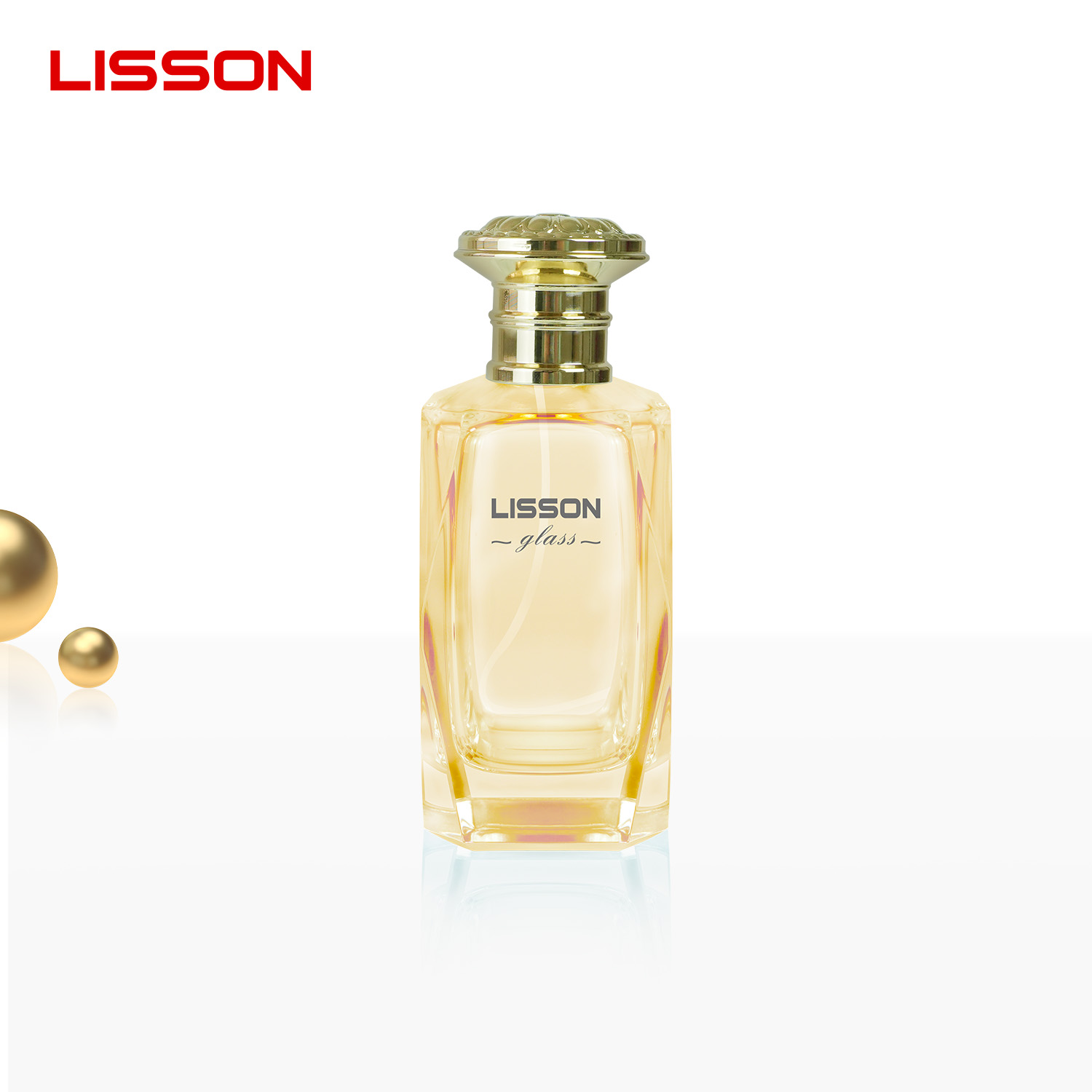
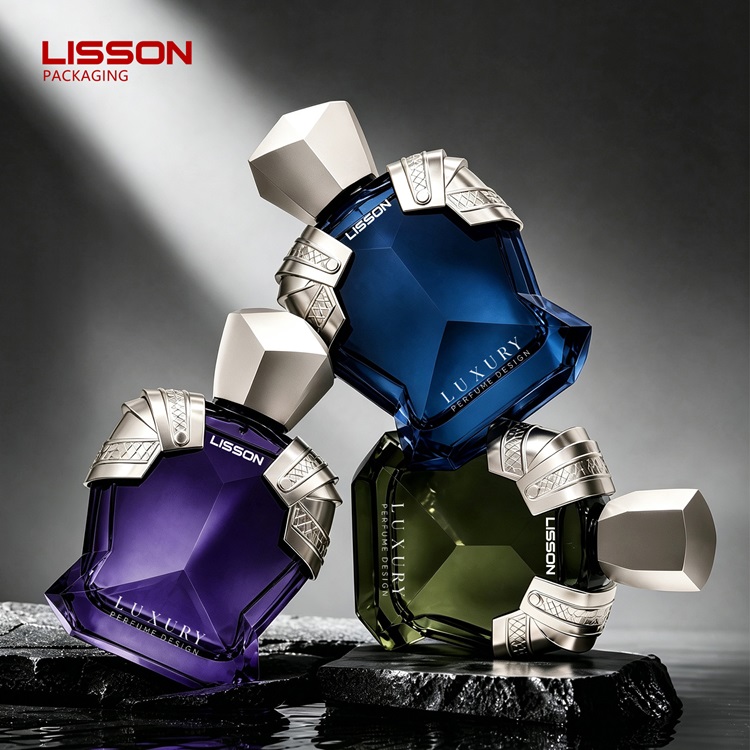
    Choosing the right packaging manufacturer is an important step for perfume brands, fragrance companies, and private-label beauty businesses. A custom glass perfume bottle needs to do more than hold a fragrance. Its shape, finish, color, decoration, closure, and overall presentation can all contribute to a brand's visual identity.   For companies looking for custom glass perfume bottle manufacturing, it is important to evaluate more than the appearance of a bottle. Manufacturing capabilities, customization options, quality control, production capacity, sampling services, and supply-chain support should also be considered.   One company worth considering is LISSON, a China-based cosmetic packaging manufacturer specializing in custom glass bottles and perfume packaging for beauty and fragrance brands.   What Does a Custom Glass Perfume Bottle Manufacturer Offer? A custom glass perfume bottle manufacturer typically helps brands develop packaging from an initial concept through production. Depending on the supplier, services may include: Custom bottle shape and size development Glass bottle design and prototyping Custom molds Bottle color and surface finishes Logo printing and branding Decorative treatments Spray pumps and caps OEM and ODM manufacturing Sampling and mass production Packaging and delivery support For fragrance brands, working with a manufacturer that can coordinate multiple parts of the packaging can simplify the product development process. Why Choose Custom Glass Perfume Bottles? Glass remains a popular packaging material for perfumes because it provides a premium appearance and can be formed into a wide range of shapes and designs. Custom glass perfume bottles can be developed to match different brand positioning, from minimalist fragrance packaging to artistic and luxury perfume collections. Key customization areas may include: 1. Bottle Shape The bottle silhouette is one of the first elements customers notice. Brands can consider square, rectangular, round, oval, geometric, asymmetric, or other customized shapes depending on their product concept. A distinctive bottle shape can help a fragrance product create stronger shelf presence and support brand recognition. 2. Glass Color and Finish Glass bottles can be customized through different colors, coatings, and finishing techniques. Depending on the design, brands may choose clear glass, colored glass, frosted effects, or decorative finishes. The appropriate finish should be selected together with the fragrance brand's visual identity and target market. 3. Logo and Surface Decoration Branding is another important part of custom perfume packaging. Manufacturers may offer logo printing and other surface decoration options to create a consistent visual identity. For premium fragrance products, decoration can be combined with the bottle shape, cap design, and color treatment to create a complete packaging concept. 4. Caps and Spray Components The bottle itself is only one part of perfume packaging. The cap, collar, and spray system also influence the overall appearance and user experience. A manufacturer with integrated packaging capabilities can help coordinate the bottle with compatible pumps and decorative caps.   LISSON: A Custom Glass Perfume Bottle Manufacturing Company LISSON is a Guangzhou-based cosmetic packaging manufacturer founded in 2013. The company specializes in research, development, manufacturing, and processing of cosmetic and personal-care packaging, including perfume bottles, skincare glass bottles, glass lotion bottles, glass dropper bottles, and other packaging products.   According to the company's website, LISSON operates a 30,000-square-meter manufacturing facility and provides packaging solutions for beauty brands in North America, Europe, and Asia.   The company focuses on a one-stop approach that combines packaging development, customization, production, and delivery.   LISSON's Custom Perfume Bottle Manufacturing Capabilities One of the main advantages of working with an integrated packaging manufacturer is the ability to manage multiple stages of a project through one supplier. LISSON's customization service covers the process from initial concept development to production. The company's stated workflow includes concept consultation, bottle selection, 3D design and artwork, mold development, sampling, and subsequent mass production. This approach can be useful for fragrance companies that need a bottle developed specifically for a new perfume collection rather than selecting a standard off-the-shelf container.   Custom Shapes and Sizes LISSON offers custom perfume glass bottles in different shapes and sizes. Its product range includes geometric, square, artistic, and other decorative bottle designs. For example, its current perfume packaging collection includes products such as Swan Shape Perfume Bottle, Laser Perfume Glass Packaging, and other luxury glass perfume bottle designs. These options can serve as starting points for brands developing a distinctive fragrance package.   OEM and ODM Support For brands that already have a packaging concept, OEM manufacturing can provide a way to turn an existing design into a production-ready glass bottle. For companies looking for assistance with product development, ODM services can provide additional support during the design and customization stages. LISSON states that its team supports projects from design and prototyping through mass production, providing technical support throughout the process.   Logo, Color, and Shape Customization Customization is not limited to the bottle silhouette. LISSON's perfume glass packaging products also indicate customization options for logo, color, and shape. This allows brands to develop packaging that is more closely aligned with their visual identity.   Decorative and Premium Packaging Options LISSON's product portfolio includes premium perfume bottles featuring different decorative approaches, including geometric designs, textured surfaces, decorative caps, and other visual elements. For luxury and niche fragrance brands, these details can be used to create a stronger connection between the fragrance concept and its physical packaging. What Should Brands Consider When Choosing a Custom Glass Perfume Bottle Manufacturer? Before selecting a supplier, fragrance companies should compare several important factors. Manufacturing Experience Look for a manufacturer with experience producing glass packaging for perfume and cosmetic applications. Experience can be particularly important when developing complex shapes, decorative finishes, or customized components. Customization Capability Ask whether the supplier can customize the bottle shape, dimensions, color, logo, decoration, cap, and spray components according to the project requirements. Sampling and Prototyping A sample allows brands to evaluate the physical appearance and functionality of the packaging before moving to mass production. A structured prototyping process can also help identify design problems at an early stage. Production Capacity For larger fragrance launches, production capacity and lead time should be discussed before placing an order. Brands should confirm MOQ, sampling time, mass-production lead time, and delivery arrangements. Quality Control Glass packaging requires consistent control of dimensions, appearance, surface finish, decoration, and component assembly. Brands should ask potential suppliers about their quality-control procedures and inspection standards. Supply Chain Support A supplier capable of coordinating bottles, pumps, caps, decoration, assembly, and packaging can reduce the need to manage multiple packaging vendors.   Custom Glass Perfume Bottle Manufacturing: A Simple Selection Checklist When comparing companies offering custom glass perfume bottle manufacturing, consider the following checklist: Evaluation Factor What to Ask Product Range Does the supplier manufacture perfume glass bottles? Customization Can the bottle shape, size, color, and logo be customized? Design Support Does the manufacturer provide 3D design and prototyping? Mold Development Can custom molds be developed for new bottle shapes? Decoration What printing and surface decoration options are available? Components Can caps, collars, and spray pumps be coordinated? MOQ What is the minimum order quantity? Lead Time How long does sampling and mass production take? Quality Control How are bottles and finished components inspected? Delivery Can the supplier support international shipments?   Why LISSON May Be a Suitable Option for Fragrance Brands For companies searching for a custom glass perfume bottle manufacturer, LISSON combines glass perfume packaging with broader cosmetic packaging capabilities. Its services cover custom design, prototyping, mold development, production, decoration, and OEM/ODM support. The company also offers other cosmetic glass packaging categories, including skincare bottles, dropper bottles, and cosmetic bottle sets. This broader product portfolio can be useful for beauty companies that plan to develop multiple packaging formats under the same brand. For example, a company launching a fragrance collection and a complementary skincare line may be able to source perfume bottles, serum bottles, and other cosmetic packaging from the same packaging partner.   Frequently Asked Questions 1. What is a custom glass perfume bottle manufacturer? A custom glass perfume bottle manufacturer develops and produces perfume bottles according to a brand's specifications. Services may include bottle design, mold development, sampling, decoration, component matching, and mass production. 2. Can perfume glass bottles be customized with a logo? Yes. Depending on the manufacturer's capabilities, perfume bottles can be customized with brand logos and other decorative elements. LISSON's perfume packaging products support logo, color, and shape customization. 3. Can I create a completely new perfume bottle shape? Yes, custom bottle development can include the creation of a new bottle shape. The process typically involves design development, 3D modeling, mold creation, sampling, and production. 4. What should I provide to a custom perfume bottle manufacturer? Brands can provide product requirements such as bottle capacity, preferred dimensions, design references, target quantity, logo artwork, color requirements, closure preferences, and packaging specifications. 5. Is LISSON a perfume bottle manufacturer or only a packaging supplier? LISSON operates as a cosmetic packaging manufacturer and provides custom glass perfume bottles as part of its product portfolio. Its services cover product development, customization, OEM/ODM manufacturing, and production support.
  • Why Heavy-Wall Glass Bottles Make Skincare Feel More Luxurious
    Why Heavy-Wall Glass Bottles Make Skincare Feel More Luxurious Aug 26, 2026
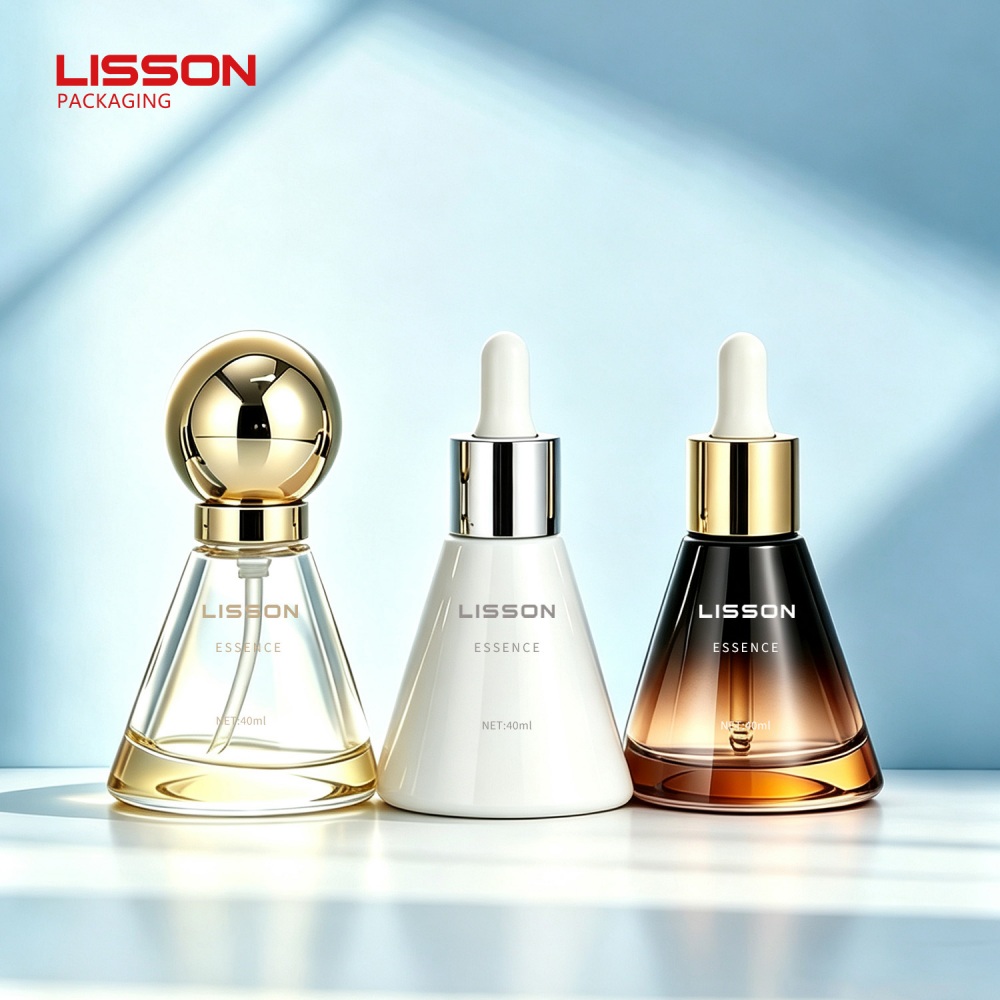
    Imagine picking up a lightweight plastic bottle. It feels hollow. Now, pick up a heavy glass dropper bottle—a Skin Care Glass Bottle designed for luxury. The cool, heavy weight tells you it is high quality right away. Why does this change how you feel? Heavy-wall glass is a choice made on purpose. It turns a simple container into a special item you want to use. You will learn about the sensory, practical, and mental reasons for this preference. The market shows this trend: glass makes up 45% of skincare bottle demand in 2025, and the Skin Care Glass Bottle is a key driver. The overall market CAGR is 3.5%, with China growing at 7.8%. A Skin Care Glass Bottle gives both protection and luxury.   Key Takeaways Heavy glass bottles feel premium because your brain connects weight to quality. Thick glass walls keep light and air away from active ingredients, so they stay strong and effective. The cool feel and firm sound of glass make a luxury experience for your senses. Glass bottles can be used again and refilled, which helps make luxury more eco-friendly. Custom finishes on glass bottles make the product feel more valuable and keep customers loyal to the brand.     Weight as a Proxy for Quality The Psychology of Heft and Substance Your hand knows quality before your eyes confirm it. The size-weight illusion explains this phenomenon. When two objects share equal mass but differ in size, you perceive the smaller one as heavier. A mass-density model governs this perception. Your brain calculates perceived heaviness as a weighted average of two sensory estimates: one from mass, one from density. The density estimate derives from mass and size. At the final perceptual level, density biases your judgment more than size alone. This mechanism directly explains why a heavy-base glass dropper bottle feels premium. The solid construction provides a strong mass estimate. The perceptible density reinforces that signal. Your brain integrates both cues into a reliable heaviness estimate. Weight discrimination improves when density information is available. This sensory integration makes you trust the product more. Behavioral research confirms this instinct. Heavier products trigger an automatic perception of higher value. This weight signal directly influences your trust in the brand's quality. The physical heft of a container links instinctively to durability and craftsmanship. Lightweight packaging feels flimsy and less trustworthy by comparison. This sensory feedback shapes your price perception. It reassures you about the formulation inside. A luxury glass cosmetic bottle leverages this psychological shortcut. The weight tells you the brand invested in materials. That investment signals confidence in the product's performance. Before the eye fully registers a product, the hand has already formed an opinion. The weight of a bottle, the reassuring solidity of a well-made pump—these tactile signals bypass conscious reasoning and speak directly to our sense of quality and value, reinforcing trust in the brand before the product is even used.   Visual Mass: Thickness and Light Refraction The visual impact of heavy-wall glass extends beyond what you feel. Wall thickness transforms how light interacts with the container. A thin wall at 1.2mm offers low refraction. Light passes through instantly, creating a flat visual appearance. A heavy wall between 3.5mm and 6.0mm behaves differently. High refraction creates a double-wall effect with internal reflection. You see a glowing edge and remarkable depth. This optical quality produces a glass-like richness that thin packaging cannot match. The refractive index of the material versus air creates this effect. Your eye reads this depth as substance and quality. The haptic experience reinforces the visual impression. A thin wall feels deceptively light. Your subconscious registers it as disposable. A heavy wall artificially inflates mass to mimic the heft of glass. The specific gravity of glass approaches 2.5 g/cm³. This density bridges the gap to semi-premium positioning. A glass perfume bottle with substantial walls delivers this dual sensory message. You see the depth. You feel the weight. Both signals agree.   Property Thin Wall (1.2mm) Heavy Wall (3.5mm-6.0mm) Light Refraction Low refraction; light passes through instantly, creating a 'flat' visual appearance High refraction; creates a 'double-wall effect' with internal reflection and a glowing edge, producing a 'glass-like' depth Perceived Weight (Haptic) Feels deceptively light; signals 'disposable' to the subconscious Mass is artificially inflated to mimic the heft of glass, bridging the gap to 'semi-premium' Acoustic Signature Vibrates at high frequencies, producing a high-pitched 'clatter' associated with cheapness Acts as an acoustic damper; resonant frequency shifts lower, producing a dull, solid 'thud' that signals solidity Manufacturing Cost Impact Standard cycle time and lower resin usage Cycle time increases up to 5x and resin consumption nearly triples, increasing COGS by ~40% Retail Price Impact Standard pricing Supports a retail price increase of 200%-300%   The manufacturing cost increase matters. A heavy wall glass perfume bottle costs more to produce. Cycle times extend up to five times longer. Resin consumption nearly triples. Yet the retail price can increase by 200% to 300%. Consumers willingly pay this premium. The visible formula inside a transparent heavy-wall container adds perceived luxury. You see the product you are buying. The thick glass frames it like a jewel. This combination of visual mass and tactile weight creates an undeniable impression of quality. A Skin Care Glass Bottle with heavy walls delivers this complete sensory experience. Every angle reinforces the message: this product deserves your investment.     The Sensory Ritual of Touch and Sound The Tactile Pleasure of Cool, Smooth Glass Your fingertips touch the surface of a heavy-base glass dropper bottle. The material reacts right away. Glass pulls heat from your skin, giving a clear cooling feel. This response feels fresh and thoughtful. A luxury glass cosmetic bottle gives you this quick sensory feedback. Plastic cannot copy it. The smooth surface moves under your fingers with no friction. You sense the exactness of the making process in every curve. Texture adds another part to the experience. High-end brands use soft-touch coatings or raised patterns on their glass skincare bottles. These surface finishes create small differences. Your fingertips notice the design before your eyes see it. The weight balance matters too. A well-made bottle sits evenly in your hand. The center of gravity stays low. This steadiness feels calming. You feel sure enough to hold the bottle with confidence. Fenty Beauty shows this idea very well. The Killawatt Freestyle Highlighter has a six-sided compact with a magnetic close. The pleasing snap when it opens and shuts feels high-end and easy to recall. This sensory mark improves how you use the product. It lifts the brand's image in the high-end beauty market. You remember how the product felt long after you finish using it.   The Acoustic Signature of Premium Glass Sound finishes the sensory picture. A thin glass container shakes at high speeds. It makes a sharp rattle. Your mind links this noise with low quality. A heavy wall glass perfume bottle acts differently. The thick walls soak up sound. The natural tone drops lower. You hear a dull, strong thud instead. This noise signals strength and quality. Magnetic closures add sound feedback to the experience. The clear click tells you the bottle is sealed well. You get instant proof. This sound cue builds your trust in the product. A glass perfume bottle with thick walls gives you this full sensory set. The noise of the cap meeting the bottle becomes part of your daily habit. Each click reminds you of the quality you picked. Touch and sound join to make a lasting experience. The cool surface, the pleasing weight, the firm click. These parts turn a simple action into a ritual. Your glass skincare bottle becomes more than a container. It becomes a sensory anchor for your self-care routine.   Protection and Preservation of Formulas Superior Barrier Properties for Formula Integrity Your serum's efficacy depends on what surrounds it. A heavy-base glass dropper bottle creates a fortress against the elements that degrade active ingredients. Oxygen and moisture pose the greatest threats to formulation stability. Glass outperforms plastic on both fronts with measurable results. Independent testing from SGS demonstrates that glass reduces the oxidation rate of vitamin C serums by up to 40% compared to plastic containers. Plastic allows 30% more oxygen penetration than glass over a 12-week period. Moisture tells a similar story. The International Journal of Cosmetic Science reports that plastic permits 15% more moisture ingress than glass over eight weeks. These differences translate directly to product performance. Barrier Property Glass Performance Plastic Performance Oxygen ingress Reduces oxidation rate of vitamin C serums by up to 40% compared to plastic Allows 30% more oxygen penetration than glass over 12 weeks Moisture ingress Impermeable to moisture Allows 15% more moisture ingress than glass over 8 weeks Potency retention Retains 92% of original potency after 6 months Retains only 55% potency after 6 months   The potency retention numbers from Cosmetics Europe stability tests reveal the stakes. Glass preserves 92% of original potency after six months. Plastic retains only 55%. Your investment in a luxury glass cosmetic bottle protects the active ingredients you paid for. The heavy wall adds another layer of defense. Thicker glass means a longer path for any molecule attempting to penetrate the container. Glass also remains chemically inert. It does not react with the contents inside the bottle or jar. This property matters enormously in cosmetic manufacturing. Ingredient stability must hold throughout the product's lifecycle. Amber glass avoids leaching and chemical contamination that can occur with certain plastics. Your formulation stays exactly as the chemist designed it. Container integrity standards verify these protective qualities. The industry relies on established test methods to ensure packaging performs as promised. ASTM D3078 – Flexible packaging bubble emission for seal integrity ASTM F2096 – Primary packaging bubble emission leak test ASTM F2338 – Seal strength testing for flexible barrier materials ASTM D6653 – Altitude testing for pressure change resistance ASTM D5276 – Drop test by free fall for container durability ASTM F1249 – Water vapor transmission rate measurement ISTA 3A – Vibration testing for transit shock simulation These standards confirm that your glass skincare bottle meets rigorous performance criteria before it reaches your bathroom shelf.   The Skin Care Glass Bottle as a Shield for Actives Light poses another silent threat to your products. Vitamin C degrades by up to 30% within just six hours of UV exposure. A peer-reviewed study on ascorbic acid photostability found that oxidative degradation in darkness proceeds approximately seventy times slower than in light. Retinol suffers similarly. UV exposure can degrade active ingredients like vitamin C and retinol by 60% within a few weeks. A heavy wall glass perfume bottle with amber or coated glass blocks these damaging wavelengths while the thick walls provide physical protection. I also recommend seeking out active formulas, especially vitamin C and retinol treatments, that have air- and light-tight, opaque packaging. Think of packaging as part of your active delivery system. If an ingredient has to be exposed to air, light and germs when using a product, it's more likely to degrade over time. The choice of container directly impacts shelf life. Dark, opaque, or UV-protective bottles slow oxidation. Airless pumps add another barrier. A bottle left on a sunny counter loses potency faster. Frequent opening accelerates degradation. Your Skin Care Glass Bottle addresses each vulnerability. The heavy wall blocks light penetration. The inert material prevents chemical reactions. The tight seal limits oxygen exchange. Every design element works toward one goal: keeping your actives potent until the final drop. A glass perfume bottle with substantial walls delivers this same protection for fragrance. Essential oils and aromatic compounds degrade with light and air exposure. The thick glass preserves the scent profile. Your daily ritual becomes an act of preservation. Each use draws from a formula that remains as effective as the day you opened it. That reliability builds trust. That trust keeps you returning to the brand. The protection a Skin Care Glass Bottle provides is not merely functional. It is the foundation of the luxury experience.   Sustainability and the Modern Luxury Ethos The Reusable and Refillable Appeal Your heavy-base glass dropper bottle is useful for more than just one time. Its strong build supports a "buy once, refill forever" plan that appeals to people who care about the environment. The global refillable cosmetics packaging market grew from US$152 million in 2024 to a projected US$600+ million by 2030. This growth proves that luxury refill systems can work well in the market. Leading brands show how it works. La Mer offers its Refillable Treatment Lotion in a heavy glass bottle meant to stay on a vanity for a long time. Customers buy lightweight refill pouches instead of new containers. Guerlain goes even further with its Orchidée Impériale ritual. You bring your jar to a store for in-store refilling. This gets rid of extra packaging while keeping the high-end feel. A heavy wall glass perfume bottle works great for refilling. Its thick walls can be handled and cleaned many times. The container stays strong through many uses. Your luxury glass cosmetic bottle becomes a regular part of your routine. The refill system cuts waste without losing the nice feel of the original packaging.   Aligning with Conscious Consumerism Research shows that people clearly want sustainable packaging. Mintel's analysis shows that shoppers are still interested in refillable options. Yet mass-market brands don't have many choices other than soap and shower items. This gap gives luxury brands a chance to lead with new ideas. Consumer Group Statistic US consumers 80% would buy products without single-use plastic packaging UK consumers 62% prioritize recyclability and reducing plastic packaging UK female beauty buyers (16-24) One-third want retailers to highlight environmentally friendly products   Your glass skincare bottle matches what people care about. People who care about the environment are more likely to buy zero-waste beauty products. Wanting to help others makes people want to buy, but the price can affect that. Shoppers like brands that clearly show their ethical choices through packaging. Double-wall and high flint glass options make the product look more high-end while helping the environment. These materials are very clear and strong. A Skin Care Glass Bottle with these features gives you a fancy product that is also good for the planet. You invest in a product that matches what you believe in. The brand shows its promise through packaging choices. This match builds long-lasting loyalty. Your daily routine becomes an act of thoughtful buying.   Customization for a Unique Brand Identity The Canvas for Premium Finishes and Embellishments Your heavy-wall glass container is like a blank canvas for sharing your brand's story. Unlike plastic, glass can take many different finishes that change how it looks. Embossing makes raised patterns that you can feel before you see them. These touchable details work on a level that pictures cannot show. They not only look high-end — they feel high-end, creating a tiny moment of brand loyalty each time you touch it. Frosted glass is the top choice for luxury skincare. Its natural weight and quality feel, along with a soft, organic texture, make an unboxing experience that always gets high marks in studies about how people see product quality. Metallic finishes add the final touch. People often link high-end packaging finishes — like frosted glass, shiny metal caps, and stamped logos — with better formulas, even if the product inside is the same.   Finish Type Evidence of Increased Perceived Value Embossing Works on a sensory level photography cannot replicate; tactile details feel premium and create micro-moments of brand loyalty Frosted Glass The gold standard for luxury skincare; diffused texture and inherent weight score high in consumer research on perceived quality Metallic Finishes Electroplated caps and hot-stamped logos signal higher-quality formulations, even with equivalent contents   Brands like lissong use these techniques on their heavy wall glass perfume bottle lines. Custom-painted caps, metal accents with logos, and matte finishes come together in a unified look. The design style — clean, natural, fancy, or bold — shows the brand's personality and strengthens its identity from every side.   The Unboxing Experience and Perceived Worth The moment you open a package decides if you'll buy again. About 72% of American shoppers think about product packaging when they decide to buy. Your hand feels the weight of a luxury glass cosmetic bottle before your eyes even see the design. Heavier packaging compared to its size tells you it is dense and worth the money, raising how much you value it. Luxury packaging sets off a feeling of reward in your brain's dopamine system. Slow magnetic closures and well-made lids stretch out the unboxing moment, causing a real release of dopamine. Studies show that the weight of the packaging changes both how much you want it and how much you will pay. Luxury packaging creates a feeling of reward through your brain's dopamine system. Slow magnetic closures and well-made lids make the unboxing moment last longer, which causes a real release of dopamine. Studies show that packaging weight changes both your desire and your willingness to pay. The touch experience strengthens this idea. Specific textures — like soft-touch matte, raised patterns, or plain board — send different mental signals such as elegance, skill, or realness. Your brain reads weight as quality and effort, and texture as craftsmanship and high-end making. A heavy-base glass dropper bottle with a nice snap closure makes a sensory moment you won't forget. Printed notes inside the box, QR codes, or brand mission statements bring surprise and joy. These layers of storytelling build an emotional bond. Eco-friendly materials or simple styles support values like care and awareness. Every part of your glass skincare bottle works together. The unboxing turns into a ritual that makes the price worth it and creates long-term loyalty.   The luxury of a heavy-base glass dropper bottle is not one thing. It is many. You feel the weight. You hear the solid click. You trust the protection. These moments build a story about efficacy and self-care. A heavy wall glass perfume bottle tells you the brand invested in your experience. A luxury glass cosmetic bottle protects your actives. A glass skincare bottle supports your values. Choosing this packaging signals commitment to quality. For you, it becomes the ultimate expression of treating yourself well. In high-end skincare, the glass perfume bottle is not just packaging. It is the promise of the product itself.   FAQ Does heavy glass packaging actually protect active ingredients better? Yes. Glass blocks oxygen and moisture better than plastic. Tests show glass cuts vitamin C oxidation by up to 40% compared to plastic. A heavy wall glass perfume bottle also guards light-sensitive ingredients from UV damage. This keeps your formula strong longer. Why do luxury brands invest in heavier glass instead of lighter materials? The weight tells you it is quality before you read the label. Your brain links heft with durability and skill. A luxury glass cosmetic bottle also gives better light refraction and sound feedback. These sensory clues support higher prices and build lasting trust in the brand. Are heavy glass bottles worth the higher retail price? The numbers back the investment. Making costs rise about 40%, yet stores can charge 200% to 300% more. You get real benefits: better formula stability, a pleasing sensory routine, and a bottle you can reuse. The value goes beyond looks to true product performance. Can I reuse or refill my glass skincare bottle? Yes. The strong build of a heavy-base glass dropper bottle allows many cleanings and refills. Many top brands sell refill pouches or offer in-store refill programs. This cuts waste while keeping the luxurious feel. Your glass skincare bottle becomes a lasting part of your daily habit. How does the weight of packaging influence my perception of product quality? Research shows that heavier packaging raises how much you value it and how much you would pay. The size-weight illusion makes dense objects feel more solid. Your brain reads this density as proof of skilled making. A Skin Care Glass Bottle uses this mental response, building trust before you even open the cap.  
  • Glass vs. Plastic: Which Material Better Preserves Cosmetic Active Ingredients?
    Glass vs. Plastic: Which Material Better Preserves Cosmetic Active Ingredients? Aug 25, 2026
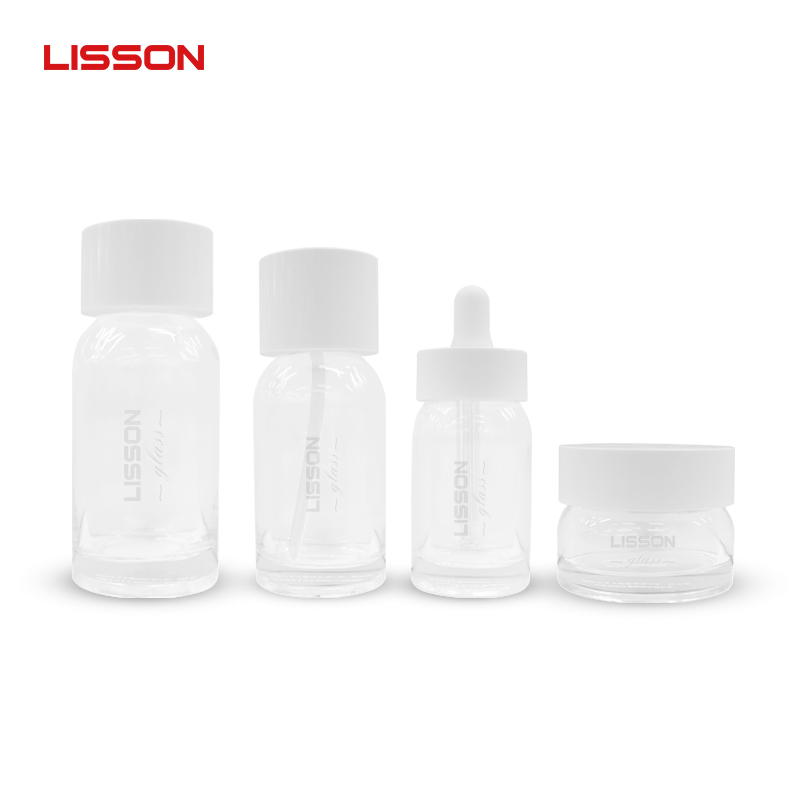
    When it comes to protecting the delicate, active ingredients in your cosmetics, glass is the clear winner. Packaging does more than look pretty on your shelf. It determines how long your products stay effective and fresh. Have you ever noticed your serum changing color or smell before you finished it? That breakdown happens because the packaging failed to shield the formula from environmental threats. Oxygen, moisture, and light slowly break down unstable ingredients like vitamin C and retinol. This article explores the science behind packaging choices. You will learn how barrier properties and chemical inertness differ between materials. Understanding these differences helps you pick the right glass cosmetic bottle for your skincare routine.   Key Takeaways Glass fully blocks oxygen and moisture. This helps active ingredients like vitamin C and retinol stay strong for a longer time. Glass does not react with your formula. It does not release chemicals or soak up ingredients. Your product stays pure. Amber or cobalt glass blocks UV light. This keeps light-sensitive ingredients safe without needing extra additives. Plastic lets some air and moisture pass through. This can break down delicate active ingredients over time. Use plastic only for products that are not as sensitive. Glass can be recycled forever. It never turns into microplastics. Pick glass for packaging that is both eco-friendly and works well.   Why Packaging Matters for Actives Your serum's active ingredients face constant attack. Vitamin C, retinol, and peptides are inherently unstable molecules. They react quickly to environmental triggers. These reactions destroy their effectiveness before you finish the bottle.   The Main Threats: Oxidation, Moisture, and Light Oxidation stands as the primary enemy. Vitamin C, or L-ascorbic acid, loses electrons to dissolved oxygen and trace metal ions. This process creates dehydroascorbic acid, then further breakdown products. You see the result as discoloration and lost potency. Several factors control this oxidation rate: Water content accelerates the reaction Oxygen exposure drives electron transfer Metal ions like iron and copper catalyze degradation pH levels above 3.5 increase instability Maintaining pH below 3.5 keeps ascorbic acid in its non-ionized form. This stable form also penetrates skin better. Antioxidant synergists like vitamin E and ferulic acid intercept the oxidation pathway. Each regenerates the other. EDTA sequesters trace metals that catalyze breakdown. Moisture and light compound these problems. Water enables chemical reactions. UV radiation breaks molecular bonds. Your product changes color, separates, or loses its smell. These signs mean the actives have degraded.   Packaging as a Defense Mechanism Packaging acts as your formula's shield. Barrier materials prevent oxygen from reaching sensitive ingredients. Multi-layer laminations combine EVOH with aluminum foil. EVOH provides excellent oxygen barrier properties. Aluminum foil blocks all gases completely. These layers create a composite structure with very low oxygen transmission. Airless pumps limit air exposure with each use. Sealed tubes minimize oxygen contact. These methods prevent oxidative degradation of vitamins and plant extracts. Packaging compatibility testing determines whether materials interact with your formula. Proper packaging, airtight seals, and validated preservatives significantly extend shelf life. Air- and light-tight, opaque packaging protects active ingredients from degradation. Your choice of container matters enormously. A quality glass cosmetic bottle offers superior protection. Luxury glass cosmetic bottles combine elegance with function. Glass skincare bottles from brands like lissong provide an impermeable barrier. This material does not interact with your formula. It keeps oxygen and moisture out completely.   Barrier Properties: Glass vs. Plastic The barrier your package provides determines how long your active ingredients stay effective. Glass and plastic differ dramatically in this area. Understanding these differences helps you choose the right container for your sensitive formulas.   The Impermeable Nature of Glass Glass is nonporous and impermeable. Nothing passes through its walls. Not oxygen. Not moisture. Not any other gas or vapor. This property makes glass an exceptional barrier material. You face a choice when selecting a glass cosmetic bottle for your vitamin C serum or retinol treatment. The material itself offers complete protection against gas exchange. Oxygen molecules cannot squeeze through glass molecules. Water vapor cannot migrate through the container walls. This complete barrier keeps your active ingredients stable for longer periods. The science behind this is straightforward. Glass has a dense atomic structure. It forms a continuous network of silicon and oxygen atoms. This network leaves no gaps for molecules to pass through. Plastic, by contrast, has polymer chains with spaces between them. Those spaces allow gas molecules to move through the material. This dense structure remains stable for decades. Glass does not fatigue or weaken over time. A glass bottle from a century ago offers the same barrier properties today. You get consistent protection for the entire life of your product. Glass also resists temperature changes without degrading. You can store your glass skincare bottles in warm bathrooms or cool cabinets. The material maintains its barrier properties across these conditions. Plastic can expand and contract with temperature changes. This movement can create tiny gaps that worsen over time. A quality glass cosmetic bottle does not absorb your product either. The smooth, nonporous surface prevents any ingredients from soaking into the container walls. You get every drop of your formula just as it was made. No loss of valuable ingredients to the packaging itself. Luxury glass cosmetic bottles combine this superior barrier protection with elegant design. Brands like lissong craft containers that protect your formula and enhance your experience. The material itself becomes part of the product's value.       The Permeability Challenges of Plastic Plastic faces a fundamental problem. It is semi-permeable. Gases and vapors can pass through its walls over time. The rate depends on the plastic type, its thickness, and the storage temperature. Many plastic bottles allow oxygen to enter. Oxygen reacts with your active ingredients. Vitamin C oxidizes. Retinol degrades. Peptides break down. These reactions happen faster when oxygen reaches the formula through the container walls. Moisture also moves through plastic. Your product can lose water over time. This changes the formula's consistency and concentration. The active ingredients become less effective as the formulation shifts from its original balance. The type of plastic matters. Some plastics offer better barrier properties than others. But none matches the impermeability of glass. Even the best plastic allows some gas exchange. This exchange happens at a molecular level. You cannot see it, but it affects your product. Plastic also flexes and changes shape during use. This movement creates microscopic stress points. Those points become pathways for oxygen and moisture. The barrier gets worse as the container ages and experiences more stress. You might not notice these changes right away. The degradation happens slowly over weeks and months. By the time you see a color change or smell a difference, the active ingredients have lost significant potency. Your product no longer delivers the benefits you expect. Some manufacturers use multi-layer plastic to improve barrier properties. These layers include materials that block gas exchange. But these complex structures create challenges for recycling. They also add cost without reaching the complete protection of glass. The permeability problem becomes more serious with smaller containers. A smaller bottle has a higher surface area to volume ratio. More of the product contacts the container walls. This means a greater proportion of the formula is exposed to potential gas exchange. Glass avoids this problem entirely regardless of bottle size.   Chemical Inertness and Safety The material of your container can interact with your formula. Some materials stay completely neutral. Others change the product inside. This chemical interaction matters for sensitive active ingredients like vitamin C and retinol. Your skincare's performance depends on this choice. The right container preserves your formula from the first use to the last drop.   Glass: The Inert and Non-Reactive Choice Glass provides a chemically neutral environment for your skincare. The material does not readily absorb or leach substances. It does not easily undergo chemical reactions with your formula. This inert nature protects your active ingredients from unwanted changes. Your product stays true to its original composition throughout its shelf life. You can store acidic or alkaline formulations in a glass cosmetic bottle without worry. The glass stays stable throughout the product's life. It does not introduce new chemicals into your formula. Your product remains exactly as the manufacturer created it. No unexpected reactions occur between the container and the contents inside. A specific boundary condition exists. Extremely acidic formulas with pH below 3 can slowly etch glass over very long periods. Extremely alkaline formulas with pH above 10 create the same slow effect. This process is not a typical concern for standard cosmetic products. Most skincare formulations fall within a safe range between these extremes. Your products remain stable and protected. This inert property makes glass ideal for natural and organic formulations. These products often contain sensitive plant extracts and delicate active ingredients. They need a container that adds nothing and removes nothing from the formula. Glass delivers this complete chemical neutrality. You get pure formulation without container interference. The material stays neutral regardless of what you store inside it. A glass cosmetic bottle preserves your product's integrity from first use to last. No chemical exchange occurs between container and contents. Your vitamin C serum stays potent. Your retinol treatment remains effective. Your peptides keep their structure. You get the full benefit of every ingredient. The bottle itself becomes part of the preservation system.   Plastic: The Risk of Leaching and Absorption Plastic presents a different story. Plastic packaging contains additives. These include plasticizers, antioxidants, and colorants. These substances can migrate or leach into your product over time. The process happens slowly at a molecular level. You may not notice it until the product changes color or smell. A peer-reviewed review in the International Journal of Pharmaceutics confirms this risk. Plastics used in drug packaging contain additives that can move into the product. This leaching can alter the chemical composition of your formula. It can modify the therapeutic action of active ingredients. It can also change organoleptic properties like smell and texture. These changes signal that your product is degrading. The sources of leachables extend beyond the bottle itself. Plastic components include stoppers, labels, and manufacturing systems. Tubing, filters, and storage bags all contribute potential contaminants. Each plastic component introduces some level of risk to your product. The chain of potential contamination is long and complex. The impact on your skincare is real and measurable. Leachables can cause skin irritation. They can interact with active ingredients in your formula. This interaction reduces product potency. It can alter the chemical structure of sensitive compounds. Your formula no longer performs as intended. The benefits you expect from your routine diminish over time. Regulatory bodies like the FDA require thorough evaluation of leachables. Manufacturers must ensure exposure stays below safety thresholds. Failure to meet these standards can lead to product recalls. It also erodes consumer trust in the brand. Compliance is not optional for responsible manufacturers. The stakes are high for product safety. A formal risk assessment process exists for evaluating leachables. It follows guidelines like ICH Q9. This process evaluates identified leachables in the product. It compares exposure levels to established safety limits. The goal is determining whether these substances pose a genuine health concern. This assessment protects consumers from potential harm. Plastic also absorbs some ingredients from your formula. The material pulls certain molecules into its structure. This changes the formula's balance. You lose valuable active ingredients to the container itself. The product becomes weaker over time. This absorption is one-way and permanent. The choice becomes clear when you compare these materials. A glass cosmetic bottle offers chemical neutrality. It does not leach or absorb. It keeps your formula pure and potent. Plastic introduces risks that manufacturers and consumers must manage carefully.   Other Factors: Light and Sustainability Shielding from UV Light Light harms your active ingredients. UV rays break molecular bonds. This speeds up damage. Your vitamin C and retinol lose strength faster when light hits them. Amber and cobalt glass block UV light naturally. The colored glass soaks up harmful rays before they touch your formula. The glass itself provides this shield. You do not need extra coatings or additives. Plastic needs special additives for the same effect. Makers add UV blockers to the plastic resin. These additives can seep into your product over time. You must choose between light protection and chemical purity. A good glass cosmetic bottle in amber or cobalt gives you both. It blocks light and stays chemically neutral. Your formula remains stable on both fronts. Luxury glass cosmetic bottles often use these colors for high-end products.   Weighing Environmental Impact The environmental picture is more complicated. Glass comes from natural materials. Silica sand, limestone, and soda ash form its base. These resources are plentiful in nature. Glass stays non-toxic for its whole life. It never turns into microplastics. Plastic comes from fossil fuels. Making it involves chemical processing. It contains BPA and other additives. It breaks into microplastics that stay in the environment. Recycling numbers tell an interesting story. Glass containers hit a 31.3% recycling rate in the US. Common packaging plastics reach only about 29%. The EU shows a bigger gap. Glass recycling hits 80.1%. Plastic recycling reaches just 39.7%. Metric Glass Plastic US Recycling Rate 31.3% 5–6% EU Recycling Rate 80.1% 39.7% Weight per Container Up to 40× heavier Lighter Life-cycle CO2 Impact Higher due to weight Lower   Glass weighs much more than plastic. This weight raises shipping emissions. Heavier containers need more fuel during transport. The total carbon footprint of glass often beats plastic. The environmental cost indicator for plastic can run up to 80% lower than glass. Glass melts at about 1600°C. This high heat demands lots of energy during manufacturing. Plastic melts near 200°C. This production difference affects the carbon footprint. You can recycle glass again and again without losing quality. Glass skincare bottles stay strong through many cycles. Plastic often downcycles into lower-grade materials. Each cycle lowers its quality. Brands like lissong understand this balance. They make glass cosmetic bottles that protect your formula and support sustainability. The heavier shipping footprint offsets against endless recyclability. You choose between immediate carbon impact and long-term waste reduction.   Making the Right Choice for Your Product Your choice between glass and plastic depends on your formula and your goals. Each material serves a different purpose.   When a Glass Cosmetic Bottle is the Superior Option Pick a glass cosmetic bottle for any formula with sensitive, high-value active ingredients. Vitamin C, retinol, and peptides need the strongest protection. These molecules break down quickly when exposed to oxygen, moisture, or light. Glass provides a complete barrier against all three threats. Glass is non-reactive. It does not interact with your ingredients. It does not leak chemicals into your formula. It does not soak up valuable compounds from your product. This inert nature keeps your formula pure from first use to last drop. Amber glass is the functional choice for UV-sensitive formulas. If your formula contains retinol, vitamin C, or any active that breaks down with light exposure, amber glass protects it without relying only on secondary packaging. It is not just about looks. It is a formula integrity decision. Brands targeting a premium, eco-conscious market should consider luxury glass cosmetic bottles. These containers combine superior protection with elegant design. A brand like lissong offers glass skincare bottles that protect your formula and boost your product's appearance. Your customers recognize the quality and value of glass packaging.   When Plastic Might Be Acceptable Plastic works well for less sensitive ingredients. Mass-market foundations, lip balms, lotions, and travel-size products benefit from plastic's durability. It does not shatter in transit. Squeezable plastic tubes survive cramped suitcases in mini skincare kits. Customers appreciate the portability. Airless pumps made with internal plastic parts keep formula freshness for serums and light moisturizers. They release nearly all product with minimal waste. Consider plastic for family or pet-friendly environments. Dropped bottles do not shatter. Plastic keeps everyone safe. The table below shows common cosmetic products where plastic packaging is proven sufficient. Cosmetic Product Type Packaging Format Evidence of Sufficiency Bronzers, pressed powders, eyeshadows, blushes Compacts Designed for travel protection, implying durability. Lotions, gel-based products, loose powders, creme eyeshadows Pots Common and flexible with secure closures. Creams, gels, liquids (sampling) Sachets Ideal for sampling with practical containment. Makeup products, bath salts, face masks Pouches Lightweight, minimizing shipping costs.   Glass offers superior barrier properties and chemical inertness. These qualities preserve sensitive active ingredients best. A glass cosmetic bottle keeps your vitamin C and retinol potent from first use. Plastic provides convenience and durability. It also brings trade-offs in permeability and potential chemical interactions. You should prioritize ingredient stability for high-value formulations. Luxury glass cosmetic bottles from brands like lissong combine protection with elegant design. Consumer demand for efficacy and sustainability pushes innovation in both materials. Glass remains the gold standard for preservation today. Your glass skincare bottles protect your formula and support your skincare goals effectively.   FAQ How can I tell if my active ingredients have degraded? Check for color changes, texture changes, or strange smells. Vitamin C turns yellow or brown when it reacts with oxygen. Retinol can lose its power without any visible signs. Use your senses. If something seems wrong, the product may have lost its strength. Replace it right away. Is a luxury glass cosmetic bottle worth the extra cost? Yes, for formulas with sensitive ingredients. A good glass cosmetic bottle keeps oxygen and moisture out completely. Luxury glass cosmetic bottles from brands like lissong offer this protection with a nice look. Your vitamin C and retinol stay strong longer. The extra cost gives you better results. Does glass color matter for light protection? Amber and cobalt glass block UV rays on their own. Clear glass does not block light. Use amber glass for retinol, vitamin C, or any formula that breaks down in light. The colored glass soaks up harmful rays before they touch your product. No extra chemicals are needed. Can I use plastic packaging for any skincare product? Plastic is fine for less sensitive products like lotions and cleansers. Do not use it for vitamin C, retinol, and peptides. These ingredients break down faster in plastic because oxygen can get through. For valuable formulas, always pick glass skincare bottles. Your active ingredients need the best protection. How should I store my glass skincare bottles? Keep them out of direct sunlight and away from heat. Put them in a cool, dark cabinet. Tighten the cap after each use. Do not leave them in a humid bathroom. Good storage makes your active ingredients last much longer.
  • How Glass Bottle Quality Control Works: Key Tests Cosmetic Brands Should Know
    How Glass Bottle Quality Control Works: Key Tests Cosmetic Brands Should Know Aug 20, 2026
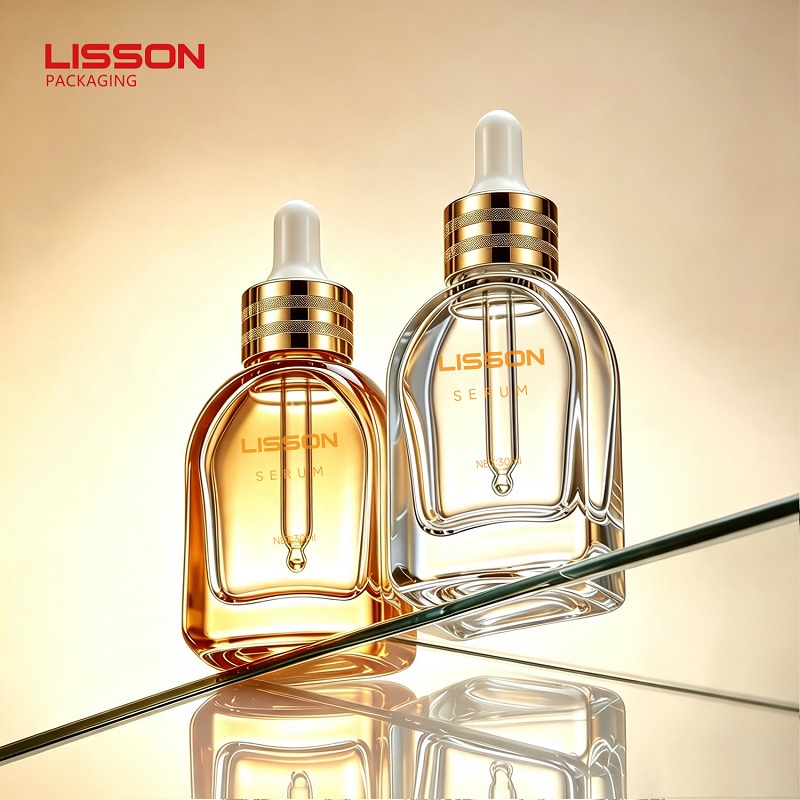
    You protect high-end skincare and luxury fragrance lines through rigorous testing. Quality control in glass bottle manufacturing ensures glass packaging safety, strength, and visual quality across every production batch. Aspect Summary Process Quality control monitors production to meet strict specs. Application Essential for cosmetic packaging and pharmaceutical glass. Inadequate testing causes formula contamination, leakage, and severe glass bottle breakage during transit. These physical failures ruin product quality and destroy brand reputation. Industry leaders like Lisson enforce high standards using 24-hour quality control monitoring within ISO 9001-certified facilities. You can evaluate premium glass packaging suppliers using these essential testing procedures.   Key Takeaways Precise measuring ensures caps and pumps fit glass bottles perfectly. Pressure and heat tests prevent bottle breakage during shipping. Vacuum checks stop leakages and protect formulas from contamination. Strict visual inspections find cracks and keep printed labels durable.   Dimensional Glass Packaging Quality Control Verifying Height Diameter and Finish You protect cosmetic lines by verifying container dimensions before assembly. Precise dimensional measuring guarantees seamless compatibility between glass containers and pumps, caps, or droppers. You avoid sealing failure when technicians execute strict quality assessments during early production. Lisson enforces exact tolerances in turnkey manufacturing to achieve perfect airtightness across custom molds and standard containers. Technicians in a quality control laboratory verify components against a controlled drawing with specialized tools: Digital caliper: measures outside diameter across thread crests (T), neck wall diameter (E), inside bore diameter (I), finish height (H), and distance to first thread (S). Height gauge: executes repeatable vertical measurements for finish height and thread distance. Controlled drawing: establishes target nominal values, reference planes, and allowable tolerances. Matching closure: tests functional physical fit using a production-intent cap or pump.   Measuring Wall Thickness and Capacity Uniform wall thickness distribution prevents weak spots that cause structural failure during automated high-speed filling. For cosmetic dropper bottles and vials, standards define a nominal wall thickness range of 1.5–2.5 mm. High-speed filling lines require a consistent lower bound of ~1.5 mm. Uneven glass distribution reduces container strength under pressure. Rigorous physical testing verifies that glass bottle structural integrity meets strict factory standards. Capacity tolerance testing guarantees consistent product dosage across mass production batches. You confirm every container stays fit for purpose through systematic evaluations across three core production stages: Stage Evidence from source Role in capacity tolerance measurement Technical blueprint Drawings define target capacity volume and critical tolerances before mold-making. Sets allowable fill-volume range for each glass bottle. First-article inspection Trial samples from the new mold undergo dimensional accuracy checks. Confirms the mold produces containers within specified volume tolerance. Mass-production monitoring Automated and human dimensional checks run continuously. Maintains container geometry to support dose consistency across batches. These thorough quality assessments ensure superior cosmetic packaging performance across all glass packaging lines.   Mechanical Strength and Sealing Integrity Thermal Shock and Pressure Testing You evaluate container strength through high-stress physical checks. Standard thermal shock testing subjects containers to rapid hot-to-cold shifts, using an 80–85°C hot bath and a 20–25°C cold bath. This 55–65°C differential follows ASTM C149 guidelines to expose internal stress. High-speed filling lines also require vertical top-load resistance and drop evaluation under ISO 2248 standards. These protocols reveal micro-cracks before factory dispatch. Performing thermal shock testing alongside pressure checks prevents structural failure under transit stress. You protect each luxury glass bottle during transport by demanding strict physical trials. Unseen stress leads to delamination during rapid temperature shifts. Specialized quality assessments identify structural weakness and delamination early. Lisson subjects every glass packaging batch to durability testing to verify mechanical strength. These physical checks maintain long-term product safety for premium skincare lines. You secure container longevity across every glass packaging production run.   Preventing Formula Contamination and Sealing Leakage Robust integrity testing protects formula stability against chemical contamination. Technicians perform vacuum leak checks at -0.7 bar for 15 minutes to simulate air transport pressure drops. This procedure detects leak paths around caps, gaskets, and pump housings. Precision pump evaluations prevent backflow and stop external contamination from touching the formula. Chemical interaction between active ingredients and weak glass causes inner wall delamination. Factory laboratories conduct contamination analysis to catch surface degradation and delamination before distribution. Continuous 24-hour quality control monitoring prevents operational breakdown across all cosmetic packaging lines. Technicians use thermal shock testing to verify surface resilience against harsh formulas. Regular quality assessments ensure that pharmaceutical glass containers maintain high purity. Proper inspection protects pharmaceutical glass integrity, while glass failure analysis isolates defects if delamination occurs. This complete verification guarantees that every glass bottle remains fit for purpose. Engineers perform thermal shock testing during glass failure analysis to isolate manufacturing flaws. Using certified pharmaceutical glass protects prestige formulations against premature decay.   Glass Packaging Surface Defects and Adhesion Visual Inspection for Flaws and Inclusions You protect your product line by screening every container for surface flaws under standardized bright factory lighting. Trained technicians conduct thorough visual inspection across the container body, neck, and base to catch molding flaws, chips, air bubbles, and glass inclusions. Catching fine thread-like inclusions and mouth chips early prevents seal failure and formula contamination. Body inspection: check for surface scratches, scuffing, discoloration, and air bubbles. Neck and base inspection: verify thread profiles, detect chips, and clear internal residues. Mold code reading: trace cosmetic defects back to specific mold cavities. Polarized light inspection reveals hidden stress cracks before factory dispatch. Unchecked physical stress causes inner wall delamination during long-distance shipment. Inspectors conduct visual inspection under controlled light to ensure that every glass bottle meets structural safety standards. Technicians record their findings in quality assessments to maintain consistent glass packaging standards across production runs.   Coating and Printing Adhesion Performance Luxury decorations require rigorous physical testing to ensure surface treatments last throughout consumer use. Technicians subject silk-screening, frosting, hot stamping, and UV coating to strict durability trials. Mechanical adhesion tests use 3M600 tape pulled at a 45° angle to check ink bonding. Solvent resistance checks use 99% alcohol wiped for 20 cycles under a 1 kg load. Lisson combines these rigorous quality checks with eco-friendly PCR materials and infinitely recyclable glass, aligning luxury beauty aesthetics with your corporate ESG goals. Factory laboratories also verify wear resistance and environmental endurance. Technicians rub decorated surfaces using an eraser with 500 g vertical force for 50 single strokes. Environmental chambers subject finished containers to 12 thermal shock cycles from -40°C to +66°C. These procedures prevent surface failure and guard against coating delamination over time. Rigorous testing guarantees superior decoration performance. Complete visual inspection and precise quality assessments ensure your manufacturing process delivers flawless glass bottle containers. Continuous quality control preserves brand prestige across every order.   A multi-tier testing framework guarantees superior glass packaging performance. Dimensional checks, mechanical evaluation, seal integrity testing, and visual inspection protect product safety. Forbes (2024) notes packaging influences 52% of repeat purchase decisions. Rigorous quality control eliminates defect risks, reduces returns, and preserves brand reputation. Every glass bottle remains fit for purpose throughout its lifecycle. You protect product quality by choosing certified manufacturing partners. Lisson operates ISO 9001-certified facilities to deliver premium cosmetic packaging solutions. Continuous quality monitoring preserves durable glass packaging standards across every production run. Partner with Lisson today to secure certified glass bottle solutions for your luxury beauty line.   FAQ How do you prevent internal glass delamination? You prevent delamination by choosing high-purity material and running rigorous thermal shock testing during production. Lisson utilizes pharmaceutical glass standards to stop formula interaction. Laboratory teams perform regular contamination analysis to catch surface degradation before your cosmetic products reach consumers.   Why should beauty brands worry about product contamination? Chemical interaction between active formulas and weak containers causes product contamination. Structural leaks or reactive glass ruin formula stability. You protect product purity by insisting on certified pharmaceutical glass and partnering with Lisson to ensure total formula safety across every production batch.   How does glass failure analysis protect your brand? Systematic glass failure analysis isolates structural flaws, stress cracks, and molding defects early. If unexpected packaging failure happens during shipping, engineers perform glass failure analysis to pinpoint the root cause. This technical evaluation eliminates recurring defects and safeguards your corporate reputation.   How does factory testing ensure container durability? You guarantee product safety through strict mechanical testing. Lisson subjects luxury packaging to rapid hot-to-cold temperature changes, vertical pressure, and drop trials. These rigorous quality checks prevent structural delamination and ensure your custom containers maintain pristine quality throughout their lifecycle.  
  • How Glass Bottle Decoration Techniques Impact Cosmetic Packaging Design
    How Glass Bottle Decoration Techniques Impact Cosmetic Packaging Design Aug 19, 2026
    Standard containers transform into luxury art when you master bottle decoration techniques. You elevate brand aesthetics quickly with custom cosmetics packaging. Innovative glass bottle decorating sets your products above market trends. Lisson supports your vision as a trusted manufacturer of cosmetic packaging, providing custom surface finishing, fast 3D prototyping, and turnkey production. You achieve striking beauty packaging design through custom features. Premium custom cosmetics packaging shields your delicate cosmetics from UV light while reducing environmental impact. Our team embeds sustainability into custom cosmetics packaging to protect sensitive cosmetics formulas. Through total sustainability, Lisson empowers your brand with custom cosmetic packaging and exceptional cosmetic packaging design.   Key Takeaways Modern bottle decoration techniques transform standard glass containers into luxury artwork. Specialized surface coatings shield sensitive cosmetic formulas from harmful sunlight damage. Refillable glass designs reduce friction scuffs and withstand repeated washing cycles. Eco-friendly inks and post-consumer recycled materials improve total product recyclability.   Key Glass Bottle Decoration Techniques You can transform standard glass containers into visual masterpieces using modern bottle decoration techniques. Lisson provides comprehensive finishing services for prestige skincare, fragrance, and color cosmetics. Precision Screen Printing and Metallic Hot Stamping Precision screen printing applies specialized inks directly onto glass containers. This method creates crisp line work for brand names and usage directions. For tinted glass surfaces, technicians print a solid white base under layer. This base keeps your brand Pantone colors vibrant on dark bottles. The cured ink layer resists moisture, daily handling, and UV light exposure during consumer use. Finishing Technique Visual Effect Primary Application Silk-Screen Printing Vibrant text Skincare and body care cosmetics Hot Foil Stamping Reflective metallic shine Prestige fragrance logos UV Spray Coating High-gloss surface layer Color cosmetics containers Hot foil stamping adds high-end metallic accents to your custom cosmetics packaging. Thermal pressure bonds foil layers directly onto target zones. You can combine silk-screening with hot foil stamping to build luxury contrast. Furthermore, UV spray coating adds glossy protective layers over printed graphics. These combined treatments strengthen your custom cosmetics packaging against surface scuffs.   Tactile Frosting and Custom Color Spraying Acid-etching frosting creates a refined translucent surface across glass containers. Microscopic surface reactions scatter light across the bottle body. This treatment minimizes visible fingerprints while offering a silky hand feel. You can request partial frosting to contrast frosted areas against clear glass. Additionally, sandblasting provides a deeper matte texture for physical grip. Popular finishing combinations for custom cosmetics packaging include: Acid-etched frosting paired with silk-screened logos Opaque matte spray coating paired with hot foil stamping Sandblasting paired with custom bottle structures Custom color spraying transforms clear containers into vibrant visual statements. Lisson applies liquid coatings to build custom gradient finishes. Embossing molds custom logos directly into the physical glass structure. You can order custom cosmetics packaging with low minimum order quantities starting at 10,000 pieces. Fast 3D prototyping allows your team to evaluate custom cosmetic packaging designs before mass production. Specialized glass bottle decorating gives your luxury products striking shelf presence and refined aesthetics. Lisson delivers custom cosmetics packaging tailored to your brand identity.   Enhancing Cosmetic Packaging Design and Protection Visual Hierarchy and Tactile Brand Storytelling You protect sensitive cosmetics from light degradation through specialized surface treatments. Amber glass naturally blocks virtually all UV radiation below 450 nm to protect active ingredients like vitamin C or retinol. Clear bottles require anti-UV spray coatings with benzophenone derivatives and HALS stabilizers. These coatings absorb radiation and dissipate heat quickly before photons reach the formulation. Consequently, your brand maintains pure formula potency while creating impressive custom cosmetics packaging. Tactile surface choices guide consumer purchase decisions directly on retail shelves. Frosted matte finishes combined with hot foil stamping can elevate perceived product value by 25–40%. Lisson pairs these striking surfaces with advanced applicators. You can choose patented vibration applicators or dual-roller massage tubes on custom glass containers. Modern beauty packaging design blends physical utility with premium aesthetics, keeping your brand ahead of market trends. Excellent cosmetic packaging design relies on this balance. Finish Type Primary Signal Cost Position per 1000 Pieces Sandblasting Hazy, grainy grip Lower: $800–$1200 Frosting Delicate, high-end touch Higher: $1500–$2500 Matte paint Wide gradient options Middle: $1000–$1800   Protective Coatings and Refillable Packaging Innovations Refillable containers represent a major shift in modern cosmetic packaging design. A refillable bottle system demands high physical durability over repeated usage cycles. Lisson applies clear protective coatings after production to lower friction and prevent bottle-to-bottle contact scuffing. These protective layers re-protect surfaces and mask scuff rings during repeated caustic washing processes. Therefore, your custom glass containers for high-end cosmetics stay looking new across multiple uses. Choosing refillable packaging supports long-term brand sustainability. A durable refillable container maintains high burst pressure strength throughout transport. Lisson delivers fully custom cosmetics packaging engineered for repeated reuse. You preserve fine visual appeal on custom cosmetics packaging lines. This complete approach elevates your overall beauty packaging design while improving sustainable cosmetic packaging standards. Custom cosmetics packaging gives your brand a distinct edge.   Sustainability in Modern Cosmetic Packaging Eco-Friendly Inks and Recyclable Glass Processing You reduce your environmental impact by selecting eco-friendly cosmetic packaging options. Lisson applies non-toxic inks during bottle production. These compliant inks protect overall recyclability for every container. Clean decoration routes advance brand sustainability. Practice ESG Goal Supported Compliant screen printing inks Non-toxic safety for environmental and social goals Minimal-waste decoration processes Waste reduction and improved recyclability Modern decoration choices lower environmental impact across product lifecycles. Water-based spray coatings support corporate sustainability targets without blocking glass recyclability. Responsible decoration protects formula integrity for sensitive cosmetics. Lightweight coatings promote supply-chain efficiency and demonstrate eco-consciousness.   Integrating PCR Materials and Sustainable Closures Lisson manufactures 100% infinitely recyclable glass packaging. You can integrate post-consumer recycled glass into standard product lines. Recycled content lowers raw material demand. Using recycled components strengthens your corporate sustainability goals. Combining recycled glass with bamboo caps creates eco-friendly solutions. Sustainable materials like renewable bamboo provide physical protection. Aluminum closures utilize recycled metals. In fact, recycling aluminum saves 95% of energy versus producing new aluminum. Sustainable materials improve user experience for luxury cosmetics. You can specify a refillable bottle system with mono-material caps to optimize sorting. Mono-material construction simplifies processing at recovery facilities. Selecting mono-material packaging allows consumers to drop used units into single recycling streams. A mono-material structure enhances overall packaging sustainability. Furthermore, mono-material packaging reduces total waste handling. Brands choose mono-material packaging to build consumer trust. Designing mono-material packaging ensures seamless recycling. You achieve complete sustainability by adopting refillable options for modern cosmetics. A refillable container made of recycled glass pairs well with recycled plastic elements. Using recycled materials preserves natural resources across manufacturing loops. Integrating recycled parts reduces carbon output. Every recycled bottle supports a circular economy. Using recycled glass shows dedication to green production. Your choice of recycled components reinforces brand loyalty. Recycled options make sustainable packaging practical for global markets.   Decorative finishes define brand aesthetics and shield delicate cosmetics against light damage. Choosing custom cosmetics packaging elevates product presentation while meeting current industry trends. Strategic cosmetic packaging design safeguards formulas for prestige cosmetics. Lisson merges luxury beauty packaging design with sustainability. Using recycled glass, recycled plastic, and recycled metal, Lisson lowers your environmental impact. You advance corporate sustainability using recycled materials. Our focus on sustainability elevates custom cosmetics packaging for modern cosmetics. Partnering with Lisson provides turnkey custom cosmetic packaging, custom molds, custom colors, and custom artwork with sustainability built in. Contact our engineers to order custom cosmetics packaging, enhance beauty packaging design, and lead in cosmetic packaging design!   FAQ What is the minimum order quantity for custom glass packaging? Lisson offers low minimum order quantities starting at 10,000 pieces for custom glass containers. You can choose custom decoration options like screen printing or frosting to create custom cosmetics packaging. This flexible MOQ helps global cosmetics brands launch new lines easily.   How do eco-friendly decoration choices support sustainability? Eco-friendly decorations maintain pure recyclability for glass containers. Non-toxic inks protect formula safety while enhancing corporate sustainability. You improve product sustainability by selecting a mono-material design. Choosing mono-material options streamlines processing at municipal sorting facilities.   Can you use recycled materials in refillable packaging systems? Yes, you can pair recycled glass containers with PCR caps in a refillable bottle design. Lisson integrates recycled content to reduce raw material demand. Using recycled components with mono-material packaging maximizes total recyclability. This setup gives your brand an eco-friendly edge through mono-material packaging and mono-material closures.   Why should you choose custom options for prestige beauty lines? Custom finishes protect sensitive cosmetics from light degradation while building shelf presence. You can combine frosted textures with hot stamping to elevate your custom cosmetics packaging. Lisson manufactures high-end containers using recycled glass to balance luxury aesthetics and sustainability.
  • How to Choose the Right Glass Bottle for a Serum Product
    How to Choose the Right Glass Bottle for a Serum Product Aug 14, 2026
    You must select the right glass bottles for your skincare line to protect active liquid formulas. Packaging standards specify a 15 ml to 30 ml size amber or opaque glass bottle with an 18-400 or 20-400 neck finish. You can equip each bottle with glass dropper bottles assemblies or precision treatment pumps. Technical formulators evaluate active ingredient light sensitivity, dosage precision, and neck closure thread compatibility upfront. Your brand relies on resilient glass packaging to maintain product stability during shelf storage. One clear glass bottle can show formula color clearly. Strong glass bottle designs shield sensitive ingredients effectively. Quality bottles empower your brand. These reliable bottles protect every valuable serum product.   Key Takeaways Amber glass bottles protect delicate skincare ingredients by blocking over 99 percent of harmful light rays. Standard serum sizes range from 15 to 30 milliliters to prevent liquid formulas from spoiling quickly. Airless pumps reduce air exposure better than glass droppers and help extend product shelf life. Testing bottle seals and dropper materials prevents leaks and protects serum quality before mass production.   Choosing Glass Bottles for Skincare Protection UV Defense for Active Ingredients You must choose the right glass bottles to protect active skincare formulas from rapid oxidation. Sensitive compounds like Vitamin C or retinol degrade quickly when ambient light enters a container. Specialized glass packaging shields delicate ingredients from daylight exposure while advancing your sustainability goals. Material Light Transmission Protection Performance Clear Flint Glass Allows 80-90% radiation Transmits UVA up to 74.3% Cobalt Blue Glass Moderate transmission Blocks UV rays below 450 nm Amber Glass Low transmission Screens out over 99% below 450 nm Amber glass absorbs visible blue light and filters wavelengths up to 500 nm. Photosensitive serums depend on this physical barrier to maintain shelf stability. Your brand preserves product quality by selecting specialized glass packaging for delicate formulas.   Opaque Coating vs Amber Glass You can evaluate coated options alongside classic amber glass bottles for skincare. Outer anti-UV coatings utilize chromophores that absorb light over 280–400 nm and convert radiation into heat. These clear coatings allow visibility inside the bottle while blocking UV rays. Frosted surface treatments scatter light rays to improve your brand image without compromising barrier safety. Classic Boston round bottles and Euro bottles enhance your complete cosmetic glass packaging sets. These classic bottle shapes offer premium appeal for high-end skincare and cosmetics collections. Using a cosmetic glass bottle and jar set provides measurable environmental benefits. Choosing recyclable glass helps lower plastic waste across modern skincare lines. Every glass bottle protects sensitive liquid ingredients effectively. A sleek glass bottle reinforces consumer trust. You can display premium facial serums in a frosted bottle to attract buyers. This versatile bottle safeguards sensitive active compounds. Each custom bottle highlights formula purity. Durable bottles prevent leaks during transport. Stocking extra bottles helps smooth factory assembly operations. Quality bottles strengthen your brand image across global retail markets. Align your supply chain with environmental sustainability. Your brand achieves packaging success with these reliable bottles. Ordering bulk protective glass bottles for skincare optimizes overall manufacturing costs.   Determining Serum Product Bottle Sizing Standard Sizing from 15ml to 30ml You must analyze liquid volume options when sizing glass bottles for your serum product. Beauty brands select standard glass bottle sizes ranging from 0.5 oz to 1 oz (15 ml to 30 ml) for liquid formulas. A 30 ml bottle represents the common glass bottle size for daily regimens because active ingredients require small daily doses. Meanwhile, sample lines rely on a 15 ml size to maintain compact proportions. You can review container options when ordering cosmetic glass packaging sets. Aspect Volume Specification Standard Fill Volume Range 0.5 oz to 1 oz (15 ml to 30 ml) Commonly Recommended Sweet Spot 1 oz (30 ml) Primary Packaging Format Glass dropper bottle Usable Capacity (30 ml bottle) Roughly 27 ml When you inspect a 30 ml container, you find an actual overflow capacity of 33–35 ml when filled to the brim. A 15 ml bottle offers a usable fill volume of roughly 13 ml. You match these dimensions to protect high-concentration facial serums against rapid depletion. Each bottle safeguards the liquid formula effectively.   Managing Headspace Oxygen Buffers You must manage oxygen exposure inside the bottle while sizing glass bottles for delicate formulas. Sizing glass bottles properly requires calculating liquid levels against total container capacity. Brands target a fill level between 90–95% of nominal capacity. This practice leaves roughly 5–10% headspace air space above the liquid. To minimize oxidation, packaging guidance recommends filling glass serum bottles to 90–95% of nominal volume, leaving roughly 5–10% headspace. Excessive headspace air speeds up oxidation in your serum product. Insufficient headspace creates pressure issues and causes leaks during temperature changes. Dropper mechanisms introduce external oxygen during daily use, which creates repeated oxidative stress for a delicate serum. Choosing quality packaging helps stabilize photosensitive active ingredients during routine shelf storage. Consult a standardized glass bottle size chart when selecting bottles for your complete skincare line. Ordering bulk bottles ensures your facility always has extra bottles ready for production. Quality bottles prevent spills. Durable bottles keep formulas safe. Reliable glass bottles protect every batch.   Matching Closures to Ensure Quality Packaging Droppers vs Precision Treatment Pumps You select distinct dispensing systems to optimize formula delivery and protect sensitive skincare ingredients. High-end Vitamin C formulas frequently use glass dropper bottles to convey precision and support drop-by-drop application. However, manual squeeze action creates variable drop sizes, while daily opening introduces fresh air. These classic glass dropper bottles expose liquid contents to 15–25% oxygen levels, which causes 10–18% product waste. You can equip airless pumps on sensitive retinol formulas to limit external air exposure. Airless pump mechanisms restrict internal oxygen levels to 1–3% and reduce formula waste to 2–4%. Standard bottles allow 95–98% formula evacuation and extend shelf life by +6 to +12 months. Choosing protective glass packaging elevates your complete brand image through controlled, clean dispensing. Delivery Metric Airless Pump Glass Dropper Pipette Oxygen Exposure 1–3% 15–25% Product Waste 2–4% 10–18% Shelf Life Extension +6 to +12 months 0 to +1 month Standardizing Neck Finish Threads You must verify closure thread compatibility to form an airtight container seal. Standard 30 ml amber serum bottle packaging frequently specifies an 18-415 neck finish to preserve dimensional tolerances. Correct thread alignment prevents fluid leaks and maintains top packaging quality. Selecting a matching cosmetic glass bottle set stabilizes delicate active ingredients across your complete cosmetic glass packaging sets. Reliable bottles protect delicate liquid active formulas during long retail shelf storage. You preserve long-term formula performance by validating exact thread specifications. Standard bottle dimensions require accurate neck finish sizing to avoid seal failures during shipping. You protect your brand identity by selecting reliable closure systems before mass production. Your brand optimizes every cosmetic glass bottle and jar set with exact finish matching. Strong glass bottles prevent atmospheric exposure. Each custom glass bottle maintains total seal integrity. Quality bottles prevent spills during transit. Durable bottles preserve active compound stability. Bulk factory bottles keep assembly lines running smoothly. Protective bottles stabilize active liquid formulas. A fitted bottle safeguards internal contents. This sealed bottle resists external air intrusion. Your unique bottle holds liquid formulas safely. Every sleek bottle seals reliably. Reliable bottles secure your product investment.   Executing Formula Compatibility and Seal Tests Pipette Bulb and Formula Interaction High-purity glass components provide excellent chemical safety. Glass pipettes do not react with potent active ingredients like retinol, Vitamin C, or botanical peptides. You protect product quality by choosing inert glass pipettes for sensitive liquid formulas. However, you must evaluate the flexible dropper bulb material separately to avoid unwanted chemical reactions. Concentrated plant extracts and active compounds degrade basic elastomer bulbs over time. Unsuitable materials swell, soften, or shed dark particles directly into your product. You must match the bulb elastomer to your specific serum product to guarantee total product compatibility. NBR rubber bulbs resist aggressive essential oils and eliminate sticky bulb residues. High-grade silicone bulbs offer superior chemical resistance and flexibility for water-based serums. Chemically resistant fluoropolymer bulbs protect lipid formulas and prevent chemical leaching.   Vacuum Leakage and Stability Testing You must conduct complete compatibility testing on every glass bottle before launching mass production. Vacuum leakage tests place a sealed bottle inside a negative pressure chamber. This diagnostic procedure highlights loose neck threads or damaged cap liners instantly. You secure every bottle against hazardous spills during high-altitude air transportation. Stability testing chambers simulate long storage periods under high heat and humidity. Storing a filled bottle inside regulated environmental chambers helps you identify seal degradation early. Thorough testing verifies product compatibility between complex formulas and inner bottle surfaces. You verify each custom bottle carefully before shipping. You ensure top quality across all completed manufacturing runs. You can streamline your product line using a custom cosmetic glass bottle set. A sealed bottle keeps liquid contents safe from exposure. These protective bottles shield active liquids from airborne contamination. Reliable bottles keep liquid inventories stable during long retail storage. Having extra bottles helps your factory maintain steady manufacturing schedules. Choosing protective bottles ensures commercial success. Modern bottles uphold high brand standards on store shelves. Tested bottles build lasting customer confidence. High-grade bottles preserve active ingredient potency every day. Bulk bottles support smooth delivery logistics. Clean bottles protect every single batch. Glass bottles safeguard valuable serum formulas.   You protect active ingredients by selecting the right glass bottles for your brand. Formulators must verify ingredient stability, check neck finish specs, select appropriate dispensers, and execute batch quality testing. Glass packaging provides essential formula defense while advancing environmental sustainability. Scaling your serum product from laboratory testing to production requires three precise steps: Complete formula compatibility tests inside a small sample bottle. Confirm tight closures on a secondary test bottle under vacuum pressure. Order bulk production bottles to assemble a cosmetic glass bottle set. These custom bottles shield active formulas while building customer trust in your brand. Premium bottles safeguard inventories across retail markets. Extra factory bottles prevent delays.   FAQ Why should you choose amber glass for serum packaging? Amber glass screens out over 99% of UV rays below 450 nm. It absorbs visible blue light to protect active ingredients like Vitamin C from rapid oxidation. Selecting amber glass bottles shields sensitive skincare formulas effectively. What container size works best for facial serums? Beauty brands select standard volumes from 15 ml to 30 ml. A 30 ml bottle represents the sweet spot for daily regimens. This standard bottle size leaves sufficient usable capacity for regular daily usage. How do airless pumps compare to dropper assemblies? Airless pumps restrict internal oxygen exposure to 1–3% and extend shelf life. Glass dropper assemblies expose liquid contents to 15–25% oxygen. Using sealed bottles protects active compounds against air degradation. Why must you test thread specifications before mass production? Standard amber bottles frequently specify an 18-400 or 20-400 neck finish. Correct thread matching prevents fluid leaks and maintains seal integrity. You protect your cosmetic glass packaging sets by testing seal compatibility early.
  • Glass Dropper Bottle Selection: Key Factors for Formula Compatibility
    Glass Dropper Bottle Selection: Key Factors for Formula Compatibility Aug 11, 2026
    Packaging choice determines your formula success in the market. Essential oils demand chemically inert glass dropper bottles and specialized bulb polymers. These volatile compounds quickly degrade inferior materials. Serums prioritize controlled pipette dosing matched to liquid viscosity and active ingredient stability. Select the wrong dropper and you risk product degradation, leakage, and severe bulb corrosion. You must choose the right dropper to safeguard product integrity. An essential oil glass dropper bottle uses solvent-resistant materials to prevent chemical breakdown. Meanwhile, a serum glass dropper bottle delivers exact dosing for thick liquids. Understanding technical demands helps you select the right glass dropper bottle for total control and precision over product delivery.   Key Takeaways Select wider pipette tips for thick serums and narrow tips for thin essential oils. Use solvent-resistant NBR rubber bulbs for essential oils to prevent chemical damage. Choose silicone bulbs for water-based serums to ensure product safety and smooth performance. Pick amber glass bottles to block harmful ultraviolet light and preserve formula potency. Use smaller thirty-millimeter glass bottles to reduce air exposure and prevent liquid breakdown.   How to Choose the Right Dropper for Viscosity Fluid thickness directly impacts product dispensing. You must choose the right dropper to ensure seamless operation and consistent performance for your product lines. Liquid formulas flow differently based on internal friction. Viscosity acts as a resistance to flow in dropper pipettes. For high-viscosity liquids, the fluid deforms and elongates slowly at the orifice, which causes larger droplets to form. To achieve consistent drop release, the pipette must be designed with a larger opening. Additionally, in vacuum aspiration pipettes, viscous liquids require slower pressure changes and wider tips to prevent erratic droplet formation, whereas thin liquids fill and empty rapidly with standard tip diameters.   Orifice Sizing for Essential Oils and Viscous Serums Essential oils display very low viscosity. These volatile liquids flow rapidly through narrow openings. You need an essential oil dropper with a small internal bore. A narrow pipette tip prevents free-dripping and delivers an accurate dosage. Users gain total control over drop-by-drop application. Thin botanical extractions rely on narrow openings for precise dosing precision. Thick liquids require different engineering solutions. Formulators create thick facial serums with heavy ingredients like hyaluronic acid. These viscous serums need wider glass openings for clean suction. A narrow tube chokes thick liquids. You can select measured dosage droppers to maintain proper fill levels. Matching pipette bore sizes to formula thickness gives consumers the desired dosing flexibility while dispensing controlled quantities. Viscosity Condition Required Design Adjustment Higher viscosity fluids Increased bore diameter, longer draw time, or stronger suction (bulb compression) to overcome greater flow resistance Lower viscosity fluids (water-based) Standard narrow bore and quick dispensing are sufficient   Selecting Rubber Bulbs for Solvent Resistance Bulb material selection determines packaging lifespan. Aggressive chemical compounds in plant extracts degrade standard elastomers over time. Essential oils quickly erode inferior rubber components. You should fit an essential oil glass dropper bottle with Nitrile Butadiene Rubber (NBR) bulbs. NBR materials resist chemical solvents effectively. This specialized rubber prevents bulb swelling, cracking, and sticky residue. Using a specialized essential oil dropper maintains container integrity and delivers reliable user control. Serums require different material considerations. Water-based facial treatments do not attack elastomers like concentrated plant terpenes. Silicone is explicitly recommended for water-based serums and for products where brand aesthetics (e.g., custom-colored bulbs) are a priority, making it the preferred choice over rubber bulbs in these formulations. In the cosmetic packaging industry, silicone is consistently chosen for premium skincare formulations because it delivers the optimal balance of tactile feel, safety, and performance. This preference is particularly strong for high-end serums where the user experience and perceived quality are critical, and it holds as long as the silicone is tested against the specific formula. Selecting the right dropper assembly ensures maximum formula safety. You can pair a serum glass dropper bottle with a custom silicone bulb for oil-based skincare or water-based formulas. Picking the right dropper polymer gives you perfect dosage stability. Proper matching protects variable dosing needs and maintains structural integrity. Careful component testing delivers ultimate precision across all product applications. An essential oil dropper with custom rubber guarantees lasting chemical security.   UV Protection in Glass Dropper Bottles Ultraviolet light degrades light-sensitive compounds quickly. UV rays initiate photochemical reactions, generating free radicals that break down fragile aromatic terpenes. You must protect formulas from light exposure to maintain product potency over time.   Amber vs Cobalt Blue Glass for Light-Sensitive Formulas Amber glass offers superior light shielding for sensitive compounds. Standard industrial amber glass blocks 92–97% of UV rays below 450nm, meeting strict pharmaceutical packaging standards. This protective glass screens out harmful energetic wavelengths, extending oxidative stability by up to 24 months. Feature Amber Glass Cobalt Blue Glass UV Protection Level Best protection against damaging UV rays Adequate protection; moderate UV shielding Light Filtering Capability Filters most light wavelengths under 450 nm Filters visible yellow light Cobalt blue glass provides adequate light protection while adding visual appeal. However, amber glass performs significantly better for highly sensitive essential oils. Testing shows active serum formulas in amber containers lose only 3% of active ingredients, maintaining 97% potency. Choosing an essential oil glass dropper bottle with rich brown tint maximizes formula integrity. You select protective glass to secure sensitive extracts.   Clear and Frosted Glass Options for Active Serums Stable formulas do not always need dark-tinted packaging. High-purity glass dropper bottle components remain chemically inert. Glass does not react with high-activity ingredients like retinol, vitamin C, or peptides. High-quality glass bottles prevent formula deterioration, discoloration, and unwanted odor changes over long storage periods. Frosted and clear options work exceptionally well for stable water-based formulas and oil-based skincare. A frosted serum glass dropper bottle provides a matte, sophisticated texture that hides fingerprints better than clear glass. This elegant finish enhances perceived luxury for premium skincare lines. Glass is chemically stable and does not react with most skincare ingredients, making it a reliable packaging option for products containing acids, essential oils, or natural extracts. You can safely package stable serums in transparent containers without sacrificing product safety or visual appeal.   Selecting Airtight and Child-Resistant Closures Neck Finish Matching and Leak-Proof Orifice Reducers You need accurate neck finish specifications to achieve tight sealing for your formula packaging. Standardized dimensions allow exact matches between your glass bottle and closure components. Industry standards define precise thread configurations for global distribution: DIN 18: German norm standardizing neck height and diameter GL18: French norm matching DIN 18 dimensions GPI/GCMI: US standard (such as 22/400) specifying diameter and thread style PP28: Pilfer Proof finish for tamper-evident closures Thread numbers explain complete thread revolutions. Code 400 means 1 thread turn. Code 410 features 1.5 thread turns. Code 415 provides 2 thread turns. Exact thread matching prevents liquid evaporation in an essential oil glass dropper bottle. Proper cap assemblies hold internal parts tightly. This airtight seal delivers consistent performance across long storage periods. The high-quality cap creates an airtight seal for your glass bottle, preventing unwanted air, substances or pollutants from coming in... Airtight Design Dramatically Slows Degradation.   Child-Resistant and Tamper-Evident Dropper Caps Child-resistant closures add crucial safety for volatile formulas. You can pair child-resistant caps with shrink bands on a serum glass dropper bottle. Consumers must tear the shrink band to open the container. Broken bands give clear visual proof of opening. Integrated cap designs give you product safety control without extra steps. An essential oil dropper assembly prevents leaks during transport. Choosing a quality essential oil dropper guarantees ideal user control during daily dispensing. Series Tamper-Evident Feature Series II Built-in tamper-evident ring with visible side ridges, formed from a single mold Series III Thicker rim with a robust tamper-evident mechanism using retention fingers Series IIID Variation of Series III, featuring a smooth outer surface for a sleeker finish while retaining the retention finger mechanism   Glass Dropper Bottle Sizing for Product Stability Preventing Oxidation with 30ml and Travel Sizing You must match container capacity to consumer usage rates to protect delicate active ingredients from air exposure. Every time a consumer unseals a packaging unit, surrounding ambient air enters the empty space above the liquid product. This internal headspace holds reactive ambient oxygen. Oxygen gradually dissolves into active liquid formulas and accelerates internal chemical breakdown over time. For instance, repeated oxygen contact converts sensitive ascorbic acid into degraded, discolored chemical compounds. Choosing a compact 30ml volume option minimizes the initial oxygen volume sitting above your stored active formula. Smaller container sizes directly reduce the total oxidative stress placed on sensitive ingredients throughout the shelf life. When a consumer uses up a smaller liquid volume quickly, the remaining product spends far less time sitting inside a half-empty vessel. Smaller internal capacities naturally limit ongoing oxygen contact. Lower headspace volumes reduce the overall chemical reaction rate inside the sealed packaging. This reduced exposure prevents premature active ingredient breakdown during daily application cycles. Bottle geometry is deliberately engineered to minimize headspace: upright slender shapes reduce the air volume above the liquid, and narrow necks limit the surface area where oxygen can interact with the serum. You can preserve highly volatile botanical extractions by selecting an appropriate container capacity rather than storing small liquid quantities in oversized vessels. Selecting a smaller glass dropper bottle or travel-sized unit encourages faster consumer usage rates. Rapid product turnover prevents excess air from breaking down sensitive actives before the consumer finishes the entire contents. Moreover, a dedicated essential oil glass dropper bottle maintains precise dosage control while shielding concentrated botanical extracts against oxidative decay. You secure long-term formula stability when you select a compact serum glass dropper bottle and supply high-purity glass bottles for premium skincare routines.   Packaging Essential Oils vs Serums with Lisson Custom Glass Dropper Assemblies for Formulators Lisson provides high-grade glass containers tailored for both volatile plant fluids and high-potency treatments. You can select container capacities ranging from 15ml to 50ml to match your specific liquid stability needs. You can customize the orifice diameter of your pipette to achieve dispensing precision for thin fluids or thick liquid treatments effortlessly. Matching nozzle dimensions directly to formula viscosity guarantees consistent performance during daily application routines. For serums, facial oils, and essence concentrates, the glass dropper bottle offers unmatched precision and product control. The pipette allows users to dispense exactly the right amount of product—minimizing waste and delivering a controlled, hygienic application experience. You can equip your assembly with measured dosage droppers to give consumers exact liquid quantities with every pull. Selecting an essential oil dropper assembly with anti-drip geometry ensures clean application without unexpected spillage. Flexible packaging options let you order pre-assembled components or separate parts to optimize filling efficiency across your automated production lines.   Quality Compliance and Chemical Inertness Standards Formulas containing active skincare ingredients require total packaging stability to preserve active chemical potency over time. Concentrated botanical extracts can easily corrode inferior plastic components during extended shelf storage. For stability, glass dropper bottles with silicone bulbs are recommended to protect sensitive oily formulas against chemical degradation and maintain long-term dropper durability. Using a robust essential oil dropper prevents material breakdown and safeguards long-term formula purity. High-quality inert materials give you complete control over product delivery and daily application routines. Lisson subjects every glass dropper bottle to rigorous quality testing protocols before final shipment. Factory technicians place sealed package units inside high-vacuum chambers to guarantee zero evaporation and leakage during global air transport. Impact testing protocols verify that a thickened bottom and sturdy glass bottle body withstand accidental drops during handling. Choosing a certified essential oil dropper ensures reliable performance and protects your valuable formula against atmospheric oxidation.   Choosing the right dropper safeguards your formula stability and guarantees optimal user satisfaction. You protect product performance by evaluating four core criteria: Selection Parameter Key Specification Viscosity Matching Tip openings range from 0.5 mm for thin liquids to 1–1.5 mm for thick fluids. Light Protection Amber glass blocks ~99% of harmful light to shield active ingredients. Closure Security Validated components deliver 99.8% leak resistance under ISTA 3A testing. Bottle Sizing Portable 15–30 ml units reduce headspace oxidation during consumer use. You secure total quality when you select the right dropper setup. Lisson supplies custom serum glass dropper bottle and essential oil glass dropper bottle packaging engineered specifically for your brand needs.   FAQ Why does an essential oil glass dropper bottle require NBR rubber bulbs? Essential oils contain volatile plant extracts that erode standard elastomers. Nitrile Butadiene Rubber (NBR) resists chemical solvents effectively. This specialized material prevents bulb swelling, cracking, and sticky residue. Using NBR maintains container integrity and protects your botanical formula over long storage periods. Which glass color offers the best UV protection for active formulas? Amber glass provides superior light shielding for light-sensitive compounds. Industrial amber glass blocks 92–97% of UV rays below 450nm. Choosing an amber essential oil glass dropper bottle screens out energetic light wavelengths and prevents active ingredient degradation. How do you choose the right pipette orifice size for fluid viscosity? Thin liquids flow rapidly and require narrow tip openings around 0.5 mm to prevent free-dripping. Viscous formulas like hyaluronic acid need wider openings between 1 and 1.5 mm. Matching pipette dimensions to your liquid thickness ensures clean suction and accurate dosing. Why should you choose a 30ml capacity for a serum glass dropper bottle? Smaller container sizes minimize the reactive oxygen headspace sitting above your liquid formula. Limiting oxygen exposure prevents sensitive ingredients like vitamin C from degrading over time. A compact serum glass dropper bottle encourages faster product usage, preserving ingredient potency during daily application routines.
  • How to Choose the Perfect Cap and Spray Pump for Your Glass Perfume Bottle
    How to Choose the Perfect Cap and Spray Pump for Your Glass Perfume Bottle Aug 07, 2026
    Selecting the ideal closure system for your Glass Perfume Bottle requires a balanced evaluation of technical specs and design aesthetics. You must align engineering precision with visual appeal to guarantee product performance. Core Selection Criteria: Engineering Specs: Verify standard FEA neck sizes, secure pump mechanisms, controlled dosage outputs (0.08–0.12 ml), and leak-proof gasket seals. Aesthetic Balance: Pair cap weight, material quality, and custom finishes directly with your container profile. Balancing these critical factors prevents fragrance evaporation, stops leaks, and elevates your overall product presentation.   Key Takeaways Match your pump size to the bottle neck precisely to create an airtight seal and prevent leaks. Choose dip tubes with angled or V-cut ends to draw out every drop of perfume easily. Select spray pumps with outputs between 0.08 ml and 0.12 ml for the best mist application. Use durable cap materials like Surlyn or metal to protect against alcohol damage and cracking.   Matching Spray Pumps to Your Glass Perfume Bottle Achieving a flawless closure system requires precise alignment between your pump mechanism and the container neck. You must treat the bottle neck and pump mechanism as a single engineered unit.   Confirming Neck Diameter and FEA Sizing When you source a Glass Perfume Bottle, you must verify the industry-standard FEA (Fédération Européenne de l'Aérosol) neck finish size. Standard options include FEA 13, FEA 15, FEA 18, and FEA 20. Precise neck specifications guarantee an airtight seal and prevent structural failures. Critical Dimensional Tolerances: 0.1 mm Variation: A tiny 0.1 mm deviation in neck finish degrades the airtight seal and causes rapid scent loss. 0.2 mm Bore Deviation: A 0.2 mm internal diameter discrepancy disrupts dip tube placement and ruins seal performance. 0.3 mm Undersized Neck: Creates a loose fit that allows fluid to leak during transit. 0.3 mm Oversized Neck: Blocks the spray pump assembly from entering the bottle neck completely. You should always request full technical drawings from your glass manufacturer. Matching your pump ferrule to the exact FEA standard eliminates manufacturing delays and assembly line failures.     Sizing Dip Tube Length and Cut Geometry The dip tube must reach the lowest point of your container to draw out every drop of liquid. Measure the internal height from the neck base to the bottom center of your luxury glass perfume bottle. Dip tube cut geometry directly dictates fluid uptake efficiency: V-Cut Ends: Prevent the tube from sealing flat against the container bottom, ensuring uninterrupted fluid draw. Notched Angle Cuts: Allow maximum formula suction even when the dip tube touches the glass base. Straight Cuts: Risk resting flush against smooth glass bottoms, which blocks liquid flow and causes pump failure. A tube that is too long will bend excessively inside the bottle, distorting the aesthetic presentation. A tube that is too short leaves unused formula at the bottom, frustrating your end consumers.   Preventing Evaporation with Proper Gasket Seals High-grade gasket seals create the ultimate barrier against air exchange. Your choice of liner material directly affects product shelf life and formula stability. A misaligned collar or defective gasket ruins formula integrity over time. Consider these technical impacts: Undersized External Locking Rings: Prevent crimping machinery from folding the aluminum ferrule tightly onto the glass neck. This breaks the vacuum seal and causes fluid evaporation and oxygen ingress. Gasket Material Compatibility: Select high-density polyethylene (HDPE) or synthetic rubber gaskets based on your fragrance oil and alcohol concentration. Proper sealing technology preserves fragrance notes, stops chemical degradation, and protects your Glass Perfume Bottle from gradual scent loss during storage. Testing seal integrity under pressure ensures your glass fragrance bottle survives altitude changes during air freight.   Selecting the Right Spray Pump Mechanism and Dosage Selecting the right pump mechanism defines how your customer experiences your fragrance. You must evaluate mechanical security, assembly speeds, and precise liquid delivery to match your brand positioning.   Comparing Crimp-On, Screw-On, and Press-Fit Mechanisms Your manufacturing workflow dictates the ideal pump attachment method. Each mechanism offers distinct advantages regarding assembly speed and permanent tamper resistance. Pump Type Assembly Speed Tamper Resistance Crimp-on High-speed automated throughput suitable for large-scale production runs. Superior tamper-proof security; irreversible attachment prevents unauthorized opening or refilling. Screw-on Slower rotational assembly (though coarse threads offer faster attachment than fine threads). Low; easily removable, allowing potential product access and lacking permanent tamper protection. Press-fit (Snap-on) Very fast push-to-install mechanism that significantly reduces production time relative to rotational methods. Moderate to limited; easier to detach compared to crimp-on systems, making it less ideal for high-security needs.   High-volume luxury brands often select crimp-on pumps. The permanent aluminum ferrule crimp seals the container completely. This structure prevents product tampering and guards your proprietary formula against counterfeiters. Screw-on pumps allow easy refillability for eco-conscious product lines. However, manual or rotational machine assembly slows down overall packaging throughput. Press-fit pumps offer a balanced middle ground. They install rapidly on high-speed pneumatic lines without complex crimping tools.   Calibrating Fine Mist Output Between 0.08 ml and 0.12 ml Liquid dosage output between 0.08 ml and 0.12 ml represents the standard benchmark for fine fragrances. Within this range, the pump delivers a satisfying mist application that enhances consumer perception without wasting product. Pump output directly influences perceived product value and product lifespan. For instance, a 0.10 ml pump on a 50 ml Eau de Parfum bottle yields roughly 500 actuations. Consumers view this output volume as excellent product longevity. Higher output dosages can prematurely drain a Glass Perfume Bottle, undermining marketing claims about product endurance. Pump Dosage Sprays per 30ml Sensory Impression 30ml Bottle Lifespan (at 4 sprays/day) 0.08 ml ~375 sprays Moderate fine mist ~93 days 0.10 ml ~300 sprays Common industry benchmark ~75 days 0.12 ml ~250 sprays Fuller, generous mist ~62 days     Dosage Selection Tip: Choose a 0.08 ml output for concentrated Extrait de Parfum lines to prevent overpowering initial application. Reserve 0.12 ml pumps for lighter Eau de Toilette or body mists that benefit from broader, wetter application coverage.     Evaluating Atomization Spray Patterns and Coverage Engineers measure physical spray mechanics to guarantee consistent atomization quality across production batches. You must evaluate plume angles and particle sizes to create a luxurious cloud sensation. Parameter Measured Measurement Techniques & Tools Key Metrics / Observed Phenomena Droplet Size Distribution Laser diffraction methods & Phase-Doppler particle analysis Mass Median Diameter ($D_{v50}$/MMD), Sauter Mean Diameter (SMD), and span (geometric standard deviation) Spray Plume Angle & Geometry Actuation against a reactive surface at a fixed distance & High-speed optical camera imaging Plume diameter/circle size, jet breakup dynamics, spray pattern uniformity, and detection of heavy droplets/irregularities   Optimal skin coverage and enhanced fragrance longevity require a mean droplet diameter ranging from 25 to 40 μm. Large droplets over 50 μm cause wet liquid runs on skin, while ultra-fine particles under 20 μm drift away in room air currents. Formulations incorporating 3–5% Dipropylene Glycol (DPG) produce refined atomization within this target range. These formulas significantly improve spray consistency compared to larger 35–55 μm droplet sizes generated by formulations lacking DPG. Matching your engine insert orifice to your formula viscosity ensures a uniform plume angle every single time.   Choosing Cap Materials for a Glass Perfume Bottle Your closure choice determines the tactile and visual prestige of your product. You must balance the physical mass of the cap with the proportions of your container.   Matching Cap Material and Visual Weight to Bottle Design Pairing heavy, thick-bottomed glass containers with substantial, weighted closures creates an immediate sense of luxury. A light cap on a heavy base feels cheap to buyers. Aligning cap contours with bottle shoulders guarantees strong tactile ergonomics: Linear Symmetry (Square-on-Square): For rectangular closures paired with faceted bottles, align the cap corners flush with the bottle shoulders or scale them using a precise geometric ratio. Ergonomic Flow (Round-on-Round): For cylindrical bottles, match the outer diameter of the cap directly to the external diameter of the neck shoulder to create a seamless vertical profile.   Evaluating Surlyn, Metal, Wood, and Plastic Caps Different materials express distinct brand identities. You must evaluate structural benefits alongside visual appeal: Material Key Aesthetics Functional Benefits Surlyn High clarity, glass-like transparency Chemical resistance, shatterproof, tight friction fit Metal (Zamak) Weighted, cool-to-touch luxury Superior durability, high premium impression Wood Natural, organic textures Sustainable appeal, unique visual grain ABS / PP Plastic Versatile, cost-effective finishes Lightweight, budget-friendly manufacturing   Leading packaging providers like lissong manufacture premium Surlyn and metal closures engineered specifically for every Glass Perfume Bottle design.   Preventing Cap Cracking and Material Deterioration High concentration fragrance oils and alcohol can weaken low-grade plastic caps. Concentrated chemical vapors cause internal stress cracking and loosen outer fit rings over time. Material Quality Tip: Select resin formulas with proven chemical inertness. High-grade inner liners prevent stress corrosion cracking and preserve a firm, satisfying click over thousands of uses. Using durable inner inserts shields the cap shell from direct perfume exposure, ensuring a long-lasting, secure seal.   Ensuring Leak-Proof Performance and Custom Finishes Testing Leak-Proof Technology Under Pressure Fragrance formulations expand and contract during air transport and climate changes. You must subject every closure assembly to rigorous pressure decay testing. Standard vacuum leak tests simulate extreme pressure drops inside airplane cargo holds. Quality Standard: Subject your assembled components to -0.7 bar vacuum pressure for 15 minutes. This test guarantees that your packaging maintains airtight integrity during international distribution. A resilient seal safeguards your formula from leakage during daily handling. Testing your components prevents costly product returns and protects your brand reputation.   Customizing Finishes in Gold, Silver, Matte, and Glossy Surface treatments transform standard closure hardware into distinctive brand assets. You can select anodized aluminum, electroplated gold, brilliant silver, or tactile matte finishes to elevate your product line. Anodizing builds an alcohol-resistant oxide layer over metal caps and pump collars. This barrier prevents surface tarnishing caused by direct contact with fragrance oils. Glossy UV coatings offer high visual shine, while soft-touch matte sprays provide modern tactile appeal. Matching these finishes across your pump components creates a cohesive look.   Aligning Packaging Aesthetics for Travel and Luxury Lines You must tailor your packaging hardware to match your target price point. Distinct design features distinguish high-end collection caps from portable travel sprays. Design Category Luxury Perfume Closures Mass-Market Travel Fragrance Packaging Material & Tactile Feel High-density metals (e.g., Zamac zinc alloy, aluminum) provide significant weight and a cool touch. Lightweight plastic feels basic and flimsy. Mechanism & Functionality Magnetic or snap-fit systems deliver an audible click and self-guiding closure. Basic friction lids offer simple push-on attachment. Finishes & Customization Advanced electroplating (24K gold, silver), laser engraving, and 3D embossing. Simple plastic coatings prone to peeling when exposed to alcohol. Quality & Durability Testing Rigorous alcohol rub and salt spray testing guarantee long-term surface resilience. Lacks advanced surface treatments, making coatings vulnerable to fragrance damage. Selecting premium Zamac closures for your luxury Glass Perfume Bottle line maximizes shelf impact. Meanwhile, durable aluminum travel shells protect smaller glass fragrance bottle formats on the go.   You must evaluate your spray pump, cap, and Glass Perfume Bottle as a single integrated system. High-grade, leak-proof closures protect delicate scent formulations, prevent fluid loss during shipping, and elevate your brand prestige. Actionable Next Step: Always validate physical production samples before launching mass manufacturing. Fragrance brand managers should execute key pre-production validation checks: Packaging Material Compatibility: Store formulations in final containers for 30–60 days to verify zero material degradation or stress cracking. Leak and Seal Integrity: Subject filled units to vacuum pressure and temperature cycles to simulate transport conditions. Pump Dosage Accuracy: Conduct repeated actuations to confirm consistent spray weight and plume geometry.   FAQ How do you select the right FEA neck size for your container? Measure your container neck finish precisely and match it to standard FEA sizes like FEA 15 or FEA 18. Always request detailed technical drawings from your glass manufacturer. Matching these dimensions guarantees an airtight seal and prevents fluid leakage. What pump dosage output works best for fine fragrances? Choose a dosage output between 0.08 ml and 0.12 ml. A 0.08 ml output suits highly concentrated extraits, while 0.10 ml serves as the standard industry benchmark. This range creates a luxurious spray plume without wasting precious liquid. Why should you choose a crimp-on pump over a screw-on pump? Key Insight: Crimp-on pumps deliver permanent tamper resistance and maximum leak protection during high-speed production. Screw-on pumps allow easy refills, but crimp-on mechanisms establish a permanent vacuum seal that shields sensitive fragrance notes against oxidation and evaporation. How do you prevent chemical cracking on custom caps? Select cap closures featuring high-grade protective inner liners and chemical-resistant materials like Surlyn or Zamac. These durable liners block alcohol vapors, preventing surface tarnishing and structural cracking over time on your Glass Perfume Bottle.
  • How to Prevent Leaks in Glass Dropper Bottles
    How to Prevent Leaks in Glass Dropper Bottles Aug 04, 2026
    Leaking Glass Dropper Bottles hurt your business. They waste expensive product. Five key steps stop these leaks right away. First, match your neck finishes carefully. Next, use the correct thread torque when sealing. Choose chemical-compatible bulb polymers for your formula. Leave enough headspace inside every container. Most importantly, keep the bottle neck dry while filling. Spilled liquid on screw threads causes sealing failures. Misaligned pipette stems also cause bad seals. Internal pressure build-up creates leaks too. Fixing these simple packaging steps protects your product. It keeps your formula safe. It also protects your brand reputation.   Selecting Components for Glass Dropper Bottles Good parts create a strong bottle seal. Match cap, glass mouth, and liner well. This smart match stops liquid leaks completely. Top makers like lissonglassbottle design precise parts. These strong parts keep your liquids safe.   Matching Bottle Neck Finishes Match the bottle neck and cap exactly. Standard GPI numbers help you pick sizes. Right sizes stop leaks in simple ways: Uniform Compression Force: Matching parts presses the liner evenly. This flat pressure prevents small gaps. Strict Tolerance Control: Exact sizes stop bad cap placement. Right sizes fix uneven cap tightness. Optimal Thread Engagement: Good threads lock the cap tightly. Strong position stops leaks over time.   Selecting Compatible Bulb Polymers Product chemicals touch the rubber bulb directly. Strong ingredients make unseen fumes inside. Pick safe polymers like NBR or silicone: Vapor Phase Exposure: Fast-drying liquids turn into light gas. These tiny gas bits touch rubber bulbs. Elastomer Vulnerability: Soft natural rubber swells and breaks down. Oil products ruin soft rubber fast. Additive Leaching: Harsh chemicals pull hidden parts from rubber. Old oils and chemicals mix into liquid. Tip: Pick NBR rubber bulbs for oils. Use silicone bulbs for water liquids.   Formulation and Viscosity Alignment Your liquid type shows the right dropper. Thin liquids pass through small tips easily. Thick oils need wider dropper tips. Match liquid thickness to the dropper tip. Thick liquids need strong suction and tension. Right parts protect Glass Dropper Bottles daily.   Proper Sealing and Assembly Methods You secure product quality during final assembly. Precise sealing methods protect your liquid formulas. Good techniques keep your package airtight during transit.   Torque Control and Application You must apply exact turning force. Under-tightening leaves tiny channels open. Liquid creeps through these small gaps. Over-tightening crushes internal seals. It distorts soft rubber components too. Damaged rubber bulbs lose elastic shape. They leak air into the bottle. Chuck cappers provide superior torque uniformity. Use automated capping machinery now. It maintains exact tightness standards: Independent Servo Motor Drives: Each capping head uses servo control. The machine stops rotation fast. This prevents crushed gaskets. Custom Robotic Grippers: Soft inserts hold dropper assemblies. These grippers apply steady turning force. They do not scratch caps. They avoid downward pressure on pipettes. Automated capping equipment ensures reliable sealing. It protects every Luxury Essential Oil Bottle. Consistent application torque protects plant extracts. It stops slow oxidation.   Preventing Bent Pipette Stems Straight glass pipettes maintain proper alignment. Tilted pipettes compromise the top seal. A tilted stem pushes caps sideways. Misalignment creates uneven pressure across seals. Stop stem damage on packaging lines: Action Item Packaging Result Benefit Use Centering Guides Centers pipette stem automatically Prevents inner neck strikes Lower Insertion Speed Reduces sudden impact forces Protects thin glass tubes Calibrate Drop Tubes Aligns cap drop perfectly Ensures vertical entry Straight alignment preserves the airtight barrier. This protects your Glass Dropper Bottles. Customers receive clean packages without mess.   Liner and Safety Ring Alignment Internal cap liners block fluid leaks. Liquid bypasses cap threads quickly. This happens with misaligned liners. Safety tamper-evident rings must snap evenly. They fit over the retaining ridge. Liquid formulators select standard polymer options. They often choose PE or PTFE. Data shows aluminum foil liners deliver defense. They stop liquid migration best. Plastic liners stay permeable over time. Aluminum foil acts as a shield. It drastically reduces leakage now. It stops moisture ingress completely. It prevents oxygen exposure too. Layering aluminum foil with backings works. It ensures a hermetic closure. Inspect closure assembly tools regularly. Smooth ring alignment helps packaging. It prevents snapped safety bands. They will not catch on threads. This helps products by lissonglassbottle. Proper liner compression keeps formulas safe. Your liquids stay inside their containers.     Filling Practices for Glass Dropper Bottles Filling affects product security. Careful filling stops shipping leaks. It prevents daily storage spills.   Headspace and Pressure Control Leave enough air space inside. This air space acts as a cushion. Air pressure changes often. Planes create pressure build-up. Altitude changes internal pressure. Ten percent headspace gives air room. Air expands in this space. This buffer stops liquid leaks. Liquids will not pass bulbs. Enough space protects Glass Dropper Bottles. Seals stay safe in hot weather.   Keeping Screw Threads Dry Wet threads lower cap friction. Trapped liquid leads to leaks. Pressure pushes liquid out. Use modern nozzles for filling. They keep thread surfaces dry. Nozzle Mechanism Working Principle Drop Prevention Impact Reverse-Motion Anti-Drip Nozzle Moves back fast at the end Pulls liquid back to stop splashes Vacuum Suck-Back Nozzle Uses a vacuum at the tip Stops all drips for clean necks Diving Nozzle Rises slowly while filling from bottom Stops splashes and fluid overflow Dry threads maximize cap grip. Clean necks block liquid flow.   Advanced DripTrap Technologies New inserts add extra safety. DripTrap uses inner neck plugs. Plastic inserts wipe pipette stems clean. They scrape off excess liquid. The plug blocks the threads. Stray drops fall back inside. Use a Luxury Essential Oil Bottle. Buy from lissonglassbottle for safety. It ensures leakproof performance. You protect every product shipment. Customers stay very happy.     Maintenance and Usage Guidelines Good care stops random spills. It extends product life too. Simple habits keep seals tight. Daily care protects your liquids. Your formulas stay safe anywhere.   Emptying Pipettes Before Re-Insertion Squeeze the bulb outside first. Then put the pipette back. Air creates strong pressure inside. Rising pressure forces liquid up. Liquid leaks past the threads. Press the bulb in open air. Lower the glass tube straight. Release the bulb for liquid. This step stops fluid buildup. It keeps the bottle airtight.   Inspecting Polymer Degradation Check rubber bulbs for chemical damage. Strong ingredients weaken rubber over time. Broken bulbs lose springy tension. They form tiny side cracks. Look for sticky spots or swelling. Swap bad parts with lissonglassbottle items. New bulbs hold suction well. They stop leaks very well.   Cleaning Thread Residue Wipe the bottle neck clean. Clean away any touched liquid. Dried oil makes small gaps. Gaps lift the cap liner. Pro Tip: Use a dry cloth here. Clean threads let caps seal. This step secures your Luxury Essential Oil Bottle. It protects Glass Dropper Bottles. Your containers stay clean now.   Smart choices stop product leaks. Match cap finishes correctly. Control your capping torque strictly. Keep bottle necks dry. Teach users simple handling habits. Quality Assurance Checklist: Verify component size matching. Ensure ten percent headspace. Use dry filling techniques. Protect formulas with Glass Dropper Bottles. Buy from suppliers like lissonglassbottle. Contact our expert team today! Upgrade your Luxury Essential Oil Bottle line now. Use tight quality controls.  
  • Dark Glass vs. Clear Glass Jars: How UV Protection Extends Skincare Shelf Life
    Dark Glass vs. Clear Glass Jars: How UV Protection Extends Skincare Shelf Life Jul 29, 2026
    Do you wonder why clear glass containers fail to keep active ingredients fresh? Light radiation quickly damages sensitive skincare formulas, leaving cosmetic brands and consumers concerned about product shelf life. Dark glass jars solve this issue by offering vital uv protection compared to standard clear options. Choosing dark glass over transparent materials serves an essential function to prevent photo-oxidation. This smart skincare packaging choice gives your products reliable protection.   Key Takeaways Light quickly breaks down active ingredients in clear glass jars. Dark glass blocks harmful UV rays and keeps your skincare creams fresh. Amber and cobalt blue jars extend product shelf life by stopping light damage. UV-blocking containers help brands use fewer synthetic preservatives in clean skincare products. Lisson provides protective dark glass packaging to keep luxury skincare formulas safe and stable.   The Science of Photo-Oxidation in Skincare Products UVA and UVB Light Impact Radiation from daylight triggers photo-oxidation in your favorite skincare formulas. Standard clear glass blocks UVB rays completely. However, UVA rays easily pass through transparent container walls. Container Wall / Glass Material UVA Transmission Rate UVB Transmission Rate Smooth Ordinary Glass High transmission (up to 74.3%) Fully blocked (0%) Blue Tinted Glass Moderate transmission (up to 56.8%) Fully blocked (0%) Unfiltered radiation destroys sensitive chemical structures inside plain jars. High radiation exposure threatens the stability of your daily cream.   Vulnerable Actives and Retinol Unprotected radiation rapidly breaks down light-sensitive ingredients like retinol and essential antioxidants. For example, ultraviolet radiation causes natural Vitamin C to degrade roughly 70 times faster under direct exposure compared to dark storage conditions. Potent active compounds quickly lose their natural biological strength when you leave clear containers near open sunlight. Beauty brands select dark glass packaging like Lisson amber glass cosmetic jars to shelter these delicate active nutrients.   Molecular Oxidation and Rancidity Unfiltered radiation destroys plant oils and lipid bases in luxury skincare products. Energy transfers produce aggressive free radicals within delicate oil bases. Oxidation Marker Category Chemical / Analytical Markers Context / Significance Linoleic Acid (LA) Hydroperoxides • 9-LAOOH• 13-LAOOH Identifies radical auto-oxidation in lipid bases. Standard Indicators • Peroxide Value (PV)• Acid Value (AV) Measures overall lipid oxidation in skincare formulations. These oxidation processes generate rancidity, bad odors, and texture breakdown in your natural cosmetic preparations.   Why Clear Glass Fails to Protect Actives High Light Transmission Risks Standard clear containers allow bright light rays to penetrate directly into your luxury skincare items. Transparent clear packaging lacks protective barriers against constant visible radiation. Cosmetic companies often select clear glass bottles to showcase product colors. However, unshielded clear glass lets high levels of ambient light flood your formulas daily. Light rays easily pass through clear glass bottles on store shelves or bathroom counters.   Potency Loss and Instability Unfiltered indoor light degrades active formulas rapidly. Continuous light exposure over 30 days breaks down natural antioxidants and phenolic constituents. These natural compounds drop to roughly 93.05% of their initial stability under standard room light. Light combined with ambient temperature accelerates active peptide breakdown dramatically. Unshielded clear glass fails to shield sensitive peptides from rapid potency loss. Therefore, natural peptides require opaque or dark containers to stay stable. Light exposure combined with room temperature degrades active peptides much faster than heat alone.   Discoloration and Texture Breakdown Unfiltered light alters delicate emulsion structures inside transparent containers. Solar energy triggers deep chemical oxidation in cosmetic glass jars for skincare products. Light radiation transforms fresh cream formulas into yellowing, separated mixtures inside clear containers. Unprotected formulas lose texture consistency and visual appeal quickly. Premium brands trust Lisson colored glass jars for cosmetics to prevent photo-damage.   How Dark Glass Provides Optimal UV Protection Clear containers allow up to 90% of visible light and radiation to pass into formulations, accelerating product degradation. You need effective spectral barriers to protect sensitive active compounds. Dark packaging absorbs harmful light frequencies and delivers excellent uv protection for luxury glass cream jars.   Amber Glass Spectrum Filtering Amber containers provide superior defense for sensitive formulations by blocking over 90% of harmful radiation. Specifically, amber screens out more than 99% of damaging light wavelengths falling below 450 nanometers. This wavelength threshold represents the main spectrum that causes oxidation in delicate active ingredients. When you choose amber glass bottles for custom skincare packaging solutions, you shield volatile botanical oils and vitamins from rapid decay. Brands often compare amber or frosted glass options when designing custom containers. While frosted finishes diffuse light, classic amber material offers unmatched light protection across the entire blue light and ultraviolet range. Material Type Light Below 450 nm / Protection Capability Spectral Absorption Focus Clear Material Permits 80% to 90% of radiation to penetrate Full light transmission Green Material Stops certain UVB rays; permits UVA penetration Selective green wavelength transmission Amber Material Shields up to 99% of wavelengths under 450 nm Complete blue light and UV shielding Manufacturers like Lisson produce empty glass cream jars for skincare brands that demand total photostability. Choosing an amber shade ensures your cream container maintains ingredient strength over long shelf periods. Natural green containers or clear options simply cannot match this spectral barrier. Selecting amber options block harmful wavelengths to ensure reliable uv protection for vulnerable formulas.   Cobalt Blue Wave Blocking Cobalt blue packaging offers a stylish design alongside strong functional performance for high-end skincare packaging. The deep blue color acts as a selective filter that absorbs red and yellow wavelengths across the 400nm to 700nm visible spectrum. At the same time, cobalt blue blocks up to 99% of harmful light under 450 nanometers. Spectrum Filtering: Absorbs yellow and red wavelengths while blue light passes through. Radiation Defense: Successfully blocks up to 99% of harmful rays in the spectrum. Aesthetic Appeal: Enhances visual appeal for blue glass bottles and premium skincare lines. Cosmetic brands use vibrant containers and dropper bottles to protect products against photolytic breakdown. Green packaging stops certain rays, but unlike simple green containers, intense cobalt packaging keeps your liquid formulas stable and attractive on retail displays.   Violet Glass Technology Violet containers provide advanced filtering technology for custom cosmetic jars for skincare products. Unlike standard colored packaging, violet materials block the complete visible spectrum while remaining permeable to specific beneficial frequencies. Light Spectrum Spectral Frequency Range Permeability Status Visible Spectrum Blue to Red light (400nm – 700nm) Completely blocked (Impermeable) Violet Spectrum Violet radiation Permeable (Selectively allowed) Ultraviolet Spectrum UVA rays Permeable (Selectively transmitted) Infrared Spectrum Far-Red / IR wavelengths Permeable (Transparent) This unique spectral filtering allows far-red and UVA frequencies to penetrate while stopping harmful visible light. As a result, violet packaging extends product freshness naturally. Premium lines utilize custom skincare solutions and colored containers to ensure formula stability. By selecting specialized dark materials from Lisson, you protect active nutrients and elevate your beauty brand.   Comparing Shielding Protection Across Wavelengths Photostability Testing Standards You must test your skincare formulas to verify their photostability under real light exposure. Global regulatory agencies rely on specific benchmarks to evaluate light-induced degradation in cosmetic formulations. The ICH Q1B Photostability Guideline serves as the primary standard for testing chemical stability, potency loss, and color shifts. Laboratory technicians evaluate your active formula alongside immediate container options and secondary box materials. Testing protocols recommend controlled room temperatures around 25°C without humidity exposure to isolate light effects. You can measure your product resilience using standardized radiation metrics: Exposure Type Wavelength Range Minimum Radiant Exposure Requirement UV Light (Irradiance) 300–400 nm 200 W·hr/m² Visible Light (Illuminance) 400–800 nm 1.2 Mlx·hr/m² Proper testing demonstrates why selecting dark containers gives your product vital uv protection. Standard clear options fail these light stress tests quickly.   Preservative Reduction Benefits Light exposure creates reactive free radicals in unprotected cream formulas. These chemical reactions destabilize active botanical extracts, forcing formulators to increase synthetic preservative systems. However, choosing strong uv protection reduces the chemical burden on your formula. High-performance containers shield vulnerable ingredients against photolytic destruction. Dark containers block harmful rays across critical spectral bands. For instance, amber material filters over 90% of radiation below 450 nanometers. Deep blue containers absorb long red and yellow wavelengths effectively. Fresh green options reflect specific light frequencies to reduce overall thermal excitation. When green containers filter sunlight, sensitive oils remain stable longer. In addition, green tones offer a natural look, while dark green barriers stop energy absorption. When you utilize dark amber glass cosmetic jars, you preserve formula purity without adding heavy chemical preservatives. Lisson designs custom packaging solutions to streamline clean beauty formulations for top brands.   Real-World Longevity Metrics Formulas stored in unprotected containers decay rapidly on retail shelves. Standard containers allow visible light rays to penetrate deep into product layers. In contrast, dark container materials extend actual shelf performance dramatically. Clear Containers: High light transmission causes noticeable color shifts within 30 days. Frosted Containers: Soft diffusion scatters surface glare, but light penetrates inner layers over time. Amber Material: High-density absorption shields active nutrients completely, keeping a 50g glass cream jar fresh for over 24 months. Selecting high-end skincare packaging prevents active degradation in clinical trials. Dark bottles safeguard botanical liquids, while opaque containers shield rich night creams. Lisson provides empty custom glass cosmetic jars for skincare brands needing innovative containers. Switching from clear bottles to specialized blue or dark bottles guarantees long-term potency for your luxury products.   Extending Skincare Shelf Life with Lisson Solutions You can elevate formula stability using high-performance skincare packaging from Lisson. As an industry leader operating an ISO 9001-certified facility, Lisson manufactures luxury containers, dropper bottles, and jars. Precise engineering keeps your natural formulations safe from light and air.   High-Performance Jar Engineering Specification Category Engineering Mechanism Functional Benefit Standard Sealing Thread engagement with inner gaskets Secures closures and reduces air exchange Advanced Sealing Integrated pressure-compensation components Minimizes air re-entry for high-performance skincare Structural Design Single-layer, double-wall, or refillable designs Provides dynamic aesthetic choices for glass skincare jars Lisson crafts versatile options, including glass cosmetic bottles and custom cream containers. Specialized sealing components protect delicate liquid products inside every bottle. Precision manufacturing guarantees exceptional stability across all glass cosmetic bottles. Strong sealing technology prevents oxidation and keeps active skincare ingredients fresh over extended storage periods.   Rigorous Compatibility Testing Lisson applies strict quality control standards to deliver superior protection for sensitive active formulas. Continuous 24-hour airtightness monitoring ensures complete container seal integrity. Protocol Phase Procedure Details Packaging Specific Focus Extraction Assessment Evaluates extractables using targeted solvents Identifies chemical substances before filling packaging Interaction Evaluation Measures ingredient transfer through accelerated studies Verifies formula durability in cosmetic glass jars Material Degradation Analyzes composition under simulated storage Determines alkaline ion release rates into natural creams This testing guarantees your luxury formulas retain full potency inside custom glass cosmetic bottles.   Sustainable Cosmetic Glass Packaging Modern beauty consumers demand both formula safety and eco-friendly manufacturing. Lisson advances beauty industry sustainability through infinitely recyclable glass jars and eco-friendly options. You can select amber glass bottles or stylish blue glass bottles to block harmful light rays completely. Meanwhile, lightweight reusable glass jars paired with bamboo caps help your brand hit key sustainability targets. These recyclable glass jars shelter delicate active ingredients while supporting natural eco-conscious values. Partnering with Lisson allows your cosmetic brand to combine elegance, protection, and circular design.   Unfiltered light destroys active nutrients in transparent containers. Ultraviolet radiation breaks down light-sensitive skincare formulas rapidly. Choosing dark amber glass or dark violet containers offers reliable uv protection for your delicate products. Dark amber glass shields active ingredients from photo-oxidation and extends skincare shelf life significantly. Brands must choose high-quality packaging to protect product potency. Partnering with experienced manufacturers like Lisson ensures long-term skincare formula integrity and product success.   FAQ   Why should you choose dark packaging over clear glass for skincare? Dark packaging blocks harmful UV radiation and preserves fragile active ingredients. Transparent materials allow light to break down delicate formulas quickly. Opaque packaging keeps active nutrients potent and extends overall product stability.   How do blue and green packaging shield sensitive formulas? Tinted containers filter specific light wavelengths. Deep blue containers absorb red and yellow light efficiently. Meanwhile, green options scatter radiation to minimize thermal energy absorption. Both blue and green packaging solutions protect sensitive liquids in dropper bottles.   Do dark glass bottles reduce the need for synthetic preservatives? Dark glass bottles reduce photolytic destruction significantly. They shield delicate formulas from light degradation, protecting cosmetic bottles against radiation stress. Consequently, formulators can lower synthetic preservative levels in clean skincare lines.   Can Lisson create custom glass jar packaging for face cream? Yes! Lisson manufactures high-end UV resistant glass jars for skincare brands. You can order custom amber glass cosmetic jars with specialized surface treatments, bamboo caps, and leak-proof seals to secure your luxury creams.
  • How to Choose the Right Glass Cosmetic Jars for Heavy Creams and Eye Balms
    How to Choose the Right Glass Cosmetic Jars for Heavy Creams and Eye Balms Jul 28, 2026
    When you choose the right glass cosmetic jars for your heavy creams and eye balms, you protect the formula from light, air, and bacteria. You want jars that keep your skincare fresh and effective, while also making it easy to scoop out every last bit. Material compatibility, jar size, and a secure seal matter for hygiene and convenience. The look and feel of a heavy glass jar bring a sense of luxury and let customers see the product inside. Sustainable options show your commitment to the planet. With premium packaging like LISSON’s custom solutions, you can elevate your product’s presentation and boost your brand’s value from day one.   Key Takeaways Choose glass jars to protect your skincare from light, air, and bacteria, ensuring product freshness and effectiveness. Select jars with wide openings for thick creams and smaller ones for lightweight products to enhance usability and reduce waste. Opt for eco-friendly glass packaging to show your commitment to sustainability and attract environmentally conscious customers. Customize your jars to match your brand's image, using unique designs and finishes to stand out in the market. Ensure airtight seals in your jars to maintain hygiene and prevent contamination, keeping your skincare safe and effective.   Why Glass Jars Are Best for Skincare   Material Benefits You want your skincare to stay pure and effective. Glass cosmetic jars offer several advantages over plastic or metal containers. Glass is chemically inert, so it never reacts with your creams or balms. You avoid unwanted contamination because glass does not leach chemicals or toxins into your skincare. This is especially important if you use organic or sensitive formulas. Glass provides a complete barrier to oxygen, which helps prevent oxidation of your skincare products. Amber glass can block up to 99% of UV light, protecting ingredients like retinoids and vitamins that break down in sunlight. Glass is non-porous, so air and bacteria cannot penetrate and spoil your creams. Unlike plastic, glass does not warp under heat, keeping your cream’s texture consistent. If you source luxury glass jars from a cream jar manufacturer like Lisson, you get high-clarity, flint glass that looks beautiful and performs well. Many brands choose cosmetic jars wholesale for their skincare lines because glass packaging reassures customers about quality and safety.   Preserving Product Quality You want your skincare to last as long as possible and stay potent. Glass cosmetic jars wholesale help maintain the shelf life and efficacy of heavy creams and eye balms. Opaque and air-tight jars prevent oxidation and degradation, which is crucial for preserving active ingredients. Packaging that shields contents from light exposure keeps important compounds from breaking down. Glass jars prevent chemical leaching, making them ideal for sensitive skincare formulas. Airless glass packaging protects oxygen-sensitive ingredients, maintaining their potency. Enhanced glass options, like frosted or amber jars, reduce UV penetration and preserve ingredient strength. Ampoules sealed in inert glass keep active ingredients stable until you use them. When you choose a Glass cosmetic jar from Lisson, you get packaging that supports product integrity and brand image. The luxurious feel of glass jars elevates your skincare routine and reassures you about product quality. If you want to impress your customers, luxury glass jars are the best choice for heavy creams and eye balms.   Choose the Right Glass Cosmetic Jars When you choose the right glass cosmetic jars for heavy creams and eye balms, you set your skincare products up for success. You want packaging that protects your formula, makes it easy to use, and matches your brand’s style. Let’s break down what matters most when picking cosmetic packaging for viscous products.   Material Compatibility You need packaging that keeps your cream stable and safe. Glass jars work well for high-viscosity cream packaging because they don’t react with sensitive ingredients. If you use organic or active formulas, glass is your best bet. You avoid contamination and preserve product stability and consistency. LISSON uses high-clarity, flint glass that shows off your product’s natural color and quality. This clean look boosts the appeal of luxury glass jars and helps your skincare stand out. Here’s what you should consider when you choose the right glass cosmetic jars: Product Texture: Thick creams and balms need jars that let you scoop easily. Formula Compatibility: Make sure the jar material works with your ingredients. Brand Positioning: Your packaging should match your brand’s image, whether you want luxury or a more affordable look. Sustainability Goals: Look for eco-friendly options like refillable or recyclable jars. LISSON’s six-step customization process makes it easy to get the perfect fit for your skincare line. You start with concept consultation, then select the bottle shape, neck finish, and wall thickness. You get digital mockups, precision molds, and samples before production. Decoration options include frosting, silk printing, and hot stamping. Every batch goes through quality testing for formula compatibility, vacuum leakage, and thermal shock resistance. You can trust LISSON as your cream jar manufacturer and cosmetic jars wholesale partner. Step Description 1 Concept Consultation: Discuss product positioning, filling requirements, and style. 2 Bottle Selection: Choose bottle shape, neck finish, wall thickness, and volume. 3 3D & Artwork: Create digital mockups with logo placement and decoration. 4 Mold & Sampling: Precision mold manufacturing and physical sample validation. 5 Decoration: Frosting, hot stamping, silk printing, UV, electroplating, etc. 6 Production & Delivery: Mass manufacturing with QC and export-safe packaging.   Opening Diameter & Access You want jars that make it easy to get every bit of your skincare. The opening diameter matters a lot for high-viscosity cream packaging. Wide openings let you scoop thick creams, body butters, and scrubs without waste. Smaller jars work better for lightweight creams and eye balms, giving you controlled application. Thicker formulations benefit from wider openings for easier access. Lightweight creams fit well in smaller containers for precise use. Choosing the right cosmetic jar size helps you avoid product waste and makes application simple. LISSON offers a range of cosmetic glass jars wholesale, so you can pick the cosmetic jar size that fits your product. You get packaging options for viscous products that match your needs and your brand’s style. If you want to impress customers, luxury glass jars with wide openings make your skincare routine feel special. Tip: Always test your jar’s opening with your actual product. You want to make sure customers can reach every last bit without hassle.   Hygiene & Sealing Keeping your skincare fresh and safe is key. You need jars that seal tightly and prevent contamination. LISSON’s Glass cosmetic jar solutions use thread engagement with inner gaskets or liners. This setup reduces air exchange and keeps your cream protected. Tight lids help maintain hygiene and stop bacteria from getting in. Feature Description Sealing Mechanism Thread engagement with an inner gasket or liner. Air Exchange Reduction Tightening the lid applies pressure, reducing air exchange. Best For Formulas with stable properties, like face creams and body creams. Advantages Cost efficiency, high compatibility, flexibility in size and appearance. Some jars use pistons or pressure-compensation mechanisms. These features adjust the internal volume and minimize air re-entry. You get better formula protection and improved hygiene. This is ideal for cosmetic packaging for viscous products with high active ingredients or low preservatives.   LISSON’s quality control process checks raw materials, mold quality, dimensional accuracy, and visual appearance. You get color matching and surface coating quality that keeps your brand consistent. As a cream jar manufacturer, LISSON also offers turnkey solutions for caps and pumps. You can choose lotion pumps for creams, spray pumps for mists, foam pumps for cleansers, and specialty dispensers for unique products. Pump Type Application Description Lotion Pumps Ideal for creams, lotions, and personal care products, providing smooth and controlled dispensing for everyday use. Spray Pumps Designed for fine mist or spray applications, suitable for perfumes, sanitizers, and cleaning products. Foam Pumps Creates a rich lather, making them ideal for hand soaps, facial cleansers, and personal care products. Specialty Dispensers Custom dispensing systems designed for unique applications, offering tailored performance and functionality. When you choose the right glass cosmetic jars, you protect your skincare, make it easy to use, and show your brand’s commitment to quality. LISSON’s cosmetic glass jars wholesale and luxury glass jars help you deliver packaging for creams that stands out in the market.   Cosmetic Jar Size & Design Size Options for Creams & Balms Choosing the correct cosmetic jar size makes your skincare routine easier and more enjoyable. You want a jar size that fits your creams and balms perfectly. If you use eye creams, you probably reach for a 15ml jar. This size is the gold standard for premium eye care. For day or night creams, a 50ml jar size stands out as the most recognizable option. You see these sizes everywhere in skincare because they match product needs and consumer expectations. Jar Size Product Type Description 15ml Eye Cream Gold standard for premium eye care 50ml Day/Night Cream Most recognizable for daily moisturizers Lisson offers a wide range of jar sizes, from 5g to 200g. You can pick a jar size that suits your creams, whether you want a small sample or a full-size luxury glass jar. Different skincare products need different jar capacities. Matching jar size to product type ensures convenient use and proper portion control. Wide-mouth jars make it easy to scoop thick creams without waste. Smaller jars help you sample new products and build trust with your customers. Choosing the right jar size improves usability and reduces product waste. Smaller jars encourage product discovery and sampling. Wide-mouth jars boost usability for thick creams and body butters.   Customization & Branding You want your skincare packaging to stand out. Customization options let you create a unique look for your creams. Lisson’s bespoke solutions give you full control over jar shape, capacity, and decoration. You can choose frosted glass, silk printing, or hot stamping to match your brand image. Custom cosmetic bottles help you build a unique identity and elevate your brand’s perceived value. Customization options enhance branding and product differentiation. Eco-friendly materials and refillable jars align with sustainability trends. Intricate designs and personalized packaging support brand differentiation. Lisson’s cosmetic jars wholesale and cosmetic glass jars wholesale solutions support your brand image and product needs. As a cream jar manufacturer, Lisson helps you create packaging that fosters emotional connections with your customers. Glass cosmetic jar designs like thick wall jars, double wall jars, and refillable jars combine luxury and sustainability. You can choose a jar size and design that fits your creams and aligns with your brand values. Glass Jar Design Key Features Ideal Use Perceived Value Thick Wall Jar Heavy base, single layer Luxury brands, premium creams Prestigious, high-value Double Wall Jar Outer glass vessel, inner jar High-performance skincare Technical, premium depth Refillable Jar Removable inner cup, eco-friendly Sustainable skincare lines Luxury meets sustainability Tip: Custom packaging acts as a branding tool. It elevates your product’s value and helps you connect with your customers.   Sustainability in Glass Packaging   Eco-Friendly Choices You want your skincare products to look good and do good. Choosing eco-friendly glass packaging shows your commitment to the planet and your customers. LISSON stands out by sourcing high-clarity glass locally, which cuts down on transportation emissions and supports sustainable practices. When you pick cosmetic glass jars wholesale from LISSON, you get packaging made from natural materials like silica sand. Glass is infinitely recyclable, so you help reduce landfill waste every time you choose it. Research shows that consumers care about sustainability when buying skincare. Brands using eco-friendly packaging, such as luxury glass jars, attract environmentally conscious shoppers. This builds trust and loyalty. For example, Nonie of Beverly Hills uses recyclable glass bottles for its skincare products, which aligns with clean beauty values and resonates with people who want responsible choices. Aspect Glass Packaging Plastic Packaging Raw Material Sourcing Made from natural materials like silica sand Derived from fossil fuels, causing environmental disruption Recycling Performance Can be recycled multiple times without degradation Often downcycled, limited recycling opportunities   Refillable & Recyclable Options You can make your skincare routine greener with refillable and recyclable glass cosmetic jars. Refillable packaging lets you reuse the outer jar and replace only the inner cup. This reduces single-use waste and supports long-term sustainability goals. LISSON offers refillable luxury glass jars that help you cut down on material consumption and disposal frequency. Glass is highly recyclable, so you keep waste out of landfills. Refillable systems minimize the need for new packaging. Using glass reduces reliance on virgin resources and supports environmental conservation. Glass jars provide a premium feel and UV protection, keeping your skincare products safe and appealing. Consumers expect eco-friendly packaging for heavy creams and eye balms. In the US, people demand sustainable packaging, though refillable formats are still catching on. In Europe and the UK, recyclable packaging is the baseline, and sustainability is a must. Innovative solutions from a cream jar manufacturer like LISSON help you meet these expectations and stand out in the skincare market. Tip: Choosing refillable and recyclable glass cosmetic jars wholesale supports your brand values and meets consumer expectations for sustainability.   Choosing the right glass cosmetic jar means you protect your formulas, boost your brand, and make every use a pleasure. Premium solutions like LISSON’s luxury glass jars offer airtight seals, zero waste, and eco-friendly materials. You get more than just packaging—you get a partner who supports your vision. Feature Benefit Airless Technology Extends shelf life, reduces waste Custom Design Matches your brand’s style and needs Eco-Friendly Materials Aligns with consumer values Want to stand out? Reach out to LISSON, your trusted cream jar manufacturer, for cosmetic jars wholesale and custom glass packaging that delivers quality and style.   FAQ What makes glass cosmetic jars better than plastic for creams? Glass cosmetic jars keep your creams pure. They do not react with your formula or leach chemicals. You get a luxury feel and better product protection. Lisson’s cosmetic glass jars wholesale give your brand a premium edge.   How do I choose the right size for my cream or balm? Think about your product type and how customers use it. Eye balms fit best in 15ml jars. Face creams often go in 50ml jars. Lisson offers sizes from 5g to 200g, so you always find the perfect fit.   Can I customize my glass jars with my brand logo? Absolutely! Lisson’s six-step process lets you add your logo, pick colors, and choose finishes like frosting or hot stamping. Customization helps your luxury glass jars stand out and builds brand recognition.   Are Lisson’s glass jars eco-friendly? Yes, they are! Lisson uses high-clarity, locally sourced glass. You get recyclable and refillable options. Choosing eco-friendly cosmetic jars wholesale shows your commitment to sustainability and appeals to conscious shoppers.   What types of closures can I get with Lisson’s jars? You can pick from screw caps, pumps, or specialty dispensers. Lisson’s turnkey solutions ensure your glass cosmetic jar has a secure, leak-proof closure. This keeps your creams fresh and easy to use.  
  • Benefits Of Choosing Glass Over Plastic For Lotion Packaging?
    Benefits Of Choosing Glass Over Plastic For Lotion Packaging? Jul 24, 2026
    Glass stands out as a superior choice for lotion packaging. You care about sustainability, product preservation, and health. When choosing glass, you support a cleaner environment and enjoy safer, premium quality for your lotion. Check the difference: Aspect Glass Packaging Plastic Packaging Raw Material Sourcing Made from natural materials like silica sand Derived from fossil fuels, causing environmental disruption Manufacturing Energy Requires high temperatures, increasing energy use Lower temperatures but involves chemical processing Transportation Emissions Heavier, leading to higher fuel use during transport Lighter, allowing more units to be shipped, reducing emissions Recycling Performance Can be recycled multiple times without degradation Often downcycled, limited recycling opportunities Lisson’s brand brings over 20 years of expertise in glass cosmetic packaging and leads with eco-friendly solutions. You make a positive impact when you select packaging that protects your lotion and the planet.   Key Takeaways Choosing glass packaging supports sustainability by using natural materials and reducing landfill waste. Glass bottles are infinitely recyclable, maintaining quality through multiple recycling cycles, unlike plastic. Glass protects lotion from contamination and preserves its quality, ensuring safety and effectiveness for consumers. The premium look and feel of glass packaging enhance brand perception, attracting eco-conscious consumers. Investing in glass packaging can justify higher price points, as consumers value quality and sustainability.   Environmental Benefits Of Choosing Glass Glass Packaging And Sustainability You want your lotion packaging to reflect your values. Choosing glass gives you a powerful way to support sustainability. Glass packaging stands out as a sustainable material because it comes from abundant natural resources like silica sand. You help protect the planet when you select glass bottles for your products. Lisson’s brand leads the industry with eco-friendly characteristics, offering recyclable glass and minimalist designs that align with global sustainability goals. Glass packaging supports a sustainable future. You can reuse glass bottles many times without losing quality. This makes glass packaging an ideal choice for environmentally conscious consumers. Lisson’s brand uses recyclable glass and refillable options to reduce waste and conserve resources. You make a difference every time you choose glass skincare packaging set or glass lotion pump bottle for your products. Tip: Glass packaging is not only sustainable but also signals your commitment to eco-friendly practices. You inspire others to make greener choices.   Recyclability Of Glass Bottles Recyclability is a major advantage of glass bottles. You can recycle glass packaging endlessly, making it an infinitely recyclable packaging solution. Unlike plastic, glass does not degrade in quality after recycling. This means you help create less landfill waste and support resource conservation. Let’s compare recycling rates for glass and plastic: Material Global Recycling Rate Glass 74% (EU), 76% (UK), 31.3% (USA) Plastic ~41% (average) You see that glass bottles have higher recycling rates in Europe and the UK. Even in the USA, glass packaging outperforms plastic. When you choose glass bottles, you join environmentally conscious consumers who value recyclability and resource conservation. Glass is 100% recyclable. You can reuse glass bottles and jars without loss of quality. Plastic, on the other hand, loses quality with each recycling cycle. This leads to downcycling and more waste. Glass makes up only 5% of landfill waste in the U.S., while plastic accounts for 18.5%. You help reduce landfill waste when you choose skincare glass bottle and jar packaging.   Reducing Carbon Footprint You care about the environmental benefits of your packaging choices. Glass bottles require more energy to produce and transport than plastic. An 82.2 gram glass jar produces 246.6 grams of CO2 equivalents, while a 13.0 gram HDPE plastic jar produces only 49.4 grams. The heavier weight of glass bottles means higher fuel consumption during transportation. However, you can offset this impact by choosing glass packaging with high recyclability. When you recycle glass bottles, you save energy and reduce emissions. Lisson’s brand offers refillable and easily separable glass packaging, helping you minimize your carbon footprint. You support a sustainable future by selecting glass lotion pump bottle and glass skincare packaging set options that encourage recycling and reuse. Glass bottles are infinitely recyclable packaging. You reduce landfill waste and support sustainability. You inspire environmentally conscious consumers to make better choices. You see the benefits of glass packaging every time you choose glass over plastic. You help build a sustainable future and protect the environment for generations to come.   Product Preservation And Safety Glass Bottles Prevent Contamination You want your lotion to stay pure and safe from the moment it leaves the factory until it touches your skin. Glass bottles give you the highest level of protection against contamination. Unlike plastic, glass packaging does not react with the lotion inside. This means you never have to worry about chemicals leaching into your product. Sensitive ingredients like essential oils and natural extracts remain untouched and effective. Glass bottles do not interact with the contents, so you avoid chemical leaching. The non-porous surface of glass makes it easy to sterilize, keeping your skincare glass bottle and jar free from bacteria. Glass packaging does not absorb oils or fragrances, so your lotion stays fresh and uncontaminated. You protect your customers and your brand reputation by choosing glass. You show that you value health and safety advantages in every product you offer.   Preserving Lotion Quality You invest in high-quality ingredients for your lotion. You want packaging that maintains their effectiveness. Glass bottles excel at preserving lotion quality. They shield your product from UV radiation, which can break down light-sensitive ingredients and reduce their benefits. When you use glass packaging, you extend the shelf life of your lotion and keep it working as intended. Glass bottles provide excellent protection against UV rays, preventing the degradation of sensitive ingredients. The non-reactive nature of glass ensures that active ingredients remain stable and potent. Your lotion’s texture, scent, and color stay true, even after months on the shelf. Note: If you use a glass lotion pump bottle or glass skincare packaging set, you guarantee your customers get the full benefits of your formula every time they use it. You build trust with your customers by delivering consistent quality. You set your brand apart as a leader in product integrity and care.   Health Advantages Over Plastic You care about your health and the health of your customers. Glass bottles offer clear health and safety advantages over plastic. Plastic packaging can release harmful substances like BPA and phthalates, which have links to hormone disruption and other health risks. Glass contains none of these chemicals. You avoid exposure to toxins and microplastics when you choose glass packaging. Glass is BPA and phthalate free, so you never risk chemical contamination. Plastic can shed microplastics into your lotion, but glass keeps your product pure. Glass’s non-porous surface does not absorb oils or fragrances, making it ideal for organic and sensitive formulas. Research shows that plastics can release harmful chemicals, especially over time. Glass packaging minimizes your exposure to these risks, supporting a healthier lifestyle. The natural composition of glass prevents any harmful substances from seeping into your lotion, even during long storage periods. You make a smart choice for your health and your customers’ well-being. You reinforce your commitment to health and safety advantages every time you select glass bottles for your products. Tip: Choosing glass means you deliver safe, effective, and trustworthy skincare. You protect your customers and strengthen your brand’s reputation for quality.   Consumer Experience With Glass Packaging Premium Look And Feel You notice the difference immediately when you hold glass packaging. The weight, clarity, and smooth surface create a premium perception that plastic cannot match. Consumers often associate glass with luxury and high-quality formulations. This connection influences consumer perception and purchasing decisions. Glass packaging delivers an aesthetic appeal that elevates your cosmetic packaging and sets your product apart. The upscale feel of a glass lotion pump bottle enhances the experience, making each use feel special. Packaging Type Pros Cons Glass Premium look and feel, customizable, associated with luxury Heavier, fragile, requires careful handling Plastic Lightweight, cost-effective, shatter-resistant Can appear less luxurious, difficult to recycle Consumers value the premium product experiences that glass packaging provides. You create a lasting impression and build trust with your brand.   Enhancing Cosmetic Packaging Value Choosing glass for your cosmetic packaging increases perceived value. Consumers respond to packaging design that conveys sophistication and quality. Glass packaging allows for innovative shapes, embossing, frosting, and tinting. These features boost aesthetic appeal and reinforce your brand’s upscale image. You can justify higher price points because consumers see glass as a sign of quality. Pros of Glass Packaging Cons of Glass Packaging Premium look and feel Heavier, increasing shipping costs Customizable with embossing, frosting, and tinting Fragile and prone to breakage Often associated with luxury and high-quality formulations Requires more careful handling during manufacturing, transportation, and storage Provides an upscale brand image that can justify higher price points N/A Allows for innovative and aesthetically pleasing designs N/A Consumers form perceptions based on their first interaction with cosmetic packaging. Glass packaging strengthens consumer loyalty and trust. You meet rising expectations for sustainability and aesthetic appeal by offering glass skincare packaging set options. Note: Consumers are increasingly prioritizing eco-friendly packaging. This shift drives brands to adopt glass packaging and sustainable practices.   Lisson’s Customization Options You want your cosmetic packaging to reflect your brand’s identity. Lisson offers extensive customization for glass packaging. You can select unique shapes, sizes, and closures for skincare glass bottle and jar products. Advanced workmanships include gradient coating, metallic, frosted, glossy, and matte finishes. Custom printing options such as multi-color silk screen, heat transfer, and digital printing let you personalize every detail. Bottle Design: Shape, capacity, glass thickness, color, weight Surface Decoration: Frosting, silk printing, hot stamping, UV coating, electroplating Closures & Accessories: Lotion pumps, droppers, spray pumps, magnetic caps, bamboo caps Lisson’s design versatility ensures your cosmetic packaging stands out. You create an aesthetic appeal that attracts consumers and builds brand loyalty. Glass packaging supports your commitment to sustainability and premium product experiences.   Practical Considerations For Choosing Glass Glass Packaging Lifecycle You want packaging that supports your brand’s values and delivers long-term benefits. Glass packaging stands out for its chemical stability and ability to preserve your lotion’s formula. You can recycle glass repeatedly without losing quality, making it a top choice for eco-conscious brands. However, you should consider the full lifecycle. The CO₂ impact per kilogram of glass is often lower than plastic, but the heavier weight of glass increases transportation emissions. In some cases, plastic packaging can have a lower overall environmental impact because it is lighter and easier to transport. When you choose a glass lotion pump bottle or a glass skincare packaging set, you show your commitment to sustainability and premium quality, but you must balance these benefits with the realities of shipping and logistics. Tip: Glass offers long-term recyclability and material stability, which appeals to consumers who care about the environment.   Durability And Protection You want your lotion to arrive safely and look flawless on the shelf. Plastic packaging handles impacts well, bending and bouncing back if dropped. Glass, on the other hand, is more fragile and can break during shipping, leading to product loss and safety concerns. You need to use extra care and protective packaging when shipping skincare glass bottle and jar products. This extra attention helps prevent breakage but can increase costs and complexity. If you value a luxurious, eco-friendly image, glass packaging delivers, but you must plan for careful handling throughout the supply chain.   Cost And Logistics You should weigh the costs and logistics before choosing glass packaging. Glass costs between two to five times more per unit than plastic at startup volumes. The total cost difference per unit delivered can range from $2 to $5, considering shipping weight, breakage, and protective packaging. Glass is heavier and more fragile, which means higher shipping and freight costs, increased risk of breakage, and more customer returns due to damage. Brands that use glass often set higher prices to reflect its premium nature. Challenge Glass Packaging Plastic Packaging Shipping Costs Higher due to increased weight Lower due to lighter weight Handling Requires careful handling to prevent breakage Easier to handle Breakage Risk Higher risk of breakage and damage Lower risk Freight Costs Can triple or quadruple costs Standard costs Customer Returns Increased due to damage during shipping Fewer returns Glass packaging is more expensive due to production complexity and weight. The fragile nature of glass requires careful handling and packaging. Brands often use glass to convey luxury and eco-friendliness, justifying higher prices. Note: If you want your product to stand out as premium and sustainable, a glass lotion pump bottle or glass skincare packaging set can help you achieve that goal, but you must prepare for the added costs and logistics.   You make a smart choice when you select glass lotion pump bottle or skincare glass bottle and jar for your products. Glass packaging offers 100% recyclability, preserves lotion quality, and delivers a premium experience. Lisson’s glass skincare packaging set elevates your brand with custom, sustainable solutions. Studies show 72% of consumers prefer brands with eco-friendly packaging. Benefit Impact Sustainable packaging 72% consumer preference Willingness to pay more 58% Enhanced product quality 65% Choose glass to boost brand trust and stand out. Invest in refillable, recyclable designs for lasting success. Make informed, eco-friendly packaging decisions that protect your product and the planet.   FAQ What makes a glass lotion pump bottle better than plastic? You get a premium look and feel with a glass lotion pump bottle. Glass keeps your lotion pure and free from chemicals. You show your commitment to quality and sustainability when you choose glass over plastic. Is a glass skincare packaging set safe for travel? You need to handle glass skincare packaging sets with care. Glass is more fragile than plastic. Use protective pouches or padding when you travel. You enjoy luxury and eco-friendliness, but you must pack thoughtfully. How do I recycle a skincare glass bottle and jar? You rinse your skincare glass bottle and jar before recycling. Remove any pumps or caps made from other materials. Place clean glass in your local recycling bin. You help the environment every time you recycle. Does glass packaging keep lotion fresh longer? You protect your lotion from UV rays and air with glass packaging. Glass does not react with ingredients. Your lotion stays fresh, effective, and safe for longer periods. Can I reuse my glass lotion pump bottle? You can refill and reuse your glass lotion pump bottle many times. Clean it thoroughly between uses. You reduce waste and save money by choosing reusable glass packaging.
1 2 3 4

A total of 4 pages

leave a message

For any request of information or technical support, fill in the form. All fields marked with an asterisk* are required.
Submit

leave a message

leave a message
For any request of information or technical support, fill in the form. All fields marked with an asterisk* are required.
Submit
Contact us :
+0086 15099958531

Home

Products

WhatsApp

contact