You might grab a Glass Lotion Bottle and have trouble getting your cream out. Maybe you press the pump many times, but nothing comes out. Or the lotion shoots out in a messy way. When brands do not match pump output with formula density, you get annoyed. The right pump gives you steady product flow, less waste, and a nice experience. If brands know about pump mechanics and formula thickness, your bottle works every time.
When you see a glass lotion bottle, you expect it to be fancy. Many brands pick glass because it looks nice and feels special. Glass bottles are heavy and shiny, so they seem expensive. These bottles make people think of luxury and good quality. Some brands, like lissonglassbottle, use glass to get noticed in stores. You can also find luxury glass serum bottles in fancy shops. People think glass keeps lotion safer than plastic. Airless pumps are getting more popular since they help keep lotion fresh and clean. Boston round bottles are also used for fancy packaging.
Tip: Using glass bottles can make your product look fancier and help get customers who want something special.
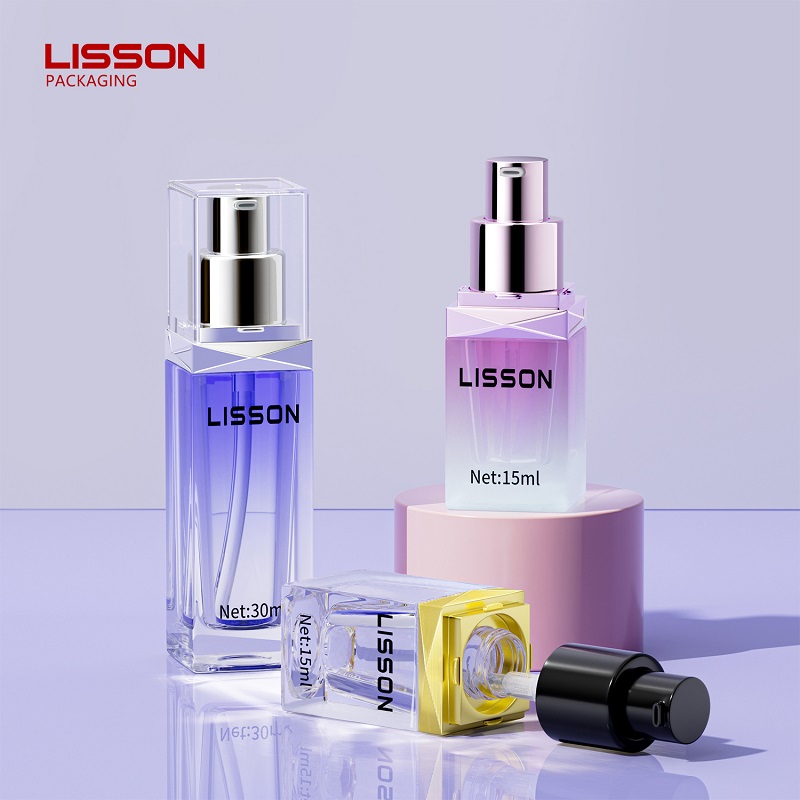
You might not realize how thick your lotion is, but it matters a lot. If your lotion is thick, the pump has to work harder. Thin lotions come out easily, but thick ones can block the pump or make a mess. If brands do not think about formula density, you can get upset. Sometimes you press the pump and nothing comes out, or too much comes out at once. How thick your lotion is changes how the pump works in a glass bottle. If the pump and lotion do not match, you waste lotion and might not trust the brand.
You want using your lotion to be easy every time. Brands should try different pumps with their lotions to find the right one.
Pump output means how much lotion comes out each time you press the pump. You want your Glass Lotion Bottle to give you the right amount every time. If the pump gives too much, you waste lotion. If it gives too little, you get frustrated. The flow rate depends on how thick or thin your lotion is. Thicker lotions move slower and need more force to come out. Thinner lotions move faster and can squirt out quickly.
Viscosity tells you how thick or thin your lotion is. High viscosity means your lotion is thick and moves slowly. Low viscosity means your lotion is runny and moves fast. You need to know the viscosity to pick the right pump for your Glass Lotion Bottle.
Note: Dynamic viscosity measures how much a fluid resists flowing. High viscosity means slow flow. Low viscosity means fast flow.
Many things change viscosity. Look at this table to see what matters:
| Factor | Effect on Viscosity |
|---|---|
| Temperature | Higher temperatures make lotion thinner and easier to pump. |
| Pressure | More pressure makes lotion thicker and harder to pump. |
| Chemical Composition | Bigger or complex molecules make lotion thicker. |
| Impurities | Extra stuff in lotion can make it thicker and harder to pump. |
When you use a Glass Lotion Bottle, the pump and the lotion must work together. If your lotion is thick, the pump may struggle. If your lotion is thin, the pump may give too much. The density of your lotion also matters. It affects how fast the pump can move the lotion and how much comes out each time.
If you match the pump and formula well, you get a better experience every time you use your lotion.
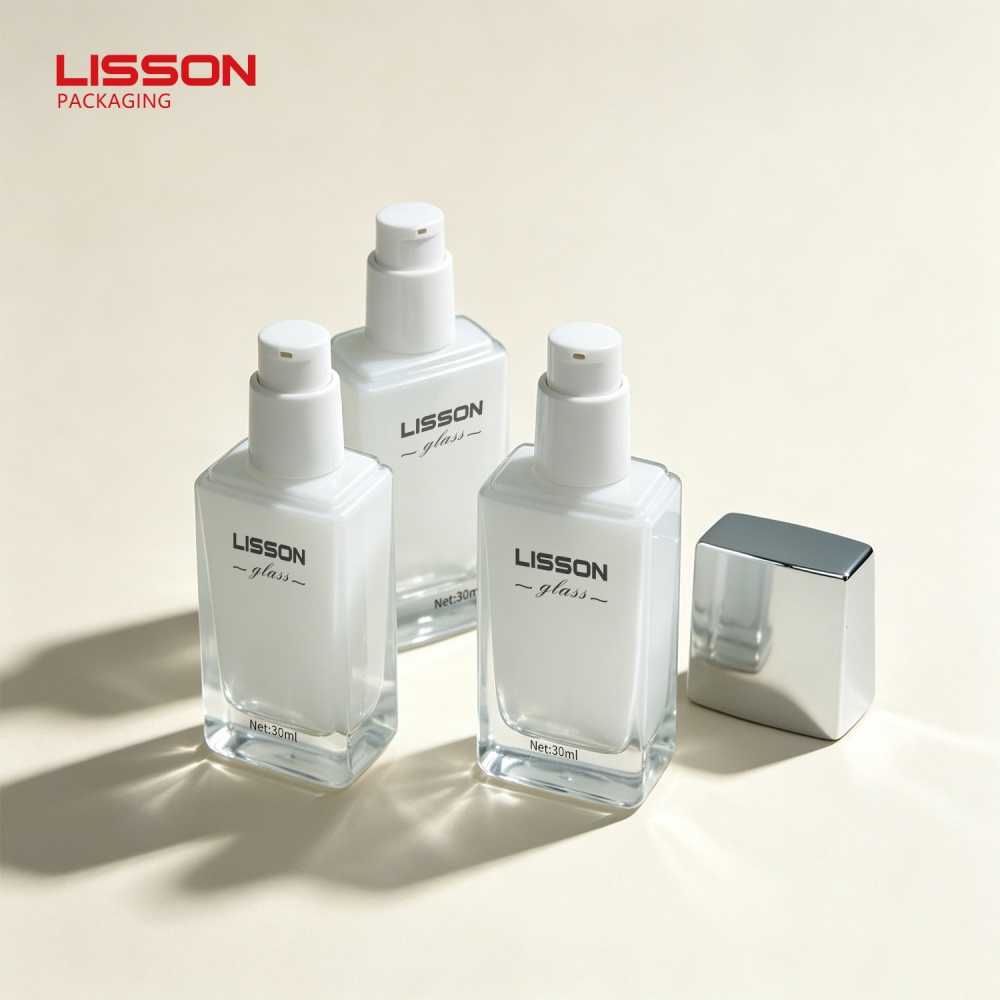
Brands often pick pumps that do not fit their lotion’s thickness. Thick creams need pumps that are strong and give more lotion. If the pump is weak, it cannot push out thick cream well. This makes people upset and gives different amounts each time. Brands sometimes forget this and make it hard for customers to use the product. People may waste lotion or have trouble getting it out. Brands should try different pumps with their lotions to find the best one. When the pump matches the lotion’s thickness, it works smoothly every time.
Some brands care more about how their glass bottles look than how they work. A pretty bottle is not helpful if the pump does not work right. If the pump gives too much or too little lotion, people get annoyed. This can make customers leave bad reviews and not want to buy again. Brands need to make sure it is easy to get the right amount of lotion. Pumps that work the same every time make people happy. Testing with real users helps brands find problems early and make the bottle better.
Another mistake is picking pumps that waste lotion. If the pump gives too much lotion for the formula, people get extra lotion on their hands or in the cap. If the pump gives too little, people press many times and waste time. This makes customers unhappy and the product seem bad. Brands should check how much lotion comes out with each press. Picking the right pump saves lotion, money, and makes customers feel good.
You need to know how thick your lotion is before you pick a pump. Start by measuring the viscosity of your formula. You can use a simple tool called a viscometer. This tool tells you if your lotion is thick like cream or thin like milk. Write down the viscosity number. This number helps you compare different formulas and choose the right pump for each one.
Tip: Always test your formula at the same temperature you expect customers to use it. Lotion can get thinner or thicker if it gets hot or cold.
Once you know your formula’s density, you can look for a pump that fits. Pumps come in different sizes and strengths. Some pumps work better with thick lotions, while others suit thin liquids. Check the pump’s output, which means how much lotion comes out with one press. Try to match the pump output to the thickness of your lotion.
Here is a simple way to match pumps and formulas:
| Lotion Type | Viscosity Level | Best Pump Output (per press) |
|---|---|---|
| Thin (like milk) | Low | 0.5-1.0 ml |
| Medium (like gel) | Medium | 1.0-1.5 ml |
| Thick (like cream) | High | 1.5-2.0 ml |
If you use a Glass Lotion Bottle, make sure the pump fits the bottle neck and can handle the formula’s thickness. A good match gives you the right amount of lotion every time.
You should always test your pump and formula together before selling your product. Fill a few bottles with your lotion and try the pump many times. Watch for clogs, leaks, or uneven flow. Ask people to try the bottle and share their thoughts. Change the pump if you see problems.
Note: Industry standards like ANSI/HI 9.6.7 give helpful rules for testing how pumps work with different liquid thickness. Following these standards helps you make sure your pump and formula work well together.
Work with packaging experts if you can. They know about pumps and bottles and can help you find the best match. Try different pumps and test again until you get smooth and easy use. This process helps you avoid waste and keeps your customers happy.
When you use the right pump with your glass lotion bottle and formula, customers have a better time. They get the same amount of lotion every time, so they do not get annoyed or waste lotion. If the product works well, people trust your brand more. The right pump also keeps the lotion good while people use it. For example, if the lotion comes out smooth and even, people think it is a high-quality product. Happy customers want to buy again and tell their friends about your brand. When you care about how people use your product, you build trust and make them loyal. People notice when a product works well, and this helps your brand look good.
A good pump in a glass lotion bottle changes how people see your brand. If the pump does not clog, leak, or give too much or too little, people write good reviews. These reviews help your brand look better and bring in new buyers. But if the pump does not work or the lotion is hard to get out, people may write bad reviews. This can hurt your brand and make people not want to buy again. Picking the right pump for your lotion shows you care about quality and making customers happy. When your product works well every time, people trust you and come back. They also tell others about their good experience, which helps your brand grow. Using the right pump for your glass lotion bottle keeps your brand strong and trusted.
You can make your product better by asking packaging experts for help. These experts help you pick pumps that fit your formula and match your brand’s look. Working with experts gives you tips about pump design, how strong the pump is, and how easy it is to fix. For example:
Experts help you get pumps that work well with your lotion and make customers happy.
You should test your packaging often and try to make it better. Testing helps you find problems before customers do. When you check your pumps and formulas a lot, your product works well every time. Look at the table below to see how testing helps your brand:
| Benefit | Description |
|---|---|
| Accurate Pressure Profiles | You can use viscosity data to set the right pressure for your pump system. |
| Improved Pump Selection | Testing helps you pick pumps that save energy and work better. |
| Enhanced Blending Operations | Real-time data helps you control how much power your pump uses. |
You also get these good things from testing and improving:
If you follow these best practices, you build trust and keep customers coming back.
You need to match pump output to formula density for every Glass Lotion Bottle. This step helps you give customers a smooth and easy experience. When you test and review your packaging often, you avoid waste and keep your brand strong.
Remember: Smart packaging choices help your product stand out. Take time to check your pumps and formulas. Your customers will notice the difference.
If you use the wrong pump, you may get too much or too little lotion. You might also see clogs or leaks. This can waste product and make you unhappy.
You can use a tool called a viscometer. It tells you if your lotion is thick or thin. You should test your lotion at the same temperature people will use it.
Glass bottles often hold thicker or premium lotions. These formulas need pumps that can handle their density. Special pumps help you get the right amount every time.
WhatsApp : +86 15099958531
Email : lissontube@gzlisson.com
Phone : +0086 15099958531