other
  • What Is the Difference Between a Cosmetic Packaging Manufacturer and a Packaging Supplier?
    What Is the Difference Between a Cosmetic Packaging Manufacturer and a Packaging Supplier? Sep 21, 2026
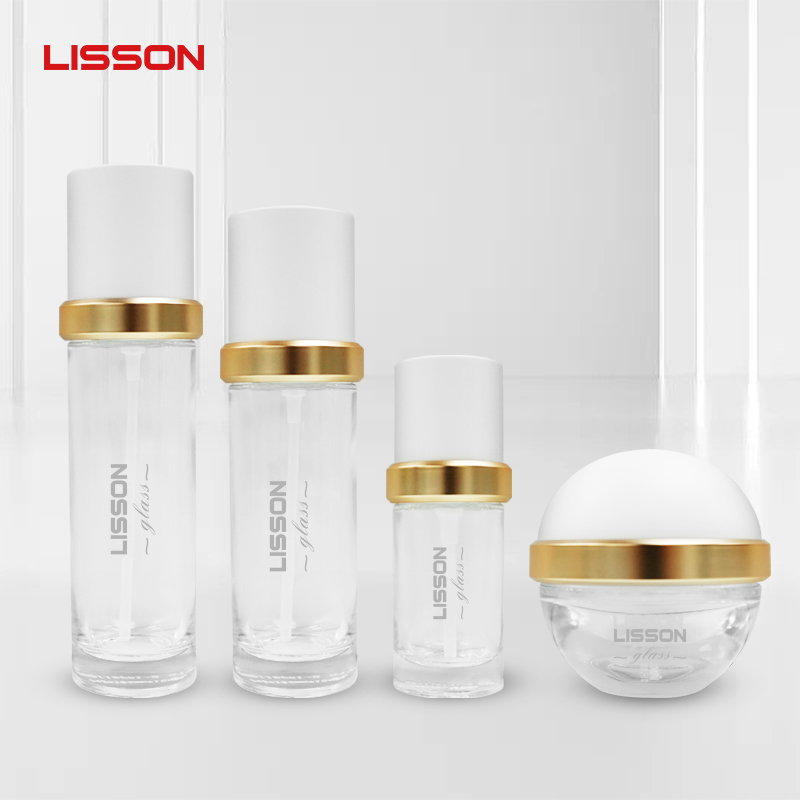
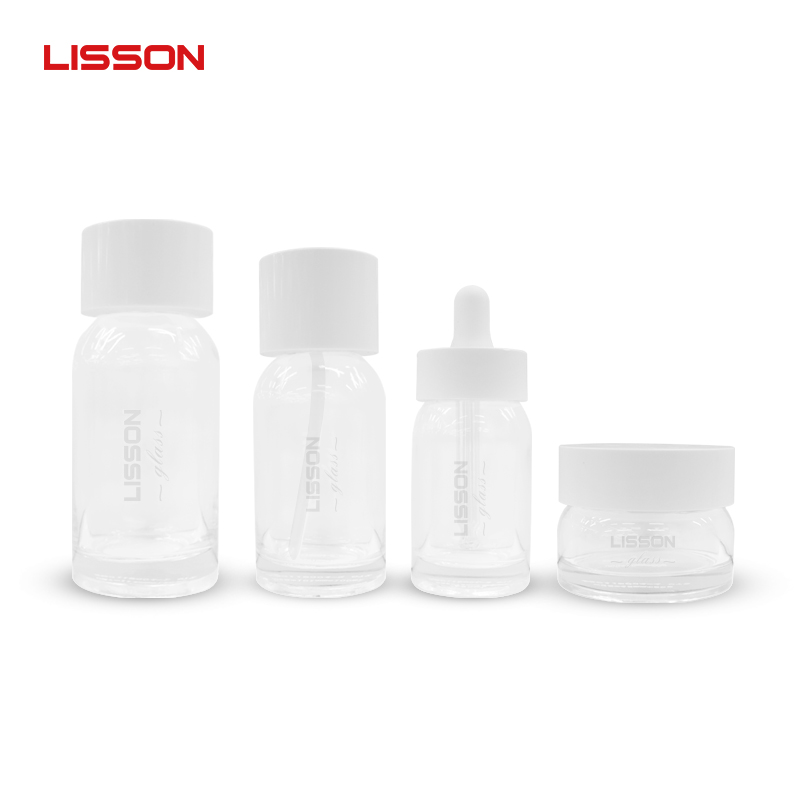
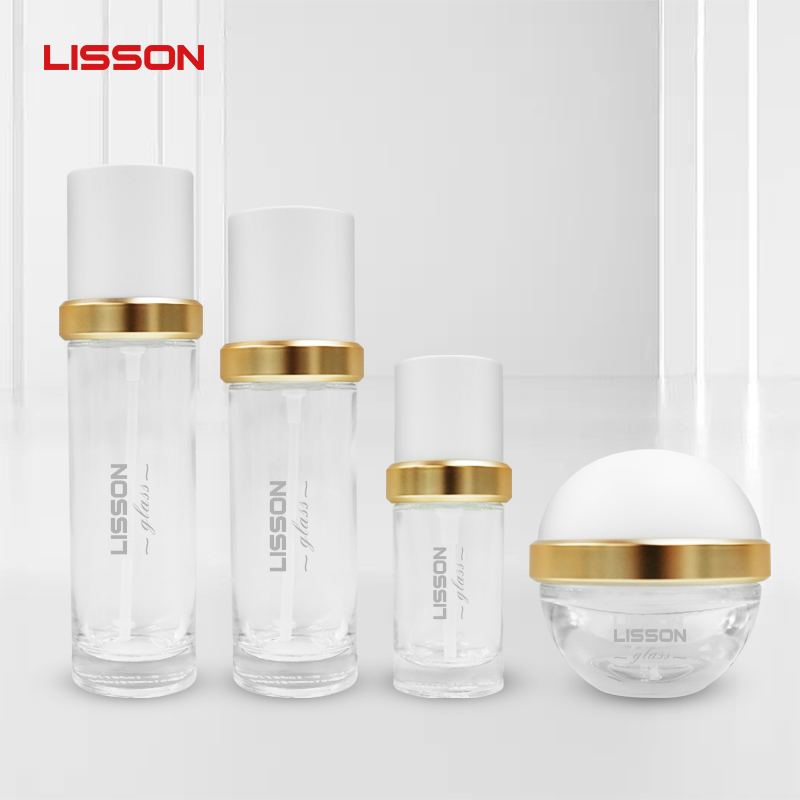
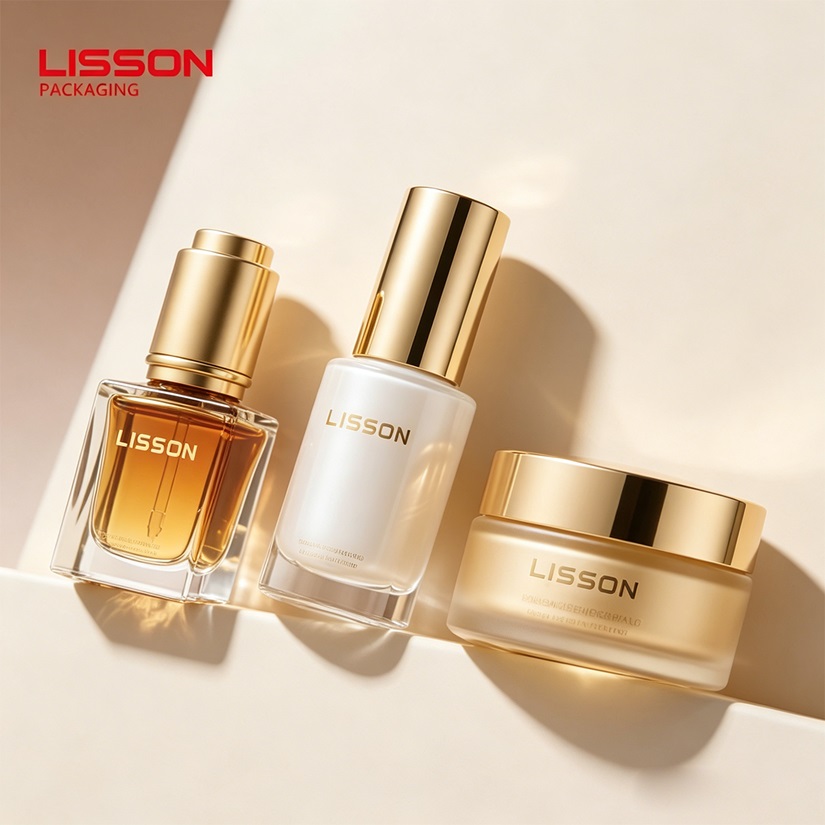
    When sourcing packaging for a skincare, cosmetics, or beauty brand, the terms cosmetic packaging manufacturer and packaging supplier are often used interchangeably. However, they can represent very different business models, especially when a brand needs custom bottle shapes, private molds, decoration, coordinated components, or large-scale production. The simplest difference is this: a cosmetic packaging manufacturer is directly involved in developing and producing packaging, while a packaging supplier may primarily source finished products from manufacturers and supply them to customers. A manufacturer can therefore be more involved in product development, production engineering, quality control, and customization. Quick answer: If you need standard packaging that is already available, a supplier may be sufficient. If you need custom glass bottles, new molds, OEM/ODM development, special finishes, coordinated pumps and caps, or long-term production support, working directly with a manufacturer can provide a more integrated packaging development process. What Is a Cosmetic Packaging Manufacturer? A cosmetic packaging manufacturer is a company that participates directly in the development and production of packaging. Depending on its capabilities, this may include material selection, structural design, mold development, prototyping, glass forming, surface decoration, component assembly, quality inspection, and mass production. For example, LISSON describes its business as covering R&D, production and processing of cosmetic, beauty, and personal packaging. Its website also presents OEM and ODM services, custom bottle development, decoration, and turnkey packaging solutions for beauty brands. For brands looking for a broader development process rather than simply purchasing existing containers, the company's custom glass packaging solutions provide a useful example of how manufacturer-led packaging development can work. What Is a Cosmetic Packaging Supplier? A cosmetic packaging supplier is generally focused on supplying packaging products to brands, distributors, manufacturers, or other buyers. The supplier may keep inventory, coordinate orders, source products from different factories, or provide access to a broad selection of ready-made packaging. A supplier does not necessarily manufacture every product it sells. In many cases, its value comes from product selection, purchasing coordination, logistics, customer service, and access to multiple packaging options. This model can work well when a brand needs standard packaging quickly and does not require significant structural changes. However, the supply chain may involve an additional layer between the buyer and the actual factory. Cosmetic Packaging Manufacturer vs. Supplier: What Is the Difference? The difference becomes clearer when the two models are compared across the areas that matter most during cosmetic packaging development. Factor Manufacturer Supplier Production Directly involved in manufacturing May source products from factories Custom molds Typically able to support mold development Depends on manufacturing partners OEM/ODM Often integrated into the development process May coordinate OEM/ODM through factories Quality control Can control production quality closer to the source Often relies partly on supplier or factory QC Customization Usually broader customization options Usually focused on available products and finishes Best suited for Custom and long-term packaging projects Standard or readily available packaging Why Does the Difference Matter for Cosmetic Brands? Cosmetic packaging is more than a container. The bottle has to work with the formula, dispensing system, filling process, decoration requirements, shipping conditions, and overall brand design. A skincare brand, for example, may need a 30ml serum bottle with a specific neck finish, a custom dropper, a frosted surface, a printed logo, and a particular color. A perfume brand may need a completely different bottle shape, heavy glass base, custom cap, and decorative finish. In these situations, communication with the production side becomes increasingly important. A manufacturer can often discuss design feasibility and production requirements directly, while a supplier may need to confirm those details with another factory. Customization Is One of the Biggest Differences Customization is often the point where the difference between a manufacturer and a supplier becomes most noticeable. Standard packaging can usually be selected from an existing catalog. Custom packaging requires additional decisions such as bottle geometry, capacity, wall thickness, neck dimensions, color, decoration, closures, and sometimes a completely new mold. LISSON's customization service describes a development process that can include concept consultation, bottle selection, 3D and artwork development, mold and sampling, decoration, and production. This type of workflow is particularly relevant for brands developing packaging that needs to be different from standard catalog products. For brands primarily interested in skincare packaging, the glass lotion bottle collection shows how different bottle structures and dispensing formats can be used across cosmetic applications. How Manufacturers Support OEM and ODM Cosmetic Packaging OEM and ODM are frequently discussed when beauty brands work with packaging manufacturers. OEM generally means producing packaging according to a customer's specifications, branding, or design requirements. ODM generally involves using the manufacturer's design and development capabilities as part of the product development process. In practice, a cosmetic packaging project can combine both approaches. A brand may select an existing bottle structure but request its own color, logo, surface treatment, and cap. Another brand may provide a completely new concept that requires structural development and sampling. This is one reason it is useful to ask a packaging company not only whether it can provide a product, but also what parts of the product development process it controls directly. The Role of Glass Bottle Manufacturing in Cosmetic Packaging For glass cosmetic packaging, manufacturing capability can influence the available shapes, thicknesses, finishes, capacities, and decoration methods. LISSON's product range includes skincare bottles, dropper bottles, perfume bottles, cosmetic bottle sets, and other glass packaging formats. Its website also describes integrated capabilities covering glass bottle manufacturing, caps and pumps, and external finishing processes. For concentrated serums, essential oils, and other liquid formulations where controlled dispensing is important, brands can also explore glass dropper bottles designed for precise dosage applications. Quality Control Can Be Easier to Trace With a Manufacturer Quality control is another important consideration when choosing a cosmetic packaging partner. With a manufacturer, the buyer can potentially trace quality requirements closer to the production process. This can be especially useful for projects involving glass wall thickness, dimensional tolerances, pump compatibility, color consistency, printing, frosting, hot stamping, or other surface treatments. This does not mean that every manufacturer automatically provides better quality than every supplier. The practical question is how clearly the company can explain its inspection process, sampling standards, production controls, and corrective procedures when a problem occurs. Which Option Is More Suitable for Different Packaging Projects? There is no single sourcing model for every cosmetic brand. The appropriate choice depends on the stage of the project and the level of customization required. Choose a packaging supplier when: You need standard bottles or jars already available in the market. You are testing a new product with relatively simple packaging requirements. You do not need a new bottle mold. Your main priority is product sourcing and purchasing coordination. Consider working directly with a manufacturer when: You need a custom bottle shape or structure. You need custom molds or prototypes. You require OEM or ODM packaging development. You need coordinated bottles, jars, pumps, caps, and decoration. You expect recurring large-volume production. You want a long-term packaging development partner. Why a Complete Cosmetic Packaging Set Can Be Useful For brands launching several products at the same time, buying individual packaging components from different sources can create inconsistencies in color, proportions, finish, and visual identity. A coordinated bottle-and-jar system can help create a more consistent appearance across serums, lotions, toners, creams, and other skincare products. LISSON offers several coordinated glass packaging collections. One example is its luxury clear glass cosmetic bottle and jar packaging set , which combines different bottle formats and a cream jar within one visual system. What Should You Ask a Cosmetic Packaging Company Before Ordering? Instead of asking only for a product catalog and price, brands can ask a few questions that quickly reveal whether they are dealing with a manufacturer or primarily a sourcing supplier. Do you manufacture the glass bottles directly? Can you develop a new bottle mold? Can you provide OEM and ODM services? Where are sampling and mass production performed? What customization options are available? Can the bottle, pump, cap, and decoration be developed as one packaging system? What quality inspections are performed before shipment? What are the MOQ and lead time for standard and customized products? Can you provide samples before mass production? How is formula and packaging compatibility evaluated? These questions help move the discussion from simply comparing unit prices to understanding the complete packaging development process. How Does LISSON Fit Into the Manufacturer vs. Supplier Difference? LISSON positions itself around custom glass cosmetic packaging manufacturing rather than only supplying ready-made containers. Its website describes capabilities covering product development, OEM/ODM, custom design, glass bottle production, decoration, and packaging solutions. Its skincare packaging range includes coordinated bottles and jars for different formulations and product categories. For brands that need a broader collection rather than a single container, the cosmetic glass bottle set collection is particularly relevant. The company's website also states that it serves beauty brands across North America, Europe, and Asia and provides turnkey glass packaging solutions. For a brand evaluating potential manufacturing partners, these capabilities can be considered alongside MOQ, product requirements, quality standards, sampling, and delivery expectations. Frequently Asked Questions Is a cosmetic packaging manufacturer the same as a packaging supplier? Not necessarily. A manufacturer is directly involved in producing packaging, while a supplier may source packaging from one or more manufacturers. Some companies can operate in both roles. Is a manufacturer always cheaper than a supplier? Not always. Pricing depends on material, design, order volume, mold costs, decoration, components, logistics, and other project requirements. A supplier may also be competitive for standard products. Can a cosmetic packaging manufacturer create custom bottle molds? Many manufacturers can support custom mold development, but capabilities vary by company. Brands should confirm whether mold design, prototyping, sampling, and mass production are handled within the company's own production system or through external partners. What is better for a private label skincare brand? It depends on the project. Standard private label products may work well with ready-made packaging, while brands developing a distinctive visual identity may benefit from a manufacturer that can support custom shapes, finishes, closures, and coordinated packaging. Can one company provide bottles, jars, pumps, and caps? Some cosmetic packaging manufacturers provide integrated packaging solutions that combine containers with dispensing and closure components. Buyers should confirm exactly which components are manufactured in-house and which are sourced from partners. What is the main difference between OEM and ODM cosmetic packaging? OEM generally means producing packaging according to the customer's specifications, while ODM generally involves greater participation from the manufacturer in design and development. A project can use elements of both approaches. Why should brands test cosmetic packaging before mass production? Packaging needs to work with the formula, closure, dispensing system, filling process, and intended shipping conditions. Sample testing can help identify compatibility, sealing, dimensional, or functional issues before a large production run. Final Takeaway The difference between a cosmetic packaging manufacturer and a packaging supplier mainly comes down to how directly the company participates in packaging development and production. A supplier can be a practical option for standard, readily available packaging. A manufacturer becomes particularly relevant when a project involves custom bottle designs, mold development, OEM/ODM services, decoration, component matching, quality control, and long-term production. For beauty brands evaluating packaging partners, the most useful question is therefore not simply "Are you a manufacturer or supplier?" A better question is: Which parts of my cosmetic packaging project can you design, manufacture, customize, test, and control directly? That answer can provide a much clearer picture of whether the company is equipped to support a simple packaging purchase or a complete custom cosmetic packaging project.
  • How Much Customization Is Possible for Glass Cosmetic Bottles?
    How Much Customization Is Possible for Glass Cosmetic Bottles? Sep 21, 2026
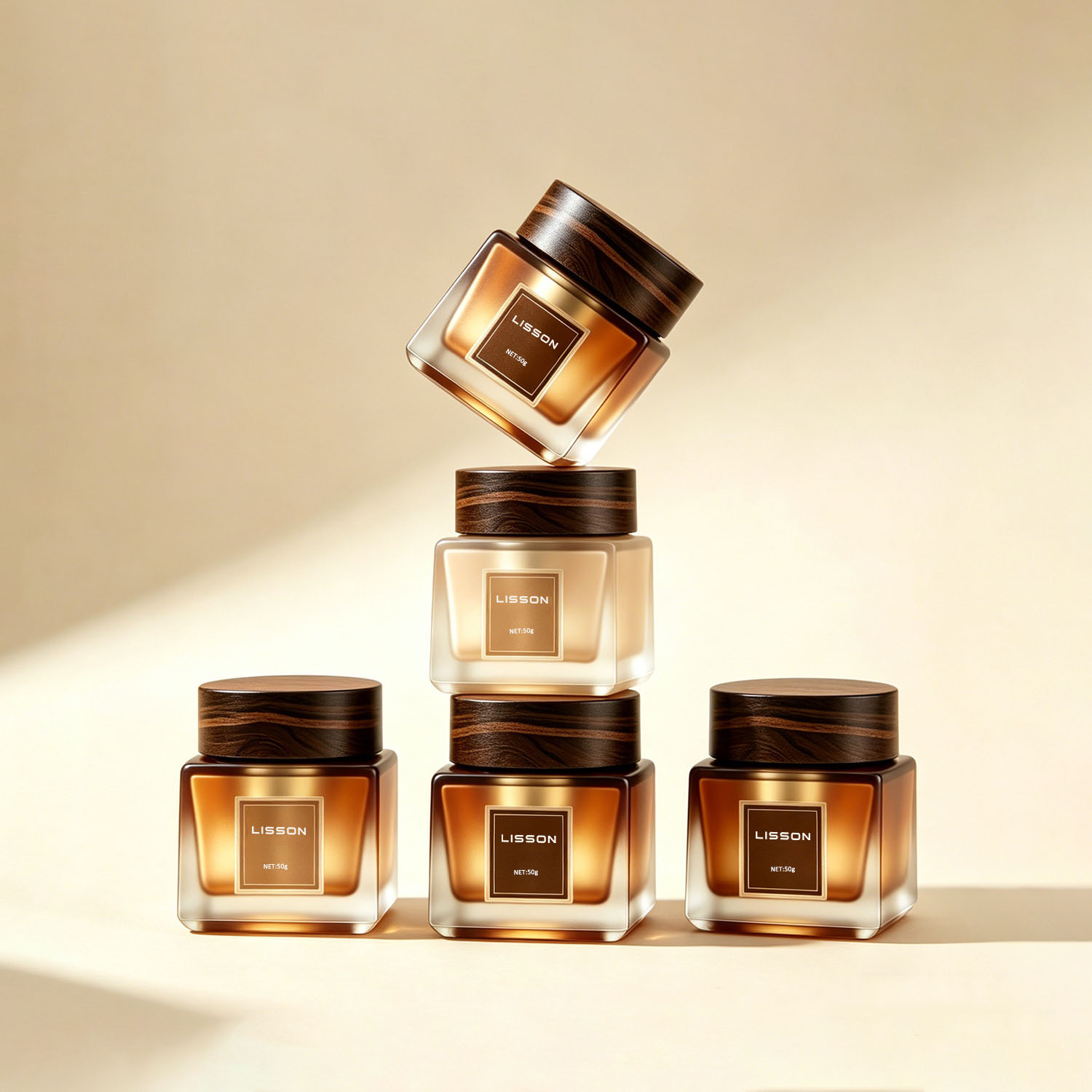
      Yes. Glass cosmetic bottles can be customized far beyond simply adding a logo. Depending on the project, brands can customize the bottle shape, capacity, glass color, wall thickness, weight, surface finish, decoration, closure, pump or dropper, and even develop a completely new bottle mold. For cosmetic brands, the practical question is not whether customization is possible, but which parts of the packaging should be customized to support the product, brand identity, production requirements, and target market. LISSON provides custom glass cosmetic packaging solutions covering design development, prototyping, mold development, decoration, closures, and mass production. Quick answer: A glass cosmetic bottle can typically be customized in five major areas: structure, appearance, branding, dispensing components, and packaging configuration. The level of customization can range from decorating an existing bottle to developing a completely new bottle shape and mold. What Can Be Customized on a Glass Cosmetic Bottle? A custom glass cosmetic bottle is not limited to a custom logo. For a new skincare, serum, lotion, foundation, or beauty product, several packaging elements can be developed together. Customization Area Typical Options Bottle Structure Shape, capacity, dimensions, wall thickness, weight and base design Glass Appearance Clear, colored, frosted, coated and gradient finishes Branding Silk-screen printing, hot stamping, labeling, logos and artwork Closures Metal caps, bamboo caps, PCR caps, decorative caps and custom collars Dispensing Lotion pumps, treatment pumps, droppers, spray pumps and applicators Mold Development Existing mold adaptation or completely new custom bottle molds 1. Bottle Shape and Dimensions Can Be Customized The bottle shape is one of the most visible parts of cosmetic packaging. Brands can start with a standard cylindrical, square, rectangular, oval, tapered, or other existing shape. For a more distinctive package, a custom mold can be developed around a specific design concept. This is particularly useful when a cosmetic brand wants its packaging to be recognizable from a distance. A distinctive shoulder, base, silhouette, or cap-to-bottle proportion can become part of the product identity. For brands looking for ready-to-adapt skincare packaging, LISSON's glass skincare bottle collection includes multiple bottle formats that can be used as a starting point for customized cosmetic packaging. 2. Capacity, Glass Thickness, and Weight Can Be Adjusted Customization also involves the physical specifications of the bottle. Depending on the product, a brand may need a compact 15ml or 30ml format for a serum or eye treatment, while a lotion or skincare product may require a larger 100ml or 120ml bottle. Glass thickness and bottle weight also influence the overall hand feel. A heavier base can create a more substantial premium impression, while a lighter structure may be more suitable when transportation weight and packaging efficiency are important. The right specification should therefore be determined together with the formula, filling process, dispensing system, expected usage, and target market rather than based only on appearance. 3. Glass Color and Surface Finish Offer Many Branding Options A clear glass bottle is only one option. Cosmetic packaging can use frosting, color coating, gradient effects, matte finishes, glossy finishes, or other surface treatments to create a specific visual direction. For brands with strict visual guidelines, Pantone color matching can also be used for customized packaging. This makes it possible to coordinate the bottle, cap, pump, and other components with an established brand color system. For example, LISSON's luxury clear glass cosmetic bottle and jar packaging set supports customized colors, logo branding, spraying, electroplating, frosting, and other decoration options. 4. Logos and Decorative Details Can Be Customized Branding is another important customization layer. Depending on the desired appearance and production requirements, cosmetic glass packaging can use silk-screen printing, hot stamping, labeling, UV decoration, electroplating, or other finishing techniques. For premium products, the logo does not always need to be large. A small, carefully positioned logo combined with a distinctive bottle shape, metallic decoration, or frosted finish can create a more understated packaging style. The key is to select the decoration method according to the bottle surface, artwork, desired durability, production volume, and visual effect. 5. Caps, Pumps, and Droppers Can Be Customized Too The dispensing system is part of the packaging experience. A serum may require a dropper, a lotion may use a pump, and a fragrance product may need a spray atomizer. The cap and collar can also be selected or customized to create a consistent appearance. This means a brand does not necessarily need to design the glass bottle separately from the closure. Bottle neck dimensions, pump compatibility, cap design, and dispensing performance should be considered together. For serum, facial oil, and other precision-dosing products, LISSON's glass dropper bottle range provides several formats that can be customized for different cosmetic applications. 6. A Completely New Custom Mold Is Also Possible If an existing bottle does not match the brand concept, a completely new mold can be developed. This provides significantly more freedom over the bottle's silhouette, proportions, shoulders, base, and other structural details. However, a new mold is more involved than simply decorating an existing bottle. Mold complexity, bottle geometry, production requirements, sampling, and expected order volume all need to be considered before development begins. LISSON describes its custom packaging process as a sequence that includes concept consultation, bottle selection, 3D and artwork development, mold and sampling, decoration, and finally production and delivery. This type of process allows brands to validate the design before moving into larger-scale production. For brands considering a new bottle design, the custom glass bottle development service can be used to discuss the design, mold, decoration, and manufacturing requirements together. Is It Better to Customize an Existing Bottle or Create a New Mold? There is no single answer for every cosmetic brand. The choice usually depends on how distinctive the packaging needs to be, the available development budget, the expected order volume, and the launch timeline. Approach Suitable When Customization Level Existing Bottle + Decoration Fast launch or lower development complexity Moderate Existing Bottle + Custom Cap/Pump Brands wanting a more distinctive packaging system Moderate to High Custom Glass Mold Unique brand identity or signature packaging High Complete Turnkey Packaging Brands developing a coordinated bottle, closure and decoration system Very High What Should You Prepare Before Requesting Custom Glass Cosmetic Bottles? A clear project brief can make the quotation and development process much more efficient. Before contacting a manufacturer, it is useful to prepare the following information: Product type, such as serum, lotion, cream, foundation, oil, or fragrance Target bottle capacity Preferred bottle shape or reference images Desired glass color or finish Logo and artwork requirements Preferred pump, dropper, sprayer, or cap Expected order quantity Target market and product positioning Required packaging or assembly configuration Expected development and delivery timeline If you already have a sketch, reference bottle, CAD drawing, product sample, or brand guideline, sharing those materials can help the manufacturer understand the project more accurately. How Much Customization Is Practical for Different Cosmetic Products? The appropriate customization level often depends on the type of cosmetic product. Product Common Packaging Priorities Facial Serum Dropper, precise dosing, compact size, premium glass and branding Lotion Pump compatibility, larger capacity, comfortable handling and decoration Face Cream Glass jar shape, cap design, surface finish and coordinated packaging Foundation Pump or dispenser, compact dimensions, branding and color coordination Fragrance Bottle silhouette, glass weight, cap, atomizer, decoration and visual identity For brands developing multiple products at once, a coordinated packaging family can also be created. LISSON offers cosmetic glass bottle sets that combine bottles and jars into a more consistent packaging system. What Is the Difference Between Customization and OEM/ODM Packaging? These terms are related but are not exactly the same. Customization generally means modifying packaging elements such as shape, color, decoration, capacity, closures, or dispensing components. OEM packaging can involve producing packaging according to a brand's specifications, while ODM support may involve adapting an existing design or developing packaging based on the manufacturer's capabilities. For a brand that already has a bottle drawing, the manufacturer may focus on engineering, mold development, sampling, production, and decoration. For a brand that only has a product concept, the manufacturer may become more involved in packaging development and component selection. How Does Customization Affect Cost and Lead Time? The cost and development time depend heavily on the level of customization. Adding a logo to an existing bottle is generally a different project from creating a completely new bottle mold with a custom closure and multiple surface treatments. Factors that can influence the project include mold complexity, bottle geometry, glass specifications, decoration methods, closure requirements, order quantity, sampling requirements, and packaging configuration. For this reason, a manufacturer should evaluate the complete packaging specification rather than provide a meaningful cost estimate based only on the bottle's appearance. Frequently Asked Questions About Custom Glass Cosmetic Bottles Can glass cosmetic bottles be made in a completely custom shape? Yes. A new glass bottle mold can be developed when an existing bottle does not meet the brand's design requirements. The final feasibility depends on the proposed geometry, manufacturing requirements, and project specifications. Can I customize the color of a glass cosmetic bottle? Yes. Depending on the packaging design, customization can include glass color, coating, frosting, gradient effects, matte or glossy finishes, and Pantone color matching. Can the cap and pump be customized together with the glass bottle? Yes. Cosmetic packaging projects can include customized caps, collars, lotion pumps, treatment pumps, droppers, spray pumps, and other dispensing components. Compatibility between the bottle neck and closure should be confirmed during development. Can I add my logo to a custom glass cosmetic bottle? Yes. Common branding options include silk-screen printing, hot stamping, labeling, UV decoration, electroplating, and other finishing methods depending on the design. Is a new mold always necessary for custom glass bottles? No. A brand can often start with an existing bottle and customize its color, finish, logo, cap, pump, or other components. A new mold becomes relevant when the desired bottle structure cannot be achieved with an existing design. What information should I provide when requesting a custom glass bottle quotation? Provide the product type, target capacity, bottle shape, reference images or drawings, glass color, surface finish, logo requirements, dispensing system, expected quantity, and target delivery timeline. More complete specifications generally make the quotation process more efficient. Final Takeaway Glass cosmetic bottle customization can range from simple logo decoration to a completely new packaging system. Brands can customize the bottle shape, size, weight, glass appearance, surface treatment, branding, cap, pump, dropper, and other components. For highly distinctive packaging, a new custom mold can also be developed. The most practical approach is to decide which elements genuinely need customization before production begins. If the goal is a faster launch, an existing bottle with customized decoration may be enough. If the packaging itself needs to become part of the brand identity, a custom bottle mold and coordinated closure system may provide more design freedom. For cosmetic brands developing a new packaging project, LISSON provides integrated support covering bottle development, customization, decoration, closures, sampling, and manufacturing. This allows the packaging specification to be considered as one complete system rather than as separate components. { "@context": "https://schema.org", "@type": "FAQPage", "mainEntity": [ { "@type": "Question", "name": "Can glass cosmetic bottles be made in a completely custom shape?", "acceptedAnswer": { "@type": "Answer", "text": "Yes. A new glass bottle mold can be developed when an existing bottle does not meet the brand's design requirements. The final feasibility depends on the proposed geometry, manufacturing requirements, and project specifications." } }, { "@type": "Question", "name": "Can I customize the color of a glass cosmetic bottle?", "acceptedAnswer": { "@type": "Answer", "text": "Yes. Depending on the packaging design, customization can include glass color, coating, frosting, gradient effects, matte or glossy finishes, and Pantone color matching." } }, { "@type": "Question", "name": "Can the cap and pump be customized together with the glass bottle?", "acceptedAnswer": { "@type": "Answer", "text": "Yes. Cosmetic packaging projects can include customized caps, collars, lotion pumps, treatment pumps, droppers, spray pumps, and other dispensing components. Compatibility between the bottle neck and closure should be confirmed during development." } }, { "@type": "Question", "name": "Can I add my logo to a custom glass cosmetic bottle?", "acceptedAnswer": { "@type": "Answer", "text": "Yes. Common branding options include silk-screen printing, hot stamping, labeling, UV decoration, electroplating, and other finishing methods depending on the design." } }, { "@type": "Question", "name": "Is a new mold always necessary for custom glass bottles?", "acceptedAnswer": { "@type": "Answer", "text": "No. A brand can often start with an existing bottle and customize its color, finish, logo, cap, pump, or other components. A new mold becomes relevant when the desired bottle structure cannot be achieved with an existing design." } }, { "@type": "Question", "name": "What information should I provide when requesting a custom glass bottle quotation?", "acceptedAnswer": { "@type": "Answer", "text": "Provide the product type, target capacity, bottle shape, reference images or drawings, glass color, surface finish, logo requirements, dispensing system, expected quantity, and target delivery timeline." } } ] }
  • Can a Cosmetic Packaging Manufacturer Develop Custom Bottle Molds?
    Can a Cosmetic Packaging Manufacturer Develop Custom Bottle Molds? Sep 21, 2026
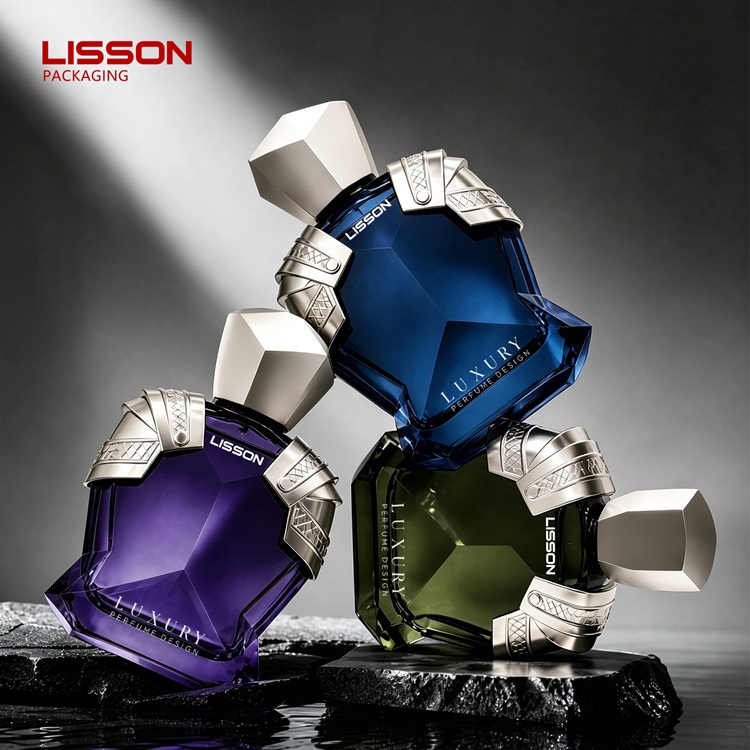
    Yes. A cosmetic packaging manufacturer can develop custom bottle molds. For beauty brands that need a bottle shape that is not available from standard packaging catalogs, a manufacturer with mold development and glass production capabilities can turn a custom concept into a production-ready bottle. For glass cosmetic packaging, custom mold development usually involves several stages: defining the bottle structure, preparing drawings or 3D artwork, creating a prototype, manufacturing the production mold, testing samples, and then moving into mass production. LISSON provides this type of one-stop customization service, covering design, 3D prototyping, mold development, sampling, decoration, production, and delivery. If your project requires a distinctive bottle silhouette, unusual proportions, custom capacity, or a packaging shape designed specifically around your brand identity, LISSON's custom glass packaging service can be used as a starting point for discussing the project requirements. What Does a Custom Bottle Mold Mean? A custom bottle mold is a production mold developed around a specific bottle design instead of using an existing standard mold. The mold determines the basic external shape and dimensions of the glass container during manufacturing. For cosmetic packaging, this can be important when the bottle itself is part of the brand experience. A standard bottle can be practical, but a custom shape can give a skincare, fragrance, foundation, or beauty product a more recognizable appearance. Custom molding can involve details such as the overall silhouette, bottle height, width, shoulder shape, base structure, capacity, wall thickness, and other dimensional requirements. The neck and closure system also need to be considered because the bottle must work correctly with the selected pump, dropper, sprayer, or cap. This is why custom bottle development is more than simply sending a manufacturer a picture and asking them to copy it. The design needs to be translated into a manufacturable structure that can consistently produce glass bottles at commercial scale. Can a Cosmetic Packaging Manufacturer Make a Completely New Bottle Shape? Yes, provided the manufacturer has the necessary design, mold-making, sampling, and production capabilities. A manufacturer experienced in custom glass packaging can evaluate a proposed bottle shape and determine how it can be converted into a production design. LISSON's customization process specifically includes bottle shape selection, 3D and artwork development, precision mold manufacturing, physical sample validation, and mass production. This is particularly useful for brands that already have a packaging concept. For example, a perfume company may have a geometric bottle sketch, while a skincare brand may want a custom serum bottle with a particular shoulder profile or base shape. The key question is not simply whether the shape looks attractive. The manufacturer also needs to determine whether the design can be produced consistently, filled efficiently, closed securely, decorated correctly, and transported without creating unnecessary production or packaging problems. Quick answer: If you have a unique bottle concept, a qualified cosmetic glass packaging manufacturer can normally help develop the design into a custom mold, create samples, make engineering adjustments, and then move the approved design into mass production. Which Parts of a Cosmetic Bottle Can Be Customized? Custom bottle development can cover more than the basic silhouette. Depending on the packaging project, brands may customize several elements at the same time. Bottle shape: The overall silhouette can be developed around a brand's visual concept. Square, rectangular, rounded, tapered, faceted, sculptural, and other shapes can be considered depending on manufacturing requirements. Capacity: Bottle dimensions can be developed for different product volumes. Common cosmetic applications include serum, lotion, foundation, essence, oil, and fragrance packaging. Shoulder and base: These areas can have a significant effect on how a bottle looks and feels in the hand. Heavy bases, geometric shoulders, curved transitions, and other structural details may be incorporated into a custom design. Glass thickness and weight: Premium cosmetic packaging often uses thicker glass or a heavier base to create a particular hand-feel. The final specification needs to balance appearance, durability, filling requirements, and shipping considerations. Neck and closure compatibility: The bottle needs to match its dispensing system. LISSON lists lotion pumps, droppers, spray pumps, magnetic caps, and other closure and accessory options as part of its customization capabilities. For brands that are still comparing formats, the skincare glass bottle collection provides examples of bottle and jar formats used for lotions, serums, creams, and other beauty products. How Does Custom Bottle Mold Development Work? A practical custom bottle project normally follows a step-by-step development process. The exact workflow can vary depending on the complexity of the design, but the main stages are relatively straightforward. Start with the packaging concept. The brand provides the desired shape, approximate dimensions, capacity, product application, reference images, sketches, CAD drawings, or other available information. The more complete the information, the easier it is for the manufacturer to evaluate the project. Develop the 3D design. The concept is converted into a digital model that can be reviewed before physical tooling begins. This stage is useful for identifying dimensional issues and confirming the overall appearance. Create the prototype. A prototype or mockup gives the brand an opportunity to review the physical proportions and appearance before committing to the final production mold. Manufacture the mold. Once the design has been confirmed, the production mold can be developed according to the approved specifications. Test and approve samples. The first glass samples should be checked for dimensions, appearance, weight, neck compatibility, surface quality, and other project-specific requirements. Move into production. After the sample is approved, the manufacturer can proceed with the production stage, followed by decoration, assembly, quality inspection, and packaging where required. LISSON currently describes its custom packaging workflow as a six-step process covering concept consultation, bottle selection, 3D and artwork, mold and sampling, decoration, and production and delivery. Its website also states that 3D digital effects can be provided within 24–48 hours, physical 3D mockups take about 3–5 days, and steel mold sampling typically takes 15–20 days. These are manufacturer-stated timeframes and should be confirmed for each individual project. When Does a Brand Actually Need a New Bottle Mold? Not every cosmetic packaging project needs a completely new mold. If an existing bottle already meets the required shape and dimensions, using an existing mold with customized decoration can reduce development work and tooling requirements. A new mold becomes more relevant when the bottle's physical shape itself is part of the product concept. Typical situations include a fragrance brand developing a signature bottle, a skincare company creating a recognizable serum silhouette, a beauty brand requiring a specific capacity that does not match standard bottles, or a company developing a coordinated packaging collection with matching bottles and jars. For example, LISSON's custom perfume bottle range includes geometric, faceted, ribbed, gradient, sculptural, and other design directions. These examples show how the physical shape of a glass bottle can become part of a fragrance brand's visual identity. Custom Mold or Existing Mold: Which Approach Should a Brand Consider? The decision depends mainly on the packaging objective, development budget, expected order volume, and how important the bottle's unique shape is to the brand. An existing mold can make sense when the brand wants to move faster and is comfortable with an available bottle structure. Decoration, color, frosting, printing, hot stamping, or other finishing processes can still create a customized appearance. A custom mold makes more sense when the bottle itself needs to be different. The additional development work can create a packaging shape that is more closely connected to the brand's identity. For a new product launch, it is useful to compare both options before making a decision. Ask the manufacturer whether an existing mold can achieve most of the desired result. If it cannot, request a custom mold proposal based on the target shape, capacity, quantity, and packaging application. What Should You Send to a Manufacturer for a Custom Bottle Project? A manufacturer can evaluate a project much more accurately when the initial brief contains clear technical and commercial information. At a minimum, consider providing the following: Product type, such as perfume, serum, lotion, foundation, or essential oil Target bottle capacity Preferred bottle dimensions Sketches, reference photos, CAD drawings, or 3D files Desired glass color and surface finish Pump, dropper, sprayer, or cap requirements Estimated order quantity Target market and packaging requirements Required decoration, logo, or branding elements For serum and treatment products that require controlled dispensing, brands can also review the glass dropper bottle collection to compare different existing structures before deciding whether a completely new mold is necessary. How Much Does Custom Bottle Mold Development Cost? There is no single price for a custom bottle mold because tooling cost depends on the complexity of the design, bottle size, mold structure, prototype requirements, production volume, and other technical factors. A simple bottle shape may require less development work than a highly detailed sculptural design with complex geometry. Similarly, a project intended for long-term mass production may be approached differently from a small initial launch. The most useful way to request a quote is to provide the manufacturer with the bottle concept, target capacity, estimated quantity, material, closure requirements, and decoration expectations. The manufacturer can then determine whether an existing mold, modified tooling, or a completely new mold is appropriate. For brands comparing different packaging options, it is also useful to ask for tooling costs separately from the bottle unit price. This makes the total development investment easier to understand. Can Custom Bottle Molds Be Used for Complete Cosmetic Packaging Sets? Yes. A brand does not necessarily have to develop only one bottle. Custom mold development can also be part of a broader packaging system. For example, a skincare line may include an essence bottle, serum bottle, lotion bottle, and cream jar. Developing these products around a consistent visual language can make the collection look more unified on retail shelves. LISSON offers cosmetic glass bottle sets designed around coordinated skincare and beauty packaging. This type of solution can be useful when a brand wants several products to share similar proportions, finishes, caps, or decorative details. What Quality Checks Should Be Completed Before Mass Production? The appearance of the first sample is only one part of the approval process. A custom bottle also needs to work with the rest of the packaging system. Important checks can include dimensional accuracy, glass wall consistency, bottle weight, neck and closure compatibility, leakage performance, surface quality, decoration quality, and compatibility with the filling process. For cosmetic products, formula compatibility can also be relevant, particularly when the bottle has coatings, decorative finishes, or specialized dispensing components. LISSON states that its customization service includes formula compatibility testing, vacuum leakage testing, thermal shock resistance testing, and threading and tolerance checks before shipment. These checks help connect bottle design with actual packaging performance rather than evaluating appearance alone. FAQ About Custom Cosmetic Bottle Molds Can a cosmetic packaging manufacturer make a completely custom bottle?Yes. A manufacturer with custom mold development capabilities can develop a new bottle design from a sketch, drawing, reference image, or 3D concept and convert it into a production-ready mold. Do custom glass bottles require a new mold?Not always. If an existing bottle mold already matches the required shape and dimensions, the brand may only need customized decoration or finishing. A new mold is generally considered when the physical bottle shape needs to be different. How long does custom bottle mold development take?The timeline depends on the design and approval process. LISSON currently states that 3D digital effects can take 24–48 hours, physical 3D mockups about 3–5 days, and steel mold sampling approximately 15–20 days. Actual project timing should be confirmed with the manufacturer. Can the bottle shape, color, and logo all be customized?Yes. Custom projects can combine bottle shape development with glass color, surface finishes, logo printing, hot stamping, frosting, UV coating, electroplating, and other decorative options. Can custom bottles be developed for perfume?Yes. Perfume packaging is one of the common applications for custom glass bottle development because the bottle silhouette, weight, finish, cap, and dispensing system can all contribute to the overall packaging design. Can skincare brands use custom molds for serum and lotion bottles?Yes. Custom molds can be developed for skincare bottles, including packaging for serums, lotions, essences, foundations, and other liquid or emulsion-based cosmetic products. The dispensing system and formula compatibility should be considered during development. Is a custom mold necessary for every new cosmetic product?No. If an existing bottle provides the required capacity, shape, dispensing system, and appearance, using an existing mold can be a practical option. A custom mold is most relevant when the physical packaging needs to be unique. Final Takeaway A cosmetic packaging manufacturer can develop custom bottle molds, but the manufacturer needs more than basic glass production capability. Successful custom bottle development requires design support, 3D modeling or prototyping, mold development, sample testing, glass manufacturing, and quality control. For beauty brands, the best starting point is to define the product application, bottle capacity, desired shape, dispensing system, estimated quantity, and visual direction. From there, a packaging manufacturer can determine whether an existing mold is sufficient or whether a completely new custom mold should be developed. LISSON supports custom glass packaging projects from concept and 3D prototyping through mold development, sampling, decoration, and production. For brands developing distinctive perfume, skincare, serum, or complete cosmetic packaging, this integrated approach can simplify the process of moving from an initial packaging idea to a production-ready bottle. If you already have a bottle sketch, reference image, CAD drawing, or packaging concept, you can send the design and project requirements to LISSON for a custom mold evaluation.
  • How Are Custom Glass Perfume Bottles Made?
    How Are Custom Glass Perfume Bottles Made? Sep 21, 2026
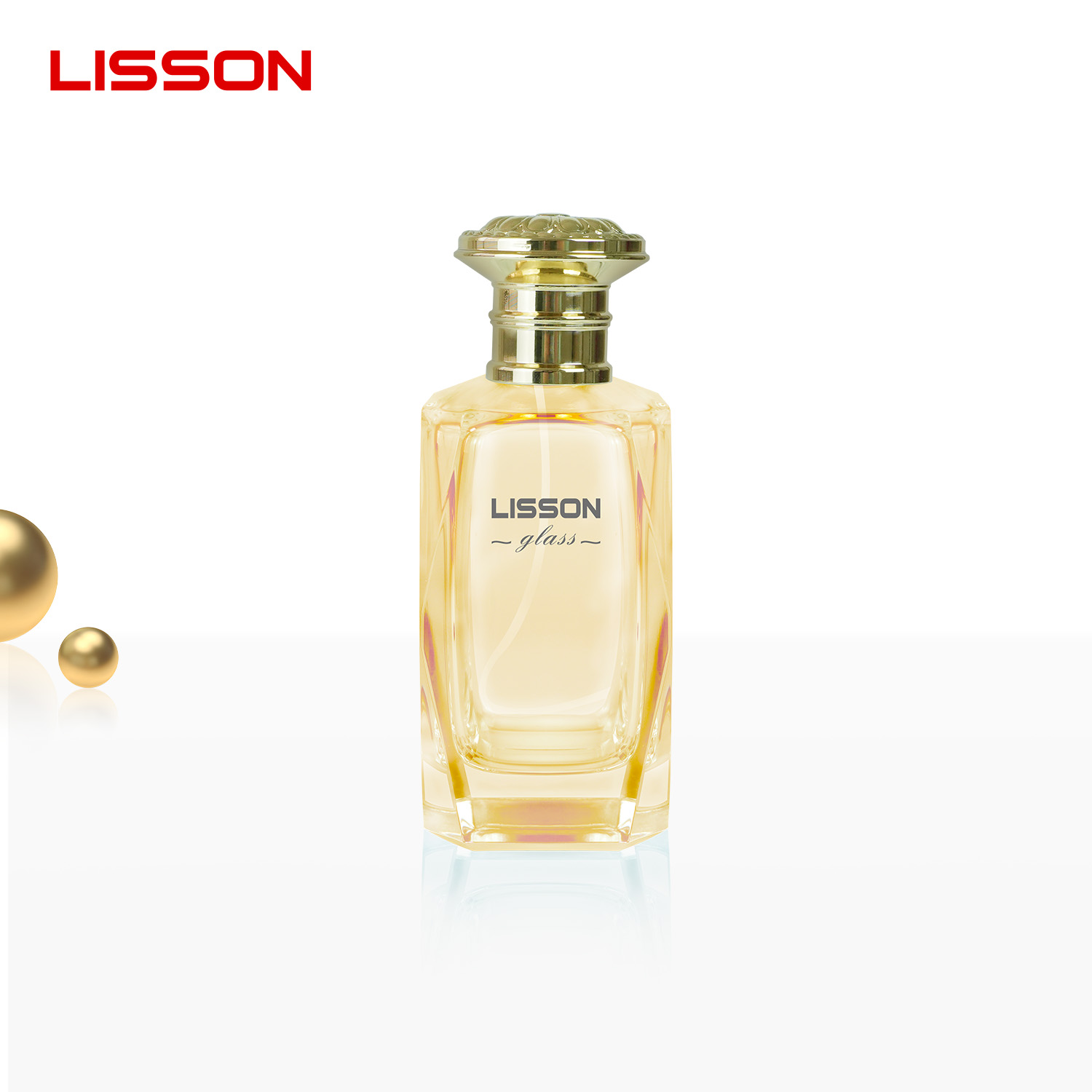
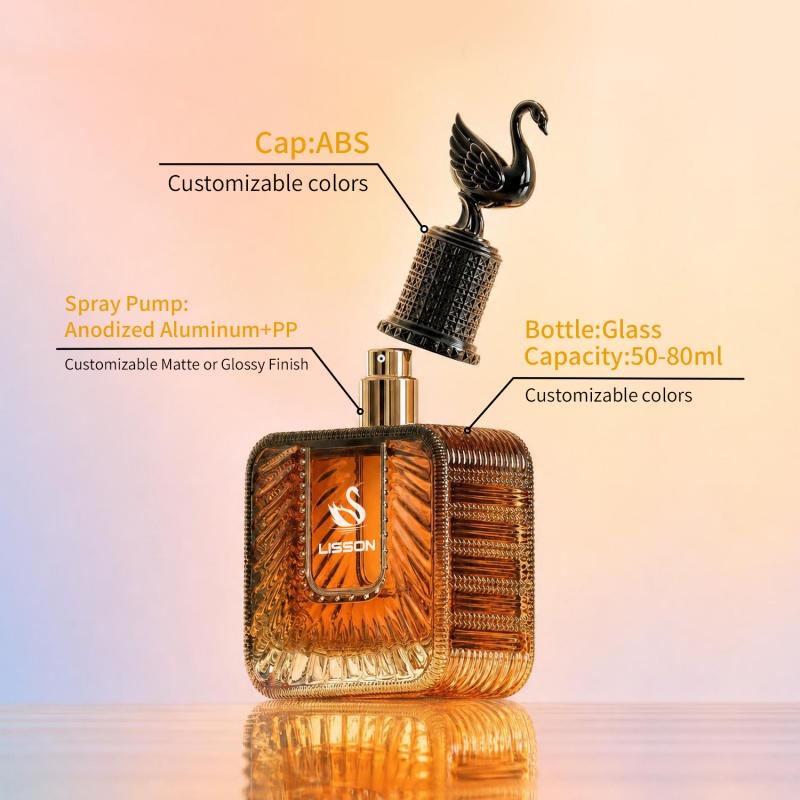
    Custom glass perfume bottles are made through a multi-step manufacturing process. This process includes design, mold making, melting, forming, annealing, finishing, decoration, and assembly. Each stage blends art and science. Manufacturers like Lisson turn custom designs into striking, brand-elevating bottles. These perfume bottles reflect both technical precision and creative vision. Lisson, a glass perfume bottle manufacturer, guides brands from concept to finished product. This journey from design to assembly requires careful control at every step. The final products stand as luxury glass perfume bottles. Skilled workers shape molten material into precise, elegant forms with great care. Every detail matters in this craft.   Key Takeaways Design starts with a CAD file. This file guides mold creation. Glass forms by hand blowing or machine pressing. Each method suits different volumes. Annealing cools glass slowly. This process removes stress and strengthens bottles. Finishing adds color, logos, and texture. Silkscreen printing and hot stamping are common. Assembly fits sprayers and caps. Quality checks ensure leak-free performance.   Design and Mold Making for Custom Glass Perfume Bottles Creating Designs with CAD Brands can design custom glass perfume bottles from scratch to reflect their unique identity. The process begins with a concept sketch or a detailed drawing. Designers then translate that vision into a precise CAD file. This digital model captures every curve, thickness, and dimension of the bottle. Lisson offers end-to-end design services. A basic customer drawing can become a glass sample in as little as 4 weeks. This rapid turnaround helps brands move from idea to shelf quickly.   The CAD file serves as the blueprint for perfume bottle design. It defines the neck finish, shoulder shape, and base geometry. Designers can adjust wall thickness and internal volume before any physical tooling begins. This step reduces costly errors during production. A well-prepared CAD model also ensures the final bottle matches the brand's aesthetic goals. The entire bottle design and production workflow depends on this foundation.   Building Metal Molds Engineers convert CAD files into durable metal molds for repeated production. These custom metal molds using either blowing or pressing techniques must withstand high temperatures and mechanical stress. The choice of materials directly affects mold life and bottle quality. Alloy steel offers excellent compressive strength and cost efficiency over long runs. Cast iron variants provide tailored thermal and mechanical properties for different sections. Mold Material Typical Lifespan Before Replacement Steel molds 100,000 to 1,000,000 units with proper maintenance Aluminum molds Can fail after as little as 1,000 units Silicone and soft elastomer molds Hundreds to low thousands of units Steel molds dominate high-volume glass perfume bottles manufacturing. Nitride-treated alloy steel resists wear and handles over 500,000 cycles. A glass perfume bottle manufacturer like Lisson selects the right material for each project. Proper maintenance extends mold life significantly. This careful material selection keeps production efficient and consistent.   The Manufacturing Process of Glass Perfume Bottles: Melting and Forming Batch Mixing and Melting The manufacturing process of glass perfume bottles begins with careful preparation of raw materials. Workers mix silica sand, soda ash, and limestone in precise proportions. This blend forms the base for soda-lime glass, the most common material for perfume bottle production. Component Percentage Range Silica Sand 70-75% Soda Ash 12-16% Lime (Calcium Oxide) 10-15% These materials used in perfume bottles must meet strict purity standards. Any impurity can affect clarity, color, or strength. After mixing, the batch moves to a furnace for melting.   The furnace reaches extreme temperatures to transform solid materials into liquid glass. The melting zone operates at 1500–1550 °C. This heat completes the melting of batch materials into a fully liquid phase. It also ensures full chemical dissolution and homogeneity of the glass composition. A homogenizing zone at 1450–1500 °C promotes mechanical mixing and diffusion. This step removes bubbles and inhomogeneities. The molten glass then rests long enough for remaining bubbles to escape. This creates a uniform, workable material for glass forming.   Hand Blowing vs. Machine Pressing The manufacturing process of perfume bottles splits into two main forming methods after melting. The choice depends on order volume, design complexity, and budget.   Hand blowing suits small batches and intricate designs. A skilled artisan gathers molten glass on the end of a blowpipe. They blow air into the gather and shape it with hand tools. This method allows fine control over wall thickness and unique shapes. Luxury glass perfume bottles often use hand blowing for limited editions.   Machine pressing dominates high-volume perfume bottle manufacturing. For orders over 20,000 units, automated lines cut molten glass into gobs. Compressed air then forms these gobs in high-speed molds. Two key techniques exist: press-and-blow and blow-and-blow. Press-and-blow uses a plunger to shape the interior first. Blow-and-blow forms the neck and body in separate stages. Both methods deliver consistent results at high speed.   The production process for customized glass perfume bottles often combines both approaches. A glass perfume bottle manufacturer may hand-finish machine-formed bottles to add distinctive touches. This hybrid method balances efficiency with craftsmanship.   The materials used to create perfume bottles must flow evenly during forming. Temperature control remains critical throughout. If the glass cools too much, it becomes too stiff to shape. If it stays too hot, it may deform or stick to molds. Operators monitor the gob temperature and mold conditions constantly. This attention ensures every bottle meets design specifications.   The manufacturing process of glass perfume bottles at this stage determines the final shape and structural integrity. A reliable glass perfume bottle manufacturer like Lisson manages these variables with precision. This expertise helps brands achieve consistent, high-quality results across every production run.   Annealing and Finishing in Perfume Bottle Manufacturing Controlled Cooling for Strength Formed bottles move directly onto a conveyor belt for controlled cooling. This step, called annealing, strengthens the glass and removes internal stress. The perfume bottle manufacturing process relies on this stage to prevent shattering. According to a glassware manufacturing guide, annealing for soda-lime glass containers occurs at approximately 550–600 °C. A packaging industry source confirms that glass bottles anneal at roughly 500 °C to 600 °C, distinct from the melting stage near 1500 °C. The process takes place in a mesh belt continuous annealing furnace with forced air circulation. This design ensures uniform temperature distribution across every bottle.   The relationship between temperature and time matters greatly. Near the annealing point, stresses relax within several minutes. Near the strain point, stresses relax within several hours. Condition Stress relaxation time At the annealing point Stresses relax within several minutes At the strain point Stresses relax within several hours Higher annealing temperatures and longer holding times generally produce better results. Thicker glass and more complex shapes concentrate stress. Manufacturers increase temperature and extend time to eliminate that stress. Insufficient annealing time is a common cause of unqualified product stress. This links adequate annealing directly to improved stress removal. Annealing improves mechanical strength, with up to a 40% increase. This gain makes annealed glass far more durable for shipping and daily use.   Polishing, Coloring, and Decoration After annealing, bottles undergo finishing to achieve their final appearance. Polishing removes surface imperfections and creates a smooth, clear finish. Fire polishing uses a controlled flame to melt the surface layer briefly. This technique produces a glossy sheen without altering the bottle shape.   Coloring offers another layer of customization. Manufacturers add metal oxides to the batch during melting. Iron oxide creates green or brown tones. Cobalt oxide produces deep blue. These materials integrate into the glass itself, so the color never fades.   Decoration transforms plain glass into branded packaging. Silkscreen printing applies logos and text with ceramic inks. Hot stamping presses metallic foil onto the surface for a premium look. Engraving cuts designs directly into the glass for a tactile effect. Frosting and spray coating add matte or gradient finishes. Each technique suits different design goals and production volumes.   These finishing steps make custom glass perfume bottles as striking as the scents they hold. A luxury glass perfume bottle often features multiple decoration methods combined. The manufacturing process of glass perfume bottles ends here for the glass itself. Yet the perfume bottle manufacturing process continues with assembly. Customized glass perfume bottles reflect brand identity through every detail. A skilled glass perfume bottle manufacturer balances aesthetics with durability. The finishing stage determines how the final product performs on a shelf. Proper annealing and decoration extend product life and enhance visual appeal. This stage completes the transformation from raw glass to finished bottle.   How Are Perfume Bottles Made? Assembly and Customization Fitting Sprayers, Caps, and Quality Control Assembly turns a finished glass shell into a working dispenser. Workers fit sprayers, caps, and collars onto each bottle. The pump type must match the neck finish. A 15mm screw fits screw, crimpless, and sleeve pumps. The FEA 15 crimp sprayer needs a 15mm crimp neck. Pump bodies use PP, ABS, aluminum, and stainless-steel springs. Finishes range from natural matte to metallized and anodized. Pump Type Standard Neck Fit Screw pump 15mm screw Crimpless pump 15mm screw FEA 15 crimp sprayer FEA 15mm crimp Sleeve pump 15mm screw Quality control follows assembly. Teams test every batch for leaks, spray performance, and safety. A traditional atomizer uses a crimped metal collar pressed against the bottle. This seal prevents leakage and extends product life. Airless pumps rely on vacuum pressure instead of a dip tube. They block air ingress that speeds oxidation. Mini screw sprayers and travel atomizers suit purses and travel kits.   Customization Options and Safety Standards Brands choose shapes, colors, and decorations to set their scent apart. Customization covers bottle geometry, glass tint, and surface treatment. Silkscreen printing, hot stamping, and engraving add logos and patterns. Pump branding offers laser engraving, screen printing, hot foil stamping, and embossed metal plaques. These options help a glass perfume bottle manufacturer deliver high-quality, customizable perfume bottles.   Safety and compliance matter at every stage. Manufacturers follow ISO and REACH regulations. These standards limit hazardous substances and ensure product safety. Compliance protects brands and consumers alike.   Lisson provides end-to-end services. The company handles bottling, packaging, and shipping to the customer's doorstep. This full-service approach simplifies perfume bottle production for brands of all sizes. From design to delivery, every step stays under one roof.   The manufacturing process of glass perfume bottles blends art and science at every stage. Designers craft digital models, engineers build durable molds, and skilled workers shape molten glass into elegant forms. Annealing strengthens each bottle, while decoration adds beauty and brand identity. Assembly completes the transformation into a working dispenser.   Choosing a reliable glass perfume bottle manufacturer matters greatly. Lisson ensures quality, safety, and full customization for every project. The company follows ISO and REACH standards and manages bottling, packaging, and shipping. Brands seeking luxury glass perfume bottles or customized glass perfume bottles can trust Lisson's end-to-end services. Contact Lisson today to start a custom glass perfume bottle project. The right manufacturing partner turns a concept into a market-ready product.   FAQ How long does a glass perfume bottle manufacturer take to produce a custom design? Lisson can turn a basic drawing into a glass sample in as little as 4 weeks. This rapid turnaround helps brands move from concept to shelf quickly. What distinguishes luxury glass perfume bottles from standard designs? Luxury glass perfume bottles often use hand blowing for small batches. They incorporate intricate shapes and multiple decoration techniques like hot stamping and engraving. Can brands customize the pump and cap for customized glass perfume bottles? Yes. Pump types match specific neck finishes, such as 15mm screw or crimp. Caps come in various materials. Brands can add laser engraving or hot foil stamping to the pump itself. What safety standards do glass perfume bottle manufacturers follow? Manufacturers follow ISO and REACH regulations. These standards limit hazardous substances and ensure product safety. Quality control includes leak tests and spray performance checks.
  • What Should I Ask a Cosmetic Packaging Manufacturer Before Ordering?
    What Should I Ask a Cosmetic Packaging Manufacturer Before Ordering? Sep 17, 2026
    Will your cosmetic packaging manufacturer deliver on time and within budget? That question keeps many brand owners awake at night. Asking the right questions about quality protocols, customization, sustainability, MOQ, lead times, and communication separates reliable partners from risky ones. This article provides a practical checklist designed to empower you. You will gain actionable guidance to vet any supplier before placing an order. Use these questions to protect your brand and your budget. Instead of hoping for the best, you can verify capabilities upfront. Use this checklist to ask boldly and find a partner that meets your standards.   Key Takeaways Ask for quality control documents and safety certificates to protect your brand. Check the manufacturer's design and customization options to bring your vision to life. Understand minimum order quantities and payment terms to manage your budget. Verify lead times and supply chain transparency for reliable delivery. Choose a manufacturer who communicates clearly and supports your growth.   Quality and Material Standards of a Cosmetic Packaging Manufacturer Asking about quality and material standards protects your brand from costly recalls. A reliable cosmetic packaging manufacturer follows documented protocols at every production stage. Start by requesting their quality control procedures in writing. These should match ISO 22716, the international standard for cosmetics Good Manufacturing Practices. That standard covers fourteen critical areas: Personnel training and hygiene requirements Premises maintenance and cleanliness Equipment calibration and sanitation Raw and packaging material specifications Production processes including filling and labeling Finished product testing and release Quality-control laboratory operations Waste management procedures Subcontracting oversight Deviation reporting and investigation Complaint handling and recall procedures Change control documentation Internal audit scheduling Overall documentation practices The packaging manufacturer must also establish standardized procedures for formulation, filling, and packaging with in-process checks at each stage. Traceability records should link every batch to specific raw material lots and processing conditions. Regular internal audits and management reviews keep the system effective over time.   Official Quality Control Protocols and Third-Party Inspections You should verify that your manufacturer welcomes third-party inspections. Reputable services like Intertek provide independent verification across four inspection stages: Inspection Type What It Covers Key Checks Pre-Production (PPI) Raw materials and factory readiness Material verification, hygiene assessment, GMP compliance During Production (DUPRO) Active manufacturing operations Batch consistency, visual and functional checks Pre-Shipment (PSI) Finished goods before shipping AQL sampling per ISO 2859, drop testing, label accuracy Container Loading (CLI) Final loading process Product count, container cleanliness, tamper-evident sealing A quality packaging manufacturer welcomes these inspections as proof of their commitment. They also maintain thorough documentation to back their claims. Ask for batch records that show raw material lot numbers, processing steps, and test results. Review their standard operating procedures to ensure current practices match documented processes. Reliable partners like Lisson provide clear documentation of these standards without hesitation.   Material Safety Testing and Certification Requirements Material safety testing ensures your packaging meets regulatory compliance before products reach consumers. Ask for certificates showing that all materials pass relevant safety tests. These tests confirm that the packaging does not leach harmful substances into your product over time. Compliance with FDA or EU Cosmetics Regulation demonstrates proper regulatory compliance and protects your brand from liability.   A growing number of brands also evaluate manufacturers for sustainability and eco-friendly options. Many manufacturers now offer biodegradable and recyclable materials that meet both safety and environmental standards. Certifications confirm the use of high-quality materials that are also biodegradable or recyclable. You can request evidence of specific sustainability practices such as sourcing eco-friendly materials from certified suppliers. A packaging manufacturer that invests in biodegradable and recyclable materials shows commitment to both safety and environmental responsibility. When you evaluate a manufacturer, ask about their material certifications and testing procedures upfront.   Customization Capabilities of Your Packaging Supplier Your brand identity lives in every detail. A supplier with strong in-house design and engineering expertise can turn your vision into reality. Without these capabilities, you risk long delays and higher costs.   Custom Molds, In-House Design, and Engineering Expertise Ask your cosmetic packaging supplier whether they maintain an in-house design team and engineering department. Daxin delivers design drafts within three days and creates new custom molds within ten days. Libo Cosmetics operates a robust custom engineering department that handles complex designs other suppliers decline. These capabilities reduce development time and improve mold quality.   Strong in-house teams collaborate early with tooling suppliers during the design review phase. They recommend geometry improvements that enhance moldability and reduce tooling complexity. Deep knowledge of material behavior, such as understanding how blow molding distributes material unevenly across the parison, directly informs custom mold creation. These engineers also advise on structural design, including wall thickness variation and parting line placement for both sealing performance and visual appeal.   Advanced customization and branding capabilities include high-SKU operational engineering. This technique splits containers into a universal hidden mechanism plus a customizable outer piece. You can offer large shade portfolios under one high-volume tooling order. A reliable manufacturer also considers sustainability when recommending materials for your custom designs.   Printing, Finishing, and Decoration Options Finishing techniques define your product's tactile and visual appeal. Gold and silver foil stamping uses heat and pressure to transfer metallic effects onto surfaces. This method creates a luxurious visual effect with clear images at a cost-effective price. Brands use it widely for names and logos.   Silk screen printing transfers ink through a fine mesh screen to create thick, vibrant layers. This technique works well for bold color and tactile finishes on uneven surfaces. Many companies also offer embossing and debossing to create raised or indented three-dimensional designs for tactile elegance. Spot UV applies glossy coating on selected areas, creating shiny highlights against a matte background. Lamination coats printed materials with a thin protective film for waterproofing and a premium feel.   Other decorative options include textured pressing, which presses patterns like fabric or leather into surfaces. Edge coloring applies metallic or colored foil to edges for striking contrast on premium products. Holographic stamping produces shimmering color-changing effects for luxury designs and security labels. Raised puff printing creates touchable raised details when ink expands under heat. Flocking applies tiny fibers to create a soft velvet surface common in luxury gift boxes.   Ask your supplier about their full range of decoration options before finalizing your design. Understanding these capabilities helps you make informed decisions that elevate your brand.   MOQ, Pricing, and Payment Terms Clarity Minimum Order Quantities and Pre-Production Sample Costs Ask about minimum order quantity (MOQ) before you invest time in design work. The published floor across Chinese suppliers is 5,000 to 10,000 pieces per item. Your actual MOQ depends on the supplier and the material: Supplier Published MOQ Dalica 5,000 per product Boyu Packaging Plastic: 5,000; Glass: 10,000 Topfeel Pack 10,000 for most items Vesla 5,000 for stock molds; 10,000 for custom molds   You can unlock lower MOQs by using existing molds instead of creating new ones. Undecorated stock components may start at 500 pieces, and stock with screen printing at 2,000. Pre-production samples cost $100-$500 per SKU, and reputable suppliers credit that amount toward your bulk order.   Higher volumes lower your unit cost because fixed setup expenses spread across more pieces. A quote for 10,000 units at $2.00 per unit totals $20,000. Doubling to 20,000 units drops the unit price to $1.45, saving $0.55 per piece. That extra $9,000 investment returns $11,000 in savings.   Payment Terms, Legal Verification, and Quote Transparency Standard payment terms for bulk orders are 30% deposit and 70% before shipment. Custom orders with expensive tooling may require a 50/50 split. Orders above $50,000 often use a Letter of Credit under ICC UCP 600. Always tie your balance payment to a passed pre-shipment inspection.   Verify your cosmetic packaging supplier's legal identity before sending money. Check that the business scope covers manufacturing, not just trading. Cross-reference the registered address through satellite mapping or a video audit. Request export licenses and redacted Bills of Lading to confirm real trade history.   Request a detailed packaging quote that separates unit prices from tooling, sampling, and setup fees. B2B platform prices often reflect high-volume orders, so confirm pricing at your actual MOQ. A complete spec sheet helps you compare competitive pricing structures and avoid hidden fees.   Evaluating Cosmetic Packaging Supplier Quality and Reliability Manufacturing Location and Supply Chain Transparency Ask your cosmetic packaging manufacturer exactly where they produce your packaging. Many suppliers outsource production to sub-contractors, which can introduce variability in quality and delivery schedules. A supplier that owns its production facilities provides greater control over quality. You want full visibility into their manufacturing location and supply chain.   Supply chain transparency means you can trace every component from raw material to finished product. A traceability system allows you to follow everything in your supply chain in real time from virtually anywhere in the world. It turns every product into a digital asset with certified provenance. This lets you verify claims about ethical sourcing and material origin. Many leading cosmetic packaging companies now offer smart packaging solutions that include QR codes, NFC tags, or RFID tags. A simple scan gives access to information about where the product was made, the materials used, and the environmental impact of its journey.   Several certifications indicate a supplier's commitment to transparency and ethical sourcing: Certification / Framework Category What it indicates SA8000 Social accountability Compliance with human rights and labor standards, independently audited SMETA Ethical trade audit Assessment against ETI Base Code covering labor, health, safety, and environment FSC Forest certification Paper and wood materials from sustainably managed forests with chain-of-custody PEFC Forest certification Sustainable forest management assurance for wood-based materials EcoVadis Sustainability assessment Third-party rating of environment, labor, ethics, and sustainable procurement When you evaluate a custom cosmetic packaging manufacturer, ask for these certifications and request evidence of their traceability systems. A supplier that invests in transparency demonstrates commitment to both quality and sustainability. This visibility protects your brand from counterfeit goods and supports your ethical sourcing claims.   Lead Times, Rush Orders, and Delay Management Realistic lead times separate dependable suppliers from those that overpromise. For cosmetic packaging orders from Chinese suppliers, mass production typically takes 20–35 days. The total lead time from inquiry to warehouse via sea freight runs approximately 10–14 weeks. This timeline includes several phases: Inquiry and quotation: 3–5 days Sampling: 7–14 days Sample review: 5–10 days Artwork approval: 3–7 days Deposit and production start: 1–3 days Mass production: 20–35 days Inspection and balance payment: 3–5 days Sea freight: 20–40 days Customs clearance and delivery: 3–7 days Air freight reduces shipping time to 5–10 days, which helps when you face tight deadlines. A supplier's reliability shows in how they manage unexpected delays and communicate about problems. Ask about their on-time delivery rate and how they handle delays. A reliable supplier communicates proactively and provides contingency plans. They also maintain buffer stock for critical components.   Discuss rush order policies upfront. Some suppliers can prioritize your order by adjusting their production schedule, but this often comes with a premium. Clarify the additional cost and the guaranteed turnaround time before you commit. Also ask about their quality issue resolution process when delays occur. A supplier that handles problems transparently builds long-term trust.   Evaluating a cosmetic packaging supplier's lead times and reliability involves reviewing their production output capacity and export experience. Request references from other brands that work with them. A supplier that consistently meets deadlines demonstrates strong manufacturing capabilities and respect for your timeline.   Partnership Communication with a Cosmetic Packaging Manufacturer Transparent Communication Channels and Regular Updates The most consequential evaluation criterion is whether the partner engages before you finalize specifications, or only after. A strategic partner reviews the specifications, identifies material or structural decisions that will cause problems in production, and recommends changes before production begins. The test is straightforward: ask them, "If our specification would cause a production problem, when would you tell us?" The answer reveals the model.   You need clear communication channels for international collaboration on your packaging orders. Video chats through platforms like Skype or Zoom provide face-to-face interaction. Project management tools like Asana or Trello help you track orders and deadlines. Instant messaging through Slack keeps communication open. Cloud storage services like Google Drive or Dropbox allow easy document sharing.   Leverage same-timezone communication to reduce delays. Conduct in-person production reviews to catch issues early. Compress timelines for tight launches through closer coordination and faster feedback loops. Maintain clear communication with transparent reporting and proactive updates throughout the project. Ensure direct access to experienced project managers so you stay informed at every step.   How a Partner Like Lisson Supports Your Brand Growth When you choose a cosmetic packaging supplier like Lisson, you gain a partner that supports your growth. Lisson operates as a custom cosmetic packaging manufacturer that provides comprehensive cosmetic packaging solutions. Unlike many cosmetic packaging companies, they focus on quality and fast communication. One client from the United Kingdom shared, "Lisson helped us develop premium custom cosmetic tubes with excellent printing quality and fast communication. The entire customization process was smooth and professional."   Lisson's process covers every stage from consultation to delivery. They start with consultation and design concept tailored to your product goals. They guide you through material and tube selection based on function and sustainability. They create samples and prototypes so you visualize before mass production. Their production and decoration process focuses on precision. They inspect every tube for consistency through quality assurance. They manage export and logistics for hassle-free delivery.   Lisson's integrated supply chain and automated production system ensure efficiency and consistency. High-speed extrusion and injection lines, automated assembly and inspection, quality testing, and scalable production capacity handle bulk orders. Global logistics support to major ports simplifies bulk procurement. This combination of clear communication and production capability helps your brand scale smoothly.   The five key areas covered—quality, customization, pricing, reliability, and communication—form the foundation of a smart partnership with any cosmetic packaging manufacturer. The best suppliers, such as Lisson, welcome these questions as a sign of a professional client. They understand that detailed inquiries lead to better outcomes for both sides. A reliable manufacturer answers clearly and demonstrates real commitment to your brand's growth. You gain a partner that helps you scale with confidence and consistency. Each question you ask protects your investment and timeline. The answers you receive reveal the true partner beneath the pitch. Use this checklist, ask boldly, and find the packaging partner that helps your brand shine.   FAQ How long does it take to receive a sample before I commit to a full order? Sampling usually takes 7–14 days, and you should review the sample within 5–10 days. Pre-production samples cost $100–$500 per SKU. Reputable suppliers credit that fee toward your bulk order. Confirm the sample timeline in writing before you pay any deposit. Can I request a lower MOQ if I use existing molds? Yes. Stock molds lower your minimum order quantity. Undecorated stock components may start at 500 pieces, and stock with screen printing at 2,000. Custom molds push the floor to 5,000–10,000 pieces. Ask your supplier which option fits your launch volume. What certifications should a custom cosmetic packaging manufacturer provide? Ask for ISO 22716 compliance, FDA or EU Cosmetics Regulation testing, and material safety certificates. Social and environmental certifications such as SA8000, SMETA, FSC, or EcoVadis strengthen their credibility. A reliable custom cosmetic packaging manufacturer shares these documents without hesitation. Who owns the custom mold after production ends? Clarify mold ownership before you pay tooling fees. Most suppliers grant ownership to the brand once you cover the full tooling cost. Request this in writing. Some cosmetic packaging companies retain molds for future reorders, which can save you money on repeat production. How do I handle quality problems after delivery? Report defects immediately with photos and batch records. A good supplier investigates the root cause and offers replacement or credit. Tie your balance payment to a passed pre-shipment inspection. Many cosmetic packaging solutions include a defined claims window, so confirm that timeline upfront.
  • How Do I Choose a Reliable Cosmetic Packaging Manufacturer?
    How Do I Choose a Reliable Cosmetic Packaging Manufacturer? Sep 15, 2026
    Choosing a reliable cosmetic packaging manufacturer is not simply about finding a supplier with attractive bottles and competitive prices. For skincare, fragrance, makeup, and personal care brands, packaging needs to work at several levels at the same time. It should suit the formula, protect the product, match the brand image, remain consistent during mass production, and arrive in good condition. This is why the right cosmetic packaging manufacturer should be evaluated as a manufacturing partner rather than simply a packaging seller. A supplier may have hundreds of bottle designs in a catalog, but that does not necessarily mean the company can provide stable quality, accurate customization, suitable dispensing components, or dependable production support. For brands sourcing glass packaging, the evaluation becomes even more important. Glass bottles and jars involve material selection, bottle structure, neck finish, closures, decoration, filling compatibility, transportation protection, and production consistency. A reliable manufacturer should be able to discuss these details with you before mass production begins. So, how do you choose a reliable cosmetic packaging manufacturer? The following points can help you compare suppliers more effectively and avoid choosing a manufacturer based only on product appearance or price. Start With the Manufacturer's Experience in Cosmetic Packaging The first thing to check is whether the supplier actually specializes in cosmetic packaging. Packaging requirements are different from one industry to another. A manufacturer that mainly produces ordinary glass containers may not have the same experience with skincare bottles, perfume packaging, serum droppers, lotion pumps, or cosmetic jars. Look at the manufacturer's product range and the applications it serves. A supplier with experience across skincare, fragrance, personal care, and beauty products is usually better positioned to understand the different requirements involved in these products. For example, a serum may require a dropper or precision pump, while a perfume usually needs a spray system. A cream may be better suited to a wide-mouth jar, while a lightweight lotion may require a pump bottle. These decisions involve more than appearance because the packaging has to work with the formula and the intended user experience. LISSON focuses on cosmetic, beauty, skincare, fragrance, and personal care packaging. Its product range includes skin care glass bottles, perfume bottles, glass dropper bottles, and cosmetic packaging sets, giving buyers different packaging formats to compare within one supplier. A manufacturer with a focused product range can also make communication easier. Instead of explaining the basic requirements of cosmetic packaging to a general container supplier, you can discuss bottle capacity, dispensing systems, glass finishes, decoration, compatibility, and customization directly with a team familiar with these applications. Check Whether the Manufacturer Has Real Production Capability A professional website alone does not prove that a company is a manufacturer. One of the most important steps when evaluating a cosmetic packaging supplier is checking its actual production capability. Ask where the products are manufactured, what production processes are available, whether customization is handled internally, and how the supplier manages quality control. If the supplier mainly resells products from several unrelated factories, quality and delivery can become less predictable. Production capability is particularly important for customized cosmetic packaging. A project may involve bottle development, mold production, glass forming, surface treatment, logo printing, coating, electroplating, component assembly, inspection, and final packing. The more steps that can be coordinated under one manufacturing system, the easier it is to maintain consistency. LISSON was established in 2013 and focuses on glass packaging for cosmetics and beauty applications. The company also provides OEM and ODM support for customized packaging projects, allowing buyers to discuss product development, decoration, and production requirements with one supplier. For a buyer, the important point is not simply the number of machines or production lines. What matters is whether the manufacturer's production system is suitable for your expected order volume and whether the company can maintain the same specifications from the first batch to later repeat orders. Evaluate the Manufacturer's Product Range A reliable cosmetic packaging manufacturer should offer enough options to match different product types without forcing every formula into the same bottle design. For skincare brands, this may include serum bottles, lotion bottles, dropper bottles, cream jars, and complete bottle-and-closure sets. For fragrance brands, the range may include different perfume bottle shapes, spray systems, decorative finishes, and customized closures. It is also useful to look at how detailed the supplier's product information is. A professional product page should provide useful information such as material, capacity, closure type, application, customization options, and available decoration methods. For example, LISSON's tapered glass essence bottle uses a heavy-base glass structure and a dropper system. It can be customized with different colors, logo printing, and surface finishes, making this type of packaging suitable for skincare products such as facial serums and other liquid formulations. This type of product information is useful when comparing suppliers because it tells you whether the manufacturer understands the relationship between the packaging structure and its intended application. Make Sure the Packaging Is Suitable for Your Formula A bottle that looks perfect in a catalog may not necessarily be suitable for your product. Formula compatibility should therefore be discussed before you place a large order. Start by telling the manufacturer what type of cosmetic product you are packaging. Include information about viscosity, ingredients, sensitivity to light or oxygen, dispensing requirements, and expected usage. For example, a facial serum may need a dropper that provides controlled dosing. A lotion may require a pump with an appropriate output. A rich cream may be easier to use in a jar rather than a narrow-neck bottle. Products containing light-sensitive ingredients may also require colored, frosted, or opaque packaging depending on the formulation. The dispensing component is just as important as the glass container itself. The bottle, pump, dropper, cap, liner, and other components need to work together. Leakage, inconsistent dosage, evaporation, or pump failure can create problems after the packaging has already entered the market. When evaluating a manufacturer, ask whether it can provide samples before mass production. If possible, test the actual packaging with your formula to confirm dispensing performance, sealing, compatibility, and user experience. Look at the Quality of Glass and Components For cosmetic glass packaging, material quality affects both appearance and performance. Check the glass thickness, clarity, bottle weight, dimensional consistency, and overall finish. If the project uses pumps, droppers, sprayers, or special caps, evaluate those components as well. Cosmetic packaging is often handled repeatedly during filling, transportation, retail display, and consumer use. Small differences between batches can become noticeable when products are placed next to each other on a retail shelf. For premium brands, consistency is especially important. The color of the glass coating should remain stable, logo printing should be positioned consistently, and components should fit securely. A cosmetic packaging manufacturer should have a quality control process that covers these details rather than checking only whether the bottle is physically intact. For example, a cosmetic packaging set may combine a glass bottle with a pump and cap. LISSON offers customizable glass skincare packaging sets with options for logo, color, shape, and surface decoration. When comparing manufacturers, do not focus only on whether a supplier can produce a particular shape. Ask whether it can keep the same appearance and component performance when the order moves from samples to mass production. Review Customization and Decoration Capabilities Many beauty brands need packaging that looks different from standard stock bottles. This can involve custom colors, logos, surface finishes, bottle shapes, caps, pumps, labels, and secondary packaging. A reliable cosmetic packaging manufacturer should be able to explain which customization options are suitable for your project and what each option means for cost, production time, minimum order quantity, and appearance. Common decoration methods for glass cosmetic packaging include silk-screen printing, hot stamping, frosting, color coating, spraying, electroplating, and labeling. Not every finish is suitable for every bottle design, so the manufacturer should be able to recommend the appropriate process rather than simply offering every option. Customization should also be considered from a production perspective. A design may look attractive in a digital rendering but become difficult to manufacture consistently. An experienced manufacturer can identify these issues early and suggest practical adjustments. If you are developing a new packaging concept, it is useful to work with a supplier that provides OEM and ODM support rather than simply selling existing products. This can simplify communication between design, sampling, and production teams. Ask About MOQ, Lead Time, and Repeat Orders Price is important, but it should not be considered separately from minimum order quantity and lead time. A manufacturer may offer a lower unit price but require a very large MOQ that does not fit your launch plan. Another supplier may have a reasonable MOQ but an unstable lead time that makes it difficult to maintain inventory. The better option depends on your production schedule, sales forecast, and packaging requirements. Ask the manufacturer to clearly explain: Standard MOQ for stock packaging MOQ for customized bottles Sample availability and sample cost Mold development requirements Estimated production lead time Decoration and assembly lead time Packaging and shipping arrangements Availability for repeat production For long-term sourcing, repeat-order stability can be more important than the initial quotation. A packaging manufacturer should be able to reproduce the same bottle specifications, colors, decoration, and components when you place your next order. Always Request Samples Before Mass Production Samples are one of the simplest ways to evaluate a cosmetic packaging manufacturer before making a larger commitment. Do not judge the sample only by appearance. Check the bottle dimensions, weight, glass clarity, surface finish, closure fit, pump performance, dropper operation, and overall packaging quality. If possible, fill the sample with your actual formula. Test how the product dispenses, whether the closure remains secure, whether the formula interacts with the packaging, and whether the packaging is convenient for consumers to use. For customized projects, the sample is also an opportunity to confirm the color, logo position, printing quality, coating, cap finish, and overall proportions. A reliable manufacturer should be comfortable with this process because samples protect both sides. The buyer can confirm the packaging before production, while the manufacturer can identify technical issues before committing to a large production run. Check Whether the Manufacturer Can Support Your Full Project Packaging sourcing rarely ends when the bottle is selected. A new cosmetic product may require bottle development, component matching, decoration, packaging, inspection, and shipment coordination. This is why one-stop manufacturing support can be valuable for brands that do not want to coordinate several suppliers. If the bottle comes from one factory, the pump from another supplier, decoration from a third party, and assembly from another company, communication becomes more complicated and responsibility can become unclear when something goes wrong. A manufacturer that can coordinate multiple stages can simplify the process. LISSON provides cosmetic glass packaging and customization services for beauty and personal care applications, helping brands coordinate product selection, decoration, and manufacturing requirements through one supplier. For buyers, this means fewer separate communication points and a clearer production process. It can be particularly useful for private-label skincare brands, fragrance companies, contract manufacturers, and brands preparing a new product line. Pay Attention to Communication Before Placing the Order The quality of communication before an order is often a good indicator of what working with the supplier will be like later. A reliable manufacturer should ask questions instead of immediately sending a price. If you say that you need a 30ml serum bottle, the supplier should ideally ask about the formula, dispensing method, preferred shape, quantity, decoration, target market, and other requirements. Good communication helps identify problems before they become production problems. For example, if a buyer requests a dropper bottle for a highly viscous formula, an experienced packaging team may recommend testing a different dispensing system. If a brand wants a complex bottle shape with a very short production timeline, the manufacturer should explain whether mold development and sampling can realistically meet the deadline. In other words, a reliable supplier should not simply tell you what you want to hear. It should tell you what is technically practical. Compare Manufacturers Based on the Whole Project, Not Just Price When you receive quotations from several cosmetic packaging manufacturers, avoid comparing only the unit price. A lower quotation may exclude decoration, pumps, caps, inner components, packaging, mold costs, testing, or shipping protection. Another supplier may appear more expensive because its quotation includes more services. A more useful comparison considers the complete project: Glass material and bottle quality Bottle capacity and dimensions Closure and dispensing system Decoration and customization MOQ Sampling process Production lead time Quality control Packaging and shipping protection Communication and after-sales support The goal is not necessarily to find the cheapest cosmetic packaging manufacturer. It is to find the supplier that provides the best balance between product quality, technical suitability, customization, production stability, and total sourcing cost. What Should You Ask a Cosmetic Packaging Manufacturer? If you are contacting a manufacturer for the first time, preparing the right questions can make supplier evaluation much easier. A useful inquiry should cover both the product and the production process. Consider asking: Do you manufacture cosmetic glass packaging directly? What types of cosmetic packaging do you specialize in? Can you recommend packaging according to my formula? What bottle capacities and closure options are available? Can the bottle shape, color, finish, and logo be customized? Can you provide samples before mass production? What is the MOQ for my project? What is the estimated production lead time? How is quality controlled during production? Can you support repeat orders with the same specifications? The answers will tell you much more than a product catalog alone. A manufacturer that can provide specific, practical answers is usually easier to work with than a supplier that responds only with a price list. Why Glass Packaging Can Be a Strong Choice for Premium Beauty Products For many skincare and fragrance brands, glass packaging is selected because it combines product presentation with a premium tactile experience. Clear glass can showcase the formula, while frosted, colored, coated, or decorated glass can create a more distinctive visual identity. Glass also gives brands considerable flexibility in bottle design. Different shapes, weights, finishes, closures, and decoration methods can be combined to create packaging that fits different positioning strategies. For example, a minimalist skincare brand may choose a clear cylindrical bottle with a simple pump, while a luxury treatment line may prefer a heavy-base bottle with metallic components and customized surface decoration. For brands looking for coordinated packaging, a custom glass skincare packaging set can also be considered when the bottle, pump, and cap need to create a consistent appearance across a product range. A Simple Checklist for Choosing a Reliable Cosmetic Packaging Manufacturer If you want a quick way to screen suppliers, use this checklist before moving forward: ✓ Industry experience: Does the manufacturer specialize in cosmetics, skincare, fragrance, or personal care packaging? ✓ Manufacturing capability: Does the supplier have real production and customization capabilities? ✓ Product selection: Can it provide bottles, jars, droppers, pumps, and other formats suitable for different formulas? ✓ Formula compatibility: Can the packaging and dispensing system be evaluated with your formula? ✓ Customization: Can the bottle shape, color, finish, logo, and components be customized? ✓ Quality control: Does the supplier have a process for maintaining consistency during mass production? ✓ Samples: Can you evaluate samples before placing a large order? ✓ MOQ and lead time: Do the order quantity and production schedule fit your business? ✓ Long-term support: Can the manufacturer maintain the same specifications for repeat orders? Frequently Asked Questions About Choosing a Cosmetic Packaging Manufacturer What should I look for in a reliable cosmetic packaging manufacturer? Look for proven cosmetic packaging experience, stable manufacturing capability, consistent quality control, customization options, reasonable MOQ, reliable lead times, sample support, and clear communication. A manufacturer should also understand how packaging needs to work with different cosmetic formulas and dispensing systems. How do I know if a cosmetic packaging supplier is a real manufacturer? Check the company's manufacturing information, production capabilities, product range, customization services, factory information, and ability to provide samples and technical support. You can also ask whether bottle development, decoration, assembly, and quality inspection are handled directly or through different third-party suppliers. What information should I give a cosmetic packaging manufacturer? Provide the product type, formula characteristics, required bottle capacity, preferred packaging style, dispensing method, estimated order quantity, customization requirements, target market, and expected delivery schedule. More detailed information allows the manufacturer to recommend more suitable packaging. Should I request samples before ordering cosmetic packaging in bulk? Yes. Samples allow you to check bottle dimensions, glass quality, weight, finish, closure fit, dispensing performance, decoration, and compatibility with your formula. For customized packaging, sampling is especially important before mass production. What is the difference between a cosmetic packaging manufacturer and a trading company? A manufacturer normally has direct control over production, quality inspection, customization, and production scheduling. A trading company may coordinate products from different factories. Both can be useful, but buyers should understand who is actually responsible for manufacturing and quality control. Can a cosmetic glass packaging manufacturer provide custom bottles? Yes. Depending on the manufacturer's capabilities, customization may include bottle shape, capacity, glass color, surface finish, logo printing, frosting, coating, electroplating, caps, pumps, and other components. Custom bottle development may require mold development and additional sampling before mass production. How important is MOQ when choosing a cosmetic packaging manufacturer? MOQ is important because it affects inventory, unit cost, and the feasibility of launching a new product. Always confirm whether the MOQ applies to standard products, customized products, decoration, or complete packaging sets, as requirements can vary between projects. Is the cheapest cosmetic packaging manufacturer always the best choice? No. A lower unit price may come with higher MOQ, limited customization, longer lead times, or fewer quality control services. Compare the complete sourcing cost and production support rather than choosing a supplier based only on the initial quotation. Why choose glass packaging for skincare or fragrance products? Glass packaging can provide a premium appearance and strong design flexibility. Different shapes, weights, colors, surface finishes, closures, and decoration methods can be combined to create packaging suited to different skincare and fragrance brands. Can LISSON provide customized cosmetic glass packaging? LISSON provides cosmetic glass packaging for skincare, fragrance, beauty, and personal care applications, with options for product customization, decoration, and OEM/ODM projects. Buyers can discuss packaging requirements based on their product type, capacity, design, quantity, and customization needs. Choosing a Cosmetic Packaging Manufacturer for Long-Term Growth The best cosmetic packaging manufacturer is not necessarily the supplier with the largest catalog or the lowest first quotation. For a growing beauty brand, reliability comes from a combination of manufacturing experience, product quality, customization capability, technical communication, quality control, and stable delivery. For glass cosmetic packaging, it is especially important to evaluate the entire packaging system rather than the bottle alone. The glass container, pump, dropper, cap, decoration, formula compatibility, and production process all influence the final result. LISSON provides cosmetic glass packaging for skincare, fragrance, personal care, and beauty applications, with product options ranging from perfume bottles and skincare bottles to dropper bottles and complete cosmetic packaging sets. The company also provides OEM and ODM support for brands developing their own packaging. If you are comparing suppliers for a new skincare, fragrance, or cosmetic packaging project, start with your formula, target capacity, expected order quantity, preferred packaging style, and customization requirements. From there, a professional manufacturer should be able to help you narrow down the appropriate packaging structure and move from sample development to production with fewer surprises. The right packaging supplier should not simply deliver containers. It should help you turn a packaging concept into a product that can be produced consistently, presented professionally, and supported as your brand grows.  
  • What Types of Glass Packaging Are Commonly Used for Cosmetics?
    What Types of Glass Packaging Are Commonly Used for Cosmetics? Sep 15, 2026
    When you look at cosmetic packaging on a retail shelf, the first thing you may notice is the shape, color, or finish. But for a beauty brand, the choice of glass packaging involves much more than appearance. The bottle or jar needs to work with the formula, provide a practical dispensing experience, protect the product during storage, and fit the overall positioning of the brand. So, what types of glass packaging are commonly used for cosmetics? The most common options include glass skincare bottles, dropper bottles, pump bottles, cream jars, perfume bottles, and coordinated bottle-and-jar sets. Each format serves a slightly different purpose. A lightweight serum may work well with a dropper bottle, while a rich face cream is often better suited to a wide-mouth glass jar. Perfume, meanwhile, usually requires a bottle designed around both fragrance dispensing and visual presentation. For brands developing a new cosmetic line, the better approach is not simply to choose the most attractive bottle. It is to start with the product itself and then match the packaging format, capacity, closure, material, and decoration to that product. Glass Skincare Bottles for Everyday Cosmetic Products Glass skincare bottles are one of the most widely used forms of cosmetic glass packaging. They are suitable for many liquid and semi-liquid skincare products, including lotions, essences, toners, facial treatments, and lightweight moisturizers. The main advantage of a bottle is controlled dispensing. Depending on the formula, the bottle can be paired with a lotion pump, treatment pump, spray pump, or another dispensing system. This makes the packaging easier to use for products that need to be dispensed in relatively consistent amounts. For example, a facial lotion may be easier to use with a pump than with a screw cap. The consumer can dispense the product directly into the hand without opening the container every time. This can also support a cleaner daily-use experience. For brands looking for different shapes, capacities, and finishes, Lisson's skin care glass bottle collection provides a useful starting point for comparing different cosmetic bottle formats. Glass skincare bottles can also be customized to create a more distinctive visual identity. Clear glass gives a clean and transparent appearance, while frosted finishes, colored coatings, metallic components, and custom printing can create a more premium look. Why Are Glass Dropper Bottles Commonly Used for Serums? Dropper bottles are especially common in skincare because they provide a simple way to dispense small quantities of liquid. They are frequently used for facial serums, facial oils, botanical extracts, essential oils, and other concentrated liquid treatments. The dropper format is particularly useful when the consumer does not need a large amount of product at one time. Instead of pouring the formula directly from the bottle, the pipette can collect a controlled amount and release it onto the hand or directly onto the skin. Packaging design also plays an important role here. A serum bottle may only contain 15ml, 30ml, or 40ml, but the bottle still needs to communicate the value of the formula. A heavier glass base, carefully designed shoulder, metallic collar, or custom color can make a relatively small package feel substantial. Lisson's glass dropper bottle range includes different shapes and designs intended for serums, essential oils, and other liquid cosmetic formulations. One example is a 30ml glass dropper bottle. This size is practical for concentrated facial treatments and can also give a premium skincare line a compact, high-value appearance. For brands developing a serum collection, it is useful to compare not only the bottle shape but also the pipette design, cap material, neck size, and overall dispensing performance. A good dropper package should feel comfortable in the hand, provide a reliable seal, and dispense the formula without unnecessary dripping or mess. These details can have a surprisingly large effect on the everyday user experience. Glass Pump Bottles for Lotions and Liquid Treatments Pump bottles are another common choice for cosmetic packaging. They are particularly useful when a formula has a medium or relatively fluid consistency and the consumer expects quick, convenient dispensing. Typical applications include facial lotions, moisturizers, liquid cleansers, body lotions, treatment essences, and some liquid makeup products. The main reason brands choose a pump is convenience. The consumer can press the actuator with one hand and dispense the product without removing a cap. For products used every morning and evening, that small improvement in convenience can make the packaging feel much more practical. When selecting a pump bottle, however, the bottle should not be considered separately from the pump. The viscosity of the formula, dip tube length, pump output, closure dimensions, and compatibility between the formula and packaging components all need to be considered during development. For premium skincare, a simple glass bottle can also be upgraded through decoration. Frosted glass, gradient coating, silk screen printing, hot stamping, metallic components, and customized caps can all be used to create a more recognizable package. When Should You Choose a Glass Cream Jar? Not every cosmetic formula is suitable for a narrow-neck bottle. Rich creams, face masks, cleansing balms, body butters, and some intensive treatments are often easier to use in a wide-mouth jar. A glass cream jar allows the consumer to access the formula directly. This makes it particularly suitable for products that are too thick to move efficiently through a conventional pump. Jar packaging also has a strong connection with premium skincare. The weight of the glass, the wide opening, and the substantial lid can create a more luxurious experience compared with lightweight packaging. For example, a 50g cream jar can be used for night creams, eye creams, moisturizing creams, or other concentrated treatments. The exact capacity should depend on the dosage, positioning, and intended usage period of the product. Brands looking for a more substantial cream package can consider Lisson's luxury square glass cream jar, which combines a wide-body jar format with a more structured appearance. For jar packaging, the closure deserves particular attention. A secure lid and suitable inner sealing structure can help reduce leakage and unnecessary exposure after the product has been opened. For formulas that are sensitive to contamination or oxidation, brands should also consider how consumers will access the product during everyday use. Glass Perfume Bottles for Fragrance Brands Perfume bottles are different from many skincare containers because packaging is often a major part of the fragrance's identity. The bottle does not simply hold the fragrance. It helps communicate the personality and positioning of the brand. Common perfume bottle designs include square bottles, rectangular bottles, rounded bottles, faceted bottles, sculptural shapes, and custom silhouettes. Clear glass can emphasize the color of the fragrance, while colored or coated glass can create a stronger visual identity. The closure and spray system are equally important. A perfume bottle needs a reliable atomizer that delivers a fine and consistent spray. The cap and collar also need to fit the overall design rather than feeling like separate components. Lisson offers a dedicated perfume glass bottle collection covering different shapes and decorative approaches for fragrance brands, private label manufacturers, and cosmetic packaging buyers. For a premium perfume line, details such as glass thickness, base weight, cap design, surface decoration, color, and logo application can all contribute to the final impression. A simple bottle with the right proportions can sometimes look more premium than a heavily decorated design. Matching Glass Bottle and Jar Sets for Skincare Lines When a brand launches several products at the same time, using completely different packaging can make the product line look disconnected. A bottle-and-jar set solves this problem by creating a consistent visual language across different product formats. A typical skincare set might include a toner or essence bottle, a serum bottle, a lotion bottle, and a matching cream jar. The individual packages can have different functions while sharing the same glass shape, surface finish, cap style, or decorative details. This approach is especially useful for brands that want customers to recognize the entire skincare range as one collection. For example, a serum may use a dropper, while a lotion uses a pump and a cream uses a screw-top jar. They do not need to be identical. What matters is that the design elements work together. Lisson's cosmetic glass bottle sets are designed around this type of coordinated packaging approach. A complete set can also simplify product development. Instead of sourcing every package from a different supplier, a brand can work toward a more unified packaging system and coordinate decoration, accessories, colors, and production requirements. How Do Clear, Frosted, Amber, and Colored Glass Differ? The shape of the container is only one part of cosmetic packaging. Glass color and surface treatment can also influence both product presentation and functional performance. Clear glass is a common choice when brands want consumers to see the formula. It works particularly well when the product itself has an attractive color or when transparency is part of the brand identity. Frosted glass creates a softer visual effect. It is frequently associated with premium skincare, minimalist beauty products, and modern cosmetic lines. Frosting can also change how light interacts with the surface, giving a simple bottle a more refined appearance. Amber glass can be useful when light sensitivity is an important consideration. Certain formulas and ingredients can be affected by light exposure, so the packaging color should be evaluated together with the formulation and storage conditions. Colored or coated glass gives brands more freedom in visual branding. Gradient finishes, custom colors, metallic effects, and other surface treatments can turn a standard container into a recognizable brand asset. The right choice depends on the formula first and the visual direction second. Packaging should look attractive, but it also needs to perform its intended function. How Does the Cosmetic Formula Affect the Choice of Glass Packaging? A useful way to choose cosmetic packaging is to start with four questions: What is the formula's consistency? How much product will the consumer use at one time? Is the formula sensitive to light or air? And how should the product be dispensed? For watery products such as toners and facial mists, a bottle with a suitable spray or dispensing system may be more practical. For concentrated serums and facial oils, a dropper bottle can provide a more controlled dispensing experience. For lotions and fluid moisturizers, a pump bottle is often more convenient than a wide-mouth jar. For thick creams, balms, and masks, a wide-mouth glass jar may provide easier product access. For fragrance, the bottle and atomizer need to work together while also supporting the visual identity of the perfume. This formula-first approach helps avoid a common packaging mistake: choosing a bottle because it looks good and trying to make the formula fit it afterward. What Should Brands Consider When Customizing Glass Cosmetic Packaging? Custom packaging is not limited to changing the bottle shape. A complete cosmetic packaging project can involve capacity, glass color, surface finish, decoration, closure, pump, dropper, cap, printing, and packaging assembly. Before requesting a quotation, it helps to prepare several basic details: Product type and formula viscosity Target packaging capacity Preferred bottle or jar shape Dispensing method Glass color or finish Logo and decoration requirements Target market and product positioning Expected order quantity Having this information ready can make communication with a glass packaging manufacturer much more efficient. It also allows the supplier to recommend a more suitable existing mold or discuss whether a custom mold is necessary. For brands that need a combination of standard packaging and customized decoration, Lisson provides custom glass packaging and OEM/ODM services covering design, decoration, and packaging development. Why Does Glass Remain Popular for Premium Cosmetics? Glass continues to be popular in beauty packaging because it combines several qualities that are difficult to achieve with a single alternative material. It has a substantial feel in the hand, offers a wide range of shapes and finishes, and can be decorated in many different ways. For premium skincare and fragrance products, this physical experience can become part of the product itself. Glass also gives brands considerable flexibility during product development. A single packaging concept can be adapted into different capacities or coordinated with matching bottles and jars to create an entire product family. From a branding perspective, this matters because consumers often see packaging before they experience the formula. The weight of the bottle, the surface finish, the cap, the color, and even the way the product sits on a bathroom shelf all contribute to the perception of the brand. Frequently Asked Questions About Cosmetic Glass Packaging What is the most common type of glass packaging for skincare? Glass bottles are widely used for liquid skincare products such as toners, essences, lotions, and serums. Dropper bottles are particularly common for concentrated serums and facial oils, while jars are often selected for thicker creams and balms. Are glass dropper bottles suitable for facial serums? Yes. Dropper bottles are commonly used for liquid serums because the pipette allows the consumer to dispense a relatively small and controlled amount of formula. The exact dropper design should still be tested with the specific formulation. Should I use a glass bottle or jar for face cream? It depends on the viscosity and dispensing requirements of the cream. Lightweight lotions may work well in pump bottles, while thick creams and balms are often easier to access from a wide-mouth glass jar. What type of glass packaging is suitable for perfume? Perfume is commonly packaged in glass bottles with fine-mist spray systems. The bottle shape, glass thickness, color, cap, collar, and decoration can all be customized according to the fragrance brand's positioning. Can cosmetic glass bottles be customized with a logo? Yes. Depending on the bottle and production requirements, cosmetic glass packaging can be customized through printing, coating, frosting, metallic decoration, color treatment, and other surface-decoration processes. Can a brand order matching cosmetic bottles and jars? Yes. Matching bottle-and-jar packaging is useful for skincare collections that include several products. The bottles and jars can share colors, finishes, caps, decoration, and design elements while using different dispensing systems for different formulas. What information should I provide when requesting custom glass packaging? At minimum, provide the product type, formula viscosity, required capacity, preferred package format, dispensing method, target quantity, decoration requirements, and any existing design references. This gives the manufacturer a clearer understanding of the project. Choosing the Right Glass Packaging for Your Cosmetic Product There is no single glass container that works for every cosmetic product. A serum, lotion, cream, perfume, and facial oil all have different packaging requirements. The most practical way to choose is to start with the formula and user experience. Consider how the product flows, how much should be dispensed, how often the package will be opened, whether the formula needs additional light protection, and what kind of visual impression the brand wants to create. From there, the bottle or jar format becomes much easier to define. For a skincare line, that may mean combining a pump bottle for lotion, a dropper bottle for serum, and a glass jar for cream. For a fragrance brand, the priority may shift toward a distinctive perfume bottle with a reliable fine-mist sprayer and carefully developed decoration. The strongest cosmetic packaging is usually the one where appearance and function are developed together. It should protect the formula, make the product easy to use, and communicate the brand clearly without making the design unnecessarily complicated. For brands exploring different cosmetic glass packaging formats, Lisson provides glass bottles, dropper bottles, perfume bottles, jars, coordinated packaging sets, and customized OEM/ODM solutions. Comparing the packaging format against the formula and intended market before moving into mass production can help create a package that works both on the shelf and in everyday use.
  • How Long Does It Take to Develop Custom Glass Cosmetic Bottles?
    How Long Does It Take to Develop Custom Glass Cosmetic Bottles? Sep 14, 2026
    You can expect to develop custom glass cosmetic bottles in 5 to 7 months from first design to final delivery. This timeline shifts with project complexity. It covers mold development at 60 to 90 days, production and decoration at 8 to 14 weeks, and shipping. Many brands underestimate mold-making, the longest single stage. Lisson guides you through each step to avoid delays. Whether you order a simple cosmetic glass bottle set or a full cosmetic glass bottle and jar set, knowing the schedule helps you plan a realistic launch.   Key Takeaways Developing custom glass cosmetic bottles takes 5 to 7 months from design to delivery. Mold development is the longest stage, lasting 60 to 90 days. Artwork approval delays many projects; each revision cycle adds 5 to 7 days. Build a 2 to 4 week buffer into your schedule for unplanned approval rounds. Plan packaging first and lock your design early to avoid delays.     The Full Timeline to Develop Custom Glass Cosmetic Bottles You can expect a total timeline of 5 to 7 months, or roughly 20 to 30 weeks, from design to delivery. This window covers every step: design, mold development, sampling, mass production, decoration, and shipping. For a brand-new custom bottle, the manufacturing timeline from approved design to finished bottles ready for shipment often runs 17 to 19 weeks. Some manufacturers quote 4 to 8 weeks for production, but that figure excludes upfront mold development. Standard glass bottles can be produced in 15 to 30 days. Custom designs require longer lead times because you must build new tooling first.   Standard vs. Complex Projects Your project route determines the timeline. A stock glass bottle or jar already has a size, color, neck finish, and closure. This route carries the lowest complexity and minimal lead time. A stock mold with decoration adds time for artwork files, proof samples, and approval steps. Custom color, frosting, coating, or hot stamping brings more complexity. You must confirm finish tolerance and durability before bulk order. A private mold or special component set carries the highest complexity. You need realistic order volume and timeline for this route. The table below compares these routes. Project Route Complexity Factor Timeline Impact Stock glass bottle/jar Size, color, neck finish, and closure already exist Lowest complexity; minimal lead time Stock mold with decoration Decoration setup, proofing, color match, label fit, carton abrasion checks Added time for artwork files, proof samples, and approval steps Custom color, frosting, coating, or hot stamping Finish development, adhesion checks, rub tests, claim review Additional complexity; sample timing, finish tolerance, and durability must be confirmed before bulk order Private mold or special component set Tooling, validation, repeat volume, closure compatibility, carton protection Highest complexity; order volume and timeline must be realistic for custom route   Why Custom Timelines Vary Several factors drive variation. Bottle design, order quantity, manufacturing process, decoration requirements, and shipping arrangements all play a role. Order quantity matters because glass production is built for industrial-scale manufacturing. Higher volumes can enable better production efficiency. Very small custom orders may be difficult to accommodate. You should discuss both expected annual demand and initial order quantity with your manufacturer.   Using an existing mold reduces development costs and shortens the prototyping cycle. Creating a new mold offers more design freedom but adds mold costs and development time. For small batch orders, the cost of a new mold may significantly affect the per-unit price. Evaluate your expected order quantity before deciding on full customization. Lower order quantities can make development less efficient or more costly. Higher quantities may justify the time and expense of new mold development.   A typical custom glass bottle timeline runs 3 to 6 months, with a minimum order quantity of 10,000 to 50,000 units and a 15% budget buffer for tweaks. Mold errors are mitigated by precise specs and independent checks. When you develop custom glass cosmetic bottles, you should plan for these variables. A cosmetic glass bottle set with multiple components adds coordination time. A cosmetic glass bottle and jar set requires matching finishes and closures across items, which can extend sampling and approval.   Key Stages to Develop Custom Glass Cosmetic Bottles Every project moves through six stages: design and engineering, mold manufacturing, sampling and approval, mass production, decoration, and quality control with shipping. The table below shows the time each stage typically requires. Stage Typical Duration Design and engineering 1–2 weeks Mold development 60–90 days Sampling and approval 2–3 revision rounds Mass production 8–14 weeks with decoration QC and shipping Varies by method and destination   Design and Engineering (1–2 Weeks) You start with drawings, capacity targets, and closure specs. Your manufacturer turns those into 3D files and a physical prototype. This stage moves fast when you arrive with clear requirements. A cosmetic glass bottle set with several components takes longer here, because each item needs its own drawing and fit check. A cosmetic glass bottle and jar set adds another layer, since the jar threads and bottle neck must match their closures.   Mold Development (60–90 Days) Mold development is the longest single stage. Custom mold development alone typically takes 6–10 weeks, and Lisson's mold development typically runs 60–90 days. The mold determines your bottle's final shape, wall thickness, and capacity, so errors here are expensive to fix later.   Sampling follows mold completion. First samples rarely pass on the first round. Two to three rounds of revision is standard for complex components. Each round covers a physical sample, a fit check with your pump or cap, and your written approval. Every week of delay at the sampling stage typically compounds into two to three weeks of delay downstream. That compounding effect explains why experienced buyers treat sampling as the schedule's pressure point.   A real project sequence shows how the stages connect. Design confirmation lands on March 1, the 3D prototype on March 10, the physical sample on March 20, mass production in April, and required delivery on May 15. Notice how much of that calendar belongs to tooling and sampling, not to the production run itself.   Artwork approval deserves your attention during this window. Most delays in custom glass cosmetic bottle development occur at artwork finalization and print-file approval. Artwork approval is one of the most common bottlenecks in the entire supply chain. The main cause is endless revision cycles, often because founders underestimate artwork and proofing time. Even small changes, such as adjusting logo placement or iterating on UV gloss, can add 5 to 7 days per cycle. Regulatory labeling requirements under MoCRA can also cause rejection and resubmission when you format ingredient declarations, allergen warnings, or manufacturer information incorrectly.   When you develop custom glass cosmetic bottles, treat mold and artwork approval as one combined critical path. For custom packaging, plan for a minimum of 4–6 months from design finalization to production-ready approval. The typical overall timeline from approved design to finished bottles ready for shipment is 17–19 weeks. That figure covers design, engineering, prototyping, production molds, and mass production tog   Production, Decoration, and Shipping Timelines Mass Production and Decoration (8–14 Weeks) After mold development, production and decoration take approximately 8 to 14 weeks. This window covers the mass production run plus every finishing step you add. The table below breaks down the core phases. Phase Typical Duration Design & CAD 1–2 weeks Sampling Mold & Prototypes 3–4 weeks Mass Production Mold & Run 5–7 weeks Shipping (ocean freight) 3–5 weeks Decoration techniques add time on top of the base run. Frosting is a secondary process usually involving an acid bath or sandblasting. It adds to the per-unit cost and requires additional handling time. Printing, coating, and hot stamping each need their own setup, proofing, and cure schedule. A cosmetic glass bottle set with several decorated components multiplies those steps. A cosmetic glass bottle and jar set adds matching requirements across every piece.   Quality Inspection and Shipping Quality inspection happens before anything leaves the factory. Your manufacturer checks wall thickness, capacity, finish tolerance, and decoration adhesion. Lisson streamlines this stage with in-house QC and consolidated production scheduling, which reduces the back-and-forth that slows many projects.   Shipping duration varies by method and destination. Sea freight from Chinese ports to North America runs 20 to 35 days. Sea freight from Chinese ports to Europe runs 25 to 40 days. Cosmetics shipments by sea often take 30 to 60 days, and customs delays, holidays, or backlogs can push those estimates higher. Air freight moves faster but costs more per unit. When you develop custom glass cosmetic bottles, factor shipping into your launch date from day one.   Factors That Can Delay Your Timeline Design Complexity and Mold Revisions Complex shapes slow every stage. A bottle with sharp shoulders, deep embossing, or a non-standard neck finish needs more engineering time. Tooling alone runs 60 to 90 days from approved design, and investment rises with bottle complexity. The full path from design brief to first production samples takes 90 to 120 days. Development itself runs 4 to 12 weeks, and you should hold an extra 10–20% buffer for modifications after the Golden Sample.   Mold revisions are the quiet schedule killer. Each revision round adds five to seven days. Two rounds add two weeks. Late artwork submission hurts just as much. If your design team submits artwork two weeks late, two weeks are added with no exceptions. Lock artwork before you submit the supplier brief. Decision delays also compound: a three-day internal approval delay becomes a three-day production delay. Assign one decision-maker and set an internal approval window of 48 hours from sample receipt.   Decoration and Order Quantity Decoration choices change your speed. Frosting, printing, coating, and hot stamping each need setup, proofing, and cure time. A cosmetic glass bottle set with several decorated parts multiplies those steps. A cosmetic glass bottle and jar set adds matching requirements across every piece.   Order volume drives lead time directly. Larger orders need longer production runs because of setup costs, production efficiency, and logistics. Order Volume Lead Time 1,000–5,000 units 2–3 weeks 10,000–25,000 units 3–5 weeks 50,000–100,000 units 5–8 weeks 250,000+ units 8–12 weeks Shipping method and destination matter too. Sea freight to North America runs 20 to 35 days, and to Europe 25 to 40 days. Peak season congestion in September–October and January–February tightens factory capacity. Missing compliance documents can add one to three weeks at customs. When you develop custom glass cosmetic bottles, an experienced partner like Lisson reduces these delay risks through early documentation and confirmed production slots. Cosmetics brands wait too long for bottles — 3 to 4 months from decision to delivery for standard stock, and 4 to 6 months for custom colour or unique designs. Smart brands plan packaging first, not last.   Tips to Stay on Schedule Plan Ahead and Communicate Start your design work early and lock the final drawings before you request a mold quote. A clear brief prevents revision loops later. Approve samples within 48 hours of receipt. Assign one decision-maker for your cosmetic glass bottle set so approvals never stall. For your first order, choose simple decoration such as a single-color print. Frosting, coating, and hot stamping each add setup and cure time.   Your mold choice also sets the pace. Review the options below before you commit. Mold Type Investment Range Ideal Production Volume Lead Time Key Advantage Modular/Unit Molds $8,000 – $15,000 50,000 – 200,000 units 4–6 weeks Cost-effective for medium batches Dedicated Production Molds $25,000 – $50,000 200,000 – 1M+ units 8–12 weeks Superior surface finish, faster cycle times Multi-Cavity Systems $40,000 – $80,000 500,000+ units annually 10–14 weeks Dramatically reduced per-unit cost at scale   You can also validate your design before cutting steel. Consider these prototype routes: 3D printed resin models: 72-hour turnaround, ±0.3mm accuracy CNC-machined aluminum prototypes: 2-week delivery, production-grade accuracy Limited glass sample runs using temporary tooling Share your shelf date with your manufacturer on day one. Clear communication keeps every stage aligned.   Build in a Buffer Plan a buffer large enough to absorb one unplanned approval round. That approval cycle is the failure mode that actually happens. Buffering the manufacturing stages tends to be less useful, because those are the parts of the calendar that behave predictably. A plan with a firm shelf date and no allowance for a second color round is not really a plan. It is an optimistic forecast. The industry data on approval cycles suggests the second round is closer to normal than exceptional. Enough to absorb one unplanned approval round, which in practice is the failure mode that actually happens. Buffering the manufacturing stages tends to be less useful, because those are the parts of the calendar that behave predictably. A plan with a firm shelf date and no allowance for a second color round is not really a plan, it is an optimistic forecast, and the industry data on approval cycles suggests the second round is closer to normal than exceptional.   When you develop custom glass cosmetic bottles, treat the buffer as part of the schedule, not as extra time. Lisson supports your project with dedicated project management. Your team gets milestone tracking, early documentation, and confirmed production slots. A cosmetic glass bottle and jar set benefits most from this support, because matching finishes across multiple components leaves little room for error.   You now have a realistic picture: developing custom glass cosmetic bottles takes 5 to 7 months. Mold development runs 60 to 90 days, and production with decoration adds 8 to 14 weeks. These two stages drive your schedule more than any other step. When you understand each phase, you set launch dates you can actually hit. Choose an experienced partner like Lisson to minimize delays and protect quality. That same care pays off across every cosmetic glass bottle set and cosmetic glass bottle and jar set you order. Invest the time now, and your packaging becomes a lasting asset for your brand.   FAQ What is the longest stage when you develop custom glass cosmetic bottles? Mold development takes the longest. Expect 60 to 90 days for tooling alone. This stage shapes your bottle's final form, wall thickness, and capacity. Errors here cost the most to fix later. Plan your launch date around mold completion first, then build the rest of your schedule backward from it. Can you shorten the timeline for a cosmetic glass bottle set? Yes, within limits. Use an existing mold instead of cutting a new one. Keep decoration simple for your first order. Approve samples within 48 hours. Lock artwork before you request a quote. These choices remove weeks of revision cycles without sacrificing quality. How much buffer should you add to your schedule? Plan a buffer of 2 to 4 weeks. This window absorbs one unplanned approval round, which is the delay that actually happens. Manufacturing stages behave predictably, so buffering them helps less. A firm shelf date with no allowance for a second color round is an optimistic forecast, not a plan. Does order quantity change how long production takes? Yes. Larger orders need longer runs. A run of 1,000 to 5,000 units takes 2 to 3 weeks. A run of 250,000 units or more takes 8 to 12 weeks. Discuss both your initial order and expected annual demand with your manufacturer before you commit. What causes most delays in a cosmetic glass bottle and jar set? Artwork approval causes most delays. Each revision cycle adds 5 to 7 days. Matching finishes across a bottle and jar multiplies the approval steps. Assign one decision-maker and set a 48-hour internal approval window. Lock your artwork before you submit the supplier brief.
  • What Information Should You Send a Glass Bottle Manufacturer for a Custom Packaging Quote?
    What Information Should You Send a Glass Bottle Manufacturer for a Custom Packaging Quote? Sep 10, 2026
    When you contact a glass bottle manufacturer for a custom packaging quote, the more complete your project information is, the easier it is for the manufacturer to recommend the right bottle structure, components, decoration, production process, and pricing. A short message such as “I need 30ml custom glass bottles, please send me your price” usually does not provide enough information for an accurate quotation. For cosmetic, skincare, fragrance, and beauty packaging projects, manufacturers normally need to understand several key factors: what the product is, what capacity you need, what bottle style you prefer, how many pieces you plan to order, what customization you require, what closure or dispensing system you need, and where the finished packaging will be used. This guide explains exactly what you should prepare before requesting a custom glass bottle quote. It also shows how LISSON approaches custom glass packaging projects, from bottle selection and 3D prototyping to mold development, decoration, production, and delivery. LISSON provides custom cosmetic glass packaging and integrated manufacturing support. Quick answer: To receive a useful custom glass bottle quotation, prepare your product type, bottle capacity, approximate dimensions, target quantity, bottle shape or reference images, glass color, surface finish, logo artwork, decoration requirements, closure or pump requirements, packaging requirements, delivery destination, and expected timeline. If you already have drawings or samples, send them with your inquiry. 1. Start With the Product You Are Packaging The first information a glass bottle manufacturer needs is the product that will go inside the package. A bottle for perfume does not necessarily require the same structure as a bottle for facial serum, lotion, essential oil, liquid foundation, or another cosmetic formula. Tell the manufacturer exactly what you are packaging. For example: Perfume or fragrance Facial serum Essence or toner Face oil or essential oil Body lotion Liquid foundation Hair or scalp treatment Other personal care or beauty formulas This information helps determine the appropriate bottle format and dispensing solution. For example, a serum may require a dropper or precision pump, while perfume usually requires a fine-mist spray pump. A lotion may need a lotion pump with a suitable output rate. LISSON manufactures packaging for skincare, fragrance, personal care, and color cosmetics. Its product range includes glass perfume bottles, skincare glass bottles, and glass dropper bottles. 2. Tell the Manufacturer the Bottle Capacity You Need Capacity is one of the most important details for a custom glass bottle quote. If you only know the approximate size, that is still useful. You can say that you are looking for a 30ml, 50ml, 80ml, 100ml, or 120ml bottle, for example. Common cosmetic and fragrance capacities include 15ml, 30ml, 50ml, 80ml, and 100ml, but custom capacities can also be developed depending on the project. Capacity affects more than the amount of formula the bottle can hold. It can influence the overall bottle dimensions, glass weight, mold design, pump or closure compatibility, carton size, shipping weight, and production cost. If you need several sizes for the same product line, provide all of them in the first inquiry. For example, you may need: 30ml serum bottle 50ml cream or treatment bottle 100ml lotion bottle This allows the manufacturer to evaluate whether the sizes can share a similar design language or whether a complete custom mold development process is required. 3. Provide the Bottle Shape or a Design Reference If you already have a bottle design in mind, send a sketch, CAD drawing, photograph, reference product, or even a simple hand-drawn concept. You do not need to have a production-ready engineering drawing before contacting a manufacturer. Useful design references can show: Overall bottle shape Height and width Shoulder shape Base thickness Neck design Cap or pump position Decorative details Preferred visual style For brands developing a completely new bottle, this information gives the manufacturer's design team a starting point for 3D modeling and technical evaluation. For example, LISSON's Swan Shape Perfume Bottle combines a distinctive bottle silhouette, textured glass surface, heavy base, and decorative cap. A project with this level of customization needs the bottle structure and component requirements to be considered together rather than treating the glass bottle as an isolated component. A custom glass bottle quote should consider the bottle body, cap, pump, color, capacity, and decoration together. 4. Include Your Target Order Quantity Always tell the manufacturer how many pieces you expect to order. Quantity has a direct impact on production planning and quotation structure. You can provide either your confirmed quantity or an estimated range. For example, “10,000 pieces for the first order” or “20,000–50,000 pieces annually.” If you are launching a new product and are unsure about future volume, say so. For custom glass packaging, manufacturers may need to consider mold development, production setup, decoration, components, packaging, and quality control. A manufacturer can therefore provide a more meaningful quotation when it knows whether the project is a small trial order or a large-scale commercial launch. LISSON currently states a flexible glass packaging MOQ starting from 10,000 pieces for many custom projects, while the final MOQ can depend on the design, mold, decoration, and customization requirements. It is also useful to distinguish between the first order quantity and expected annual volume. A brand ordering 10,000 bottles initially but expecting 100,000 pieces per year may receive different production planning recommendations than a brand expecting only one small purchase. 5. Tell the Manufacturer Your Glass Color and Finish Requirements “Clear glass” is not the only option for cosmetic packaging. Depending on the product positioning and formula requirements, brands may consider clear, amber, frosted, coated, gradient, or other customized finishes. When requesting a quote, describe your preferred appearance as clearly as possible. You can provide: A Pantone color number A color sample A reference bottle A photograph A brand guideline A description such as matte, glossy, frosted, gradient, or metallic For premium packaging, the surface treatment can significantly affect the final quotation. Frosting, spraying, silk-screen printing, hot stamping, UV treatment, and electroplating require different processes and materials. LISSON's custom packaging service supports options such as frosting, hot stamping, silk-screen printing, UV coating, electroplating, and gradient spraying. Providing the desired finish at the quotation stage helps the manufacturer calculate the complete packaging cost rather than quoting only the untreated glass body. 6. Send Your Logo and Artwork Information If you want branded glass bottles, send your logo or artwork as early as possible. A manufacturer may need to know whether the logo will be printed, stamped, sprayed, etched, labeled, or incorporated into another decorative process. Ideally, provide a vector file such as AI, EPS, SVG, or PDF when available. You should also specify: Logo position Logo size Logo color Printing method Metallic or non-metallic finish Whether the artwork appears on the bottle, cap, or both Artwork requirements can change the production process and therefore should not be treated as a minor detail after the quotation has already been approved. 7. Explain the Pump, Dropper, Spray, or Cap You Need A glass bottle is only one part of cosmetic packaging. The closure and dispensing system can be equally important to the final product experience. Tell the manufacturer whether you need a: Fine-mist perfume spray pump Lotion pump Dropper Screw cap Airless pump Special applicator Custom decorative cap Also mention whether you already have a preferred component supplier or whether you want the manufacturer to provide a complete packaging solution. For example, LISSON provides glass bottles together with matching caps and pumps as part of its turnkey packaging capabilities. This can simplify development because the bottle neck, closure, pump, sealing performance, and overall appearance can be evaluated as one system. For serum products, you may want to review the 30ml Custom Glass Dropper Serum Bottle as an example of how the bottle, dropper assembly, material, capacity, and customization requirements can be specified together. For serum packaging, the bottle and dropper assembly should be evaluated as one complete dispensing system. 8. Tell the Manufacturer About Your Formula and Compatibility Requirements For cosmetic packaging, formula compatibility is an important part of product development. The manufacturer should know enough about the product to understand whether special testing may be required. You do not necessarily need to provide your complete confidential formula during the first quotation request. However, useful information may include: Formula type Whether the product contains alcohol Whether it contains essential oils Whether it is oil-based or water-based Whether it contains light-sensitive active ingredients Whether the product is acidic or alkaline Whether the product is particularly viscous For example, fragrance packaging may require different compatibility considerations from skincare serum packaging. Similarly, a light-sensitive skincare formula may benefit from a suitable glass color or surface treatment. A professional manufacturer should be able to discuss relevant testing and compatibility considerations before mass production rather than waiting until after the packaging has been manufactured. 9. Tell the Manufacturer About Your Packaging and Shipping Requirements If you are purchasing packaging internationally, the quotation should ideally consider how the finished bottles will be packed and shipped. Tell the manufacturer your destination country or region and whether you have specific requirements for: Individual bottle protection Inner trays Carton packaging Export-safe packaging Palletization Shipping marks Special labeling Glass packaging requires careful protection because the product is heavier and more fragile than many plastic packaging formats. The packaging method can therefore influence both product safety and logistics cost. If you are developing a complete skincare collection, a supplier capable of coordinating bottles, jars, pumps, caps, decoration, and packaging can reduce the complexity of working with multiple vendors. 10. Give Your Target Delivery Date Tell the manufacturer when you need samples and when you expect mass production to be completed. A target launch date is often more useful than simply asking, “How long does production take?” For example: Design confirmation: March 1 3D prototype: March 10 Physical sample: March 20 Mass production: April Required delivery: May 15 This gives the manufacturer a practical timeline against which to evaluate design, sampling, mold development, production, inspection, and delivery. LISSON describes its custom packaging workflow as a six-step process covering concept consultation, bottle selection, 3D design and artwork, mold and sampling, decoration, and production and delivery. For brands with a fixed launch schedule, discussing the complete timeline early can help avoid unexpected delays. You can learn more about the process on the LISSON custom glass packaging service page. 11. Tell the Manufacturer What You Already Have Not every custom packaging project starts from zero. You may already have an existing mold, a physical bottle sample, a cap, a pump, a CAD drawing, or packaging artwork. Make this clear in your inquiry. For example, you can say: “We already have the bottle mold and only need a new surface finish and logo printing.” “We have a physical reference bottle but need the manufacturer to reproduce the shape.” “We have the bottle design but need help developing the mold and matching pump.” “We need a complete OEM/ODM solution from bottle design through mass production.” These four projects can have very different costs and development timelines. Clearly explaining what has already been completed helps the manufacturer avoid including unnecessary services in the quotation. 12. A Simple Custom Glass Bottle Quote Checklist Before sending your inquiry, you can use the following checklist. The more of these items you can provide, the easier it is for a glass bottle manufacturer to prepare a useful quotation. Product type: perfume, serum, lotion, foundation, essential oil, etc. Capacity: 30ml, 50ml, 80ml, 100ml, or custom. Quantity: first order quantity and estimated annual volume. Bottle shape: standard, customized, or reference design. Dimensions: height, diameter, width, or drawing if available. Glass color: clear, amber, frosted, coated, gradient, etc. Surface finish: matte, glossy, frosting, spraying, plating, etc. Logo: artwork file, position, size, and decoration method. Closure: cap, pump, spray, dropper, airless system, or applicator. Formula: basic compatibility information. Packaging: individual protection, carton, pallet, or export requirements. Destination: country or region for delivery. Timeline: sample deadline and mass-production deadline. Existing materials: mold, sample, CAD drawing, artwork, or components. 13. What Should You Send if You Do Not Have a Finished Design? You do not need to wait until your design is completely finished before contacting a custom glass bottle manufacturer. If you only have a concept, send whatever information you already have. A useful first inquiry could include a reference image, approximate capacity, product type, target quantity, preferred style, and desired launch date. For example: Product: Premium facial serumCapacity: 30mlQuantity: 20,000 pcsStyle: Minimalist, premium, heavy-wall glassColor: Clear or light amberClosure: DropperLogo: Gold logo on frontReference: Attached imageMarket: North AmericaTarget delivery: Within 10–12 weeks This is already enough information for a manufacturer to understand the basic direction and advise you on the next development steps. 14. Why a Complete Brief Usually Produces a Better Quote A custom glass bottle quotation is not simply the price of the glass itself. The final project may include bottle manufacturing, mold development, components, decoration, printing, sampling, inspection, packaging, and logistics. When important information is missing, the manufacturer may have to make assumptions. Those assumptions can lead to an initial quotation that changes later when you add a different bottle size, custom color, special cap, additional decoration, or a new mold. A complete project brief reduces this uncertainty. It also makes it easier to compare different glass bottle manufacturers. Instead of comparing incomplete prices, you can compare the same specifications: bottle material, capacity, quantity, mold cost, decoration, pump or cap, sampling, quality control, packaging, lead time, and shipping terms. For premium beauty brands, this is particularly important because the cheapest glass bottle is not always the lowest-cost packaging solution after decoration, component matching, packaging, and logistics are included. 15. How LISSON Supports Custom Glass Packaging Projects LISSON combines packaging development, design, manufacturing, and customization capabilities. LISSON Group was founded in 2013 and is based in Guangzhou, China. According to its company information, LISSON operates a 30,000 m² manufacturing facility, has more than 600 professionals, and has supported more than 6,000 beauty brands across North America, Europe, and Asia. Its approach is designed around integrated cosmetic packaging rather than only supplying empty glass bottles. The company provides R&D, design, custom mold development, 3D prototyping, production, decoration, and global shipping support. For brands that need coordinated packaging, the Glass Skincare Packaging Set is an example of a complete bottle-and-jar packaging concept. This type of solution can be useful when a brand wants multiple products in a skincare range to share a consistent visual identity. Bottle shape, glass material, pump, cap, capacity, and decoration can be evaluated together during packaging development. For brands looking for a more distinctive bottle design, LISSON also supports custom shapes, colors, logos, surface finishes, and OEM/ODM development. The goal is to move from an initial packaging concept to a production-ready solution while keeping the bottle, closure, decoration, and manufacturing requirements aligned. 16. Frequently Asked Questions About Custom Glass Bottle Quotes What is the most important information to send for a glass bottle quote? The most important information is product type, capacity, quantity, bottle design or reference, customization requirements, closure type, and delivery timeline. If you have artwork, drawings, or samples, include them as well. Can a glass bottle manufacturer quote without a finished design? Yes. A manufacturer can usually provide an initial assessment based on your product type, capacity, quantity, reference images, and desired style. A more precise quotation may follow after the bottle design and technical specifications are confirmed. Do I need to provide a CAD drawing? No. A CAD drawing is helpful but not always required at the first stage. A sketch, photograph, reference bottle, or visual concept can be enough to begin a discussion. For new custom molds, technical drawings and 3D files may be developed during the design process. Should I send the formula to the manufacturer? You normally do not need to disclose a complete confidential formula in the first inquiry. However, providing basic information about the formula type, alcohol content, oils, viscosity, or light sensitivity can help the manufacturer evaluate compatibility and recommend suitable packaging. Can the bottle, cap, pump, and decoration be quoted together? Yes. For many cosmetic packaging projects, requesting a complete packaging quotation is more practical than sourcing every component separately. A turnkey supplier can coordinate bottle dimensions, neck finish, pump or cap, decoration, assembly, and packaging. How can I make my quotation request faster? Prepare a short product brief with the product type, capacity, quantity, reference image, bottle style, color, logo, closure, destination, and required delivery date. Attach any drawings or existing samples. This gives the manufacturer enough information to begin the technical evaluation without repeatedly asking for basic project details. Conclusion: A Better Quote Starts With a Better Packaging Brief When requesting a custom glass bottle quotation, you do not need to know every technical detail from the beginning. What matters most is giving the manufacturer a clear picture of your product, packaging concept, target quantity, customization requirements, and timeline. A strong inquiry should answer a simple set of questions: What are you packaging? How much does the bottle need to hold? What should it look like? How many pieces do you need? What customization do you require? What pump, cap, or dropper do you need? When do you need the packaging? With this information, a manufacturer can better evaluate the bottle structure, components, decoration, mold requirements, sampling process, production schedule, and overall cost. For beauty brands developing perfume, skincare, serum, foundation, or other premium cosmetic packaging, LISSON provides an integrated approach covering custom glass bottle design, 3D prototyping, mold development, decoration, production, quality control, and global delivery. { "@context": "https://schema.org", "@type": "Article", "headline": "What Information Should You Send a Glass Bottle Manufacturer for a Custom Packaging Quote?", "description": "Learn what information to provide when requesting a custom glass bottle quotation, including capacity, quantity, bottle design, materials, decoration, closures, artwork, formula compatibility, packaging, and delivery requirements.", "author": { "@type": "Organization", "name": "LISSON Packaging" }, "publisher": { "@type": "Organization", "name": "LISSON Packaging", "url": "https://www.lissonglassbottle.com/" }, "mainEntityOfPage": { "@type": "WebPage", "@id": "https://www.lissonglassbottle.com/" }, "about": [ "custom glass bottles", "glass bottle manufacturer", "cosmetic glass packaging", "custom packaging quote", "glass cosmetic bottles", "OEM glass packaging", "ODM glass packaging" ] } { "@context": "https://schema.org", "@type": "FAQPage", "mainEntity": [ { "@type": "Question", "name": "What is the most important information to send for a glass bottle quote?", "acceptedAnswer": { "@type": "Answer", "text": "The most important information is product type, capacity, quantity, bottle design or reference, customization requirements, closure type, and delivery timeline. Artwork, drawings, and existing samples should also be included when available." } }, { "@type": "Question", "name": "Can a glass bottle manufacturer quote without a finished design?", "acceptedAnswer": { "@type": "Answer", "text": "Yes. An initial assessment can usually be made from the product type, capacity, quantity, reference images, and desired style. A more precise quotation can be prepared after the design and technical specifications are confirmed." } }, { "@type": "Question", "name": "Do I need to provide a CAD drawing for custom glass bottles?", "acceptedAnswer": { "@type": "Answer", "text": "No. A CAD drawing is helpful but not always required at the first stage. A sketch, photograph, reference bottle, or visual concept can be used to begin the packaging development process." } }, { "@type": "Question", "name": "Should I send the formula to the glass bottle manufacturer?", "acceptedAnswer": { "@type": "Answer", "text": "A complete confidential formula is usually not necessary for the first inquiry. However, basic information about the formula type, alcohol content, oils, viscosity, or light sensitivity can help with packaging compatibility evaluation." } }, { "@type": "Question", "name": "Can the bottle, cap, pump, and decoration be quoted together?", "acceptedAnswer": { "@type": "Answer", "text": "Yes. A turnkey packaging supplier can coordinate the glass bottle, cap, pump or dropper, decoration, assembly, and packaging as one complete project." } }, { "@type": "Question", "name": "How can I get a faster custom glass bottle quotation?", "acceptedAnswer": { "@type": "Answer", "text": "Prepare a short project brief covering product type, capacity, quantity, reference image, bottle style, color, logo, closure, delivery destination, and required delivery date. Attach drawings, artwork, or existing samples when available." } } ] }

  • Is Glass Packaging Better Than Plastic for Skincare Products?
    Is Glass Packaging Better Than Plastic for Skincare Products? Sep 08, 2026
    Yes, glass packaging generally outperforms plastic for preserving your skincare's potency. However, plastic wins on convenience and cost. The rise of clean beauty has pushed sustainable beauty and sustainability to the forefront. You now face a genuine choice between glass vs plastic packaging. Do you value serum efficacy or gym-bag portability? We compare four key areas: product preservation, environmental impact, safety, and user experience. Your decision hinges on product type and lifestyle. A thick moisturizer suits heavy containers. A lightweight sunscreen suits plastic. Your packaging choices shape both your skin's health and the planet's future. Consider the cosmetic inside. Consider its impact. This is not a one-size-fits-all verdict.   Key Takeaways Glass packaging preserves skincare potency by blocking light and air, preventing ingredient degradation. Glass is infinitely recyclable without quality loss, making it a more sustainable choice than plastic. Glass eliminates the risk of chemical leaching from plastics, such as BPA and phthalates, into your products. Plastic offers lightweight convenience and lower cost, but glass provides a premium feel and better protection. Choose glass for daily serums and active formulas; choose plastic for travel items to balance sustainability and practicality.   Preserving Product Integrity with Glass Packaging Product integrity directly influences how well your serums and creams perform. The packaging you choose plays a massive role in this equation. You rely on it to protect your investment. Let's explore how glass skincare packaging maintains that integrity compared to plastic.   Chemical Stability and Leaching You purchase expensive serums for their high concentration of actives. You want those ingredients to remain stable and effective. When you store a potent active like Vitamin C or retinol, you expect stability. The last thing you want is a reaction between the formula and its container. Glass is chemically inert, meaning it does not easily interact with the product inside. This makes it ideal for preserving purity and formula stability, which is critical for preventing ingredient interaction. Plastics have varying degrees of resistance. HDPE: Popular for its chemical resistance, but not fully inert like glass. PET: Good resistance for oils and alcohols, but still reactive with some solvents. Glass: Chemically inert, superior for preventing chemical reactions. The chemical resistance ranking among common plastics is PET > PE > PP. Even the best plastic falls short of the inert barrier this material provides. This focus on cosmetic product integrity ensures your cosmetic remains as pure as the day you bought it. Choosing glass packaging protects this product integrity.   Shielding from Light and Air Two major enemies silently attack your skincare formulas: UV light and oxygen. They degrade your active ingredients over time. They also shorten shelf life significantly. Amber glass offers a powerful defense system for your products. This type of glass effectively absorbs nearly all radiation in the ultraviolet and blue light portions of the spectrum, typically up to around 450 nanometers. By blocking these specific wavelengths, amber glass helps prevent photochemical reactions that can degrade light-sensitive products.   Compare the numbers: Material UV Transmission UV Blocking Clear glass 80-90% 10-20% Amber glass ≤1% (below 450 nm) Up to 99% (below 450 nm)   Clear containers allow about 75% of UVA to pass through. This is stark contrast to this medium, which blocks up to 99% of UV rays below 450 nm. This is why premium brands use dark glass skincare bottles for their oils. They invest in custom skincare glass bottles to combine aesthetics with functional preservation. This packaging choice directly supports product integrity. Oxygen exposure causes oxidation. Vitamin C and retinol face the same fate as a sliced apple turning brown. Standard PE/PP resins have an oxygen transmission rate between 1,000–2,000 cc/m²·day·atm. High-performance barrier systems target rates below 0.1 cc/m²·day to protect delicate compounds. PET has a better oxygen barrier than HDPE. It provides an excellent barrier against oxygen. It minimizes oxidation of vitamin C and prevents retinol degradation. Standard monolayer plastics allow some oxygen through. This suits serums with robust preservatives. For the highest level of protection, glass packaging is the superior choice. It maintains purity and extends usable life. Your choice of material directly dictates how long your products stay effective. Glass gives you the full benefit of every drop.   Sustainable Skincare Packaging: A Lifecycle View Understanding the full environmental impact of your purchase requires looking beyond the store shelf. You must consider the entire journey from raw material extraction to end-of-life disposal. This perspective reveals surprising trade-offs between glass and plastic. Your choice today echoes through the entire supply chain.   Recycling and Waste: Glass vs. Plastic You likely place empty containers into recycling bins with good intentions. But not all materials recycle equally. Glass stands apart from plastic in one critical way. You can recycle glass infinitely without any loss of quality. Every recycled bottle becomes a new bottle with the same purity. No degradation occurs. No downcycling happens. This infinite loop makes recyclable glass bottles a standout choice for your routine.   Plastic tells a different story. Plastic recycling typically results in downcycling. The material degrades and loses its original properties over time. Different plastics have varying limits. LDPE can withstand up to 40 recycling cycles. PET bottles can survive ten or more cycles into new bottles. HDPE retains good properties for the first 10 cycles. Polypropylene maintains sufficient quality for about 10 cycles. After these limits, plastic becomes lower-grade material. It becomes park benches or textile fibers instead of new bottles. This limitation means plastic never matches the closed loop of glass.   This reality makes glass a stronger choice for packaging sustainability. You support a true circular economy with every glass container you purchase. Glass does not need biodegradable alternatives because it never degrades. It returns to the manufacturing stream forever. This permanence makes it more valuable than biodegradable materials that break down after a single use. The recyclability of glass remains constant across countless cycles.   Some brands now recognize this advantage. Lisson could offer a take-back program for its glass bottles. This approach ensures bottles return for reuse rather than entering the waste stream. These bottles get cleaned and refilled. They continue serving their purpose. This commitment to recyclable packaging strengthens your eco-friendly routine. You know your empty bottle will contribute to new packaging.   Energy, Weight, and Shipping Emissions The production story complicates your decision significantly. Manufacturing glass requires more energy than plastic. The high temperatures needed to melt silica consume substantial fuel. This creates a higher initial carbon debt. You pay this environmental cost upfront before any recycling benefits occur. This energy investment represents the main argument against glass.   The weight factor introduces another challenge. A glass bottle can weigh up to 40 times more than a PET bottle of the same volume. This disparity creates a structural disadvantage during distribution. Heavier containers increase fuel consumption. They generate more carbon emissions. Glass: Heavy and costly to transport, contributing to higher fuel consumption. Plastic: Lightweight and easier to ship in bulk, reducing emissions.   This weight penalty means you ship fewer units per truckload with glass. Research shows that reducing glass bottle weight by 8% lessens emissions during transportation. Lighter glass packages become more competitive with plastic over long distances.   Your calculation of sustainability must include this transport phase. The packaging life cycle contains both costs and benefits for each material. Glass offers superior recyclability and infinite loop potential. Plastic offers lighter weight and lower transport emissions. Neither option provides a perfect solution. Your priorities determine which factor matters more.   For brands pursuing sustainable skincare packaging, the answer often lies in optimization. Using recycled glass reduces energy needs significantly. Lightweighting glass bottles minimizes transport emissions. Choosing local suppliers shortens shipping distances. These strategies help glass compete on environmental impact while preserving its recycling advantages.   Your personal skincare routine benefits from understanding this full picture. You can make informed choices that align with your values. Glass offers a premium, recyclable solution. Your choice shapes both your personal impact and your daily experience. Sustainable skincare packaging starts with understanding the full life cycle.   Glass vs Plastic Packaging: Safety and Health Your skin absorbs what you apply. The container holding your product matters as much as the formula inside. Some plastics harbor chemicals that can migrate into your skincare. Understanding these risks helps you make safer choices for your body.   Avoiding Chemical Exposure (BPA and Phthalates) Plastic packaging often contains additives that pose health concerns. Bisphenol A (BPA) acts as a known hormone disruptor. It can cause hormone and immune system disruption, skin diseases, and cancer. Phthalates present another danger. These chemicals link to birth defects and rank as reasonably anticipated human carcinogens. Manufacturers use phthalates widely in cosmetics, nail polish, hairspray, deodorant, shampoos, bodywashes, and perfumes. Many of these products sit inside plastic containers.   Endocrine disruptors mimic natural estrogen in your body. They upset hormonal balance and stimulate growth of reproductive tumors. They impair fertility and disrupt pregnancy. Dr. Shanna Swan explains that BPA and phthalates leach from plastics when heated. BPA mimics estrogen, disrupting hormone balance and potentially fueling tumors. Phthalates disrupt testosterone. A review in The Lancet Child & Adolescent Health confirms childhood exposure harms hearts, hormones, and brains.   Regulatory bodies recognize these dangers. The EU prohibits BPA and phthalates in cosmetics entirely. BPA carries official classification as toxic for reproduction and an endocrine disruptor. The US takes a fragmented approach. The Toxics in Packaging Clearinghouse (TPCH) Model Legislation prohibits intentional introduction of phthalates in packaging. Nineteen states, including California, New York, and Washington, adopted this legislation. Maine bans phthalates in food packaging. Vermont lists 13 phthalates as chemicals of high concern.   Glass packaging eliminates this entire category of risk. Glass containers do not leach chemicals into your products. This makes glass a healthier option for sensitive skin or pregnant women. You avoid exposure to endocrine disruptors completely. Your cosmetic remains pure from first use to last drop.   Physical Safety and Breakage Risks Glass presents one undeniable drawback: it can shatter. A dropped jar in your bathroom creates dangerous shards. A broken bottle in your travel bag ruins your belongings. Plastic offers shatterproof convenience for these scenarios.   Consider the context of use. Leave-on products like serums and moisturizers stay on your skin for hours. They absorb into your bloodstream. The health risk of chemical leaching outweighs the physical risk of breakage for these products. You control how carefully you handle your bottles. You cannot control what leaches from plastic into your formula.   Manufacturers offer compromises. Tempered glass resists breakage better than standard glass. Protective sleeves add cushioning for travel. These options let you enjoy the safety benefits of glass packaging without sacrificing durability. Your choice of packaging shapes your health outcomes. Choose glass for daily use products. Reserve plastic for situations where breakage poses genuine concern. The impact of this decision extends beyond convenience to your long-term wellbeing.   Practicality and User Experience When you lift a skincare bottle, the weight in your hand sends a clear signal. Glass delivers a sensory experience that plastic cannot replicate. This premium feel comes with real trade-offs in portability and everyday use. Your final decision depends on what matters more for your lifestyle.   Weight, Portability, and Cost Glass bottles feel substantial and expensive. They communicate quality and luxury through their weight, clarity, and texture. Consumer surveys show that 73% of Gen Z buyers prefer eco-friendly products, and 61% will pay more for sustainable packaging. Eco-conscious shoppers actively select glass over plastic. They associate glass with higher safety and luxury.   Plastic wins on practical convenience. A lightweight bottle slides into a gym bag without worry. Its lower material costs make it attractive for budget-conscious brands. Glass incurs higher costs due to production complexity and weight. Heavier bottles increase shipping expenses significantly.   Glass packaging is generally more expensive per unit than plastic, with the cost difference decreasing as order volume increases. For Lisson, this cost difference represents a strategic trade-off. You invest in premium glass skincare packaging that preserves your products and feels exceptional. The luxury experience justifies the higher price point for those who prioritize product integrity.   Dispensing Mechanisms: Pump vs. Dropper Your dispensing choice shapes your daily skincare ritual. A glass dropper offers precise control for serums. You measure exact drops. But each use exposes the product to air. Oxidation slowly degrades sensitive ingredients like Vitamin C. An airless pump prevents air entry completely. It maintains ingredient stability much longer. It reduces contamination risk dramatically. However, airless pumps contain plastic components that complicate recycling efforts. Feature Airless Pump Bottles Dropper Bottles Air Exposure Prevents air entry Exposes product each use Oxidation Prevention Protects against degradation Higher degradation risk Product Waste Reduces waste significantly Leaves some product unreachable Ingredient Stability Maintains longer stability Lower stability Contamination Risk Reduced risk Higher risk   The difference shows clearly with active ingredients: Packaging Type Potency Loss After 6 Months Visual Changes Airless Pump (Vitamin C) Minimal loss No change Traditional Bottle (Vitamin C) Significant loss Brown color Glass droppers remain standard for high-end beauty products. You accept some air exposure for the ritual of precise application. Choose glass skincare bottles for your daily serums where droppers deliver the experience you desire.   Glass remains the superior choice for preserving potent actives and minimizing chemical exposure. You protect product integrity when you select glass skincare packaging for daily serums. This choice also builds consumer trust through visible quality and durability. Plastic still serves practical needs for travel items and gym bags. You can balance environmental impact with convenience through thoughtful decisions. Choose glass for your everyday moisturizers and treatments. Choose plastic for on-the-go sunscreen without guilt. Your sustainability decisions matter more than perfection. Brands like Lisson demonstrate that luxury and eco-friendly design coexist beautifully. Their glass skincare bottles prove you need not sacrifice aesthetics for sustainability. Every purchase shapes your routine and the planet's future. Make each packaging choice count.   FAQ Is glass skincare packaging good for recycling? It works indefinitely without quality loss. You can recycle bottles through kerbside programs. This recycling process supports circular economy principles. Choosing glass packaging reduces waste significantly. How does packaging impact sustainability? Glass offers superior sustainability through infinite recycling. Plastic recycling often downcycles material. However, it faces weight challenges during transport. This weight creates a sustainability trade-off. Your overall impact depends on recycling infrastructure. Does glass preserve product integrity? Yes. It prevents chemical leaching and blocks oxygen. This protects your cosmetic integrity for sensitive formulas. Plastic packaging can absorb odors over time. It maintains your product's purity. Is glass packaging biodegradable? It is not biodegradable. It does not break down naturally. However, it is recyclable and infinitely reusable. Biodegradable materials decompose once. It retains its quality through endless recycling. Choose recyclable packaging. What packaging should you choose? Choose glass packaging for your daily serums and active formulas. Plastic suits your travel-sized items. Prioritize recycling for both materials. Your cosmetic choices shape your environmental impact. Sustainable packaging starts with informed recycling decisions about sustainability.
  • How Do I Choose the Right Glass Packaging for Cosmetics?
    How Do I Choose the Right Glass Packaging for Cosmetics? Sep 07, 2026
    Every beauty brand faces a defining moment when transitioning a formula from the laboratory to retail shelves. You hold a newly perfected skincare formulation in your hands. It represents months of chemical stabilization, active ingredient balancing, and brand ambition. Yet, the decisive factor in whether a consumer purchases your product, trusts its potency, and experiences luxury lies in one physical element: your packaging. Selecting between glass packaging variants is not merely an aesthetic preference; it is an engineering decision. A lightweight fluid behaves completely differently from a high-viscosity lipid emulsion. Choosing the wrong vessel leads to rapid oxidation, pump clogging, consumer frustration, or chemical degradation. Understanding how to choose the right glass packaging and distinguishing between cosmetic bottles and cosmetic jars forms the foundation of product longevity and brand authority. At Lisson Glass Packaging, we engineer primary packaging solutions that balance chemical compatibility, ergonomic dispensing, and high-end shelf aesthetics. Whether your formula requires UV-blocking amber droppers or wide-mouth heavy-base jars, matching the right glass format to your exact formulation viscosity is the ultimate catalyst for customer retention.   Key Takeaways: Quick Decision Architecture Viscosity Governs Format: Low-viscosity liquids (toners, serums, oils) require cosmetic bottles with controlled dispensing; high-viscosity formulations (rich creams, balms, masks) require cosmetic jars for clean product recovery. Air Exposure & Oxidation: Bottles with airtight pumps or droppers shield volatile active ingredients (Vitamin C, Retinol, Peptides) from oxidation, while jars offer maximum accessibility for rich, multi-use treatments. Material Superiority: Type III cosmetic-grade soda-lime and borosilicate glass deliver 100% chemical inertness, zero leaching, and infinite recyclability compared to synthetic resins. Weight & Sensory Value: A heavy glass base translates directly into elevated perceived value, reassuring consumers of product efficacy and justified price tiers. Customization Scalability: Modern glass packaging supports hot stamping, frosted etching, silk screen printing, and gradient spray coating to forge an unmistakable visual identity. What Is the Fundamental Difference Between a Cosmetic Bottle and a Cosmetic Jar? To make an informed packaging procurement decision, you must first understand the structural, functional, and physical mechanics separating a cosmetic bottle from a cosmetic jar. While both serve as primary packaging vessels, their anatomical differences dictate how formulas are preserved, dispensed, and perceived. The fundamental distinction lies in aperture diameter, dispensing mechanics, and intended formula viscosity. A cosmetic bottle features a narrow neck designed for controlled, metered discharge via specialized closures (pumps, droppers, sprayers, or reducers). In contrast, a cosmetic jar features a wide mouth where the opening diameter equals or nearly equals the container body diameter, allowing direct manual or spatula scooping of heavy products.   Feature Parameter Cosmetic Glass Bottle Cosmetic Glass Jar Neck & Aperture Narrow opening (18/410, 20/410, 24/410 standard neck finishes). Wide mouth opening (40mm to 70mm+ diameter). Optimal Viscosity Low to medium viscosity (1 to 30,000 cPs: mists, toners, serums, lotions). High to extreme viscosity (30,000 to 150,000+ cPs: night creams, balms, body butters). Dispensing Method Metered dispensing: treatment pump, mist sprayer, glass pipette dropper. Manual scooping using fingertips or cosmetic applicator spatulas. Air Exposure Rate Minimal to zero: closed hermetic systems prevent ambient air ingress. Moderate to high each time the lid is unscrewed. Contamination Risk Low: formula remains isolated inside the sealed glass chamber. Requires preservative systems or spatulas to mitigate bacterial introduction. Restitution Rate 85% - 95% product recovery (slight residual clinging along inner walls). 98% - 100% complete product evacuation with effortless scraping.   When to Choose a Cosmetic Glass Bottle Cosmetic bottles excel when your formulation is flowable and highly sensitive to external oxidation. Liquid facial essences, brightening serums, clarifying toners, and lightweight emulsions thrive inside premium glass cosmetic bottles. The bottle format gives you precise engineering control over dosing. A consumer applying a potent 2% salicylic acid or pure retinol serum requires exact dropper measurements (e.g., 0.5 ml per drop) to prevent dermal irritation. Bottles paired with treatment pumps or micro-droppers eliminate dosage guesswork while preventing hands from introducing microbes into the vessel.   When to Choose a Cosmetic Glass Jar When your formulation boasts a rich, buttery, or gel-like rheology, forcing it through a pump dip tube will cause mechanism failure, sputtering, and immense consumer dissatisfaction. Formulations such as ceramide-rich barrier creams, anhydrous cleansing balms, clay detoxifying masks, and whipped night moisturizers belong in luxury cosmetic glass jars. A wide-mouth jar allows effortless product retrieval, letting the user access 100% of the product without leaving expensive residue trapped at the bottom. Furthermore, unscrewing a hefty, cold-to-the-touch glass jar engages tactile sensory cues that prime the customer for an indulgent, high-end skincare ritual.   How Do I Choose the Right Glass Packaging for Cosmetics? (A 5-Step Strategic Framework) Sourcing cosmetic packaging is an exact science where formulation chemistry, mechanical compatibility, supply chain resilience, and brand storytelling intersect. Follow this strategic evaluation framework to ensure your packaging protects the product and maximizes commercial viability.   Step 1: Evaluate Formulation Rheology and Viscosity Viscosity defines how a liquid resists flow, measured in centipoise (cPs). Water sits at 1 cPs, while petroleum jelly can exceed 100,000 cPs. Matching your container and closure to your formulation's exact cPs rating is the first critical step: Ultra-Low Viscosity (1 - 500 cPs): Facial mists, setting sprays, balancing toners, micellar waters. Packaging: Boston round or slim cylindrical glass bottles equipped with fine mist atomizers or orifice reducers. Low to Medium Viscosity (500 - 15,000 cPs): Hyaluronic acid serums, facial oils, lightweight peptide fluids. Packaging: Glass serum bottles with precision push-button pipettes or bulb droppers. Medium to High Viscosity (15,000 - 45,000 cPs): Daily moisturizers, sunscreen emulsions, liquid foundations. Packaging: Glass foundation bottles paired with airless treatment pumps or airtight lotion pumps. High to Solid Viscosity (45,000 - 150,000+ cPs): Intensive night creams, eye balms, exfoliating scrubs, cleansing salves. Packaging: Heavy-base straight-sided glass jars paired with inner sealing discs and screw-on phenolic or aluminum lids.   Step 2: Determine Light Sensitivity and UV Protection Requirements Photodegradation is the silent killer of modern clean-beauty formulas. Photo-unstable active compounds—including L-ascorbic acid (Vitamin C), retinol, botanical plant extracts, and essential oils—break down rapidly when exposed to ultraviolet radiation (UV-A and UV-B) and ambient retail light. The color and optical density of your glass packaging serve as physical filters: Amber Glass: Provides the highest tier of UV photoprotection, absorbing wavelengths across the UV and blue-light spectrum (up to 450 nm). Essential for active clinical serums, organic botanical oils, and pharmaceutical-grade treatments. Flint (Clear) Glass: Offers pristine optical transparency with zero absorption distortion. Ideal for vibrant formulations, naturally tinted fluids, and stable emulsions where visual appeal drives consumer conversion. Frosted, Cobalt Blue, and Emerald Green Glass: Provide moderate light attenuation while imparting distinct luxury aesthetics and vintage apothecary sophistication. Opal / White Solid Glass: Completely opaque, blocking 100% of visible light and UV radiation, making it premier packaging for premium brightening creams and light-vulnerable peptidic complexes.   Step 3: Engineer the Closure and Dispensing Integrity A glass container is only as reliable as its closure seal. When selecting closures, examine the liner material, threading pitch, and airtight compression: For jars, look for poly-seal cone liners, EPE foam liners, or silicone gasketing integrated into the lid. Crucially, specify PP or PE inner barrier discs (shives) that sit flush across the jar rim. These discs prevent product migration into the lid threading during transit and create a secondary vapor seal that keeps creams moist and prevents surface skinning. For bottles, ensure the closure finish (such as GPI 20/410 or DIN 18) perfectly aligns with the neck finish of the bottle to eliminate micro-leakage and evaporation during sea freight and air transit.   Step 4: Align Structural Weight with Brand Positioning In high-end cosmetics, weight equals worth. Psychological consumer studies in packaging design confirm that consumers subconsciously equate the tactile heaviness of a container with formulation potency and ingredient concentration. Opting for a heavy-base glass bottle or double-wall cosmetic jar instantly transforms a mid-tier brand into an aspirational luxury staple. The cool thermodynamic sensation of cold glass against the skin before opening reinforces prestige before the product is even applied.   Step 5: Prioritize Sustainability and Circular Economy Compliance Today's B2B and retail beauty landscapes demand rigorous environmental accountability. Glass is non-toxic, free of BPA, phthalates, and microplastics, and infinitely recyclable without quality degradation. By partnering with advanced manufacturers like Lisson that integrate Post-Consumer Recycled (PCR) glass content and lightweighting manufacturing technologies, your brand satisfies stringent global ESG criteria while appealing to eco-conscious consumers.   Why Partner with Lisson for Custom Cosmetic Glass Packaging Solutions? Navigating international packaging procurement requires more than a catalog; it requires a specialized engineering and manufacturing partner. With comprehensive factory capabilities and decades of industry experience, Lisson custom cosmetic glass packaging provides turnkey solutions tailored to emerging indie beauty brands and established global cosmetics conglomerates alike. Our factory produces precision-molded glass packaging engineered to international quality thresholds, offering distinctive operational advantages: High Precision Mold Tooling: We develop proprietary private molds, custom bottle contours, embossed branding insignias, and unique geometric heavy bases that elevate shelf differentiation. Advanced Surface Finishing: Transform stock components into bespoke art with internal spray coating, matte acid frosting, multi-color silk screen printing, metallic vacuum metallization, and hot foil stamping. Hermetic Leak Testing: Every batch undergoes rigorous vacuum chamber leakage testing, torque testing, and drop-impact analysis to guarantee zero transit failures. Streamlined Supply Chain Integration: From rapid 3D prototyping and pre-production sampling to high-speed automated production and global freight dispatch, our end-to-end management reduces your time-to-market. When you partner with our technical design team at Lisson manufacturing facilities, you gain direct access to packaging engineers dedicated to optimizing your bottle-to-closure compatibility, lowering shipping weight risks, and elevating your retail shelf presence.       Frequently Asked Questions (FAQ) for Beauty Brands & Procurement Teams How do I prevent oxidation in cosmetic glass jars containing active ingredients? To protect oxidation-sensitive formulations stored in cosmetic jars, combine heavy-wall amber, opaque opal, or UV-coated glass with an airtight poly-seal screw closure and a tightly fitted PP/PE inner protective disc. For ultra-sensitive actives like unchelated L-ascorbic acid, consider transitioning the formulation into an airless pump bottle or a dark amber glass bottle equipped with a hermetically sealed pipette dropper.   What glass type is standard for premium cosmetic packaging? The cosmetics industry predominantly utilizes Type III soda-lime glass, which exhibits outstanding chemical neutrality, mechanical strength, and crystal clarity. For specialized clinical formulas, ampoules, or formulations with aggressive active solvent bases, Type I borosilicate glass may be specified due to its superior thermal and hydrolytic resistance.   Can a facial lotion be packaged in both a bottle and a jar? Yes, but the choice alters user perception and product formula formulation. If packaged in a bottle, the lotion must possess adequate fluid yield stress to pump cleanly without clogging. If packaged in a jar, the formula is often thickened with additional waxes or rheology modifiers to provide a rich, non-spill texture that feels luxurious upon touch.   How do I balance the shipping weight of heavy-base glass with freight costs? While heavy-base glass elevates perceived retail luxury, it increases freight expenses. Brands balance this by pairing glass containers for primary flagship hero products (like 30ml serums and 50g face creams) with optimized outer packaging cartons and corrugated dividers, or utilizing engineered lightweight glass designs that preserve structural sidewall strength while reducing unnecessary base mass.   What are the standard neck finishes for cosmetic glass bottles? The most common industry standards follow GPI/SPI specifications, including 18/400, 18/415, 20/400, 20/410, and 24/410 neck finishes. The first number represents the outer diameter of the bottle neck in millimeters, while the second indicates the thread depth and configuration. Matching these exact specifications ensures universal closure interchangeability between dropper pipettes, lotion pumps, and treatment atomizers.
  • How to Customize Glass Skincare Packaging for a Premium Brand Image
    How to Customize Glass Skincare Packaging for a Premium Brand Image Sep 02, 2026
    The skincare market grows more crowded every season. Your packaging serves as the first point of contact, the silent ambassador that speaks before a single drop touches skin. How can you make your product unforgettable before the formula is even tried?   The answer lies in strategic customization of your skincare glass bottle and jar. Custom skincare packaging transforms ordinary containers into brand statements. When you invest in custom packaging for skincare, you control every detail—shape, color, texture, and finish. This packaging becomes your storytelling vehicle, communicating values without words.   Glass jars offer unmatched premium appeal. Your customer feels the weight, notices the clarity, and associates quality with your brand. This post guides you through each customization decision, helping you translate your identity into a physical experience that builds lasting loyalty. Key Takeaways Glass packaging signals luxury and protects your formula, making it the top choice for premium skincare. Unique bottle shapes and personalized touches like engraving or refillable designs boost brand recognition and customer loyalty. Color, texture, and finish—like matte or frosted glass—create a sensory experience that builds trust and perceived value. Decorative techniques such as screen printing and hot stamping add durability and a high-end look to your packaging. Eco-friendly options like refillable jars and recyclable materials meet consumer demand for sustainability while maintaining premium appeal.   Why Glass is Key for Premium Skincare Packaging Communicating Luxury Through Material and Feel Glass signals a higher tier of quality compared to plastic. When a consumer holds a skincare glass bottle and jar, the weight alone creates a different impression. The material feels substantial. This haptic appeal directly shapes customer perception. A smooth, cool surface tells the brain this product belongs in a premium category.   Market research confirms glass remains the standard for luxury skincare packaging. Pricing data shows glass containers range from $0.50 to $3.50 per unit. Ceramics cost more but appear only in limited editions. Glass offers the best balance of cost and premium look and feel. Quality glass jars elevate the first impression. Frosted glass jars create a soft, elegant finish. Clear glass jars showcase the product inside. Amber glass jars add visual warmth and light protection.   Glass also protects your formula. Unlike plastic, glass is non-reactive and non-porous. It does not leach chemicals into your product. It does not absorb odors. This preservation matters for skincare. Your active ingredients stay stable. The product inside remains exactly as formulated.   Building Trust with a Premium Visual Identity The visual identity of premium skincare packaging builds trust. Research shows over 90% of consumers consider visual aspects of packaging when buying. Color plays a critical role. White communicates purity. Blue signals reliability. Green suggests natural values. Black with gold accents conveys sophistication.   For luxury skincare, frosted glass finishes with metallic accents suggest exclusivity. Minimalist designs with clear fonts improve transparency. The consumer sees exactly what they get. This transparency builds customer trust.   A consistent brand identity across all touchpoints reinforces professionalism. Unified colors and typography create recognition. That attention to detail translates directly into perceived value.   Custom Skincare Packaging Through Shape and Design Distinctive Silhouettes for Brand Recognition Your bottle's silhouette speaks before anyone reads a label. A rectangular glass container whispers couture discretion. A frosted glass jar suggests a precious ritual. These shapes become your visual signature in a crowded market.   "In my experience, the brands that struggle most with differentiation aren't the ones with 'weak design.' They're the brands whose packaging looks like everyone else's in the category out of a misplaced instinct to fit in rather than stand out." – Ryan O'Donnell, Director of Branding and Creative at Sprout Studios.   This insight captures a fundamental truth. Unique shapes act as a silent salesman. They grab attention within seconds and communicate your brand identity instantly. Consider how iconic houses built their empires on distinctive forms. Brand Iconic Bottle Shape Visual Identity Elements Brand Identity Created Chanel Rectangular glass containers Minimal black-and-white scheme, subtle logo, opaque or lacquered glass Couture-like discretion, timeless French luxury, refined minimalism La Mer Frosted glass jars Soft green/ivory palette, embossed serif font, metallic caps Precious, nature-rooted ritual, deep-sea heritage, sensory luxury YSL Architectural bottles High-gloss black, gold accents, monogram embossing, geometric shapes Fashion-forward power, seductive glamour, aspirational accessory status These examples show how shape and design directly influence consumer perception. Your brand positioning depends on these choices. Lisson's custom mold capabilities help you create signature silhouettes that no competitor can copy. You can develop a skincare glass bottle and jar that feels unmistakably yours.   Personalization Options That Deepen Customer Connection Beyond the initial shape, personalization transforms packaging into an experience. Engraved names turn a simple container into a keepsake. Refillable containers build habits and loyalty. Custom molds allow you to experiment with ergonomic forms that fit naturally in the hand.   Function remains essential in modern packaging design. Pumps, airless pumps, sprays, and foamer versions improve ease of use. Airtight jars and vacuum bottles protect formulations like serums and lotions. Advanced molding supports seamless shapes and comfortable handling, which are key to ergonomic design and a positive user experience. Custom cosmetic packaging enhances brand identity, differentiates products, and attracts consumers with unique designs. It supports marketing efforts, increases perceived value, and enables sustainable practices, making it a strategic asset for beauty brands. Personal touches boost loyalty and encourage repeat purchases.   The benefits of personalization extend beyond aesthetics: Ergonomic Design: Streamlined shapes that fit naturally in the hand create a satisfying user experience. Brands move away from complex shapes that complicate recycling, embracing geometric simplicity with thoughtful details like thumb indentations or balanced weight distribution. Intuitive Closures: From airless pumps for semi-solid formulas to magnetic closures for cosmetics, user-friendly packaging enhances convenience while preserving product integrity. Precision dosing pumps dispense exactly what's needed, reducing waste and extending product life. Clear Information Architecture: Today's consumers demand transparency. Legible fonts, minimal wording, and ingredient-forward labeling build trust. Brands use hierarchy of information to guide consumers' eyes to what matters most.   Refillable systems offer another layer of engagement. A 2024 Bain & Company study found 65% of beauty consumers are more likely to repurchase from brands offering refillable packaging. A 2023 Statista report indicates 70% of beauty consumers prefer sustainable brands. These statistics reveal that custom packaging for skincare must address both experience and values.   Your customizable options extend to every detail. Consider how a festive message printed inside a rigid gift box surprises customers when they open it. That moment of delight deepens emotional connection. The perceived quality of your glass jars rises with each thoughtful touch.   The appeal of personalization creates urgency. Limited-edition designs and engraved names make customers feel special. They share their unboxing moments on social media. Your packaging becomes free advertising. Every element works together to reinforce brand recall and customer loyalty.   Enhancing Aesthetic with Color, Texture, and Finish Color, texture, and finish form the next layer of your packaging story. These elements work together to create a complete sensory experience. Your choice of color signals your brand values. Your selection of finish shapes how the product feels in hand. They determine the aesthetic appeal of your skincare glass bottle and jar. The right combination elevates the visual appeal of your product and creates a memorable first impression.   The Psychology of Color in Skincare Glass Bottle and Jar Color communicates instantly with your customer's subconscious. According to the University of Loyola, Maryland, color alone increases brand recognition by up to 80%. This statistic explains why top brands maintain strict color consistency across all touchpoints. Beauty packaging uses color to flag a benefit or an audience. Pink reads as gentle, black reads as luxurious, and white reads as clean and pure.   Different colors trigger different psychological responses. The table below shows how specific colors affect consumer perception. Color Psychological Effect Consumer Appeal in Beauty White Purity, cleanliness, freshness Skincare buyers seeking clean ingredients Yellow Optimism, happiness, energy Younger or bolder demographics; brightening products Orange Excitement, enthusiasm, call-to-action Impulsive buyers (e.g., checkout-adjacent items) Red Passion, love, seduction Makeup products, especially lipsticks Green Nature, tranquility, organic Natural/organic skincare; neon green for trendy items For natural or organic skincare, earthy tones create strong associations with authenticity. Soft pastels suggest calmness and gentle care. White conveys purity and simplicity. Your packaging color must align with your brand values and attract your target audience.   Color consistency across your product line builds trust. Unified packaging helps shoppers instantly recognize products from the same series. This consistency signals professionalism and reliability. It encourages customers to purchase products as a set. Consistent use of color creates shelf impact and enables recognition from a distance. Your brand becomes unmistakable through thoughtful color choices for your glass jars.   Matte vs. Gloss Finishes and Haptic Appeal The finish of your glass jars creates a tactile experience that directly shapes customer perception. Each finish communicates a different type of professionalism and visual appeal. Finish Perceived Value & Luxury Associations Professional Context Glossy Luxury, high-end, modern, vibrant; conveys prestige, expense, and high value Sleek, modern, high-tech; suitable for luxury or vibrant brands Matte Sophistication, elegance, naturalness, minimalist aesthetic; understated, quiet confidence Refined, serious, thoughtful; appeals to minimalist, natural, or organic brands Glossy finishes make colors pop. They suggest confidence and energy. Matte finishes offer a different kind of appeal. They convey understated elegance and timeless quality. For luxury skincare, matte finishes signal a refined, natural positioning.   The soft-touch variant of matte UV coating has emerged as a defining finish in 2026 beauty packaging. The velvety feel creates what designers call a 'hand feel moment' — an instant tactile reward that reinforces premium positioning before the product is even opened.   Frosted glass jars remain the gold standard for face creams and serums in the luxury and premium-natural segments. The combination of glass's weight with the diffused texture of frosting creates an unboxing experience that scores high in consumer research. These glass jars deliver a sensory experience that plastic cannot match.   For prestige skincare, electroplated caps and foil stamping add another layer of sensory appeal. The reflective quality draws the eye. The tactile contrast engages touch. Consumers associate these finishes with quality and exclusivity.   The HelloFresh case study demonstrates how an enhanced packaging experience impacts business results. Metric Before Redesign After Redesign Percentage Change Social Media Shares (per quarter) 50,000 60,000 +20% Sales (over six months) $10 million $11.5 million +15% Customer Retention Rate 72% 80% +8% Unboxing Satisfaction (Survey) 65% 85% +20% This data shows that an enhanced packaging experience leads to a 15% increase in sales and an 8% increase in customer retention. The feel of your glass jars directly influences emotional connection and loyalty. Every sensory detail matters. Color captures attention. Texture creates a moment. Finish communicates quality. Together they make your packaging unforgettable.   Decorative Techniques That Build Trust and Value Screen Printing, Hot Stamping, and Labels for a Premium Look The decorative techniques you apply to your glass jars directly influence customer perception. Two methods define premium skincare packaging: screen printing and hot stamping.   Screen printing delivers exceptional durability. The ink resists fading, smudging, and wear over time. UV cured inks make it even more resistant to moisture, oils, and handling. This technique works well for logos, ingredient lists, and single-color designs on your skincare glass bottle and jar. The result stays vibrant through daily use. Your glass jars maintain their visual appeal after repeated handling.   Hot stamping offers a different kind of benefit. It applies a thin metallic layer to create highly reflective surfaces. Gold, rose gold, silver, and holographic finishes catch light and attract attention. When you incorporate foil-stamped labels and embossed elements, you build a strong visual identity. Research shows that packaging that encourages people to touch the product may increase the likelihood of purchase. By embossing a pattern onto your label, consumers can feel the difference between your packaging and less impressive products, thereby improving perceived value. Lisson's precision in applying these techniques ensures brand consistency across every product. Each detail aligns with your vision.   Balancing Minimalism with Luxurious Details Consumers increasingly prefer minimalist skincare packaging. They seek simplicity, clarity, and transparency. This style enhances brand perception by signaling quality, sophistication, and environmental responsibility.   Minimalism does not mean plain. The jewelry brand Isharya uses clean lines and subtle metallic finishes to convey premium status. Kraft paper, typically rustic, becomes premium when combined with foil stamping and embossed logos. The contrast between natural texture and metallic accents communicates both eco-consciousness and sophistication.   BYREDO maintains a minimalist aesthetic across its skincare line. This approach reinforces an image of elegance and quality. SKIMS uses earthy tones and simple design to focus on product effects.   Your glass jars can follow this path. A frosted finish with a single foil-stamped logo creates an understated yet luxurious look. The tactile quality of embossed elements creates appeal among premium consumers. Strategic accents build trust without overwhelming the design. That intentionality elevates the aesthetic appeal of your custom skincare packaging. Your glass jars become a statement of refined taste and thoughtful design.   Balancing Protection and Sustainability in Custom Packaging Protecting Formula Integrity with Thoughtful Design Your skincare glass bottle and jar must shield active ingredients from three threats: light, air, and contamination. Each glass type offers different protection levels. Amber glass blocks virtually all radiation below 450 nm, making it ideal for vitamin C, retinol, and essential oils. Frosted glass scatters UV light while conveying a clinical, premium aesthetic. Green glass provides moderate protection and communicates botanical values. Clear glass offers almost no UV protection, so you should reserve it for stable formulations.   The closure system matters equally. Dual-seal caps with silicone gaskets and twist-lock mechanisms create an airtight barrier, reducing product spoilage by 45% according to industry studies. Precision dropper mechanisms with volume markers improve dosage accuracy; 91% of consumers prefer them because they prevent overuse and contamination. Active serum formulas stored in amber glass containers retained 97% potency after testing. These protective features preserve your formula's efficacy and build customer trust in your product's quality.   Eco-Friendly Customization for Conscious Consumers Sustainability now functions as a trust signal, not a compromise. The market shifted dramatically: in 2020, sustainable packaging differentiated brands, but by 2026 it became a baseline expectation in premium skincare. Your custom packaging for skincare must address this reality. Material Pros Cons Glass Premium look, highly recyclable, chemically inert Heavy, potential breakage Bamboo Renewable, biodegradable, unique aesthetics Outer material only; needs an inner jar Recycled PET (rPET) Durable, supports recycling Still plastic; dependent on recycling infrastructure 76% of shoppers prioritize brand transparency (NielsenIQ 2025). This statistic reveals that consumers actively factor material communication into purchasing decisions. Over 70% of global consumers say they will pay more for sustainable packaging. Industry pioneers like Lush and L'Occitane prove glass works in large-scale refill systems. Your customizable options include refillable jars, reduced packaging waste, and recyclable materials. Glass remains chemically inert, free from BPA and phthalates, making it ideal for potent ingredients.   The eco-conscious marketplace rewards brands that embrace recyclability. Use FSC-certified paper for labels, How2Recycle labeling for clear disposal instructions, and specify exact recycled content percentages. These choices protect your formula while demonstrating environmental responsibility. Your packaging becomes a statement of value that resonates with modern customers. Glass jars offer the perfect balance of safety and sustainability, ensuring your brand thrives in a market where both matter equally.     Every customization decision reinforces your premium brand image. Your bottle shape, finish color, and decorative detail work together. These choices shape how a customer perceives your quality. They create a cohesive aesthetic that builds trust.   Future trends demand deeper sensory engagement. Premium brands now prioritize tactile appeal. Refillable glass designs gain momentum. Consumers prefer sustainable packaging that supports brand loyalty. Airless pumps and circular economy models will define the next five years.   Your thoughtful choices create a memorable brand experience. The unboxing experience delivers lasting value. Your glass jars become a statement of excellence.   Ready to transform your approach? Explore customization options with Lisson. Their expertise helps you craft containers that reflect your vision.   FAQ How long does custom glass packaging production typically take? Production timelines vary by complexity. Standard customization for your skincare glass bottle and jar takes 4-6 weeks. Custom molds require additional tooling time. Your supplier should provide a detailed schedule before production begins. Planning ahead ensures your launch date stays on track. What is the minimum order quantity for custom glass jars? Minimum order quantities depend on the manufacturer and customization level. Standard glass jars with simple decoration have lower minimums. Custom molds require higher volumes to justify tooling costs. Ask your supplier for specific MOQ figures based on your design. A skincare glass bottle set may qualify for volume pricing. Can I combine multiple decorative techniques on one container? You can combine multiple techniques effectively. Screen printing works well with hot stamping. Frosted finishes pair beautifully with foil accents. Your design team can layer techniques strategically. Each method adds durability and visual interest. Balance elements without overwhelming the design. Your skincare glass bottle packaging benefits from thoughtful layering. How do I choose between frosted and clear glass for my product? Consider your formula first. Light-sensitive ingredients need amber or frosted glass for safety. Clear glass suits stable formulations and showcases product color. Your brand aesthetic also matters. Frosted glass jars convey softness and luxury. Clear glass jars emphasize transparency and purity. Are custom glass jars recyclable and sustainable? Glass jars are infinitely recyclable without quality loss. Many manufacturers offer eco-friendly options like recycled content and refillable designs. This approach reduces waste while maintaining premium appeal. Your packaging choices can support sustainability goals without compromising safety or aesthetics.
1 2 3 4 5 6

A total of 6 pages

leave a message

For any request of information or technical support, fill in the form. All fields marked with an asterisk* are required.
Submit

leave a message

leave a message
For any request of information or technical support, fill in the form. All fields marked with an asterisk* are required.
Submit
Contact us :
+0086 15099958531

Home

Products

WhatsApp

contact