You can expect to develop custom glass cosmetic bottles in 5 to 7 months from first design to final delivery. This timeline shifts with project complexity. It covers mold development at 60 to 90 days, production and decoration at 8 to 14 weeks, and shipping. Many brands underestimate mold-making, the longest single stage. Lisson guides you through each step to avoid delays. Whether you order a simple cosmetic glass bottle set or a full cosmetic glass bottle and jar set, knowing the schedule helps you plan a realistic launch.
Developing custom glass cosmetic bottles takes 5 to 7 months from design to delivery.
Mold development is the longest stage, lasting 60 to 90 days.
Artwork approval delays many projects; each revision cycle adds 5 to 7 days.
Build a 2 to 4 week buffer into your schedule for unplanned approval rounds.
Plan packaging first and lock your design early to avoid delays.
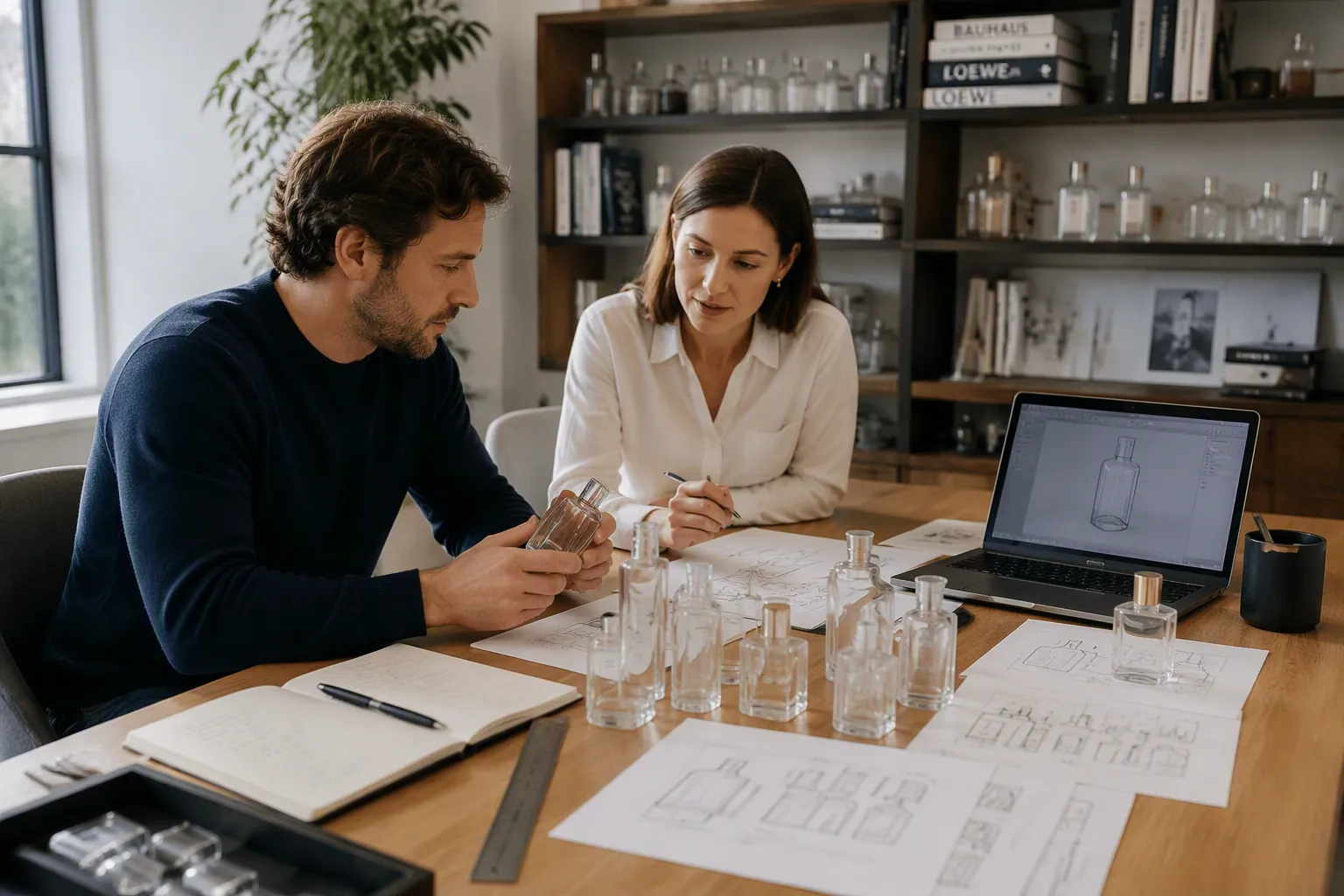
You can expect a total timeline of 5 to 7 months, or roughly 20 to 30 weeks, from design to delivery. This window covers every step: design, mold development, sampling, mass production, decoration, and shipping. For a brand-new custom bottle, the manufacturing timeline from approved design to finished bottles ready for shipment often runs 17 to 19 weeks. Some manufacturers quote 4 to 8 weeks for production, but that figure excludes upfront mold development. Standard glass bottles can be produced in 15 to 30 days. Custom designs require longer lead times because you must build new tooling first.
Your project route determines the timeline. A stock glass bottle or jar already has a size, color, neck finish, and closure. This route carries the lowest complexity and minimal lead time. A stock mold with decoration adds time for artwork files, proof samples, and approval steps. Custom color, frosting, coating, or hot stamping brings more complexity. You must confirm finish tolerance and durability before bulk order. A private mold or special component set carries the highest complexity. You need realistic order volume and timeline for this route.
The table below compares these routes.
|
Project Route |
Complexity Factor |
Timeline Impact |
|---|---|---|
|
Stock glass bottle/jar |
Size, color, neck finish, and closure already exist |
Lowest complexity; minimal lead time |
|
Stock mold with decoration |
Decoration setup, proofing, color match, label fit, carton abrasion checks |
Added time for artwork files, proof samples, and approval steps |
|
Custom color, frosting, coating, or hot stamping |
Finish development, adhesion checks, rub tests, claim review |
Additional complexity; sample timing, finish tolerance, and durability must be confirmed before bulk order |
|
Private mold or special component set |
Tooling, validation, repeat volume, closure compatibility, carton protection |
Highest complexity; order volume and timeline must be realistic for custom route |
Several factors drive variation. Bottle design, order quantity, manufacturing process, decoration requirements, and shipping arrangements all play a role. Order quantity matters because glass production is built for industrial-scale manufacturing. Higher volumes can enable better production efficiency. Very small custom orders may be difficult to accommodate. You should discuss both expected annual demand and initial order quantity with your manufacturer.
Using an existing mold reduces development costs and shortens the prototyping cycle. Creating a new mold offers more design freedom but adds mold costs and development time. For small batch orders, the cost of a new mold may significantly affect the per-unit price. Evaluate your expected order quantity before deciding on full customization. Lower order quantities can make development less efficient or more costly. Higher quantities may justify the time and expense of new mold development.
A typical custom glass bottle timeline runs 3 to 6 months, with a minimum order quantity of 10,000 to 50,000 units and a 15% budget buffer for tweaks. Mold errors are mitigated by precise specs and independent checks. When you develop custom glass cosmetic bottles, you should plan for these variables. A cosmetic glass bottle set with multiple components adds coordination time. A cosmetic glass bottle and jar set requires matching finishes and closures across items, which can extend sampling and approval.
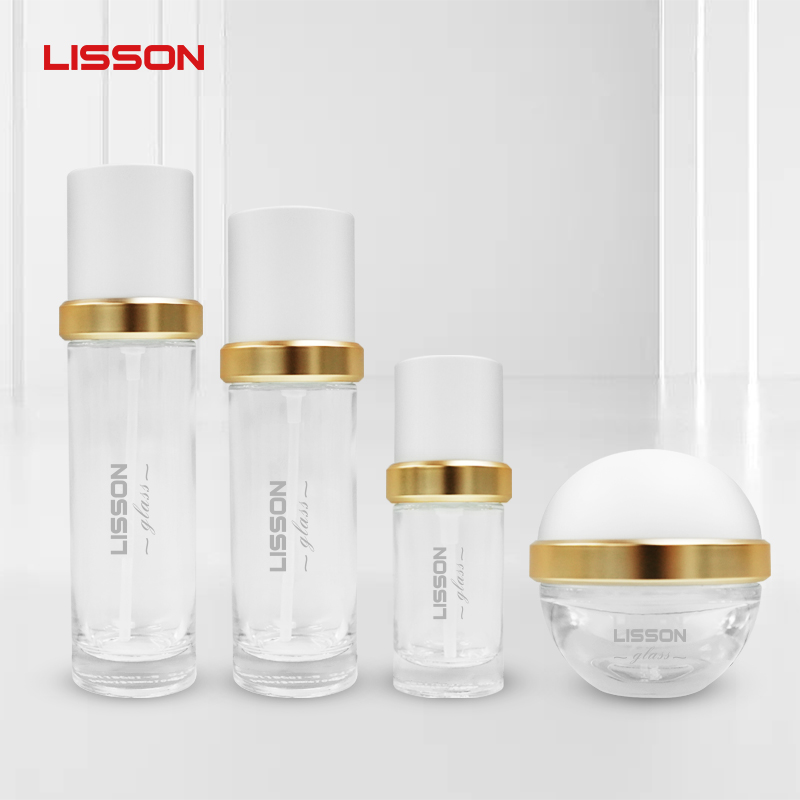
Every project moves through six stages: design and engineering, mold manufacturing, sampling and approval, mass production, decoration, and quality control with shipping. The table below shows the time each stage typically requires.
|
Stage |
Typical Duration |
|---|---|
|
Design and engineering |
1–2 weeks |
|
Mold development |
60–90 days |
|
Sampling and approval |
2–3 revision rounds |
|
Mass production |
8–14 weeks with decoration |
|
QC and shipping |
Varies by method and destination |
You start with drawings, capacity targets, and closure specs. Your manufacturer turns those into 3D files and a physical prototype. This stage moves fast when you arrive with clear requirements. A cosmetic glass bottle set with several components takes longer here, because each item needs its own drawing and fit check. A cosmetic glass bottle and jar set adds another layer, since the jar threads and bottle neck must match their closures.
Mold development is the longest single stage. Custom mold development alone typically takes 6–10 weeks, and Lisson's mold development typically runs 60–90 days. The mold determines your bottle's final shape, wall thickness, and capacity, so errors here are expensive to fix later.
Sampling follows mold completion. First samples rarely pass on the first round. Two to three rounds of revision is standard for complex components. Each round covers a physical sample, a fit check with your pump or cap, and your written approval. Every week of delay at the sampling stage typically compounds into two to three weeks of delay downstream. That compounding effect explains why experienced buyers treat sampling as the schedule's pressure point.
A real project sequence shows how the stages connect. Design confirmation lands on March 1, the 3D prototype on March 10, the physical sample on March 20, mass production in April, and required delivery on May 15. Notice how much of that calendar belongs to tooling and sampling, not to the production run itself.
Artwork approval deserves your attention during this window. Most delays in custom glass cosmetic bottle development occur at artwork finalization and print-file approval. Artwork approval is one of the most common bottlenecks in the entire supply chain. The main cause is endless revision cycles, often because founders underestimate artwork and proofing time. Even small changes, such as adjusting logo placement or iterating on UV gloss, can add 5 to 7 days per cycle. Regulatory labeling requirements under MoCRA can also cause rejection and resubmission when you format ingredient declarations, allergen warnings, or manufacturer information incorrectly.
When you develop custom glass cosmetic bottles, treat mold and artwork approval as one combined critical path. For custom packaging, plan for a minimum of 4–6 months from design finalization to production-ready approval. The typical overall timeline from approved design to finished bottles ready for shipment is 17–19 weeks. That figure covers design, engineering, prototyping, production molds, and mass production tog
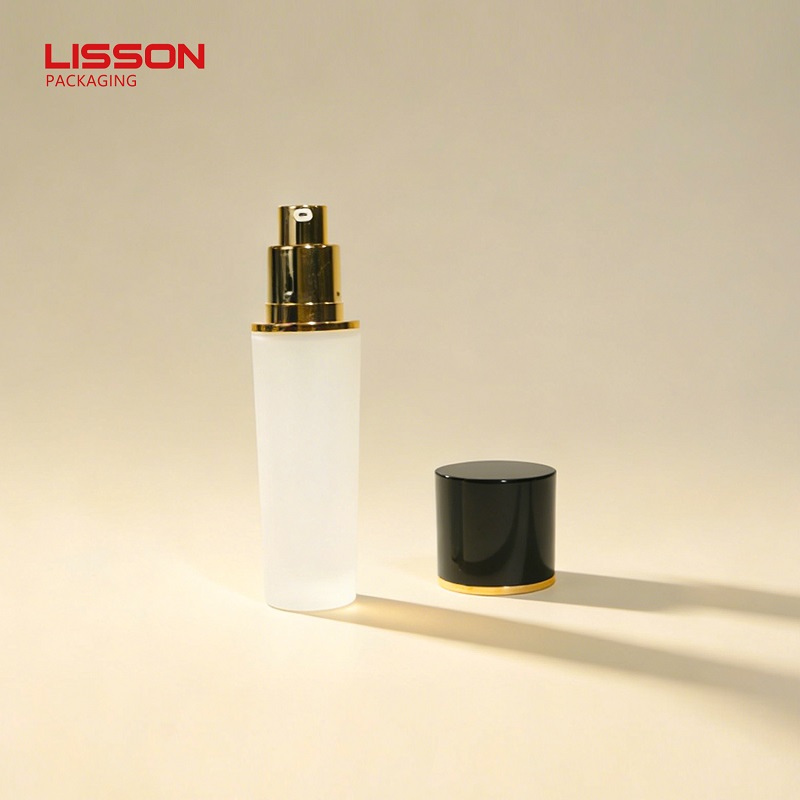
After mold development, production and decoration take approximately 8 to 14 weeks. This window covers the mass production run plus every finishing step you add. The table below breaks down the core phases.
|
Phase |
Typical Duration |
|---|---|
|
Design & CAD |
1–2 weeks |
|
Sampling Mold & Prototypes |
3–4 weeks |
|
Mass Production Mold & Run |
5–7 weeks |
|
Shipping (ocean freight) |
3–5 weeks |
Decoration techniques add time on top of the base run. Frosting is a secondary process usually involving an acid bath or sandblasting. It adds to the per-unit cost and requires additional handling time. Printing, coating, and hot stamping each need their own setup, proofing, and cure schedule. A cosmetic glass bottle set with several decorated components multiplies those steps. A cosmetic glass bottle and jar set adds matching requirements across every piece.
Quality inspection happens before anything leaves the factory. Your manufacturer checks wall thickness, capacity, finish tolerance, and decoration adhesion. Lisson streamlines this stage with in-house QC and consolidated production scheduling, which reduces the back-and-forth that slows many projects.
Shipping duration varies by method and destination. Sea freight from Chinese ports to North America runs 20 to 35 days. Sea freight from Chinese ports to Europe runs 25 to 40 days. Cosmetics shipments by sea often take 30 to 60 days, and customs delays, holidays, or backlogs can push those estimates higher. Air freight moves faster but costs more per unit. When you develop custom glass cosmetic bottles, factor shipping into your launch date from day one.
Complex shapes slow every stage. A bottle with sharp shoulders, deep embossing, or a non-standard neck finish needs more engineering time. Tooling alone runs 60 to 90 days from approved design, and investment rises with bottle complexity. The full path from design brief to first production samples takes 90 to 120 days. Development itself runs 4 to 12 weeks, and you should hold an extra 10–20% buffer for modifications after the Golden Sample.
Mold revisions are the quiet schedule killer. Each revision round adds five to seven days. Two rounds add two weeks. Late artwork submission hurts just as much. If your design team submits artwork two weeks late, two weeks are added with no exceptions. Lock artwork before you submit the supplier brief. Decision delays also compound: a three-day internal approval delay becomes a three-day production delay. Assign one decision-maker and set an internal approval window of 48 hours from sample receipt.
Decoration choices change your speed. Frosting, printing, coating, and hot stamping each need setup, proofing, and cure time. A cosmetic glass bottle set with several decorated parts multiplies those steps. A cosmetic glass bottle and jar set adds matching requirements across every piece.
Order volume drives lead time directly. Larger orders need longer production runs because of setup costs, production efficiency, and logistics.
|
Order Volume |
Lead Time |
|---|---|
|
1,000–5,000 units |
2–3 weeks |
|
10,000–25,000 units |
3–5 weeks |
|
50,000–100,000 units |
5–8 weeks |
|
250,000+ units |
8–12 weeks |
Shipping method and destination matter too. Sea freight to North America runs 20 to 35 days, and to Europe 25 to 40 days. Peak season congestion in September–October and January–February tightens factory capacity. Missing compliance documents can add one to three weeks at customs. When you develop custom glass cosmetic bottles, an experienced partner like Lisson reduces these delay risks through early documentation and confirmed production slots.
Cosmetics brands wait too long for bottles — 3 to 4 months from decision to delivery for standard stock, and 4 to 6 months for custom colour or unique designs. Smart brands plan packaging first, not last.
Start your design work early and lock the final drawings before you request a mold quote. A clear brief prevents revision loops later. Approve samples within 48 hours of receipt. Assign one decision-maker for your cosmetic glass bottle set so approvals never stall. For your first order, choose simple decoration such as a single-color print. Frosting, coating, and hot stamping each add setup and cure time.
Your mold choice also sets the pace. Review the options below before you commit.
|
Mold Type |
Investment Range |
Ideal Production Volume |
Lead Time |
Key Advantage |
|---|---|---|---|---|
|
Modular/Unit Molds |
$8,000 – $15,000 |
50,000 – 200,000 units |
4–6 weeks |
Cost-effective for medium batches |
|
Dedicated Production Molds |
$25,000 – $50,000 |
200,000 – 1M+ units |
8–12 weeks |
Superior surface finish, faster cycle times |
|
Multi-Cavity Systems |
$40,000 – $80,000 |
500,000+ units annually |
10–14 weeks |
Dramatically reduced per-unit cost at scale |
You can also validate your design before cutting steel. Consider these prototype routes:
3D printed resin models: 72-hour turnaround, ±0.3mm accuracy
CNC-machined aluminum prototypes: 2-week delivery, production-grade accuracy
Limited glass sample runs using temporary tooling
Share your shelf date with your manufacturer on day one. Clear communication keeps every stage aligned.
Plan a buffer large enough to absorb one unplanned approval round. That approval cycle is the failure mode that actually happens. Buffering the manufacturing stages tends to be less useful, because those are the parts of the calendar that behave predictably. A plan with a firm shelf date and no allowance for a second color round is not really a plan. It is an optimistic forecast. The industry data on approval cycles suggests the second round is closer to normal than exceptional.
Enough to absorb one unplanned approval round, which in practice is the failure mode that actually happens. Buffering the manufacturing stages tends to be less useful, because those are the parts of the calendar that behave predictably. A plan with a firm shelf date and no allowance for a second color round is not really a plan, it is an optimistic forecast, and the industry data on approval cycles suggests the second round is closer to normal than exceptional.
When you develop custom glass cosmetic bottles, treat the buffer as part of the schedule, not as extra time. Lisson supports your project with dedicated project management. Your team gets milestone tracking, early documentation, and confirmed production slots. A cosmetic glass bottle and jar set benefits most from this support, because matching finishes across multiple components leaves little room for error.
You now have a realistic picture: developing custom glass cosmetic bottles takes 5 to 7 months. Mold development runs 60 to 90 days, and production with decoration adds 8 to 14 weeks. These two stages drive your schedule more than any other step. When you understand each phase, you set launch dates you can actually hit. Choose an experienced partner like Lisson to minimize delays and protect quality. That same care pays off across every cosmetic glass bottle set and cosmetic glass bottle and jar set you order. Invest the time now, and your packaging becomes a lasting asset for your brand.
Mold development takes the longest. Expect 60 to 90 days for tooling alone. This stage shapes your bottle's final form, wall thickness, and capacity. Errors here cost the most to fix later. Plan your launch date around mold completion first, then build the rest of your schedule backward from it.
Yes, within limits. Use an existing mold instead of cutting a new one. Keep decoration simple for your first order. Approve samples within 48 hours. Lock artwork before you request a quote. These choices remove weeks of revision cycles without sacrificing quality.
Plan a buffer of 2 to 4 weeks. This window absorbs one unplanned approval round, which is the delay that actually happens. Manufacturing stages behave predictably, so buffering them helps less. A firm shelf date with no allowance for a second color round is an optimistic forecast, not a plan.
Yes. Larger orders need longer runs. A run of 1,000 to 5,000 units takes 2 to 3 weeks. A run of 250,000 units or more takes 8 to 12 weeks. Discuss both your initial order and expected annual demand with your manufacturer before you commit.
Artwork approval causes most delays. Each revision cycle adds 5 to 7 days. Matching finishes across a bottle and jar multiplies the approval steps. Assign one decision-maker and set a 48-hour internal approval window. Lock your artwork before you submit the supplier brief.
WhatsApp : +86 15099958531
Email : lissontube@gzlisson.com
Phone : +0086 15099958531