Every beauty brand faces a defining moment when transitioning a formula from the laboratory to retail shelves. You hold a newly perfected skincare formulation in your hands. It represents months of chemical stabilization, active ingredient balancing, and brand ambition. Yet, the decisive factor in whether a consumer purchases your product, trusts its potency, and experiences luxury lies in one physical element: your packaging.
Selecting between glass packaging variants is not merely an aesthetic preference; it is an engineering decision. A lightweight fluid behaves completely differently from a high-viscosity lipid emulsion. Choosing the wrong vessel leads to rapid oxidation, pump clogging, consumer frustration, or chemical degradation. Understanding how to choose the right glass packaging and distinguishing between cosmetic bottles and cosmetic jars forms the foundation of product longevity and brand authority.
At Lisson Glass Packaging, we engineer primary packaging solutions that balance chemical compatibility, ergonomic dispensing, and high-end shelf aesthetics. Whether your formula requires UV-blocking amber droppers or wide-mouth heavy-base jars, matching the right glass format to your exact formulation viscosity is the ultimate catalyst for customer retention.
Viscosity Governs Format: Low-viscosity liquids (toners, serums, oils) require cosmetic bottles with controlled dispensing; high-viscosity formulations (rich creams, balms, masks) require cosmetic jars for clean product recovery.
Air Exposure & Oxidation: Bottles with airtight pumps or droppers shield volatile active ingredients (Vitamin C, Retinol, Peptides) from oxidation, while jars offer maximum accessibility for rich, multi-use treatments.
Material Superiority: Type III cosmetic-grade soda-lime and borosilicate glass deliver 100% chemical inertness, zero leaching, and infinite recyclability compared to synthetic resins.
Weight & Sensory Value: A heavy glass base translates directly into elevated perceived value, reassuring consumers of product efficacy and justified price tiers.
Customization Scalability: Modern glass packaging supports hot stamping, frosted etching, silk screen printing, and gradient spray coating to forge an unmistakable visual identity.
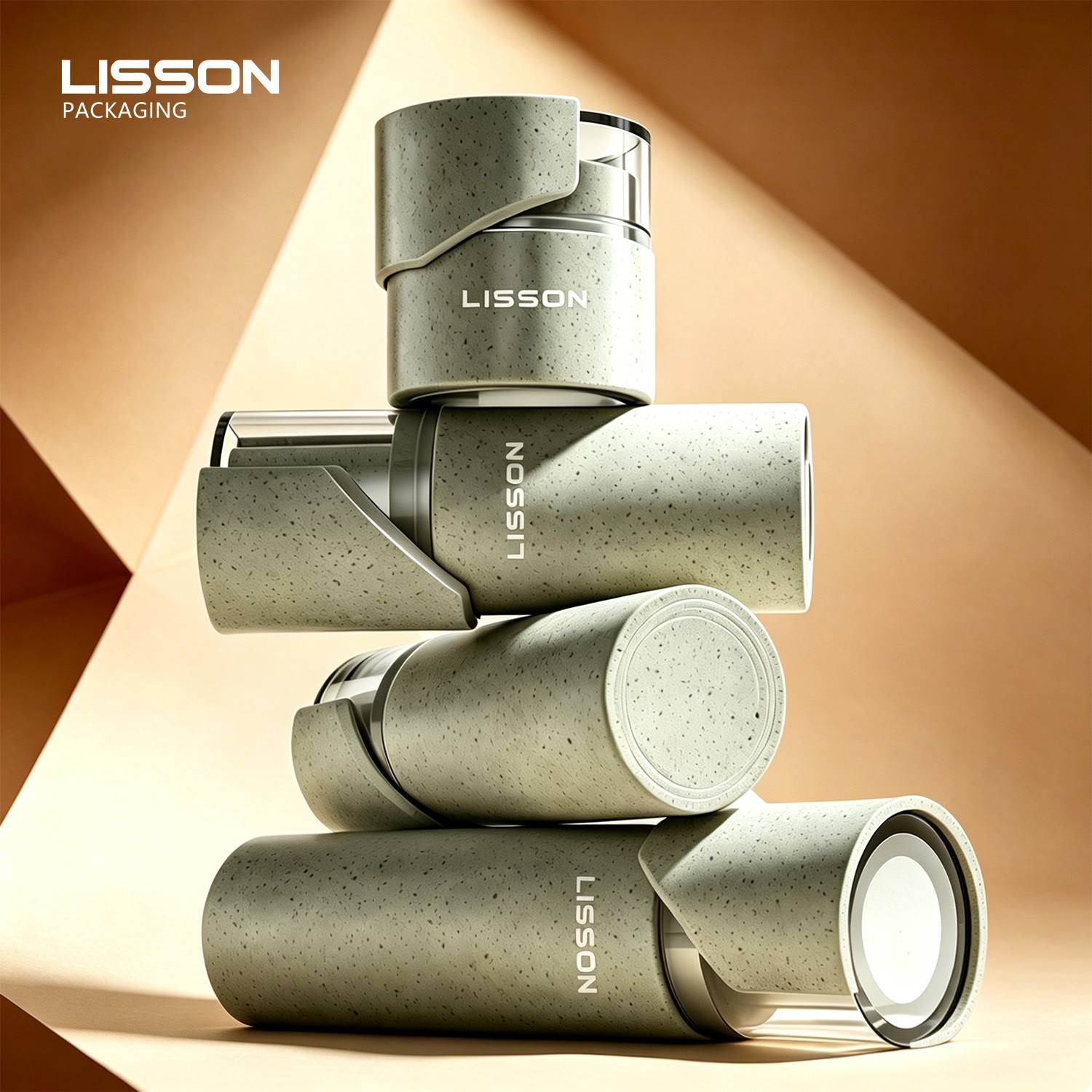
To make an informed packaging procurement decision, you must first understand the structural, functional, and physical mechanics separating a cosmetic bottle from a cosmetic jar. While both serve as primary packaging vessels, their anatomical differences dictate how formulas are preserved, dispensed, and perceived.
The fundamental distinction lies in aperture diameter, dispensing mechanics, and intended formula viscosity. A cosmetic bottle features a narrow neck designed for controlled, metered discharge via specialized closures (pumps, droppers, sprayers, or reducers). In contrast, a cosmetic jar features a wide mouth where the opening diameter equals or nearly equals the container body diameter, allowing direct manual or spatula scooping of heavy products.
|
Feature Parameter |
Cosmetic Glass Bottle |
Cosmetic Glass Jar |
|---|---|---|
|
Neck & Aperture |
Narrow opening (18/410, 20/410, 24/410 standard neck finishes). |
Wide mouth opening (40mm to 70mm+ diameter). |
|
Optimal Viscosity |
Low to medium viscosity (1 to 30,000 cPs: mists, toners, serums, lotions). |
High to extreme viscosity (30,000 to 150,000+ cPs: night creams, balms, body butters). |
|
Dispensing Method |
Metered dispensing: treatment pump, mist sprayer, glass pipette dropper. |
Manual scooping using fingertips or cosmetic applicator spatulas. |
|
Air Exposure Rate |
Minimal to zero: closed hermetic systems prevent ambient air ingress. |
Moderate to high each time the lid is unscrewed. |
|
Contamination Risk |
Low: formula remains isolated inside the sealed glass chamber. |
Requires preservative systems or spatulas to mitigate bacterial introduction. |
|
Restitution Rate |
85% - 95% product recovery (slight residual clinging along inner walls). |
98% - 100% complete product evacuation with effortless scraping. |
Cosmetic bottles excel when your formulation is flowable and highly sensitive to external oxidation. Liquid facial essences, brightening serums, clarifying toners, and lightweight emulsions thrive inside premium glass cosmetic bottles. The bottle format gives you precise engineering control over dosing. A consumer applying a potent 2% salicylic acid or pure retinol serum requires exact dropper measurements (e.g., 0.5 ml per drop) to prevent dermal irritation. Bottles paired with treatment pumps or micro-droppers eliminate dosage guesswork while preventing hands from introducing microbes into the vessel.
When your formulation boasts a rich, buttery, or gel-like rheology, forcing it through a pump dip tube will cause mechanism failure, sputtering, and immense consumer dissatisfaction. Formulations such as ceramide-rich barrier creams, anhydrous cleansing balms, clay detoxifying masks, and whipped night moisturizers belong in luxury cosmetic glass jars. A wide-mouth jar allows effortless product retrieval, letting the user access 100% of the product without leaving expensive residue trapped at the bottom. Furthermore, unscrewing a hefty, cold-to-the-touch glass jar engages tactile sensory cues that prime the customer for an indulgent, high-end skincare ritual.
Sourcing cosmetic packaging is an exact science where formulation chemistry, mechanical compatibility, supply chain resilience, and brand storytelling intersect. Follow this strategic evaluation framework to ensure your packaging protects the product and maximizes commercial viability.
Viscosity defines how a liquid resists flow, measured in centipoise (cPs). Water sits at 1 cPs, while petroleum jelly can exceed 100,000 cPs. Matching your container and closure to your formulation's exact cPs rating is the first critical step:
Ultra-Low Viscosity (1 - 500 cPs): Facial mists, setting sprays, balancing toners, micellar waters. Packaging: Boston round or slim cylindrical glass bottles equipped with fine mist atomizers or orifice reducers.
Low to Medium Viscosity (500 - 15,000 cPs): Hyaluronic acid serums, facial oils, lightweight peptide fluids. Packaging: Glass serum bottles with precision push-button pipettes or bulb droppers.
Medium to High Viscosity (15,000 - 45,000 cPs): Daily moisturizers, sunscreen emulsions, liquid foundations. Packaging: Glass foundation bottles paired with airless treatment pumps or airtight lotion pumps.
High to Solid Viscosity (45,000 - 150,000+ cPs): Intensive night creams, eye balms, exfoliating scrubs, cleansing salves. Packaging: Heavy-base straight-sided glass jars paired with inner sealing discs and screw-on phenolic or aluminum lids.
Photodegradation is the silent killer of modern clean-beauty formulas. Photo-unstable active compounds—including L-ascorbic acid (Vitamin C), retinol, botanical plant extracts, and essential oils—break down rapidly when exposed to ultraviolet radiation (UV-A and UV-B) and ambient retail light. The color and optical density of your glass packaging serve as physical filters:
Amber Glass: Provides the highest tier of UV photoprotection, absorbing wavelengths across the UV and blue-light spectrum (up to 450 nm). Essential for active clinical serums, organic botanical oils, and pharmaceutical-grade treatments.
Flint (Clear) Glass: Offers pristine optical transparency with zero absorption distortion. Ideal for vibrant formulations, naturally tinted fluids, and stable emulsions where visual appeal drives consumer conversion.
Frosted, Cobalt Blue, and Emerald Green Glass: Provide moderate light attenuation while imparting distinct luxury aesthetics and vintage apothecary sophistication.
Opal / White Solid Glass: Completely opaque, blocking 100% of visible light and UV radiation, making it premier packaging for premium brightening creams and light-vulnerable peptidic complexes.
A glass container is only as reliable as its closure seal. When selecting closures, examine the liner material, threading pitch, and airtight compression:
For jars, look for poly-seal cone liners, EPE foam liners, or silicone gasketing integrated into the lid. Crucially, specify PP or PE inner barrier discs (shives) that sit flush across the jar rim. These discs prevent product migration into the lid threading during transit and create a secondary vapor seal that keeps creams moist and prevents surface skinning. For bottles, ensure the closure finish (such as GPI 20/410 or DIN 18) perfectly aligns with the neck finish of the bottle to eliminate micro-leakage and evaporation during sea freight and air transit.
In high-end cosmetics, weight equals worth. Psychological consumer studies in packaging design confirm that consumers subconsciously equate the tactile heaviness of a container with formulation potency and ingredient concentration. Opting for a heavy-base glass bottle or double-wall cosmetic jar instantly transforms a mid-tier brand into an aspirational luxury staple. The cool thermodynamic sensation of cold glass against the skin before opening reinforces prestige before the product is even applied.
Today's B2B and retail beauty landscapes demand rigorous environmental accountability. Glass is non-toxic, free of BPA, phthalates, and microplastics, and infinitely recyclable without quality degradation. By partnering with advanced manufacturers like Lisson that integrate Post-Consumer Recycled (PCR) glass content and lightweighting manufacturing technologies, your brand satisfies stringent global ESG criteria while appealing to eco-conscious consumers.
Navigating international packaging procurement requires more than a catalog; it requires a specialized engineering and manufacturing partner. With comprehensive factory capabilities and decades of industry experience, Lisson custom cosmetic glass packaging provides turnkey solutions tailored to emerging indie beauty brands and established global cosmetics conglomerates alike.
Our factory produces precision-molded glass packaging engineered to international quality thresholds, offering distinctive operational advantages:
High Precision Mold Tooling: We develop proprietary private molds, custom bottle contours, embossed branding insignias, and unique geometric heavy bases that elevate shelf differentiation.
Advanced Surface Finishing: Transform stock components into bespoke art with internal spray coating, matte acid frosting, multi-color silk screen printing, metallic vacuum metallization, and hot foil stamping.
Hermetic Leak Testing: Every batch undergoes rigorous vacuum chamber leakage testing, torque testing, and drop-impact analysis to guarantee zero transit failures.
Streamlined Supply Chain Integration: From rapid 3D prototyping and pre-production sampling to high-speed automated production and global freight dispatch, our end-to-end management reduces your time-to-market.
When you partner with our technical design team at Lisson manufacturing facilities, you gain direct access to packaging engineers dedicated to optimizing your bottle-to-closure compatibility, lowering shipping weight risks, and elevating your retail shelf presence.
To protect oxidation-sensitive formulations stored in cosmetic jars, combine heavy-wall amber, opaque opal, or UV-coated glass with an airtight poly-seal screw closure and a tightly fitted PP/PE inner protective disc. For ultra-sensitive actives like unchelated L-ascorbic acid, consider transitioning the formulation into an airless pump bottle or a dark amber glass bottle equipped with a hermetically sealed pipette dropper.
The cosmetics industry predominantly utilizes Type III soda-lime glass, which exhibits outstanding chemical neutrality, mechanical strength, and crystal clarity. For specialized clinical formulas, ampoules, or formulations with aggressive active solvent bases, Type I borosilicate glass may be specified due to its superior thermal and hydrolytic resistance.
Yes, but the choice alters user perception and product formula formulation. If packaged in a bottle, the lotion must possess adequate fluid yield stress to pump cleanly without clogging. If packaged in a jar, the formula is often thickened with additional waxes or rheology modifiers to provide a rich, non-spill texture that feels luxurious upon touch.
While heavy-base glass elevates perceived retail luxury, it increases freight expenses. Brands balance this by pairing glass containers for primary flagship hero products (like 30ml serums and 50g face creams) with optimized outer packaging cartons and corrugated dividers, or utilizing engineered lightweight glass designs that preserve structural sidewall strength while reducing unnecessary base mass.
The most common industry standards follow GPI/SPI specifications, including 18/400, 18/415, 20/400, 20/410, and 24/410 neck finishes. The first number represents the outer diameter of the bottle neck in millimeters, while the second indicates the thread depth and configuration. Matching these exact specifications ensures universal closure interchangeability between dropper pipettes, lotion pumps, and treatment atomizers.
WhatsApp : +86 15099958531
Email : lissontube@gzlisson.com
Phone : +0086 15099958531