other
  • How Much Customization Is Possible for Glass Cosmetic Bottles?
    How Much Customization Is Possible for Glass Cosmetic Bottles? Sep 21, 2026
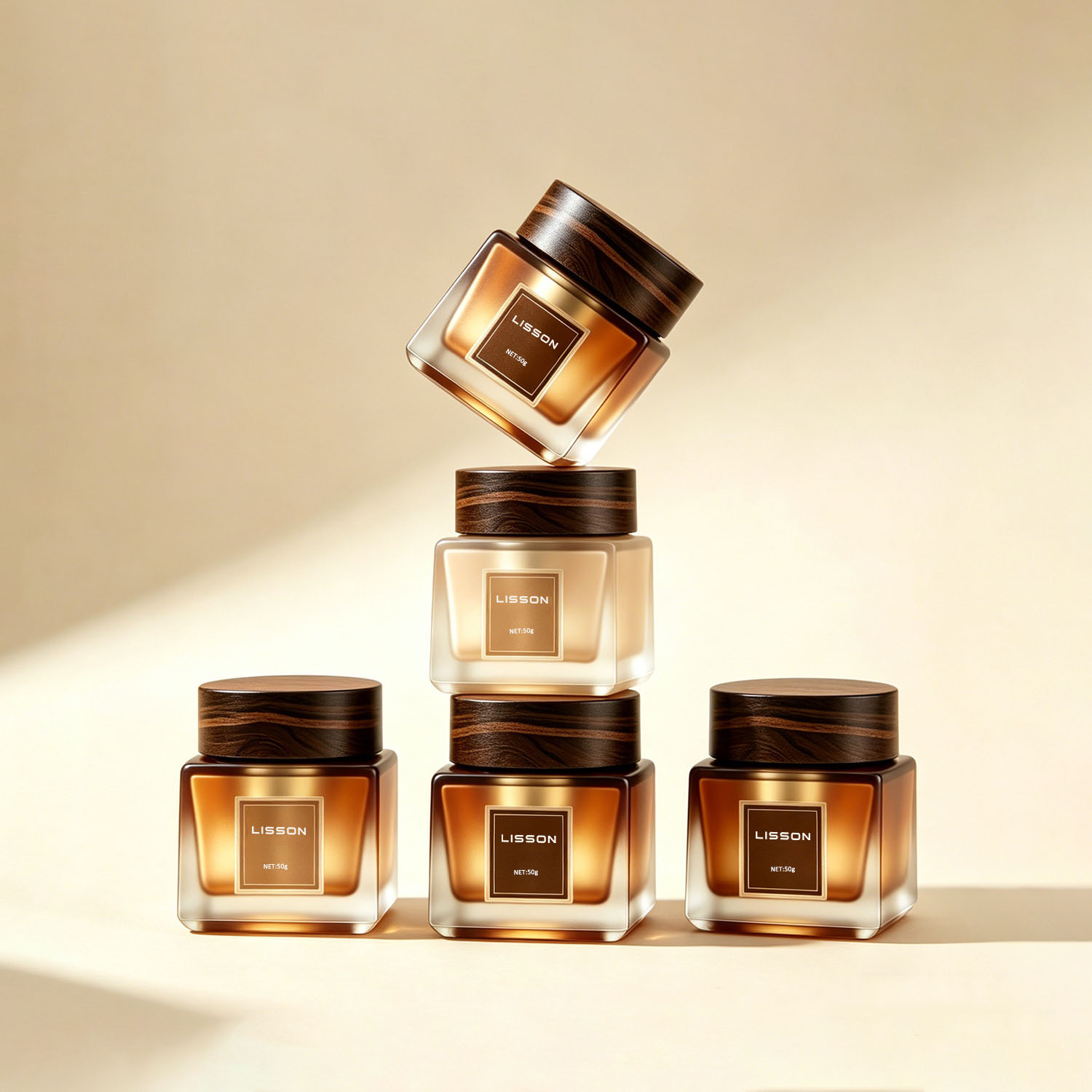
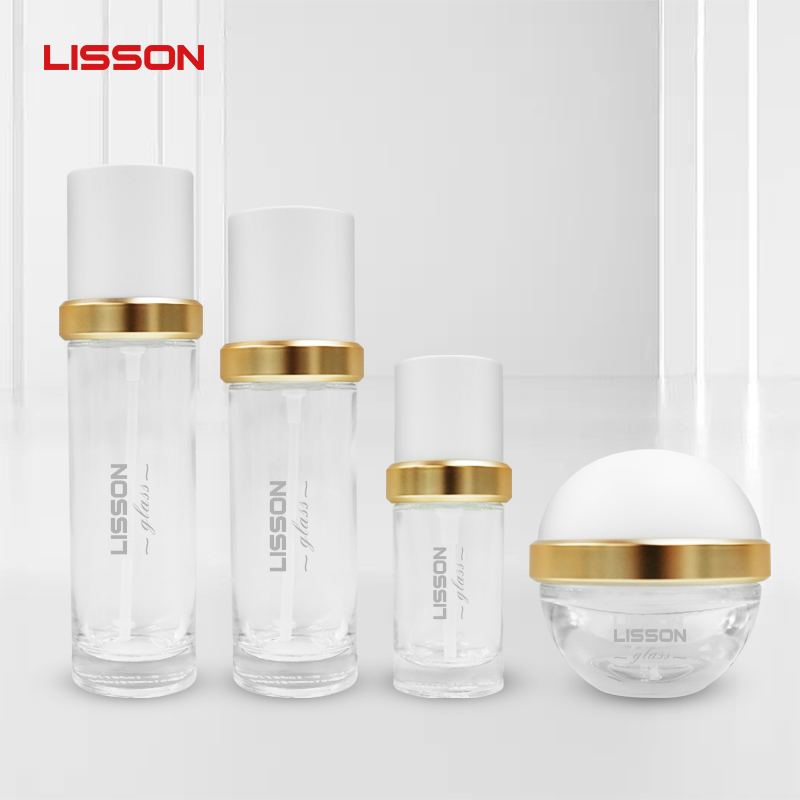
      Yes. Glass cosmetic bottles can be customized far beyond simply adding a logo. Depending on the project, brands can customize the bottle shape, capacity, glass color, wall thickness, weight, surface finish, decoration, closure, pump or dropper, and even develop a completely new bottle mold. For cosmetic brands, the practical question is not whether customization is possible, but which parts of the packaging should be customized to support the product, brand identity, production requirements, and target market. LISSON provides custom glass cosmetic packaging solutions covering design development, prototyping, mold development, decoration, closures, and mass production. Quick answer: A glass cosmetic bottle can typically be customized in five major areas: structure, appearance, branding, dispensing components, and packaging configuration. The level of customization can range from decorating an existing bottle to developing a completely new bottle shape and mold. What Can Be Customized on a Glass Cosmetic Bottle? A custom glass cosmetic bottle is not limited to a custom logo. For a new skincare, serum, lotion, foundation, or beauty product, several packaging elements can be developed together. Customization Area Typical Options Bottle Structure Shape, capacity, dimensions, wall thickness, weight and base design Glass Appearance Clear, colored, frosted, coated and gradient finishes Branding Silk-screen printing, hot stamping, labeling, logos and artwork Closures Metal caps, bamboo caps, PCR caps, decorative caps and custom collars Dispensing Lotion pumps, treatment pumps, droppers, spray pumps and applicators Mold Development Existing mold adaptation or completely new custom bottle molds 1. Bottle Shape and Dimensions Can Be Customized The bottle shape is one of the most visible parts of cosmetic packaging. Brands can start with a standard cylindrical, square, rectangular, oval, tapered, or other existing shape. For a more distinctive package, a custom mold can be developed around a specific design concept. This is particularly useful when a cosmetic brand wants its packaging to be recognizable from a distance. A distinctive shoulder, base, silhouette, or cap-to-bottle proportion can become part of the product identity. For brands looking for ready-to-adapt skincare packaging, LISSON's glass skincare bottle collection includes multiple bottle formats that can be used as a starting point for customized cosmetic packaging. 2. Capacity, Glass Thickness, and Weight Can Be Adjusted Customization also involves the physical specifications of the bottle. Depending on the product, a brand may need a compact 15ml or 30ml format for a serum or eye treatment, while a lotion or skincare product may require a larger 100ml or 120ml bottle. Glass thickness and bottle weight also influence the overall hand feel. A heavier base can create a more substantial premium impression, while a lighter structure may be more suitable when transportation weight and packaging efficiency are important. The right specification should therefore be determined together with the formula, filling process, dispensing system, expected usage, and target market rather than based only on appearance. 3. Glass Color and Surface Finish Offer Many Branding Options A clear glass bottle is only one option. Cosmetic packaging can use frosting, color coating, gradient effects, matte finishes, glossy finishes, or other surface treatments to create a specific visual direction. For brands with strict visual guidelines, Pantone color matching can also be used for customized packaging. This makes it possible to coordinate the bottle, cap, pump, and other components with an established brand color system. For example, LISSON's luxury clear glass cosmetic bottle and jar packaging set supports customized colors, logo branding, spraying, electroplating, frosting, and other decoration options. 4. Logos and Decorative Details Can Be Customized Branding is another important customization layer. Depending on the desired appearance and production requirements, cosmetic glass packaging can use silk-screen printing, hot stamping, labeling, UV decoration, electroplating, or other finishing techniques. For premium products, the logo does not always need to be large. A small, carefully positioned logo combined with a distinctive bottle shape, metallic decoration, or frosted finish can create a more understated packaging style. The key is to select the decoration method according to the bottle surface, artwork, desired durability, production volume, and visual effect. 5. Caps, Pumps, and Droppers Can Be Customized Too The dispensing system is part of the packaging experience. A serum may require a dropper, a lotion may use a pump, and a fragrance product may need a spray atomizer. The cap and collar can also be selected or customized to create a consistent appearance. This means a brand does not necessarily need to design the glass bottle separately from the closure. Bottle neck dimensions, pump compatibility, cap design, and dispensing performance should be considered together. For serum, facial oil, and other precision-dosing products, LISSON's glass dropper bottle range provides several formats that can be customized for different cosmetic applications. 6. A Completely New Custom Mold Is Also Possible If an existing bottle does not match the brand concept, a completely new mold can be developed. This provides significantly more freedom over the bottle's silhouette, proportions, shoulders, base, and other structural details. However, a new mold is more involved than simply decorating an existing bottle. Mold complexity, bottle geometry, production requirements, sampling, and expected order volume all need to be considered before development begins. LISSON describes its custom packaging process as a sequence that includes concept consultation, bottle selection, 3D and artwork development, mold and sampling, decoration, and finally production and delivery. This type of process allows brands to validate the design before moving into larger-scale production. For brands considering a new bottle design, the custom glass bottle development service can be used to discuss the design, mold, decoration, and manufacturing requirements together. Is It Better to Customize an Existing Bottle or Create a New Mold? There is no single answer for every cosmetic brand. The choice usually depends on how distinctive the packaging needs to be, the available development budget, the expected order volume, and the launch timeline. Approach Suitable When Customization Level Existing Bottle + Decoration Fast launch or lower development complexity Moderate Existing Bottle + Custom Cap/Pump Brands wanting a more distinctive packaging system Moderate to High Custom Glass Mold Unique brand identity or signature packaging High Complete Turnkey Packaging Brands developing a coordinated bottle, closure and decoration system Very High What Should You Prepare Before Requesting Custom Glass Cosmetic Bottles? A clear project brief can make the quotation and development process much more efficient. Before contacting a manufacturer, it is useful to prepare the following information: Product type, such as serum, lotion, cream, foundation, oil, or fragrance Target bottle capacity Preferred bottle shape or reference images Desired glass color or finish Logo and artwork requirements Preferred pump, dropper, sprayer, or cap Expected order quantity Target market and product positioning Required packaging or assembly configuration Expected development and delivery timeline If you already have a sketch, reference bottle, CAD drawing, product sample, or brand guideline, sharing those materials can help the manufacturer understand the project more accurately. How Much Customization Is Practical for Different Cosmetic Products? The appropriate customization level often depends on the type of cosmetic product. Product Common Packaging Priorities Facial Serum Dropper, precise dosing, compact size, premium glass and branding Lotion Pump compatibility, larger capacity, comfortable handling and decoration Face Cream Glass jar shape, cap design, surface finish and coordinated packaging Foundation Pump or dispenser, compact dimensions, branding and color coordination Fragrance Bottle silhouette, glass weight, cap, atomizer, decoration and visual identity For brands developing multiple products at once, a coordinated packaging family can also be created. LISSON offers cosmetic glass bottle sets that combine bottles and jars into a more consistent packaging system. What Is the Difference Between Customization and OEM/ODM Packaging? These terms are related but are not exactly the same. Customization generally means modifying packaging elements such as shape, color, decoration, capacity, closures, or dispensing components. OEM packaging can involve producing packaging according to a brand's specifications, while ODM support may involve adapting an existing design or developing packaging based on the manufacturer's capabilities. For a brand that already has a bottle drawing, the manufacturer may focus on engineering, mold development, sampling, production, and decoration. For a brand that only has a product concept, the manufacturer may become more involved in packaging development and component selection. How Does Customization Affect Cost and Lead Time? The cost and development time depend heavily on the level of customization. Adding a logo to an existing bottle is generally a different project from creating a completely new bottle mold with a custom closure and multiple surface treatments. Factors that can influence the project include mold complexity, bottle geometry, glass specifications, decoration methods, closure requirements, order quantity, sampling requirements, and packaging configuration. For this reason, a manufacturer should evaluate the complete packaging specification rather than provide a meaningful cost estimate based only on the bottle's appearance. Frequently Asked Questions About Custom Glass Cosmetic Bottles Can glass cosmetic bottles be made in a completely custom shape? Yes. A new glass bottle mold can be developed when an existing bottle does not meet the brand's design requirements. The final feasibility depends on the proposed geometry, manufacturing requirements, and project specifications. Can I customize the color of a glass cosmetic bottle? Yes. Depending on the packaging design, customization can include glass color, coating, frosting, gradient effects, matte or glossy finishes, and Pantone color matching. Can the cap and pump be customized together with the glass bottle? Yes. Cosmetic packaging projects can include customized caps, collars, lotion pumps, treatment pumps, droppers, spray pumps, and other dispensing components. Compatibility between the bottle neck and closure should be confirmed during development. Can I add my logo to a custom glass cosmetic bottle? Yes. Common branding options include silk-screen printing, hot stamping, labeling, UV decoration, electroplating, and other finishing methods depending on the design. Is a new mold always necessary for custom glass bottles? No. A brand can often start with an existing bottle and customize its color, finish, logo, cap, pump, or other components. A new mold becomes relevant when the desired bottle structure cannot be achieved with an existing design. What information should I provide when requesting a custom glass bottle quotation? Provide the product type, target capacity, bottle shape, reference images or drawings, glass color, surface finish, logo requirements, dispensing system, expected quantity, and target delivery timeline. More complete specifications generally make the quotation process more efficient. Final Takeaway Glass cosmetic bottle customization can range from simple logo decoration to a completely new packaging system. Brands can customize the bottle shape, size, weight, glass appearance, surface treatment, branding, cap, pump, dropper, and other components. For highly distinctive packaging, a new custom mold can also be developed. The most practical approach is to decide which elements genuinely need customization before production begins. If the goal is a faster launch, an existing bottle with customized decoration may be enough. If the packaging itself needs to become part of the brand identity, a custom bottle mold and coordinated closure system may provide more design freedom. For cosmetic brands developing a new packaging project, LISSON provides integrated support covering bottle development, customization, decoration, closures, sampling, and manufacturing. This allows the packaging specification to be considered as one complete system rather than as separate components. { "@context": "https://schema.org", "@type": "FAQPage", "mainEntity": [ { "@type": "Question", "name": "Can glass cosmetic bottles be made in a completely custom shape?", "acceptedAnswer": { "@type": "Answer", "text": "Yes. A new glass bottle mold can be developed when an existing bottle does not meet the brand's design requirements. The final feasibility depends on the proposed geometry, manufacturing requirements, and project specifications." } }, { "@type": "Question", "name": "Can I customize the color of a glass cosmetic bottle?", "acceptedAnswer": { "@type": "Answer", "text": "Yes. Depending on the packaging design, customization can include glass color, coating, frosting, gradient effects, matte or glossy finishes, and Pantone color matching." } }, { "@type": "Question", "name": "Can the cap and pump be customized together with the glass bottle?", "acceptedAnswer": { "@type": "Answer", "text": "Yes. Cosmetic packaging projects can include customized caps, collars, lotion pumps, treatment pumps, droppers, spray pumps, and other dispensing components. Compatibility between the bottle neck and closure should be confirmed during development." } }, { "@type": "Question", "name": "Can I add my logo to a custom glass cosmetic bottle?", "acceptedAnswer": { "@type": "Answer", "text": "Yes. Common branding options include silk-screen printing, hot stamping, labeling, UV decoration, electroplating, and other finishing methods depending on the design." } }, { "@type": "Question", "name": "Is a new mold always necessary for custom glass bottles?", "acceptedAnswer": { "@type": "Answer", "text": "No. A brand can often start with an existing bottle and customize its color, finish, logo, cap, pump, or other components. A new mold becomes relevant when the desired bottle structure cannot be achieved with an existing design." } }, { "@type": "Question", "name": "What information should I provide when requesting a custom glass bottle quotation?", "acceptedAnswer": { "@type": "Answer", "text": "Provide the product type, target capacity, bottle shape, reference images or drawings, glass color, surface finish, logo requirements, dispensing system, expected quantity, and target delivery timeline." } } ] }

  • How Long Does It Take to Develop Custom Glass Cosmetic Bottles?
    How Long Does It Take to Develop Custom Glass Cosmetic Bottles? Sep 14, 2026
    You can expect to develop custom glass cosmetic bottles in 5 to 7 months from first design to final delivery. This timeline shifts with project complexity. It covers mold development at 60 to 90 days, production and decoration at 8 to 14 weeks, and shipping. Many brands underestimate mold-making, the longest single stage. Lisson guides you through each step to avoid delays. Whether you order a simple cosmetic glass bottle set or a full cosmetic glass bottle and jar set, knowing the schedule helps you plan a realistic launch.   Key Takeaways Developing custom glass cosmetic bottles takes 5 to 7 months from design to delivery. Mold development is the longest stage, lasting 60 to 90 days. Artwork approval delays many projects; each revision cycle adds 5 to 7 days. Build a 2 to 4 week buffer into your schedule for unplanned approval rounds. Plan packaging first and lock your design early to avoid delays.     The Full Timeline to Develop Custom Glass Cosmetic Bottles You can expect a total timeline of 5 to 7 months, or roughly 20 to 30 weeks, from design to delivery. This window covers every step: design, mold development, sampling, mass production, decoration, and shipping. For a brand-new custom bottle, the manufacturing timeline from approved design to finished bottles ready for shipment often runs 17 to 19 weeks. Some manufacturers quote 4 to 8 weeks for production, but that figure excludes upfront mold development. Standard glass bottles can be produced in 15 to 30 days. Custom designs require longer lead times because you must build new tooling first.   Standard vs. Complex Projects Your project route determines the timeline. A stock glass bottle or jar already has a size, color, neck finish, and closure. This route carries the lowest complexity and minimal lead time. A stock mold with decoration adds time for artwork files, proof samples, and approval steps. Custom color, frosting, coating, or hot stamping brings more complexity. You must confirm finish tolerance and durability before bulk order. A private mold or special component set carries the highest complexity. You need realistic order volume and timeline for this route. The table below compares these routes. Project Route Complexity Factor Timeline Impact Stock glass bottle/jar Size, color, neck finish, and closure already exist Lowest complexity; minimal lead time Stock mold with decoration Decoration setup, proofing, color match, label fit, carton abrasion checks Added time for artwork files, proof samples, and approval steps Custom color, frosting, coating, or hot stamping Finish development, adhesion checks, rub tests, claim review Additional complexity; sample timing, finish tolerance, and durability must be confirmed before bulk order Private mold or special component set Tooling, validation, repeat volume, closure compatibility, carton protection Highest complexity; order volume and timeline must be realistic for custom route   Why Custom Timelines Vary Several factors drive variation. Bottle design, order quantity, manufacturing process, decoration requirements, and shipping arrangements all play a role. Order quantity matters because glass production is built for industrial-scale manufacturing. Higher volumes can enable better production efficiency. Very small custom orders may be difficult to accommodate. You should discuss both expected annual demand and initial order quantity with your manufacturer.   Using an existing mold reduces development costs and shortens the prototyping cycle. Creating a new mold offers more design freedom but adds mold costs and development time. For small batch orders, the cost of a new mold may significantly affect the per-unit price. Evaluate your expected order quantity before deciding on full customization. Lower order quantities can make development less efficient or more costly. Higher quantities may justify the time and expense of new mold development.   A typical custom glass bottle timeline runs 3 to 6 months, with a minimum order quantity of 10,000 to 50,000 units and a 15% budget buffer for tweaks. Mold errors are mitigated by precise specs and independent checks. When you develop custom glass cosmetic bottles, you should plan for these variables. A cosmetic glass bottle set with multiple components adds coordination time. A cosmetic glass bottle and jar set requires matching finishes and closures across items, which can extend sampling and approval.   Key Stages to Develop Custom Glass Cosmetic Bottles Every project moves through six stages: design and engineering, mold manufacturing, sampling and approval, mass production, decoration, and quality control with shipping. The table below shows the time each stage typically requires. Stage Typical Duration Design and engineering 1–2 weeks Mold development 60–90 days Sampling and approval 2–3 revision rounds Mass production 8–14 weeks with decoration QC and shipping Varies by method and destination   Design and Engineering (1–2 Weeks) You start with drawings, capacity targets, and closure specs. Your manufacturer turns those into 3D files and a physical prototype. This stage moves fast when you arrive with clear requirements. A cosmetic glass bottle set with several components takes longer here, because each item needs its own drawing and fit check. A cosmetic glass bottle and jar set adds another layer, since the jar threads and bottle neck must match their closures.   Mold Development (60–90 Days) Mold development is the longest single stage. Custom mold development alone typically takes 6–10 weeks, and Lisson's mold development typically runs 60–90 days. The mold determines your bottle's final shape, wall thickness, and capacity, so errors here are expensive to fix later.   Sampling follows mold completion. First samples rarely pass on the first round. Two to three rounds of revision is standard for complex components. Each round covers a physical sample, a fit check with your pump or cap, and your written approval. Every week of delay at the sampling stage typically compounds into two to three weeks of delay downstream. That compounding effect explains why experienced buyers treat sampling as the schedule's pressure point.   A real project sequence shows how the stages connect. Design confirmation lands on March 1, the 3D prototype on March 10, the physical sample on March 20, mass production in April, and required delivery on May 15. Notice how much of that calendar belongs to tooling and sampling, not to the production run itself.   Artwork approval deserves your attention during this window. Most delays in custom glass cosmetic bottle development occur at artwork finalization and print-file approval. Artwork approval is one of the most common bottlenecks in the entire supply chain. The main cause is endless revision cycles, often because founders underestimate artwork and proofing time. Even small changes, such as adjusting logo placement or iterating on UV gloss, can add 5 to 7 days per cycle. Regulatory labeling requirements under MoCRA can also cause rejection and resubmission when you format ingredient declarations, allergen warnings, or manufacturer information incorrectly.   When you develop custom glass cosmetic bottles, treat mold and artwork approval as one combined critical path. For custom packaging, plan for a minimum of 4–6 months from design finalization to production-ready approval. The typical overall timeline from approved design to finished bottles ready for shipment is 17–19 weeks. That figure covers design, engineering, prototyping, production molds, and mass production tog   Production, Decoration, and Shipping Timelines Mass Production and Decoration (8–14 Weeks) After mold development, production and decoration take approximately 8 to 14 weeks. This window covers the mass production run plus every finishing step you add. The table below breaks down the core phases. Phase Typical Duration Design & CAD 1–2 weeks Sampling Mold & Prototypes 3–4 weeks Mass Production Mold & Run 5–7 weeks Shipping (ocean freight) 3–5 weeks Decoration techniques add time on top of the base run. Frosting is a secondary process usually involving an acid bath or sandblasting. It adds to the per-unit cost and requires additional handling time. Printing, coating, and hot stamping each need their own setup, proofing, and cure schedule. A cosmetic glass bottle set with several decorated components multiplies those steps. A cosmetic glass bottle and jar set adds matching requirements across every piece.   Quality Inspection and Shipping Quality inspection happens before anything leaves the factory. Your manufacturer checks wall thickness, capacity, finish tolerance, and decoration adhesion. Lisson streamlines this stage with in-house QC and consolidated production scheduling, which reduces the back-and-forth that slows many projects.   Shipping duration varies by method and destination. Sea freight from Chinese ports to North America runs 20 to 35 days. Sea freight from Chinese ports to Europe runs 25 to 40 days. Cosmetics shipments by sea often take 30 to 60 days, and customs delays, holidays, or backlogs can push those estimates higher. Air freight moves faster but costs more per unit. When you develop custom glass cosmetic bottles, factor shipping into your launch date from day one.   Factors That Can Delay Your Timeline Design Complexity and Mold Revisions Complex shapes slow every stage. A bottle with sharp shoulders, deep embossing, or a non-standard neck finish needs more engineering time. Tooling alone runs 60 to 90 days from approved design, and investment rises with bottle complexity. The full path from design brief to first production samples takes 90 to 120 days. Development itself runs 4 to 12 weeks, and you should hold an extra 10–20% buffer for modifications after the Golden Sample.   Mold revisions are the quiet schedule killer. Each revision round adds five to seven days. Two rounds add two weeks. Late artwork submission hurts just as much. If your design team submits artwork two weeks late, two weeks are added with no exceptions. Lock artwork before you submit the supplier brief. Decision delays also compound: a three-day internal approval delay becomes a three-day production delay. Assign one decision-maker and set an internal approval window of 48 hours from sample receipt.   Decoration and Order Quantity Decoration choices change your speed. Frosting, printing, coating, and hot stamping each need setup, proofing, and cure time. A cosmetic glass bottle set with several decorated parts multiplies those steps. A cosmetic glass bottle and jar set adds matching requirements across every piece.   Order volume drives lead time directly. Larger orders need longer production runs because of setup costs, production efficiency, and logistics. Order Volume Lead Time 1,000–5,000 units 2–3 weeks 10,000–25,000 units 3–5 weeks 50,000–100,000 units 5–8 weeks 250,000+ units 8–12 weeks Shipping method and destination matter too. Sea freight to North America runs 20 to 35 days, and to Europe 25 to 40 days. Peak season congestion in September–October and January–February tightens factory capacity. Missing compliance documents can add one to three weeks at customs. When you develop custom glass cosmetic bottles, an experienced partner like Lisson reduces these delay risks through early documentation and confirmed production slots. Cosmetics brands wait too long for bottles — 3 to 4 months from decision to delivery for standard stock, and 4 to 6 months for custom colour or unique designs. Smart brands plan packaging first, not last.   Tips to Stay on Schedule Plan Ahead and Communicate Start your design work early and lock the final drawings before you request a mold quote. A clear brief prevents revision loops later. Approve samples within 48 hours of receipt. Assign one decision-maker for your cosmetic glass bottle set so approvals never stall. For your first order, choose simple decoration such as a single-color print. Frosting, coating, and hot stamping each add setup and cure time.   Your mold choice also sets the pace. Review the options below before you commit. Mold Type Investment Range Ideal Production Volume Lead Time Key Advantage Modular/Unit Molds $8,000 – $15,000 50,000 – 200,000 units 4–6 weeks Cost-effective for medium batches Dedicated Production Molds $25,000 – $50,000 200,000 – 1M+ units 8–12 weeks Superior surface finish, faster cycle times Multi-Cavity Systems $40,000 – $80,000 500,000+ units annually 10–14 weeks Dramatically reduced per-unit cost at scale   You can also validate your design before cutting steel. Consider these prototype routes: 3D printed resin models: 72-hour turnaround, ±0.3mm accuracy CNC-machined aluminum prototypes: 2-week delivery, production-grade accuracy Limited glass sample runs using temporary tooling Share your shelf date with your manufacturer on day one. Clear communication keeps every stage aligned.   Build in a Buffer Plan a buffer large enough to absorb one unplanned approval round. That approval cycle is the failure mode that actually happens. Buffering the manufacturing stages tends to be less useful, because those are the parts of the calendar that behave predictably. A plan with a firm shelf date and no allowance for a second color round is not really a plan. It is an optimistic forecast. The industry data on approval cycles suggests the second round is closer to normal than exceptional. Enough to absorb one unplanned approval round, which in practice is the failure mode that actually happens. Buffering the manufacturing stages tends to be less useful, because those are the parts of the calendar that behave predictably. A plan with a firm shelf date and no allowance for a second color round is not really a plan, it is an optimistic forecast, and the industry data on approval cycles suggests the second round is closer to normal than exceptional.   When you develop custom glass cosmetic bottles, treat the buffer as part of the schedule, not as extra time. Lisson supports your project with dedicated project management. Your team gets milestone tracking, early documentation, and confirmed production slots. A cosmetic glass bottle and jar set benefits most from this support, because matching finishes across multiple components leaves little room for error.   You now have a realistic picture: developing custom glass cosmetic bottles takes 5 to 7 months. Mold development runs 60 to 90 days, and production with decoration adds 8 to 14 weeks. These two stages drive your schedule more than any other step. When you understand each phase, you set launch dates you can actually hit. Choose an experienced partner like Lisson to minimize delays and protect quality. That same care pays off across every cosmetic glass bottle set and cosmetic glass bottle and jar set you order. Invest the time now, and your packaging becomes a lasting asset for your brand.   FAQ What is the longest stage when you develop custom glass cosmetic bottles? Mold development takes the longest. Expect 60 to 90 days for tooling alone. This stage shapes your bottle's final form, wall thickness, and capacity. Errors here cost the most to fix later. Plan your launch date around mold completion first, then build the rest of your schedule backward from it. Can you shorten the timeline for a cosmetic glass bottle set? Yes, within limits. Use an existing mold instead of cutting a new one. Keep decoration simple for your first order. Approve samples within 48 hours. Lock artwork before you request a quote. These choices remove weeks of revision cycles without sacrificing quality. How much buffer should you add to your schedule? Plan a buffer of 2 to 4 weeks. This window absorbs one unplanned approval round, which is the delay that actually happens. Manufacturing stages behave predictably, so buffering them helps less. A firm shelf date with no allowance for a second color round is an optimistic forecast, not a plan. Does order quantity change how long production takes? Yes. Larger orders need longer runs. A run of 1,000 to 5,000 units takes 2 to 3 weeks. A run of 250,000 units or more takes 8 to 12 weeks. Discuss both your initial order and expected annual demand with your manufacturer before you commit. What causes most delays in a cosmetic glass bottle and jar set? Artwork approval causes most delays. Each revision cycle adds 5 to 7 days. Matching finishes across a bottle and jar multiplies the approval steps. Assign one decision-maker and set a 48-hour internal approval window. Lock your artwork before you submit the supplier brief.

leave a message

For any request of information or technical support, fill in the form. All fields marked with an asterisk* are required.
Submit

leave a message

leave a message
For any request of information or technical support, fill in the form. All fields marked with an asterisk* are required.
Submit
Contact us :
+0086 15099958531

Home

Products

WhatsApp

contact