A glass cosmetic bottle can pass an individual quality inspection and still cause problems after it is assembled with a pump, dropper, cap, or sealing component. This is why bottle testing and packaging system testing are two different but closely related steps in cosmetic packaging development. Bottle testing focuses on the container itself, while packaging system testing evaluates how all packaging components work together with the formula, filling process, storage conditions, and transportation requirements.
For skincare brands, perfume manufacturers, and cosmetic packaging buyers, understanding this difference helps reduce leakage, dispensing failures, product waste, and unexpected production delays. When sourcing custom glass cosmetic bottles, both individual container quality and complete packaging performance should be considered before mass production.
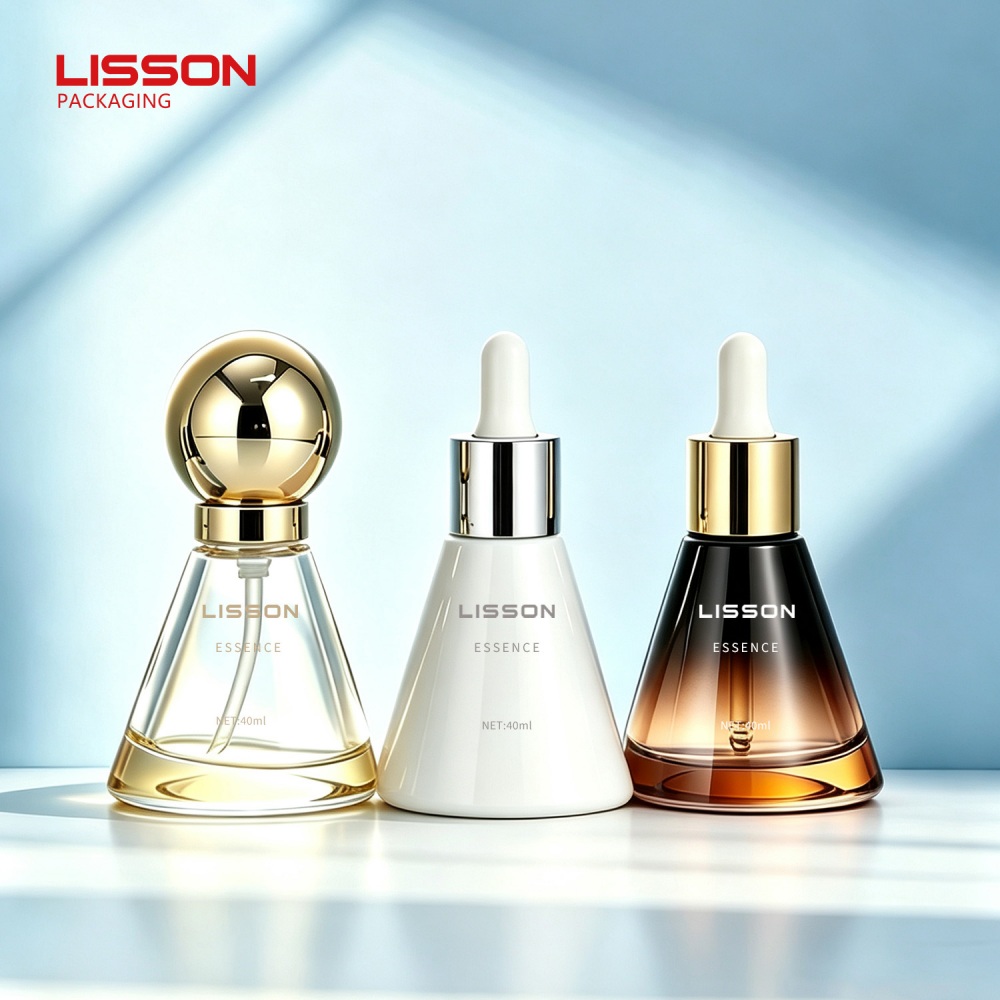
Different dropper designs and bottle configurations require appropriate fit, sealing, and dispensing checks.
Bottle testing is the inspection and evaluation of an individual container to determine whether it meets the required specifications for dimensions, appearance, capacity, and structural quality. For glass cosmetic bottles, this process helps identify defects before the containers move into filling, assembly, and distribution.
Typical bottle testing and inspection checks include:
For example, a 30 ml glass serum bottle may have the correct capacity, an acceptable surface finish, and dimensions within specification. These results show that the bottle meets its individual requirements, but they do not prove that a particular dropper assembly will seal correctly or dispense the desired amount of serum.
Brands developing liquid skincare products can compare different designs in LISSON's glass dropper bottle collection before defining their container specifications and inspection criteria.
Packaging system testing evaluates the complete assembled package rather than the glass container alone. Depending on the product, the system may include a glass bottle, pump or dropper, cap, collar, gasket, liner, decorative components, and the cosmetic formula inside.
The purpose is to determine whether these components work together throughout filling, capping, storage, transportation, and consumer use. A packaging system can fail even when every individual component appears acceptable during a separate inspection.
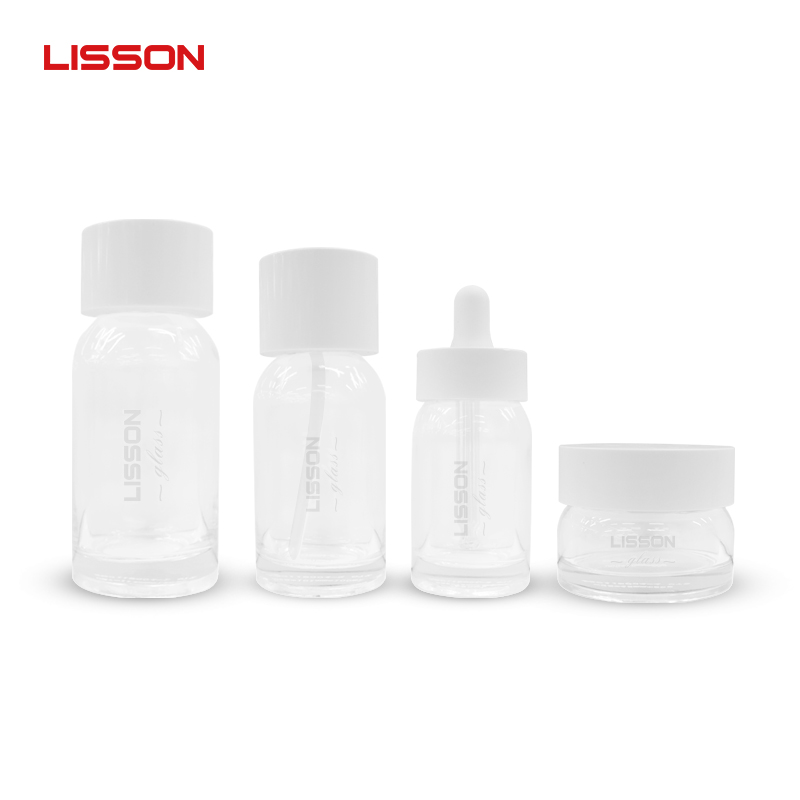
A complete skincare packaging set combines different containers and closures that must be evaluated for their intended applications.
Common packaging system tests include:
For instance, a glass bottle may pass dimensional inspection, but its neck finish may not match the selected pump. The assembled package could then leak, loosen during transport, or fail to dispense consistently. Packaging system testing helps identify these problems before they affect a commercial launch.
For brands requiring coordinated bottles, closures, and dispensing components, LISSON's custom glass packaging solutions provide a starting point for discussing bottle specifications, component matching, and packaging development requirements.
The main difference between bottle testing and packaging system testing is the scope of evaluation. Bottle testing establishes whether the container meets its own specifications. Packaging system testing establishes whether the complete package performs as required in its intended application.
| Comparison | Bottle Testing | Packaging System Testing |
|---|---|---|
| Testing scope | Individual glass container | Complete assembled package |
| Main objective | Verify bottle quality and specifications | Verify overall functionality and compatibility |
| Typical checks | Dimensions, appearance, capacity, glass defects | Sealing, dispensing, formula compatibility, transportation |
| Formula included? | Not necessarily | Usually included when evaluating real-use compatibility and stability |
| Typical problems identified | Cracks, dimensional variation, visual defects | Leaks, pump mismatch, inconsistent dispensing, transportation failures |
| Typical application | Incoming inspection and container approval | Pre-production validation and launch readiness |
Neither testing approach replaces the other. Bottle testing helps establish a reliable container baseline, while packaging system testing identifies compatibility and performance issues that only appear when components are assembled and used together.
A bottle can pass its own inspection but still fail in the finished packaging configuration because individual component quality does not automatically guarantee system compatibility. The most common causes involve closure fit, formula interaction, dispensing behavior, and real-world handling conditions.
Neck and closure mismatch: A bottle neck and a pump or cap may differ in thread dimensions, sealing geometry, or tolerances. Even a small mismatch can affect tightening, sealing, and long-term stability.
Formula interaction: A cosmetic formula may interact with a gasket, liner, pump component, coating, or other product-contact material. Potential outcomes include swelling, discoloration, odor changes, leakage, or changes in product performance.
Dispensing problems: A dropper may not draw up a viscous serum effectively, or a pump may deliver inconsistent doses. The glass container itself may have no detectable defect, but the user experience can still be unsatisfactory.
Transportation stress: Changes in pressure, vibration, temperature, and package orientation can expose weaknesses that are not apparent during a simple visual inspection.
Filling-line incompatibility: A package that works during manual assembly may behave differently on automated filling and capping equipment. Bottle stability, component feeding, cap application, and line speed should be considered during validation.
These issues are especially relevant when a skincare brand uses multiple bottle sizes, dispensing systems, and jars within one collection. A consistent appearance is valuable, but every bottle and closure combination must also perform as intended. A coordinated glass cosmetic bottle and jar packaging set illustrates why different containers and closures should be evaluated according to their specific applications.
The right testing plan depends on the formula, bottle design, closure type, intended shelf life, distribution route, and applicable market requirements. A lightweight facial serum, alcohol-based perfume, and thick moisturizing cream do not necessarily need the same test conditions.
For a practical pre-production review, cosmetic brands can use the following checklist:
Testing should follow suitable methods and agreed acceptance criteria rather than relying on a generic checklist alone. For example, the required leakage test may depend on the closure design and product characteristics, while transportation testing should reflect expected distribution conditions. A successful result in one test does not automatically establish compliance with every market or product requirement.
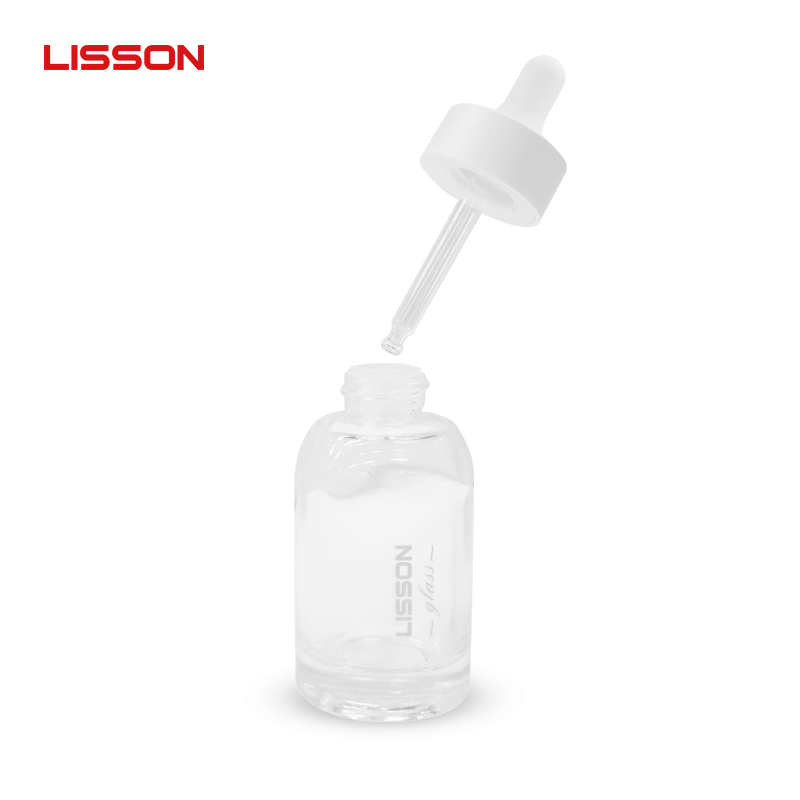
Bottle neck dimensions, dropper fit, and sealing components should be checked during packaging development.
Brands developing a broader skincare range can also review customized dropper glass bottle and jar sets when comparing container configurations and closure options for different cosmetic formulations.
Bottle testing should begin during sample evaluation and continue through the agreed production quality-control process. Packaging system testing should be performed once the intended bottle, closure, dispensing components, and formula configuration are available for evaluation.
During design and sampling: Review bottle dimensions, material specifications, appearance, closure compatibility, and dispensing requirements. Identify potential problems before approving final samples.
Before mass production: Test representative assembled packages using the intended formula and relevant filling and storage conditions. Approve the final configuration against documented requirements.
During production: Continue appropriate incoming, in-process, and finished-product inspections. Verify that dimensions, appearance, assembly, and critical performance characteristics remain within the agreed limits.
After a design or material change: Review whether additional testing is necessary. Changes to the formula, bottle neck, closure, liner, pump, coating, supplier, or manufacturing process may affect the validity of previous results.
Discussing the formula, filling requirements, closure design, and distribution environment early helps define a suitable validation plan. Visit LISSON's customization service page to explore glass packaging development options for skincare and cosmetic brands.
For cosmetic brands sourcing glass bottles, packaging selection and testing should be planned together. Bottle design, capacity, neck finish, closure, formula, decoration, and production requirements all influence the final packaging specification.
LISSON offers glass packaging options for perfume and skincare applications, including glass dropper bottles, skincare bottles, and coordinated cosmetic bottle sets. Buyers can compare existing designs and discuss customization requirements before finalizing samples.
The key is to distinguish between a bottle that meets its individual quality requirements and a complete packaging system that performs reliably in actual use. Reviewing both helps reduce the risk of discovering compatibility or dispensing problems after a large production order has already been placed.
What is the main difference between bottle testing and packaging system testing?
Bottle testing checks the individual container for dimensions, appearance, capacity, and structural quality. Packaging system testing evaluates the assembled package, including the bottle, closure, dispensing components, and formula where applicable, to verify sealing, compatibility, dispensing, storage, and transportation performance.
Can a glass bottle pass inspection but still leak?
Yes. Leakage may result from an incompatible bottle neck and closure, a defective seal, incorrect capping conditions, or changes under transport and storage conditions. Testing the assembled package is necessary to evaluate these risks.
Should cosmetic packaging be tested with the actual formula?
Whenever formula compatibility and long-term product stability are relevant, testing with the actual formula is preferred. Evaluate potential interactions with the bottle, closure, liner, pump, dropper, and other product-contact components under defined conditions.
What should be tested on a glass dropper bottle?
Inspect the glass body, dimensions, neck finish, and appearance. Then evaluate dropper fit, sealing, liquid pickup, dispensing consistency, formula compatibility, and leakage under relevant handling and storage conditions.
Is packaging system testing necessary before mass production?
Yes. Pre-production system testing helps identify component mismatch, leakage, dispensing problems, formula interactions, and filling-line issues before large quantities are manufactured. The test plan should reflect the packaging design and intended use.
Does passing bottle testing guarantee that the package is safe for transportation?
No. Bottle inspection alone does not establish the performance of the filled and closed package during distribution. Appropriate package-level testing should consider the closure, product, shipping method, vibration, impact, and relevant environmental conditions.
When should packaging system testing be repeated?
Repeat or review testing when a change could affect performance, such as a new formula, bottle design, neck finish, closure, pump, liner, coating, supplier, or production process. The scope of revalidation should be based on the nature and risk of the change.
Tags :
WhatsApp : +86 15099958531
Email : lissontube@gzlisson.com
Phone : +0086 15099958531