other
  • Why Does a Thick Cosmetic Formula Cause Pump Problems?
    Why Does a Thick Cosmetic Formula Cause Pump Problems? Oct 20, 2026
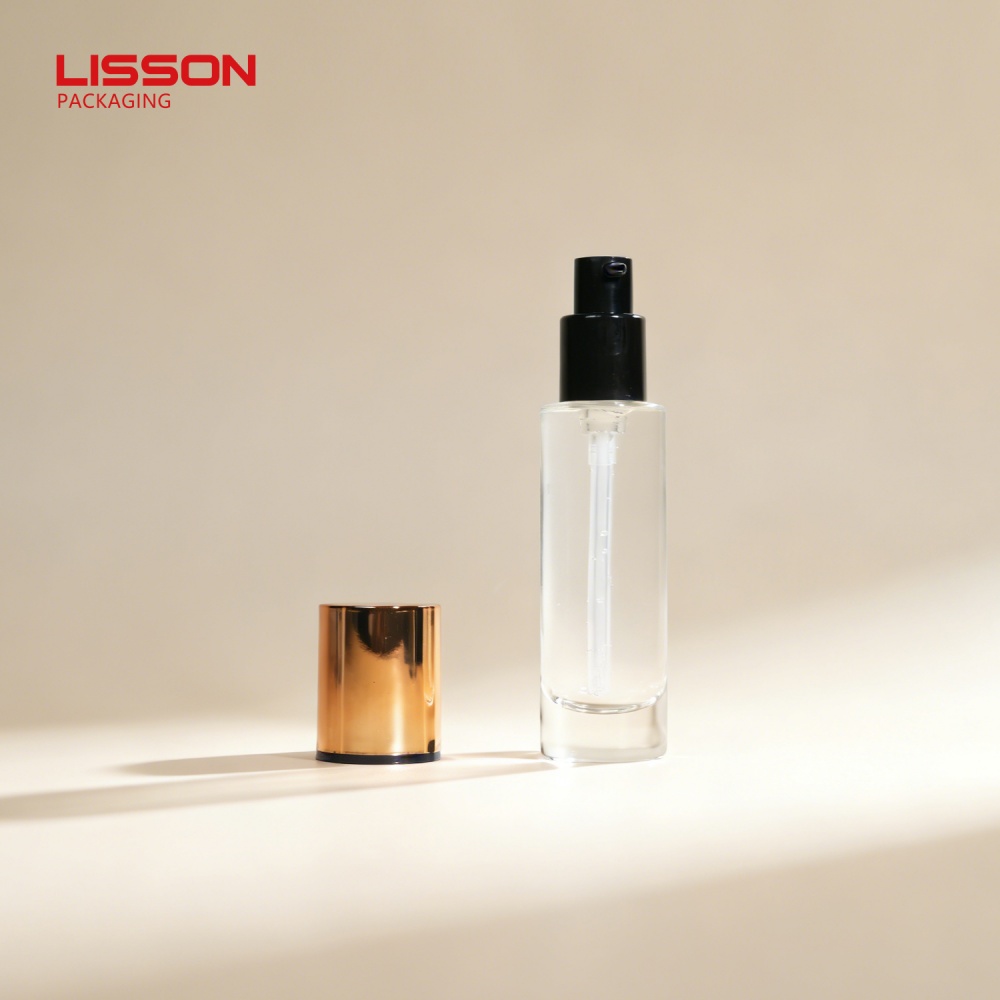
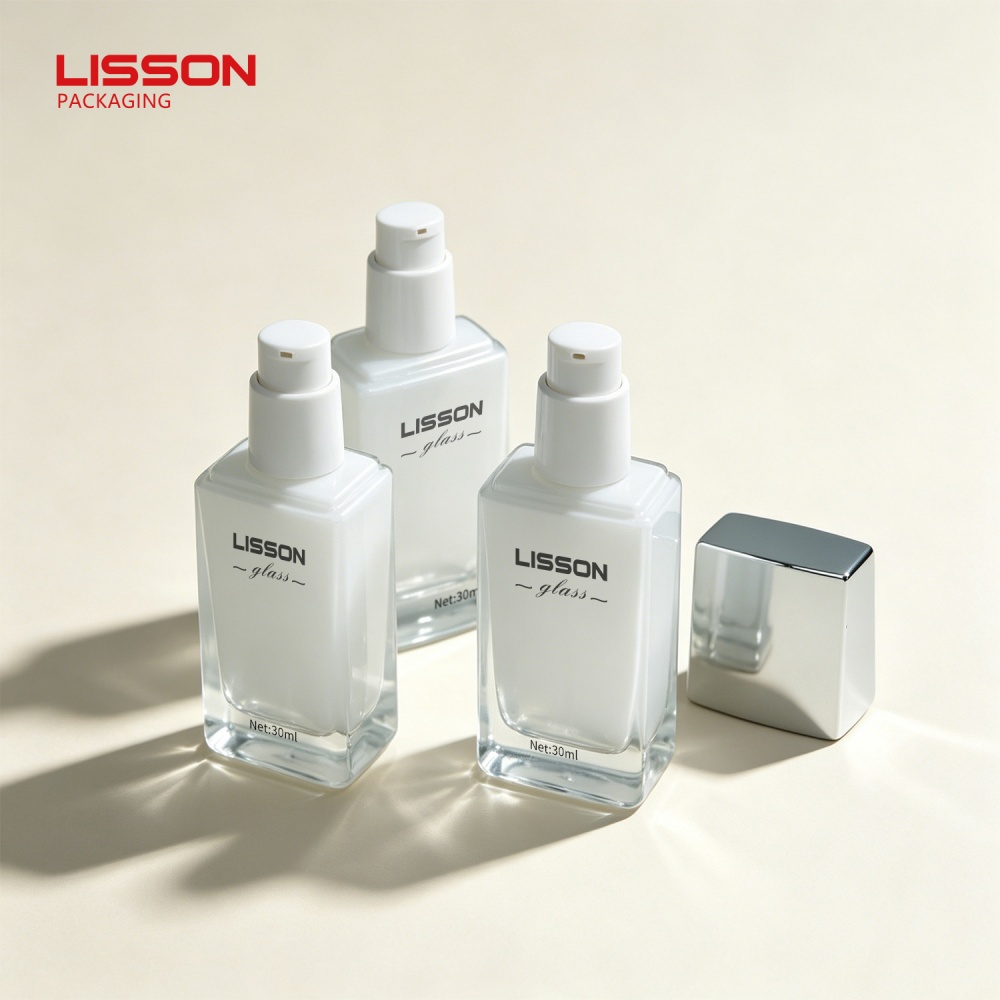
    A thick cosmetic formula can cause pump problems when the dispensing system cannot draw, move, or release the product efficiently. Common symptoms include slow dispensing, excessive resistance when pressing the pump, inconsistent doses, repeated priming, and a pump that releases air instead of lotion. The most effective solution is to match the formula's viscosity with the pump's intake capacity, internal passage design, and dispensing output. The bottle shape, dip tube length, storage temperature, and formula composition also influence performance. For skincare brands developing lotions, creams, liquid foundations, and concentrated treatments, choosing packaging should involve testing the actual formula with the intended bottle and pump. LISSON offers glass lotion bottles with pump options for cosmetic packaging projects, allowing brands to evaluate the bottle and dispensing system together. Why Does a Thick Cosmetic Formula Cause Pump Problems? High-viscosity cosmetic formulas resist flowing more strongly than thinner liquids. A pump must create enough pressure difference to draw the product through the dip tube and move it through the pump chamber and nozzle. When the formula is too thick for the selected dispensing system, product flow may become slow or irregular. The pump may need more force to operate, dispense a smaller amount than expected, or fail to draw the formula into its internal chamber. Several factors can contribute to this problem: High formula viscosity: Thick creams and dense lotions may require a dispensing system designed for more resistant formulas. Narrow internal passages: Small intake channels or dispensing openings can restrict the movement of a viscous product. Unsuitable pump design: A pump designed for a lightweight serum may not perform well with a dense cream. Incorrect dip tube length: A tube that is too short, too long, or poorly positioned may interfere with product intake or evacuation. Temperature changes: Some cosmetic formulas become more viscous at lower temperatures, making them harder to dispense. Formula instability or residue: Particles, crystallization, dried product, or changes in the formula can obstruct the intake or nozzle. A pump that struggles with thick lotion is not necessarily defective. The underlying issue may be a mismatch between the formula and the packaging system. What Are the Most Common Symptoms of a Pump Handling Thick Lotion? Recognizing the symptoms helps cosmetic brands identify whether the issue is related to viscosity, pump compatibility, or a mechanical fault. The pump is difficult to press. Thick product may require more force to move through the dispensing system. However, unusual resistance can also indicate a damaged pump, a blocked nozzle, or an assembly problem. The product comes out slowly. A high-viscosity formula may take longer to travel through the pump and nozzle, particularly if the dispensing passages are not suitable for the product. The pump releases air but no lotion. The pump may not have been primed, the dip tube may not be drawing product, or the formula may be too difficult for the pump to lift. The amount dispensed varies. If the pump cannot refill its chamber consistently between presses, the dose may fluctuate. This can affect how much product consumers receive with each use. Product remains inside the bottle. The formula may be too thick to flow toward the dip tube, or the bottle geometry may make it difficult to collect the remaining product. These symptoms should be assessed together. Replacing the pump without checking the formula, dip tube, and bottle assembly may not solve the underlying problem. How Does Formula Viscosity Affect Pump Performance? Viscosity describes a fluid's resistance to flow. A low-viscosity serum generally moves more easily through a dispensing system, while a high-viscosity cream may require a pump with suitable intake and discharge characteristics. However, viscosity alone does not determine whether a pump will work. Two cosmetic formulas with similar viscosity readings may behave differently because of their composition, shear-thinning behavior, temperature sensitivity, or suspended ingredients. For example, a lotion may become easier to spread and flow when shear is applied, while another cream may remain comparatively resistant. This means that a single viscosity measurement may not fully predict how the formula behaves inside a pump. When evaluating packaging for a new formula, brands should consider: The formula's viscosity at the intended filling, storage, and usage temperatures. Whether the formula changes viscosity when it is stirred, pumped, or exposed to shear. The presence of particles, waxes, or ingredients that may obstruct narrow passages. The required amount of product per press. The consistency of dispensing throughout the product's shelf life. Testing with the actual formulation is more reliable than choosing a pump based only on product descriptions such as “lotion pump” or “cream pump.” How to Choose a Pump for Thick Cosmetic Formulas The correct pump should be selected according to the formula's flow behavior, desired dose, packaging dimensions, and consumer usage requirements. A pump that works well with a lightweight facial lotion may not be suitable for a dense moisturizer or a highly viscous liquid foundation. Start by discussing the formula with the packaging supplier. Provide its approximate viscosity, operating temperature range, and any relevant information about suspended ingredients or formula behavior. Next, evaluate the pump's dispensing characteristics. Important considerations include the intake design, internal flow passages, actuator force, output per press, and ability to refill the dispensing chamber between uses. Finally, test the selected pump with the actual bottle. Confirm that the dip tube reaches the product appropriately, the pump fits securely, and the formula can be dispensed consistently from a full bottle to near-empty conditions. For example, LISSON's 30ml flat-square glass lotion bottle with an 18mm pump system is presented for liquid foundations, serums, and premium lotions. Its specifications make it a useful packaging option to evaluate, but the actual formula should still be tested before confirming suitability for a particular high-viscosity product. Are Airless Pump Bottles Better for Thick Creams? Airless packaging can be worth evaluating for certain skincare formulas, but it is not automatically the best solution for every thick cream. Performance depends on the specific dispensing mechanism, formula properties, and packaging configuration. Traditional dip-tube pumps draw product upward through a tube. Airless systems use a different dispensing arrangement, often involving a piston or another mechanism that moves the product toward the outlet. Depending on the design, this can help reduce product exposure to air and improve product evacuation. For high-viscosity formulas, brands should verify whether the airless mechanism can move the product consistently without excessive resistance, incomplete evacuation, or inconsistent doses. Consider the following before choosing airless packaging: Whether the formula can move through the system at the intended temperature. Whether the dispensing mechanism is compatible with the formula's texture and composition. Whether the selected package delivers the desired amount per press. Whether the product can be dispensed consistently as the container empties. Whether the packaging materials are compatible with the formula over the intended shelf life. Brands can explore LISSON's glass cosmetic packaging range when comparing packaging styles for skincare and cosmetic products. The final choice should be based on the actual dispensing requirements rather than the packaging type alone. How Bottle Design and Dip Tube Length Affect Thick Formulas The bottle and pump work as one dispensing system. Even a suitable pump can perform poorly if the bottle geometry or dip tube configuration prevents the formula from reaching the intake consistently. A dip tube that is too short may leave a noticeable amount of product at the bottom. A tube that is too long or incorrectly positioned may bend, become obstructed, or interfere with the bottle base. The correct configuration depends on the internal dimensions of the bottle and the design of the pump. Bottle geometry also matters. A container with a narrow shoulder or a shape that traps thick product away from the intake may make the final portion of the formula harder to dispense. For products that do not flow readily, testing the bottle's internal shape can be just as important as testing the pump. When comparing packaging options, LISSON's 30ml round clear glass lotion bottle with gold cap offers another bottle-and-pump configuration to review. Check the specific product specifications and test the intended formula before selecting it for a thick lotion or cream. How to Test Pump Performance Before Mass Production Testing the actual formula and packaging combination before mass production helps identify dispensing issues before they affect a large quantity of finished products. A practical validation process should include the following checks: Initial priming: Record how many full presses are required before the formula begins dispensing. Dose consistency: Measure the amount dispensed over repeated presses to identify variation. Actuation force: Check whether the pump can be operated comfortably and consistently. Leakage and closure integrity: Inspect the assembled package under appropriate storage and transport test conditions. Temperature performance: Evaluate dispensing at relevant temperatures if the formula's viscosity changes with temperature. Product evacuation: Assess how much formula remains in the bottle when normal dispensing becomes difficult. Formula compatibility: Confirm that the formula does not cause unacceptable changes to the pump or other packaging components during the planned storage period. For B2B cosmetic brands, distributors, and private-label manufacturers, these checks help determine whether a dispensing issue comes from the formula, the pump, the bottle design, or the assembly process. If a pump repeatedly fails with the intended formula, the supplier should review the test results and recommend a more suitable dispensing configuration rather than assuming that the same pump will work for every cosmetic product. How Cosmetic Brands Can Prevent Thick Formula Pump Problems Preventing pump problems begins during packaging development, not after the product reaches consumers. The formula and packaging should be assessed together before the final specification is approved. Share formula information early: Tell the packaging supplier whether the product is a lightweight lotion, dense cream, liquid foundation, or another high-viscosity formulation. Request technical specifications: Review pump output, compatible bottle dimensions, and available dispensing options. Test real samples: Evaluate the actual formula in the selected bottle and pump rather than relying only on water-based demonstrations. Check the full product lifecycle: Consider dispensing performance when the bottle is full, partially used, and nearly empty. Validate any component changes: Reassess compatibility if the formula, pump, bottle, or filling process changes. For brands developing new skincare packaging, LISSON's customization service is a relevant starting point for discussing bottle appearance, branding, and packaging requirements. Provide the formula details and dispensing expectations so the proposed packaging can be assessed for the intended application. The key principle is simple: a thick cosmetic formula needs a dispensing system that can handle its flow characteristics. Matching the pump, dip tube, and bottle—and validating them with the real formula—is the most reliable way to reduce clogging, slow dispensing, and inconsistent doses. Frequently Asked Questions Why does a thick cosmetic formula cause pump problems? A thick formula resists flow, making it harder for the pump to draw product through the dip tube and move it through internal passages. If the pump is not suitable for the formula's viscosity, dispensing may become slow, inconsistent, or impossible. Can thick lotion permanently damage a cosmetic pump? Not necessarily. A thick lotion may simply be incompatible with the pump's dispensing capability. However, excessive force, repeated blockage, or formula residue can affect performance. Check the formula, pump specifications, and assembly before deciding whether replacement is necessary. What type of pump is suitable for high-viscosity cosmetic formulas? The suitable pump depends on the formula's viscosity, flow behavior, desired dose, and packaging dimensions. Ask the supplier for a pump designed for the intended product and validate its performance with the actual formula. Are airless pump bottles suitable for thick creams? Some airless systems may work well with selected thick creams, but suitability depends on the mechanism and formula. Test dispensing consistency, product evacuation, and compatibility before approving the package. Why does a lotion pump work at room temperature but fail in cold conditions? Some cosmetic formulas become more viscous at lower temperatures, which increases resistance to flow. If the product may be stored or transported in colder conditions, test the formula and pump at the relevant temperatures. How can I reduce the amount of thick cream left inside a glass bottle? Review the bottle's internal geometry, dip tube length and position, pump intake design, and formula flow behavior. Test the complete package to determine whether the remaining product can be reduced with a different configuration. What should be tested before ordering glass lotion bottles in bulk? Test initial priming, dose consistency, actuation force, leakage, formula compatibility, temperature performance where relevant, and product evacuation. Approve the actual bottle and pump combination before mass production. Can LISSON provide glass cosmetic bottles for lotion and foundation products? LISSON offers glass cosmetic packaging options, including glass lotion bottles with pump systems. Share the formula type, viscosity information, desired dispensing dose, bottle capacity, and customization requirements to help determine which packaging options should be evaluated. { "@context": "https://schema.org", "@type": "FAQPage", "mainEntity": [ { "@type": "Question", "name": "Why does a thick cosmetic formula cause pump problems?", "acceptedAnswer": { "@type": "Answer", "text": "A thick formula resists flow, making it harder for the pump to draw product through the dip tube and move it through internal passages. If the pump is not suitable for the formula's viscosity, dispensing may become slow, inconsistent, or impossible." } }, { "@type": "Question", "name": "Can thick lotion permanently damage a cosmetic pump?", "acceptedAnswer": { "@type": "Answer", "text": "Not necessarily. A thick lotion may simply be incompatible with the pump's dispensing capability. However, excessive force, repeated blockage, or formula residue can affect performance. Check the formula, pump specifications, and assembly before deciding whether replacement is necessary." } }, { "@type": "Question", "name": "What type of pump is suitable for high-viscosity cosmetic formulas?", "acceptedAnswer": { "@type": "Answer", "text": "The suitable pump depends on the formula's viscosity, flow behavior, desired dose, and packaging dimensions. Ask the supplier for a pump designed for the intended product and validate its performance with the actual formula." } }, { "@type": "Question", "name": "Are airless pump bottles suitable for thick creams?", "acceptedAnswer": { "@type": "Answer", "text": "Some airless systems may work well with selected thick creams, but suitability depends on the mechanism and formula. Test dispensing consistency, product evacuation, and compatibility before approving the package." } }, { "@type": "Question", "name": "Why does a lotion pump work at room temperature but fail in cold conditions?", "acceptedAnswer": { "@type": "Answer", "text": "Some cosmetic formulas become more viscous at lower temperatures, which increases resistance to flow. If the product may be stored or transported in colder conditions, test the formula and pump at the relevant temperatures." } }, { "@type": "Question", "name": "How can I reduce the amount of thick cream left inside a glass bottle?", "acceptedAnswer": { "@type": "Answer", "text": "Review the bottle's internal geometry, dip tube length and position, pump intake design, and formula flow behavior. Test the complete package to determine whether the remaining product can be reduced with a different configuration." } }, { "@type": "Question", "name": "What should be tested before ordering glass lotion bottles in bulk?", "acceptedAnswer": { "@type": "Answer", "text": "Test initial priming, dose consistency, actuation force, leakage, formula compatibility, temperature performance where relevant, and product evacuation. Approve the actual bottle and pump combination before mass production." } }, { "@type": "Question", "name": "Can LISSON provide glass cosmetic bottles for lotion and foundation products?", "acceptedAnswer": { "@type": "Answer", "text": "LISSON offers glass cosmetic packaging options, including glass lotion bottles with pump systems. Share the formula type, viscosity information, desired dispensing dose, bottle capacity, and customization requirements to help determine which packaging options should be evaluated." } } ] }
  • What Happens If a Cosmetic Bottle Neck Does Not Match the Pump?
    What Happens If a Cosmetic Bottle Neck Does Not Match the Pump? Oct 15, 2026
    When a cosmetic bottle neck does not match the pump, the packaging may leak, loosen during transport, dispense inconsistently, or fail to close properly. Even if the glass bottle and pump look compatible, a difference in neck diameter, thread design, or closure dimensions can prevent them from forming a secure connection. For skincare brands, cosmetic packaging distributors, and private-label manufacturers, the solution is to verify the bottle neck finish and pump specifications before mass production. LISSON provides glass lotion bottles with pump options and customized packaging solutions, helping brands evaluate bottle design and dispensing components as a complete system. What Happens When a Cosmetic Bottle Neck Does Not Match the Pump? A cosmetic bottle neck and pump that do not fit correctly can create several practical problems. The exact result depends on the type of mismatch and the pump design. Product leakage: The closure may not create a reliable seal, allowing lotion, serum, or other formulas to escape during storage or shipping. Loose or unstable pump: The pump may wobble, sit unevenly, or fail to remain securely attached to the bottle. Difficulty installing the pump: A mismatched thread or closure dimension may prevent the pump from engaging correctly with the bottle neck. Inconsistent dispensing: If the pump assembly is not seated correctly, the dip tube or sealing components may not function as intended. Packaging line delays: Poor component compatibility can lead to rejected bottles, additional inspection, rework, and production downtime. One important distinction is that a bottle neck mismatch does not automatically mean the pump mechanism itself is defective. A pump can work correctly with its intended bottle but fail when fitted to an incompatible container. For this reason, brands should inspect the bottle finish, pump closure, and assembled packaging together rather than replacing the pump immediately. Why Bottle Neck and Pump Compatibility Matters The bottle neck is the interface between the container and its closure. Depending on the packaging design, compatibility may involve the neck's outer diameter, thread profile, neck height, sealing surface, and the dimensions of the pump's closure. Several specifications need to be considered during selection: Neck diameter: The pump closure must be designed for the bottle's specified neck dimensions. Thread specification: For threaded closures, the thread profile, pitch, and engagement must be compatible. Sealing surface: The gasket, liner, or other sealing feature must contact the intended surface correctly. Closure height and geometry: The pump collar should sit properly on the bottle without abnormal gaps or interference. Dip tube length: The tube should suit the bottle's internal depth and shape so the pump can draw product effectively. For example, two pumps may look almost identical but use different neck finishes. A pump that screws onto one glass bottle may not seal correctly on another, even if both containers have a similar capacity and appearance. Brands developing custom glass cosmetic bottles should therefore confirm the technical specifications before approving the packaging design. How to Identify a Bottle Neck and Pump Mismatch Before changing a component, check how the pump fits the bottle and whether the problem occurs consistently across samples. Check the fit first. The pump should sit evenly on the neck and engage according to its intended closure design. Do not force a pump onto a bottle if the threads resist or the components appear misaligned. Inspect the closure. Look for visible gaps, cross-threading, an uneven collar, damaged threads, or a sealing component that is missing or incorrectly positioned. Check for leakage. Test the assembled packaging with the intended formula or an appropriate test liquid, following the product's compatibility and quality procedures. Inspect the closure and bottle exterior after the test. Test dispensing. Confirm that the pump primes correctly and dispenses consistently. If the pump fits securely but does not draw product, investigate the dip tube, pump mechanism, formula viscosity, and assembly process as well. Compare multiple samples. If several bottles show the same problem, review the component specifications and assembly method. If only one unit is affected, inspect that unit for a localized defect or assembly error. A visual check is useful, but it cannot confirm every critical dimension. For commercial production, measurements, component drawings, samples, and appropriate fit and leakage tests provide stronger evidence of compatibility. How to Choose the Correct Pump for a Glass Cosmetic Bottle The correct pump is not simply the one that fits the bottle opening. It must also work with the cosmetic formula, dispensing requirements, and intended packaging application. Start by identifying the bottle's neck finish and the pump closure specification. Ask the supplier for technical drawings or written specifications rather than relying on a visual comparison or a general description such as “standard pump.” Next, consider the formula. A lightweight serum, a facial lotion, and a thicker liquid foundation may require different pump outputs or dispensing mechanisms. A neck-compatible pump can still perform poorly if it is not suitable for the formula's viscosity. Also consider the required dose per press, dip tube length, closure material, and any relevant formula compatibility requirements. If the packaging will be shipped internationally, include transport and leakage testing in the validation process. For example, LISSON's 30ml flat-square glass lotion bottle is listed with an 18mm pump system. That specification belongs to this particular product configuration; it should not be assumed to fit every bottle described as a 30ml glass cosmetic bottle. Confirm the exact bottle and pump combination with the supplier before placing a bulk order. Can You Use a Different Pump Without Changing the Bottle? Yes, in some cases. If the existing bottle neck is suitable and another pump is available with the correct closure specification, changing the pump may be simpler than redesigning the bottle. However, the alternative must be verified rather than selected by appearance alone. If no suitable pump is available for the existing neck finish, the project team may need to consider a different bottle, a compatible closure design, or a revised neck specification for a new packaging development. Before making a change, compare the following: Whether the replacement pump matches the existing neck finish. Whether the pump's sealing system works with the bottle. Whether the dip tube length and pump output suit the formula and bottle dimensions. Whether the new assembly can run on the filling and capping equipment. Whether samples pass the required dispensing, leakage, and transport checks. When a project requires coordinated bottle, pump, and cap development, LISSON's custom glass packaging service can be considered for reviewing bottle dimensions, closure options, decoration, and component compatibility during packaging development. How to Prevent Compatibility Problems Before Mass Production The most cost-effective time to resolve a bottle neck mismatch is before the packaging order enters mass production. A simple compatibility checklist can help purchasing, product development, and quality teams work from the same specifications. Confirm technical drawings: Obtain the bottle neck finish and pump closure specifications, including relevant dimensions and tolerances. Approve a physical sample: Check the actual bottle and pump combination instead of approving each component separately. Test the intended formula: Evaluate priming, dispensing, leakage, and formula compatibility under appropriate conditions. Validate filling and capping: Confirm that the assembled package works with the planned production process. Document the approved combination: Record the bottle model, pump model, closure specification, and sample approval to reduce the risk of unintended substitutions. Recheck changes: If a supplier changes the bottle, pump, or closure, assess whether new compatibility testing is required. These steps are especially useful for private-label skincare brands and distributors sourcing packaging from multiple suppliers. A bottle and pump may each meet their individual specifications but still fail as an assembled unit if their interfaces have not been matched. What Should You Send a Supplier When Requesting a Matching Pump? To help a packaging supplier identify a suitable pump, provide as much of the following information as possible: The bottle model or a clear photo of the bottle and neck. The neck finish specification or technical drawing, if available. The desired pump style and closure appearance. The formula type and approximate viscosity. The required dispensing dose and bottle capacity. The expected order quantity and filling process. Any leakage, transport, or formula compatibility requirements. If you already have a bottle but are unsure which pump fits, send the bottle sample or its technical drawing for review. If you are developing new packaging, it is usually more efficient to assess the bottle and dispensing system together before confirming the final design. For brands looking for coordinated glass bottles and dispensing components, LISSON offers glass lotion bottle packaging options for skincare and cosmetic applications. Confirm the specific neck finish, pump configuration, and sample performance with the supplier before production. Frequently Asked Questions What happens if a cosmetic bottle neck is too large for the pump? If the neck and closure are incompatible, the pump may not secure properly or create an effective seal. This can cause looseness or leakage. The correct solution is to verify the neck finish and use a compatible closure. Can a pump fit a bottle but still leak? Yes. A pump may appear to fit while the thread engagement, sealing surface, gasket, or closure dimensions remain incompatible. Leakage testing is necessary to confirm the assembled package performs correctly. Are all cosmetic bottle pumps interchangeable? No. Cosmetic pumps differ in neck finish, closure dimensions, dispensing output, dip tube design, and formula suitability. Compatibility should be confirmed for the specific bottle and pump combination. How do I find the correct pump size for a glass cosmetic bottle? Check the bottle's neck finish specification and compare it with the pump's closure drawing. Do not rely only on bottle capacity or the pump's appearance. Ask the supplier to confirm the fit and test samples before bulk production. Should I replace the bottle or the pump if they do not match? It depends on which component can be changed most practically. If a compatible pump is available, replacing the pump may be sufficient. If not, a different bottle or a revised packaging design may be required. Test the complete assembly before approving the change. What should be tested before ordering cosmetic bottles in bulk? At minimum, confirm dimensional compatibility, closure security, dispensing performance, leakage resistance, formula compatibility, and suitability for the filling and transport process. The exact test plan depends on the formula and packaging application. Can LISSON help with custom glass bottles and matching pumps? LISSON offers custom glass cosmetic packaging and dispensing component options. Share your bottle specifications, formula requirements, pump preference, and target quantity so the packaging combination can be reviewed for your project. { "@context": "https://schema.org", "@type": "FAQPage", "mainEntity": [ { "@type": "Question", "name": "What happens if a cosmetic bottle neck is too large for the pump?", "acceptedAnswer": { "@type": "Answer", "text": "If the neck and closure are incompatible, the pump may not secure properly or create an effective seal. This can cause looseness or leakage. The correct solution is to verify the neck finish and use a compatible closure." } }, { "@type": "Question", "name": "Can a pump fit a bottle but still leak?", "acceptedAnswer": { "@type": "Answer", "text": "Yes. A pump may appear to fit while the thread engagement, sealing surface, gasket, or closure dimensions remain incompatible. Leakage testing is necessary to confirm the assembled package performs correctly." } }, { "@type": "Question", "name": "Are all cosmetic bottle pumps interchangeable?", "acceptedAnswer": { "@type": "Answer", "text": "No. Cosmetic pumps differ in neck finish, closure dimensions, dispensing output, dip tube design, and formula suitability. Compatibility should be confirmed for the specific bottle and pump combination." } }, { "@type": "Question", "name": "How do I find the correct pump size for a glass cosmetic bottle?", "acceptedAnswer": { "@type": "Answer", "text": "Check the bottle's neck finish specification and compare it with the pump's closure drawing. Do not rely only on bottle capacity or the pump's appearance. Ask the supplier to confirm the fit and test samples before bulk production." } }, { "@type": "Question", "name": "Should I replace the bottle or the pump if they do not match?", "acceptedAnswer": { "@type": "Answer", "text": "It depends on which component can be changed most practically. If a compatible pump is available, replacing the pump may be sufficient. If not, a different bottle or a revised packaging design may be required.
  • What Should Cosmetic Brands Check Before Filling Glass Bottles?
    What Should Cosmetic Brands Check Before Filling Glass Bottles? Oct 14, 2026
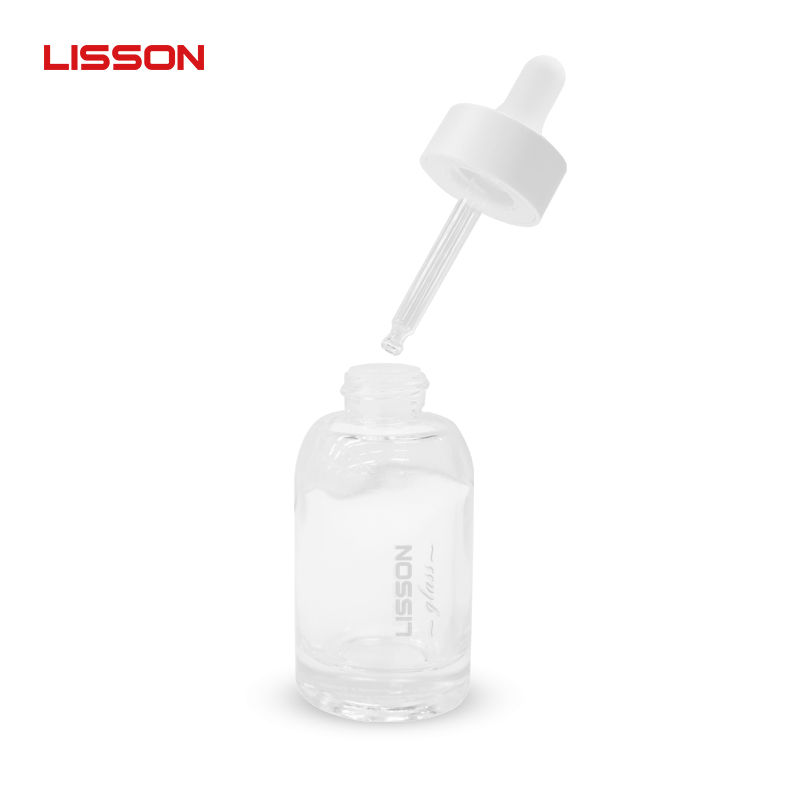
    Before filling glass bottles with skincare products, cosmetic brands should check bottle cleanliness, glass condition, formula compatibility, closure fit, dispensing performance, and leakage resistance. These checks help reduce contamination risks, filling-line interruptions, product waste, and packaging complaints after launch. For cosmetic manufacturers and private label brands, a glass bottle is not ready for production simply because it looks good and has the correct capacity. The bottle, pump, dropper, cap, seal, and formula must work together under actual filling, storage, transportation, and consumer-use conditions. Whether you are preparing a new serum, facial oil, lotion, or premium skincare collection, the following checklist explains what to inspect before filling and how to select suitable packaging from LISSON's cosmetic glass packaging collection. Why Should Cosmetic Glass Bottles Be Inspected Before Filling? Pre-filling inspection checks whether packaging is suitable for the product and ready for the filling process. Finding a problem before filling is generally easier and less expensive than identifying it after the bottles contain finished cosmetics. A bottle with a chipped rim may not seal properly. A pump that does not match the formula viscosity may dispense too slowly or stop working. Dust or foreign particles inside a bottle can also affect product quality, particularly for premium skincare products. Brands should establish inspection requirements before mass production rather than relying only on a visual check at the end of the packaging process. The inspection should cover the glass container, closure components, formula compatibility, filling equipment, and finished-package performance. Check the Glass Bottle for Cracks, Chips, and Surface Defects The first step is to inspect the physical condition of the bottles. Pay particular attention to the bottle mouth, neck, shoulder, base, and other areas that may experience stress during handling or filling. Cracks and chips: Look for visible damage around the neck, rim, body, and base. Segregate damaged containers according to the inspection procedure. Bottle mouth: Check for irregularities that could affect cap installation, pump seating, or sealing performance. Glass thickness and shape: Compare the bottle against the approved sample and technical drawing where available. Surface finish: Check for scratches, unwanted marks, coating defects, or decoration damage outside the agreed specification. Stability: Confirm that the bottle stands securely on a flat surface when its design requires a stable base. For premium skincare products, appearance matters, but functional defects deserve equal attention. A bottle that passes a visual review should still undergo the relevant closure and compatibility checks. For new packaging projects, compare production samples with the approved reference before authorizing a bulk filling run. Explore cosmetic glass bottle and jar sets to compare coordinated packaging options for different skincare applications. Confirm Bottle Cleanliness and the Required Hygiene Process Glass bottles should be clean and free from visible foreign matter before filling. However, a bottle that looks clean is not necessarily microbiologically controlled or ready for a particular cosmetic production environment. Brands should define the required cleaning, handling, and, where applicable, sanitization or sterilization procedures according to the cosmetic formula, packaging supplier's instructions, and the filling facility's quality system. Inspect the inside and outside of bottles for dust, glass fragments, fibers, and other visible contaminants. Protect inspected containers from recontamination during storage and transfer to the filling line. Use validated or appropriately verified cleaning procedures where required. Confirm that cleaning-agent or rinse-water residue will not affect the formula or packaging. Follow the filling facility's environmental and personnel hygiene requirements. Not every glass bottle needs the same treatment. Some containers arrive ready for a specified use, while others may require additional preparation. Confirm the supplier's delivery condition before deciding whether further cleaning is necessary. Practical recommendation: Agree on bottle cleanliness requirements with your packaging supplier and filling facility before production. Document the inspection method, handling procedure, and release criteria so different production batches follow the same process. Test Whether the Glass Bottle Is Compatible with the Cosmetic Formula Glass is widely used for skincare packaging, but the complete package includes more than the glass itself. The pump, dropper, cap liner, gasket, dip tube, and other product-contact components may be made from different materials. These components must be suitable for the specific formulation. Before approving a package, provide the supplier with information about the formula's ingredients, viscosity, pH where relevant, essential oils, solvents, active ingredients, and expected storage conditions. This helps identify potential material or dispensing concerns that require testing. For example, a facial oil may require different dispensing components from a water-based toner. A concentrated serum may also interact differently with a gasket or pump component than a conventional moisturizer. Changes in formula color, odor, appearance, or other relevant quality characteristics. Swelling, deformation, corrosion, or deterioration of product-contact components. Changes in sealing performance, leakage, or dispensing behavior. Potential interactions between the formula and coatings, liners, seals, or closures. Stability under the intended storage conditions and product shelf life. Compatibility testing should use the actual formula and intended packaging configuration whenever practical. Accelerated studies may provide useful early indications, but they do not automatically replace an appropriate shelf-life and stability assessment. Brands sourcing coordinated packaging can review the luxury clear glass cosmetic bottle and jar set to compare bottle and cream jar formats for different skincare products. Final suitability should still be confirmed through formula-specific testing. Check Bottle Capacity, Neck Finish, and Closure Dimensions A bottle's nominal capacity does not tell you everything needed for filling. Brands also need to consider usable filling volume, headspace, bottle dimensions, neck finish, closure fit, and filling equipment requirements. Before production, compare the approved packaging specifications with the actual containers and closures. A cap or pump that looks compatible may still have an incorrect thread, seating surface, or dimensional tolerance. Capacity and fill volume: Establish the intended fill quantity and confirm that the bottle can accommodate it with suitable headspace. Neck finish: Verify the neck dimensions and finish against the specified closure. Closure fit: Confirm that the cap, pump, or dropper seats correctly without cross-threading or excessive force. Sealing components: Check that liners, gaskets, and seals are correctly positioned where applicable. Filling-line compatibility: Confirm that bottle dimensions and shape work with filling, conveying, capping, and labeling equipment. A dropper bottle for facial serum needs a compatible bottle neck, dropper assembly, and pipette length. A lotion bottle needs a pump that fits securely and draws the formula effectively. Brands considering different dispensing formats can explore the glass dropper bottle collection before finalizing the bottle and closure combination. Choose the Right Pump, Dropper, or Spray System The dispensing system directly affects how consumers use a cosmetic product. Before filling, check whether the selected pump, dropper, or sprayer is suitable for the formula's viscosity and intended application. Facial serums and facial oils: A suitable glass dropper bottle can support controlled dispensing when the pipette and dropper assembly work with the formula. Lotions and fluid moisturizers: A lotion pump should deliver a consistent amount without excessive force, leakage, or repeated priming problems. Toners and facial mists: A spray system should produce the intended spray pattern and operate consistently with the formula. Thicker creams and balms: Depending on viscosity and package design, a wide-mouth jar may be more practical than a conventional pump bottle. During testing, check the initial priming process, output per actuation where relevant, dispensing consistency, leakage after use, and the amount of product left inside the container. For spray products, also evaluate the spray pattern and nozzle performance. Do not select a pump based on appearance alone. A visually attractive component can still perform poorly if viscosity, dip tube length, internal mechanism, or output specification does not match the formula. Evaluate Leakage Resistance Before Mass Production Leakage testing helps determine whether the complete package can contain the formula under expected conditions. It is particularly important for products shipped internationally, stored in different orientations, or sold through e-commerce channels. A practical pre-production test should use the actual bottle, closure, seal, and formula or an appropriate test liquid where justified. The test method should reflect the risks associated with the product and distribution process. Inspect the bottle mouth and closure for visible gaps or incorrect seating. Check that caps and pumps are tightened or secured according to the specified process. Evaluate leakage in the intended storage orientation and other relevant orientations. Assess whether temperature changes or transportation conditions could affect sealing performance. Inspect for formula residue around the neck, pump, cap, or external bottle surface after testing. For products shipped by air, sea, or courier, include appropriate packaging and transportation evaluations. A package that does not leak during a short bench test may still need further testing under actual distribution conditions. Acceptance criteria should be agreed in advance. Avoid relying on an undefined claim that a bottle is completely leakproof without specifying test conditions and performance requirements. Check Light Protection and Product Storage Requirements Some cosmetic ingredients are sensitive to light, oxygen, heat, or moisture. The glass color, closure design, and overall package configuration should reflect the formulation's stability requirements. Clear glass allows consumers to see the product, which can be useful for visually distinctive formulas. Amber, coated, frosted, or other colored glass may be appropriate when a formula requires additional protection from light. Actual protection depends on the material, color, coating, and relevant wavelengths, so it should not be assumed from appearance alone. Determine whether the formula requires protection from UV or visible light. Confirm whether the selected glass color or coating provides the required level of protection. Check whether the closure limits unwanted air exchange or evaporation where necessary. Verify that the package remains suitable under the intended storage conditions. Confirm that product stability testing supports the proposed packaging configuration. For brands developing a complete skincare collection, the skincare glass bottles and jars packaging set offers coordinated packaging formats. The appropriate color, closure, and decoration should be selected according to the formula and product requirements. Verify Filling-Line Performance with a Trial Run Even when individual bottles pass inspection, packaging may behave differently once it enters a production line. A trial run helps identify handling, filling, capping, and labeling issues before the brand commits to a full production batch. Bottle handling: Confirm that containers move through the line without excessive vibration, tipping, or collision. Filling accuracy: Verify that the filling system consistently delivers the specified quantity within the approved tolerance. Foaming and splashing: Adjust the filling process if the formula creates excessive foam, spills, or residue around the neck. Capping performance: Check that closures are installed consistently and meet the agreed sealing requirements. Labeling and decoration: Confirm that labels, printing, and other decorative elements remain correctly positioned and undamaged. Finished-package inspection: Check for visible contamination, external residue, incorrect fill levels, and other defined defects. Trial-run results should be documented. If adjustments are needed, repeat the relevant checks after making changes to the bottle, closure, filling settings, or production process. What Should Brands Confirm with a Glass Bottle Supplier? Clear communication with the packaging supplier helps prevent misunderstandings between sample approval and bulk production. Before filling begins, confirm that both parties are working from the same approved packaging specifications. Approved bottle model, capacity, dimensions, and glass color. Applicable quality standards and acceptance criteria for visible defects. Required cleanliness condition and responsibility for any additional preparation. Compatibility of the formula with the glass and all product-contact components. Pump, dropper, spray, cap, liner, and sealing specifications. Sample availability and the process for approving pre-production samples. Customization details, including logo printing, coating, frosting, and other finishes. Packaging protection for storage, handling, and transportation. Inspection procedures, batch consistency requirements, and handling of nonconforming products. For customized packaging projects, share formula requirements, intended capacity, closure preferences, target order quantity, and design references as early as possible. This allows the supplier to assess the project more accurately before production decisions are finalized. LISSON offers cosmetic glass packaging options for beauty brands. Review the glass bottle set for cosmetic use or contact the team through the website to discuss packaging requirements, samples, and customization possibilities. Frequently Asked Questions About Filling Cosmetic Glass Bottles What should be checked before filling cosmetic glass bottles? Check the bottle for cracks, chips, and visible contamination; verify dimensions and closure fit; confirm formula compatibility; test dispensing and leakage performance; and ensure that the filling line is suitable for the package. The exact checks depend on the formula and production requirements. Do glass cosmetic bottles need to be sterilized before filling? Not every cosmetic glass bottle requires sterilization. The required cleaning or microbiological control process depends on the formula, packaging supply condition, manufacturing environment, and applicable quality requirements. Follow a documented procedure rather than assuming all bottles need identical treatment. How can brands check whether a glass bottle is compatible with a skincare formula? Test the actual formula in the intended packaging configuration. Evaluate changes in the formula, deterioration of product-contact components, dispensing performance, leakage, and stability under relevant storage conditions. Testing should cover the glass container and the complete closure system. How can cosmetic brands prevent glass bottle leakage? Match the bottle neck and closure dimensions, inspect sealing components, apply the specified capping process, and conduct leakage tests using the intended package configuration. Transportation and temperature conditions should also be considered when relevant. Which glass bottle is suitable for a facial serum? A glass dropper bottle is a common option for liquid serums and facial oils when controlled dispensing is required. A pump bottle may be more appropriate for some formulations. The final selection depends on viscosity, ingredients, dosing needs, light sensitivity, and compatibility with the dispensing components. Should cosmetic brands test packaging samples before placing a bulk order? Yes. Pre-production samples allow brands to evaluate formula compatibility, closure fit, dispensing performance, appearance, and filling-line behavior before committing to mass production. Approve the final configuration against documented requirements. Prepare Your Cosmetic Glass Packaging for Reliable Filling Successful cosmetic filling begins before the formula enters the bottle. Glass quality, cleanliness, component compatibility, closure performance, light protection, and filling-line suitability all influence the quality of the finished package. The most reliable approach is to define inspection criteria early, test representative samples with the actual formula, and document approval before mass production. This reduces avoidable production issues and helps maintain consistency between packaging samples and finished products. If you are sourcing glass bottles for a new skincare or beauty line, explore LISSON's cosmetic glass packaging range to compare available formats. Discuss formula, closure, and customization requirements with the supplier before confirming bulk production. { "@context": "https://schema.org", "@type": "FAQPage", "mainEntity": [ { "@type": "Question", "name": "What should be checked before filling cosmetic glass bottles?", "acceptedAnswer": { "@type": "Answer", "text": "Check the bottle for cracks, chips, and visible contamination; verify dimensions and closure fit; confirm formula compatibility; test dispensing and leakage performance; and ensure that the filling line is suitable for the package. The exact checks depend on the formula and production requirements." } }, { "@type": "Question", "name": "Do glass cosmetic bottles need to be sterilized before filling?", "acceptedAnswer": { "@type": "Answer", "text": "Not every cosmetic glass bottle requires sterilization. The required cleaning or microbiological control process depends on the formula, packaging supply condition, manufacturing environment, and applicable quality requirements. Follow a documented procedure rather than assuming all bottles need identical treatment." } }, { "@type": "Question", "name": "How can brands check whether a glass bottle is compatible with a skincare formula?", "acceptedAnswer": { "@type": "Answer", "text": "Test the actual formula in the intended packaging configuration. Evaluate changes in the formula, deterioration of product-contact components, dispensing performance, leakage, and stability under relevant storage conditions. Testing should cover the glass container and the complete closure system." } }, { "@type": "Question", "name": "How can cosmetic brands prevent glass bottle leakage?", "acceptedAnswer": { "@type": "Answer", "text": "Match the bottle neck and closure dimensions, inspect sealing components, apply the specified capping process, and conduct leakage tests using the intended package configuration. Transportation and temperature conditions should also be considered when relevant." } }, { "@type": "Question", "name": "Which glass bottle is suitable for a facial serum?", "acceptedAnswer": { "@type": "Answer", "text": "A glass dropper bottle is a common option for liquid serums and facial oils when controlled dispensing is required. A pump bottle may be more appropriate for some formulations. The final selection depends on viscosity, ingredients, dosing needs, light sensitivity, and compatibility with the dispensing components." } }, { "@type": "Question", "name": "Should cosmetic brands test packaging samples before placing a bulk order?", "acceptedAnswer": { "@type": "Answer", "text": "Yes. Pre-production samples allow brands to evaluate formula compatibility, closure fit, dispensing performance, appearance, and filling-line behavior before committing to mass production. Approve the final configuration against documented requirements." } } ] }

  • The Complete Glass Bottle Manufacturing Process
    The Complete Glass Bottle Manufacturing Process Jun 18, 2025
    For beauty brands, understanding the journey of your custom glass bottle packaging — from raw materials to the final shimmering glass bottle that holds your serum, perfume, or facial oil — is more than just industry knowledge; it’s part of building a sustainable, premium brand identity. If you’re looking for wholesale cosmetic glass bottles or planning to customize unique packaging that reflects your brand’s aesthetic, knowing how glass bottles are manufactured can help you make informed decisions about design, quality, and cost.   In this guide, we’ll take you behind the scenes of the complete glass bottle manufacturing process, step by step — from melting and molding to annealing, coating, and decoration. You’ll also learn about the different types of glass used in cosmetics packaging, such as soda-lime, borosilicate, and high-flint glass, and how each impacts clarity, strength, and product compatibility. Whether you’re a startup developing your first skincare line or an established brand refining your packaging strategy, this breakdown will help you understand exactly what goes into creating the perfect glass bottle for your beauty products.     Main Glass Bottles Types   Cosmetic and Beauty Glass BottlesUsed across skincare, haircare, makeup, and perfume packaging. 1. Common Types: · Perfume Glass Bottles – High-flint glass for crystal clarity and luxury appeal; often paired with spray pumps. · Serum Bottles / Dropper Bottles – Amber, frosted, or clear borosilicate or soda-lime glass; designed for serums or facial oils. · Essential Oil Bottles – Amber, cobalt blue, or green glass to protect from UV light. · Cream Jars / Lotion Jars – Thick-walled, frosted or tinted glass for creams, masks, and balms. · Nail Polish Bottles – Small capacity (5–15 ml) with narrow necks for brush caps. · Diffuser Bottles – Decorative bottles for home fragrance and reed diffusers.   Food and Beverage Glass BottlesDesigned for preserving freshness, taste, and aroma under various conditions. 1. Common Types: · Wine Bottles – Dark green or amber to protect against light; Bordeaux, Burgundy, and Champagne styles. · Beer Bottles – Amber or green to prevent UV light from affecting taste. · Juice and Water Bottles – Clear or flint glass for visual appeal and purity. · Sauce and Condiment Bottles – Narrow-neck bottles for precise pouring; made from thick soda-lime glass. · Milk Bottles – Traditional wide-mouth bottles, often clear or frosted.   1. Pharmaceutical and Laboratory Glass BottlesEngineered for chemical resistance and thermal stability. 2. Common Types: · Amber Medicine Bottles – UV-protective glass for syrups and liquid medicines. · Injection Vials / Ampoules – Borosilicate glass designed to withstand heat and chemicals. · Reagent Bottles / Lab Bottles – Made from high-purity borosilicate glass (e.g., Pyrex). · Tablet Jars – Amber or clear glass for pills and capsules.   Household and Decorative Glass BottlesUsed for home décor, storage, and gifting. 1. Common Types: · Diffuser Bottles and Candle Jars – Decorative glass, often frosted or tinted. · Storage Bottles – Airtight options for pantry, bath salts, or DIY beauty products. · Craft / Vintage Bottles – Unique shapes for décor, gifts, or handmade projects. 1. Industrial and Chemical Glass BottlesSpecialized for technical and laboratory environments. 2. Common Types: · Chemical Reagent Bottles – Borosilicate glass; resistant to acids and alkalis. · Sample Bottles / Specimen Containers – Used for scientific testing and analysis. · Indicator Bottles – For storing chemical indicators or precise measurements.   Step-Step Mass Glass Bottle Manufacturing 1. Raw Materials Preparation Every glass bottle starts with carefully selected raw materials. The main ingredients include: · Silica sand (SiO₂) – forms the structure of the glass. · Soda ash (Na₂CO₃) – lowers the melting temperature. · Limestone (CaCO₃) – adds strength and stability. · Cullet (recycled glass) – improves melting efficiency and lowers energy costs. These materials are precisely weighed, blended, and mixed into a consistent “batch.” Colorants and refining agents may also be added to adjust the glass tint and eliminate bubbles.     2. Melting Once the batch is prepared, it moves into a glass furnace that operates continuously at around 1,500°C (2,700°F).Inside the furnace, the mixture melts into a uniform, bubble-free molten glass. This process typically takes 24 to 48 hours.   Modern glass furnaces are highly energy-efficient and may include regenerative or electric boosting systems to reduce emissions and fuel consumption.  Conditioning After melting, the molten glass flows into a section called the forehearth. Here, the temperature is carefully controlled — typically between 1,050°C and 1,200°C — to ensure a consistent viscosity before shaping. Proper conditioning ensures that every bottle formed later in the process maintains uniform thickness and clarity. 4. Gob Formation The next step is gob formation, where molten glass is cut into small, precisely measured portions called gobs.A shear mechanism slices the molten stream, and each gob is dropped into a forming machine. Each gob contains exactly enough glass to form one bottle, making this step essential for maintaining consistency in size and weight. 5. Forming / Molding   Once the gobs are formed, they enter IS (Individual Section) machines, which shape them into bottles through one of two primary methods: a. Blow and Blow Process Used mainly for narrow-neck bottles (like beverage bottles): 1. The gob drops into a blank mold to create a preliminary shape (parison). 2. Compressed air forms the parison’s interior. 3.The parison is transferred to a final mold and blown again into its finished form. These treatments not only improve appearance but also make bottles more resistant to friction during transport and filling. From raw materials to the final glossy bottle, every stage of the mass cosmetic glass bottle manufacturing process requires precision, heat control, and sustainable practices. By combining natural ingredients with advanced machinery, manufacturers produce eco-friendly, high-quality glass bottles ready to serve a wide range of industries.  

leave a message

For any request of information or technical support, fill in the form. All fields marked with an asterisk* are required.
Submit

leave a message

leave a message
For any request of information or technical support, fill in the form. All fields marked with an asterisk* are required.
Submit
Contact us :
+0086 15099958531

Home

Products

WhatsApp

contact