If you want your Glass Dropper Bottle to work well, pick a silicone bulb. Silicone is good for oily or sensitive formulas. It does not get damaged by chemicals and stays strong. Rubber bulbs can crack or turn sticky. This happens a lot with essential oils. Silicone bulbs last longer than rubber bulbs. They also do not have latex.
| Feature | Rubber Bulbs | Silicone Bulbs |
|---|---|---|
| Durability | Can crack easily | Stays strong for a long time |
| Chemical Safety | May leak chemicals | Does not react with chemicals |
Pick silicone bulbs for Glass Dropper Bottles if you want them to last and not get damaged by chemicals. Silicone bulbs do not wear out as fast as rubber bulbs. This helps you save money because you do not need to buy new ones often. Rubber bulbs can break and take in smells, but silicone bulbs stay clean and keep their shape. If you use essential oils or special formulas, silicone bulbs are safer and work better.
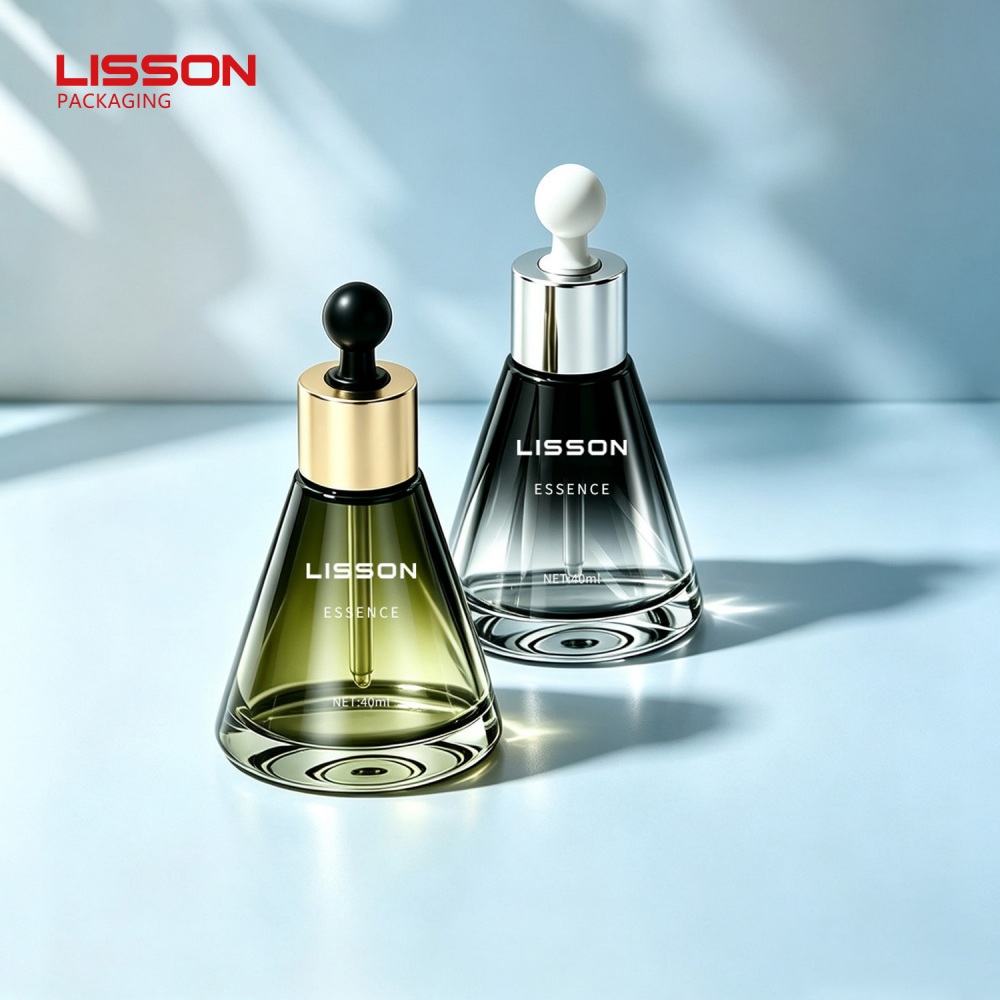
If you need to pick a bulb for your Glass Dropper Bottle, you should know the main differences. Both rubber and silicone bulbs help you move liquids, but they are not the same. Rubber bulbs are soft and easy to squeeze. Silicone bulbs are smooth and bend easily. Rubber can start to smell or change color after some time. Silicone usually stays clean and does not smell.
Here is a quick look at how each type works:
| Feature | Rubber Bulbs | Silicone Bulbs |
|---|---|---|
| Durability | Can crack or get sticky | Stays strong and flexible |
| Chemical Compatibility | May break down with oils/solvents | Handles most chemicals and oils |
| User Experience | May lose shape with use | Keeps shape and feel |
| Odor/Taste | Can absorb odors | Resists odors and taste |
| Consistency & Quality | Quality can vary | Usually consistent |
| Price | Usually lower cost | Often higher cost |
Tip: If you use your dropper for essential oils or strong chemicals, silicone bulbs are better. They do not get sticky or break down.
You can use either bulb for a Glass Dropper Bottle, but silicone works better and lasts longer. If you want a bulb that stays strong and does not react with your liquids, pick silicone.
When you pick a bulb for your Glass Dropper Bottle, you should know how natural rubber, nitrile rubber, and silicone are different. Each one has special features that change how your dropper works and how long it will last. You can find these bulbs on many bottles, like Glass Essential Oil Bottle and Heavy-Base Glass Dropper Bottle. Brands such as lissong have many choices to fit what you need.
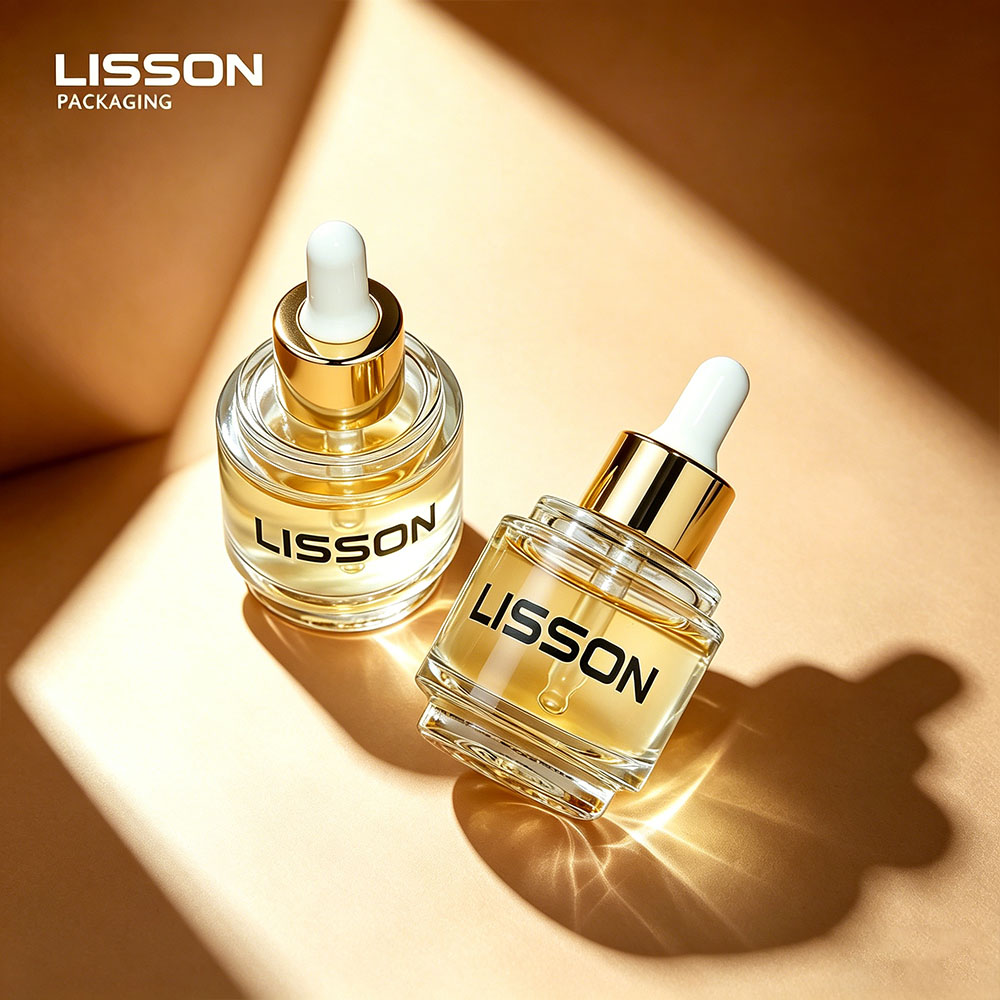
Natural rubber bulbs feel soft and bendy. You can squeeze them easily, and they pop back into shape. They are good for simple uses, but they have some problems. Natural rubber can get old and hard after a while. It might crack or stop being stretchy, especially if you use it with oils or alcohol. The bulb might change color or get sticky. Some rules do not allow natural rubber for products that need to be very safe.
Here is a table that shows the good and bad sides of natural rubber bulbs:
| Advantages of Natural Rubber Bulbs | Description |
|---|---|
| High strength | Has strong pull and tear strength. |
| Outstanding resistance to fatigue | Works well when used again and again. |
| Moderate resistance to environmental damage | Handles some heat, light, and ozone. |
| Disadvantages of Natural Rubber Bulbs | Description |
|---|---|
| Aging and hardening | Gets less stretchy as it gets older. |
| Chemical attack | Breaks down with oils, alcohol, or preservatives. |
| Limited regulatory acceptance | Not always allowed for sensitive products. |
Note: If you use your Glass Dropper Bottle for essential oils, natural rubber bulbs might break down or leave bits in your oil after a few months.
Nitrile rubber bulbs, also called NBR, are better at handling oils and chemicals than natural rubber. You can use them for things like essential oils, serums, tinctures, and medicine. Nitrile rubber stays strong for up to six months if the bulb does not touch the liquid. It is a cheaper choice and works well for makeup and industrial droppers.
Here is a table that compares dropper bulb materials:
| Material | Key Properties | Applications |
|---|---|---|
| NBR | Good at handling mineral oils, not as good with strong solvents or high heat | Good for makeup and industrial droppers |
| Silicone | Very stable with chemicals, handles heat, safe for the body | Used for medicine, vitamins, and gentle makeup |
| TPE | Feels like rubber, can be reused, chemical safety changes | Used for makeup, food, and other products |
Tip: Nitrile rubber bulbs are a good choice for Glass Essential Oil Bottle and Luxury Glass Dropper Bottle if you want to save money.
Silicone bulbs are great because they do not react with most chemicals and last a long time. You can use them with almost any formula, like essential oils, medicine, and gentle makeup. Silicone does not break down with most chemicals. It stays bendy and strong, even after many uses. You will not see it crack or lose its shape. Silicone bulbs are also very safe for health products.
If you want a bulb that lasts and keeps your Glass Dropper Bottle working well, silicone is the best pick. Brands like lissong use platinum-cured silicone for their Heavy-Base Glass Dropper Bottle and Luxury Glass Dropper Bottle lines.
| Dropper Component | Compatible Material | Incompatible Material | Failure Mode |
|---|---|---|---|
| Bulb (squeeze bulb) | Silicone (platinum-cured) — safe for long-term essential oil use; Nitrile (NBR) — good for up to 6 months if bulb does not touch liquid | Natural rubber (latex) — breaks down in 3–6 months; TPE — swells and loses stretchiness | Bulb cracking, loss of suction, rubber bits in oil |
Callout: Silicone bulbs keep your Glass Dropper Bottle clean and safe. You do not have to worry about chemical reactions or the bulb breaking down.
You should think about health and the environment when you pick a bulb. Natural rubber can swell, get hard, or turn sticky if it touches some things. This can make it break down and cause health problems. Silicone bulbs are cleaner and work better with chemicals. They are safer because they do not break down easily. Nitrile rubber is good for oil-based formulas, but it is not as safe as silicone for gentle products.
Here is a table that shows health concerns for each bulb material:
| Bulb Material | Health Concerns |
|---|---|
| Natural Rubber | Can swell, get hard, or turn sticky when touching some things, which makes it break down. |
| Silicone | Cleaner and works better with chemicals, so it is safer and does not break down easily. |
| Nitrile Rubber | Good for oil-based formulas but not as safe as silicone. |
Reminder: If you want a safe and strong Glass Dropper Bottle, silicone bulbs are the best for health and the environment.
If you use essential oils or oily blends, you need a strong bulb. Some oils, like citrus or peppermint, can hurt rubber bulbs. This can make the rubber sticky, cracked, or leaky. You do not want rubber pieces in your oils. Silicone bulbs are better for these kinds of formulas. They do not get damaged by most oils and do not react with them.
Here is a quick comparison:
| Bulb Type | Compatibility with Essential Oils | Degradation Issues |
|---|---|---|
| Rubber | Poor (especially with citrus oils) | Degrades over time, leading to contamination and leakage |
| Silicone | Good | Resists chemical corrosion better than rubber |
Tip: Use a silicone bulb for essential oils. It keeps your oils clean and helps your dropper last longer.
You need a bulb that can handle strong chemicals for medicine and lab work. Many medicines and lab liquids have alcohol or other strong ingredients. Rubber bulbs can soak up these chemicals and start to break. This can cause leaks or change your formula. Silicone bulbs do not soak up chemicals and keep their shape. They are safer and work better for sensitive uses.
Cosmetic and skincare products have oils, scents, and preservatives. These can hurt rubber bulbs after some time. You might see the bulb change color or feel sticky. Silicone bulbs stay clean and bendy, even if you use them every day. They do not react with most skincare ingredients. You get a smooth squeeze each time.
Note: For face serums, oils, or fancy skincare, silicone bulbs help your dropper last longer and keep your products safe.
You may notice that rubber bulbs do not last as long as you hope. Most rubber bulbs in dropper bottles need replacement every two years. Over time, rubber starts to break down. This process can cause the bulb to shed tiny particles into your liquid. If you use your dropper often, you might see the bulb get sticky or crack. You should check your rubber bulb for changes in color or texture. If you see these signs, it is time to replace the bulb.
Tip: Set a reminder to check your rubber bulb every year. This helps you keep your products safe and clean.
Silicone bulbs last longer than rubber bulbs. You can use them for many years without seeing cracks or stickiness. Silicone stays flexible and strong, even after many squeezes. If you store your dropper in a cool, dark place, the silicone bulb will keep its shape and feel. Sunlight and heat can make some products, like CBD oils, break down faster. High temperatures above 70°F speed up this process. You should keep your dropper away from windows and heat sources.
A tight seal keeps your product fresh. Rubber bulbs can lose their seal as they age. This lets air into the bottle and can spoil your formula. Silicone bulbs keep a better seal for a longer time. They help stop air and moisture from getting inside. This is important for products that break down when exposed to oxygen, light, or heat. When you use a Glass Dropper Bottle with a silicone bulb, you protect your formula from oxidation and keep it safe to use.
Note: Always close your dropper bottle tightly after each use. This simple step helps your product last longer.
You want your dropper to feel comfortable in your hand. Rubber bulbs give you a soft and squishy grip. They feel easy to squeeze, but sometimes they lose their shape after many uses. Silicone bulbs feel smooth and flexible. They keep their shape even if you use them every day. You will notice that silicone does not get sticky or hard. This makes it easier to hold and use your dropper, especially if your hands are wet or oily.
| Bulb Type | Feel in Hand | Grip Quality |
|---|---|---|
| Rubber | Soft, can get sticky | May slip if oily |
| Silicone | Smooth, stays flexible | Good grip, even when wet |
Tip: If you want a dropper that feels the same every time, choose silicone.
You may notice a smell or taste when you use a rubber bulb. This happens because rubber can soak up strong scents and flavors from your liquids. Over time, these smells and tastes can move to new products you use in the same dropper. Here are some common complaints:
Silicone bulbs do not have this problem. They resist odors and do not change the taste of your product. You get a clean experience every time you use your Glass Dropper Bottle.
You want your dropper to work well every time you squeeze it. Rubber bulbs can get stiff or lose their bounce as they age. This makes it harder to get the right amount of liquid. Silicone bulbs stay flexible and strong. You can squeeze them easily, and they always pop back into shape. This helps you control how much liquid you use. You will find that silicone bulbs make it simple to measure drops for oils, medicine, or skincare.
Note: A good bulb helps you use your dropper bottle with less mess and more control.
When you shop for dropper bulbs, you notice a difference in price. Rubber bulbs usually cost less. You can buy them in bulk for a small amount of money. Silicone bulbs cost more at first. You pay extra because silicone lasts longer and works better with many formulas. If you use your dropper every day, silicone gives you more value over time.
Here is a simple list to help you compare:
Tip: If you want to save money now, rubber bulbs work. If you want to save money later, silicone bulbs help you avoid buying replacements.
You need to think about how often you replace your dropper bulb. Rubber bulbs wear out faster. You may need to change them every 6 to 12 months. Silicone bulbs last much longer. You can use them for years before you need a new one. This saves you time and money.
The table below shows how rubber and silicone bulbs compare:
| Bulb Type | Replacement Frequency | Durability (Compressions) |
|---|---|---|
| Rubber Bulbs | Every 6–12 months | 3,000 to 5,000 |
| Silicone Bulbs | Less frequent | 10,000 |
If you use a Glass Dropper Bottle for oils or medicine, silicone bulbs help you avoid frequent replacements. You spend less time worrying about your dropper and more time enjoying your product.
Note: Choosing silicone bulbs means fewer replacements and less waste. You make a smart choice for your wallet and the environment.
You want your essential oils to stay safe and clean. The bulb you pick changes how your Glass Dropper Bottle works. Rubber bulbs can break down when they touch oils or alcohol. After some time, the bulb may crack, get sticky, or leak. This can ruin your oils and make your dropper hard to use. Silicone bulbs resist damage from oils and alcohol. They stay strong and bendy, even with citrus oils or high-alcohol tinctures.
Tip: If you use essential oils a lot, pick a silicone bulb. It keeps your oils clean and helps your dropper last longer.
You need a safe bulb for medicine and lab formulas. The table below shows the main safety concerns for rubber and silicone bulbs in medicine.
| Material | Limitations |
|---|---|
| Rubber | Gets old and hard, Smells, Can cause allergies, Breaks down with chemicals, Changes hardness, Not always allowed for medicine |
| Silicone | Absorbs oils and solvents, Can swell over time, May lose stretchiness, Hardness can change, Hard to mold the same way, Costs more sometimes |
Rubber bulbs can get old fast and may cause allergies. They sometimes soak up chemicals and lose their shape. Silicone bulbs cost more, but they resist most chemicals and keep your medicine safe. You can trust silicone for sensitive formulas. If you need a bulb for a Glass Dropper Bottle used in labs or for medicine, silicone gives you better protection and reliability.
Note: Always check if your dropper bottle is approved for medicine use.
Cosmetic products have oils, scents, and preservatives. You want a bulb that feels good and works well every day. Silicone bulbs feel soft and are easy to press. You can find them in many colors, so they are popular for skincare. Some silicone bulbs may change shape or get sticky with certain essential oils. Nitrile rubber bulbs work well for oil-based formulas. They resist damage from chemicals and keep their shape after long use.
If you use a Glass Dropper Bottle for face serums or oils, silicone bulbs give you a smooth experience. For heavy oils, nitrile rubber bulbs help your dropper last longer.
Tip: Pick your bulb based on your formula. Silicone works best for gentle skincare. Nitrile rubber is better for cosmetics with lots of oil.
You have learned how rubber and silicone bulbs are different. Silicone bulbs last longer and do not get damaged by chemicals. They help your Glass Dropper Bottle work better for a long time. People say silicone bulbs are easy to use and always work well. Here is a checklist to help you pick the right bulb:
Pick the bulb that works best for what you need.
You should not use just any bulb. Make sure the bulb fits your Glass Dropper Bottle. Check the material for chemical safety. Silicone bulbs work best for most formulas.
You can wash a silicone bulb with warm water and mild soap. Rinse it well. Let it dry before using it again. This keeps your dropper safe and clean.
Rubber bulbs can react with oils or alcohol. This reaction makes the bulb sticky or cracked. You should switch to a silicone bulb if you use strong formulas.
You should choose a silicone bulb for essential oils. Silicone resists damage from oils and lasts longer. It keeps your Glass Essential Oil Bottle safe and clean.
WhatsApp : +86 15099958531
Email : lissontube@gzlisson.com
Phone : +0086 15099958531