



Color consistency is an important part of cosmetic glass packaging quality. When glass bottles from different production batches show slightly different shades, the variation can affect the appearance of a product line, create inconsistencies on retail shelves, and make it harder for brands to maintain a uniform packaging identity.
For cosmetic brands sourcing custom glass bottles, the key question is not simply why color changes occur, but which production factors influence the final appearance and how suppliers can help control them. Glass composition, coloring materials, furnace conditions, bottle thickness, and surface decoration can all contribute to batch-to-batch color variation.
This guide explains the main causes of color differences in glass bottle production and what buyers should check before approving bulk orders.

Why Does Glass Bottle Color Vary Between Batches?
Glass color is influenced by the raw materials used to produce the glass and the conditions under which the glass is melted and formed. Even when a manufacturer follows the same product specification, small differences in materials or processing conditions may affect the final shade.
For clear glass, these differences may appear as slight changes in transparency, tint, or brightness. For colored glass, the variation can be more noticeable because the final appearance depends on the concentration and distribution of coloring components.
It is also important to distinguish between the natural color of the glass body and the color created by external spraying, coating, frosting, or other decorative processes. These processes have different influencing factors and should be inspected separately.
Raw Material Composition Can Affect the Final Shade
Glass is produced from a mixture of raw materials. Differences in the composition, purity, or batch consistency of these materials can influence the color and clarity of the finished bottle.
For example, trace elements in raw materials may create a subtle tint in clear glass. In colored glass, the amount and consistency of color-producing components are particularly important. If the composition changes between production batches, the resulting bottles may not have exactly the same shade.
For brands that require consistent packaging colors, buyers should confirm whether the supplier has defined material specifications and raw material controls for repeat orders.
Furnace Temperature and Melting Conditions Matter
Glass melting is a high-temperature process. Furnace temperature, melting time, and the uniformity of the molten glass can influence the final material condition.
If melting conditions are not sufficiently consistent, the glass may show differences in color appearance or clarity. Uneven temperature distribution and insufficient mixing can also contribute to variations within a production run.
For repeat orders, manufacturers need to maintain stable production conditions and monitor process parameters. Buyers can ask how the supplier manages production consistency when the same bottle design is manufactured in different batches.
Bottle Wall Thickness Changes Color Perception
Two glass bottles made from similar material may appear different if their wall thickness or base thickness is not identical. A thicker section of glass can look darker or more saturated because light travels through more material.
This effect is especially noticeable in colored glass bottles, heavy-base designs, and bottles with complex shapes. The shoulder, heel, base, and sidewall may show different visual tones when viewed under the same lighting conditions.
When evaluating color consistency, brands should compare bottles with the same design and dimensions. Comparing different bottle structures may lead to misleading conclusions about color variation.

Surface Coating and Decoration Can Create Color Differences
Not all cosmetic glass bottles obtain their color directly from the glass material. Some products use external color spraying, gradient coating, frosting, metallic decoration, or other surface treatments.
For coated bottles, color variation may be related to coating material, spray coverage, application thickness, curing conditions, or the position of the bottle during processing. A small difference in coating thickness can change how light reflects from the surface.
Brands should therefore confirm whether the approved color standard refers to the glass material itself or to the finished decorated bottle. The distinction is important when reviewing samples and approving mass production.
For brands developing custom colors, custom glass bottle decoration and customization should be discussed before the final sample is approved.
Lighting Conditions Can Make the Same Bottle Look Different
Lighting is another factor that can influence how people perceive glass color. Natural daylight, warm indoor lighting, cool LED lighting, and photography equipment can all affect the appearance of a bottle.
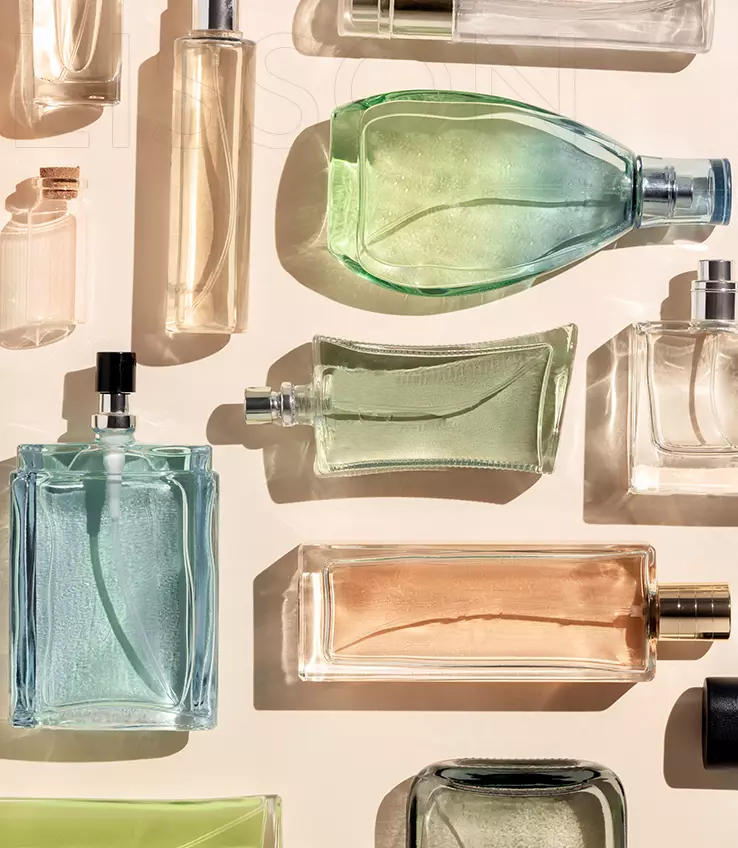
Transparent glass may reflect surrounding colors, while coated or frosted glass can produce different visual effects under different light sources. A bottle that looks slightly warmer in a showroom may appear cooler in a photography studio.
For this reason, buyers should avoid approving color based only on a digital photograph. Physical samples should be compared under consistent lighting conditions and against an agreed reference standard.
How Can Buyers Control Color Variation in Bulk Orders?
Color consistency should be addressed before mass production rather than after the finished bottles have been delivered. A clear approval process helps both the buyer and supplier understand the required appearance.
- Approve a physical reference sample: Keep an approved sample as the visual standard for future comparisons.
- Confirm the color specification: Identify whether the color comes from the glass material, surface coating, or another decorative process.
- Use consistent comparison conditions: Compare samples under the same lighting, background, and viewing angle.
- Check different bottle sections: Inspect the body, shoulder, neck, and base rather than judging only one area.
- Review repeat-order requirements: Confirm how color consistency will be evaluated when the same packaging is reordered.
- Inspect decorated samples: If spraying, frosting, or printing is involved, evaluate the finished bottle rather than an undecorated glass sample.
For example, a brand developing a red glass skincare collection should evaluate the appearance of the bottles and jars as a coordinated set. LISSON's red glass cosmetic bottle and jar packaging set illustrates how multiple container formats can be designed within one visual packaging range.
What Should a Brand Include in a Color Approval Standard?
A useful color approval standard should describe the appearance of the finished packaging in practical terms. It should not rely only on a general description such as light pink, dark green, or transparent blue.
Depending on the project, the standard may include a physical reference sample, a color code for coated surfaces, the required finish, acceptable visual differences, and the lighting conditions used for inspection.
Brands should also clarify whether the same color appearance is required across bottles of different capacities. Different sizes and glass thicknesses may influence how the color is perceived, even when the same color specification is used.
For a coordinated product range, skincare glass bottles and jars packaging can be developed with consistent design details, finishes, and brand colors.
Conclusion
Color variation between glass bottle production batches can result from raw material composition, melting conditions, glass thickness, surface coating, and lighting differences. Not every visible variation indicates a manufacturing defect, but unexplained differences should be reviewed against an agreed sample and specification.
For cosmetic brands, the most effective approach is to define the finished color standard early, approve physical samples, and communicate repeat-order expectations clearly. Working with an experienced glass cosmetic packaging supplier can help brands coordinate bottle design, color, decoration, and packaging requirements from the development stage.
Frequently Asked Questions
Why do glass bottles from different batches have slightly different colors?
Differences in raw material composition, melting conditions, glass thickness, and surface decoration can affect the final appearance. Lighting and viewing conditions can also make small variations more noticeable.
Does a darker glass bottle always mean the glass quality is different?
No. A darker appearance may be caused by greater wall thickness, a different viewing angle, or lighting conditions. The bottle should be compared with an approved reference sample before drawing conclusions.
How can cosmetic brands maintain consistent glass bottle colors?
Brands should approve a physical reference sample, define the color and finish requirements, use consistent inspection conditions, and confirm how repeat production batches will be evaluated.
Can custom glass bottle colors be adjusted?
Many glass packaging projects support customization of bottle colors and surface finishes. The available options depend on the bottle design, material, and selected decoration process.
Should buyers approve color based on product photographs?
Photographs are useful for initial review, but they should not replace physical sample approval. Screens, cameras, and lighting can all change the appearance of a color.