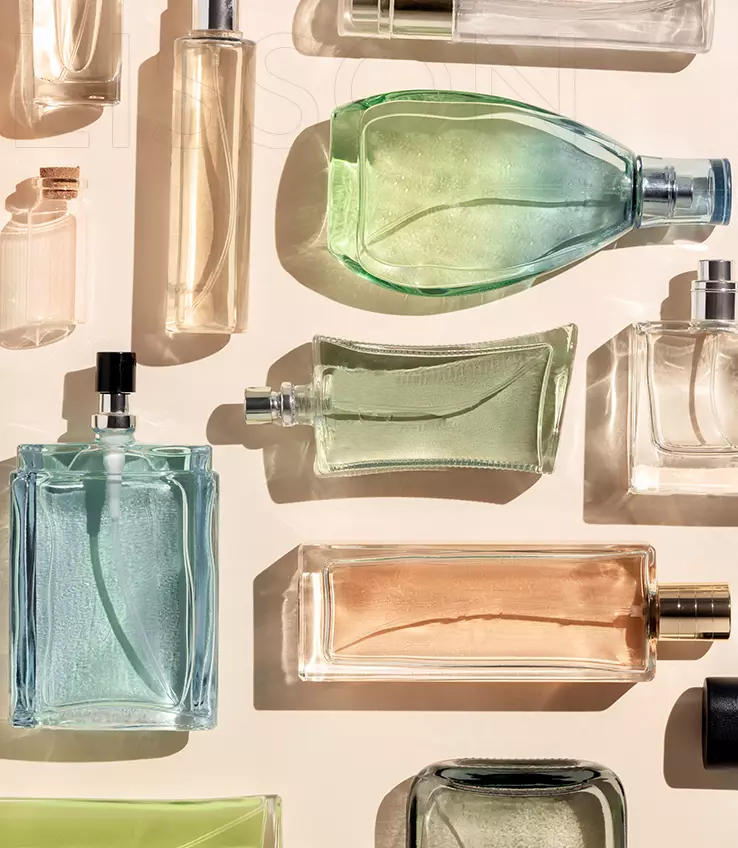




Introducing a new glass bottle to an existing filling line involves more than checking whether the bottle can hold the product. The container must also work with the filling equipment, conveying system, capping unit, labeling machine, and packaging process.
A bottle that looks suitable during sample approval may still cause problems during production if its dimensions, base stability, neck finish, or closure compatibility do not match the line requirements. These issues can lead to bottle jams, inaccurate filling, unstable conveying, capping difficulties, or labeling defects.
For cosmetic and skincare brands, a structured filling line trial helps identify potential problems before mass production. This guide explains the main areas to check when introducing a new glass cosmetic bottle.
Why Is a Filling Line Trial Necessary for a New Glass Bottle?
Every filling line has its own equipment configuration and operating conditions. Bottle dimensions that work on one production line may not be suitable for another line without adjustments.
For example, a new bottle may have a wider body, a heavier base, a different shoulder profile, or a narrower neck opening than the previous container. These changes can affect how the bottle moves through the conveyor, enters the filling station, and aligns with the capping equipment.
A filling line trial allows the brand and production team to check the interaction between the bottle and the equipment before committing to a large production run.
Check Bottle Dimensions Against the Equipment
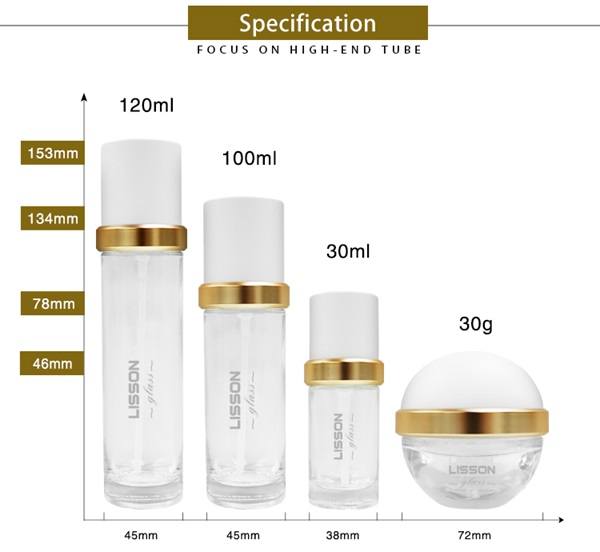
Dimensional compatibility is one of the first areas to review. The bottle's height, body diameter, base diameter, neck dimensions, and overall shape should be compared with the filling line requirements.
Important dimensions may include:
- Overall height: Determines whether the bottle can pass through the filling and capping stations at the correct position.
- Maximum body diameter: Affects spacing between bottles and compatibility with conveyor guides.
- Base diameter: Influences stability and the contact area with conveyor belts or support plates.
- Neck finish: Must match the filling nozzle, pump, cap, or other closure components.
- Shoulder profile: May affect guide clearance and the positioning of filling heads.
Brands should compare actual bottle samples with the equipment drawings or the specifications provided by the filling line manufacturer. Nominal capacity alone is not enough to confirm compatibility.
Evaluate Bottle Stability on the Conveyor
Glass bottles need to remain stable while moving through the filling line. A bottle with a narrow base, uneven bottom, or unsuitable center of gravity may wobble or tip during conveying.
This is particularly important for tall bottles, narrow containers, and designs with unusual shapes. A bottle may stand securely on a flat table but behave differently when moving across conveyor belts or passing through guide rails.
During the trial, observe whether the bottles move smoothly, maintain consistent spacing, and remain upright when entering and leaving each station.
For premium skincare packaging, structural details such as a heavy base or square body may influence stability and conveying behavior. A square glass serum bottle should be checked against the conveyor guide width and bottle positioning system before full-scale use.
Confirm Filling Nozzle and Bottle Opening Compatibility
The filling nozzle must be able to enter or position above the bottle opening correctly. If the neck opening is too narrow, too wide, or positioned differently from the previous container, the filling process may become less stable.
Potential problems include nozzle contact with the bottle neck, product splashing, inconsistent filling position, and difficulty controlling the filling volume.
Brands should check the opening diameter, neck height, bottle alignment, and nozzle clearance. The test should use the actual filling equipment and representative product whenever possible.
Test the Closure and Capping Process
After filling, the bottle must be closed with the selected cap, pump, dropper, or other dispensing component. The closure should fit the bottle neck correctly and work with the capping equipment.
During the trial, check whether the closure can be positioned consistently, whether the capping head applies suitable force, and whether the finished assembly has visible gaps or alignment problems.
For pump bottles and dropper bottles, the complete assembly should be checked. A compatible glass bottle body does not automatically guarantee that the pump or dropper will perform correctly.
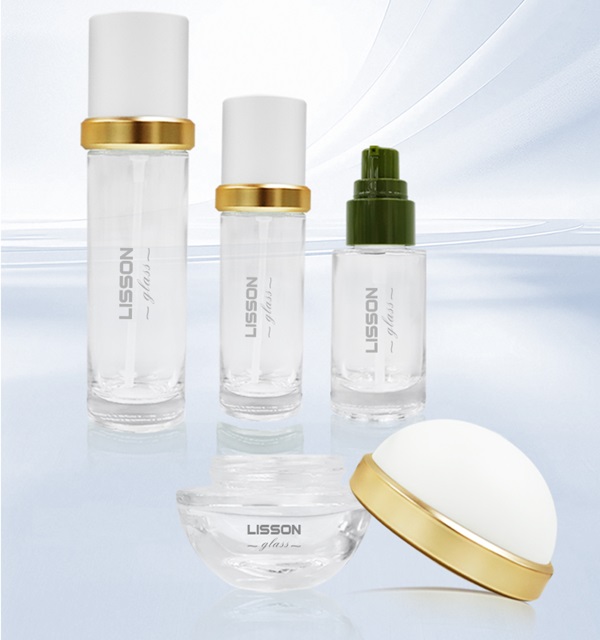
Brands selecting a coordinated packaging design, such as a square glass cosmetic bottle set with matching caps, should confirm that each container format can be processed with the intended closure equipment.
Check Filling Accuracy and Product Splashing
Filling accuracy should be evaluated under the normal operating conditions of the production line. Bottle geometry, opening size, nozzle position, product viscosity, and filling speed can all influence the filling result.
A narrow opening or unsuitable nozzle position may increase the risk of splashing or product residue around the bottle neck. This can affect the appearance of the finished packaging and create additional cleaning requirements.
Brands should check whether the filling equipment can maintain the required filling volume and whether the product enters the bottle smoothly at the planned production speed.
Review Labeling and Decoration Requirements
After filling and capping, bottles may pass through labeling, coding, or secondary packaging equipment. The bottle's surface shape and finish can influence the result.
For example, a curved body may require different label positioning from a flat-sided bottle. Frosted, coated, or textured surfaces may also need to be evaluated for label adhesion and visual consistency.
During the trial, check label alignment, wrinkles, bubbles, edge lifting, and the available space for product information. If the bottle includes a decorative finish, make sure that handling and equipment contact do not damage the surface.
Monitor Glass Damage and Bottle-to-Bottle Contact
Glass bottles can be damaged if they collide with each other or come into contact with unsuitable machine components. The filling line trial should therefore include observation of bottle spacing, guide rails, transfer points, and accumulation areas.
Look for chips, scratches, cracks, and visible marks after the bottles pass through the line. Particular attention should be given to the base, shoulder, and neck because these areas may contact equipment or other bottles during movement.
If damage occurs, record where it happens and review the equipment position, conveyor speed, guide clearance, and bottle spacing. Do not assume that every damaged bottle is caused by a glass quality issue without checking the operating conditions.
A Practical Filling Line Trial Checklist
Before approving a new glass bottle for mass production, brands can use the following checklist to organize the trial:
- Dimensions: Confirm bottle height, body diameter, base diameter, and neck dimensions.
- Conveying: Check bottle spacing, movement, stability, and guide clearance.
- Filling: Confirm nozzle clearance, filling position, volume accuracy, and splash control.
- Capping: Check closure fit, cap alignment, and capping equipment settings.
- Labeling: Evaluate label position, adhesion, and surface compatibility.
- Appearance: Inspect the bottle for chips, scratches, cracks, and decoration damage.
- Production speed: Observe performance at the intended operating speed, not only during slow manual testing.
- Finished packaging: Review the complete filled, closed, and labeled product before approval.
For brands developing a new packaging range, reviewing the available glass cosmetic bottle and jar options early in the project can help narrow down suitable bottle structures before filling line trials begin.
What Information Should Brands Share With the Bottle Supplier?
To make a filling line trial more effective, buyers should share relevant production information with the packaging supplier before sample confirmation.
Useful information includes the filling line model, conveyor guide dimensions, filling nozzle size, target production speed, closure type, filling temperature, and product characteristics. Drawings or photographs of the equipment can also help clarify potential compatibility issues.
The more accurately the operating conditions are described, the easier it is to evaluate whether a proposed bottle design is suitable for the intended application.
Conclusion
A new glass bottle should be evaluated as part of the complete filling and packaging system. Dimensions, conveyor stability, nozzle clearance, closure compatibility, labeling performance, and glass damage risks all need to be considered before mass production.
For cosmetic brands, conducting a filling line trial with representative samples can help identify practical problems early and reduce the risk of production interruptions. Working with a supplier that supports bottle development and glass packaging customization can also help align the container design with the brand's filling and packaging requirements.
Frequently Asked Questions
Why should a new glass bottle be tested on the filling line?
A filling line trial helps confirm that the bottle dimensions, base stability, neck finish, and overall structure are compatible with the filling, capping, labeling, and conveying equipment.
Which bottle dimensions are most important for filling line compatibility?
Overall height, body diameter, base diameter, neck opening, and neck finish are important because they influence bottle positioning, conveying, filling nozzle clearance, and closure fit.
Can a glass bottle be compatible with filling equipment but unsuitable for capping?
Yes. Filling and capping equipment have different requirements. The bottle opening and neck finish must also be compatible with the selected closure and capping system.
What should be checked during a glass bottle conveyor test?
Brands should observe bottle stability, spacing, movement, guide clearance, and any signs of bottle-to-bottle or bottle-to-equipment contact.
Should a filling line trial use the actual cosmetic formula?
Whenever practical, representative product should be used because viscosity, foaming, filling temperature, and other formula characteristics can affect filling performance.