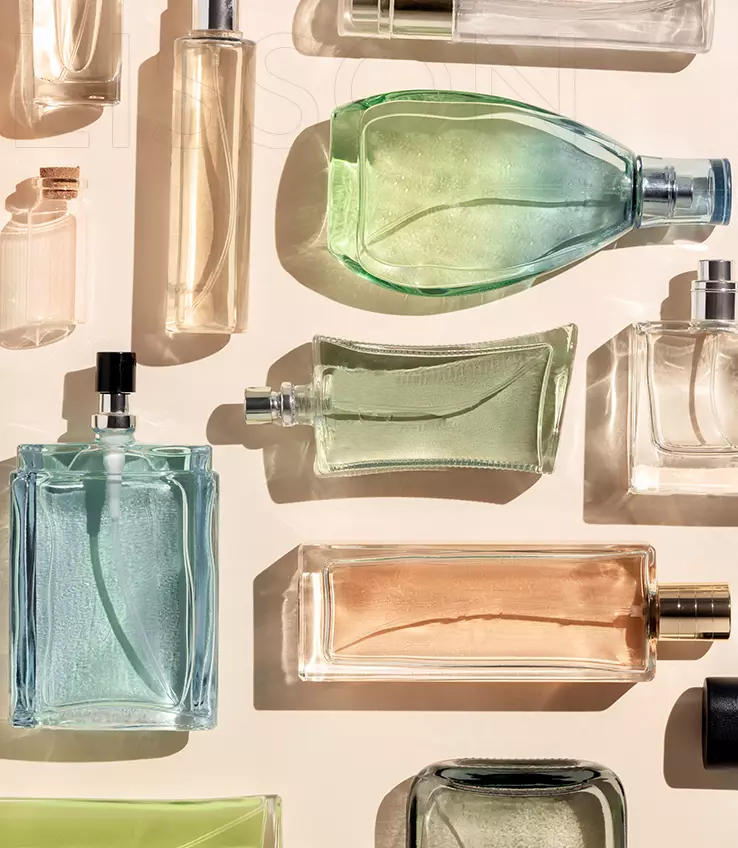




A glass cosmetic bottle may look suitable for a skincare product, but appearance alone cannot confirm whether the complete packaging system is compatible with the formulation.
A bottle can have the correct capacity and attractive finish while the selected pump, dropper, cap, or sealing component causes problems during storage or daily use. Formula ingredients may also interact with certain non-glass components, affecting dispensing performance, appearance, or package integrity.
For skincare brands preparing a new product launch, compatibility testing should therefore evaluate the glass container, closure components, and actual formulation as one complete packaging system.
This guide explains how cosmetic brands can test glass bottle compatibility with skincare formulations and closures before approving packaging for commercial production.
Why Is Cosmetic Glass Bottle Compatibility Testing Important?
Packaging compatibility testing helps determine whether the selected bottle and its associated components can safely and reliably contain and dispense the intended skincare formula under defined conditions.
Although glass is widely used for cosmetic packaging because of its chemical stability, the complete package may contain several other materials, including plastic, elastomers, metal components, coatings, liners, and adhesives.
These components may come into direct or indirect contact with the product.
Compatibility testing is particularly important when:
- A brand launches a new skincare formulation.
- A glass bottle design or neck finish changes.
- A supplier introduces a different pump or dropper.
- The formula contains oils, solvents, acids, or other potentially challenging ingredients.
- A packaging project moves from laboratory samples to mass production.
- The finished product will experience long-distance transportation or temperature changes.
Testing before mass production helps identify possible problems early, when packaging adjustments are easier and less costly.
Identify All Materials That May Contact the Skincare Formula
The first step is to understand the complete packaging structure.
For a typical glass skincare bottle, the packaging system may include:
- Glass bottle body and inner surface.
- Plastic or metal bottle cap.
- Plastic dip tube or pipette.
- Rubber or elastomer bulb.
- Pump seals and internal valve components.
- Gaskets, liners, and other sealing elements.
- Surface coatings or decorative treatments, where relevant.
Not every component has direct contact with the formula, but each should be considered according to its location and function.
For example, a glass serum bottle may use a glass pipette, a rubber bulb, a plastic insert, and a metallic outer cap. The glass container itself may be suitable, while the other materials still require compatibility evaluation.
Brands should request relevant component material information from the packaging supplier before beginning the test.
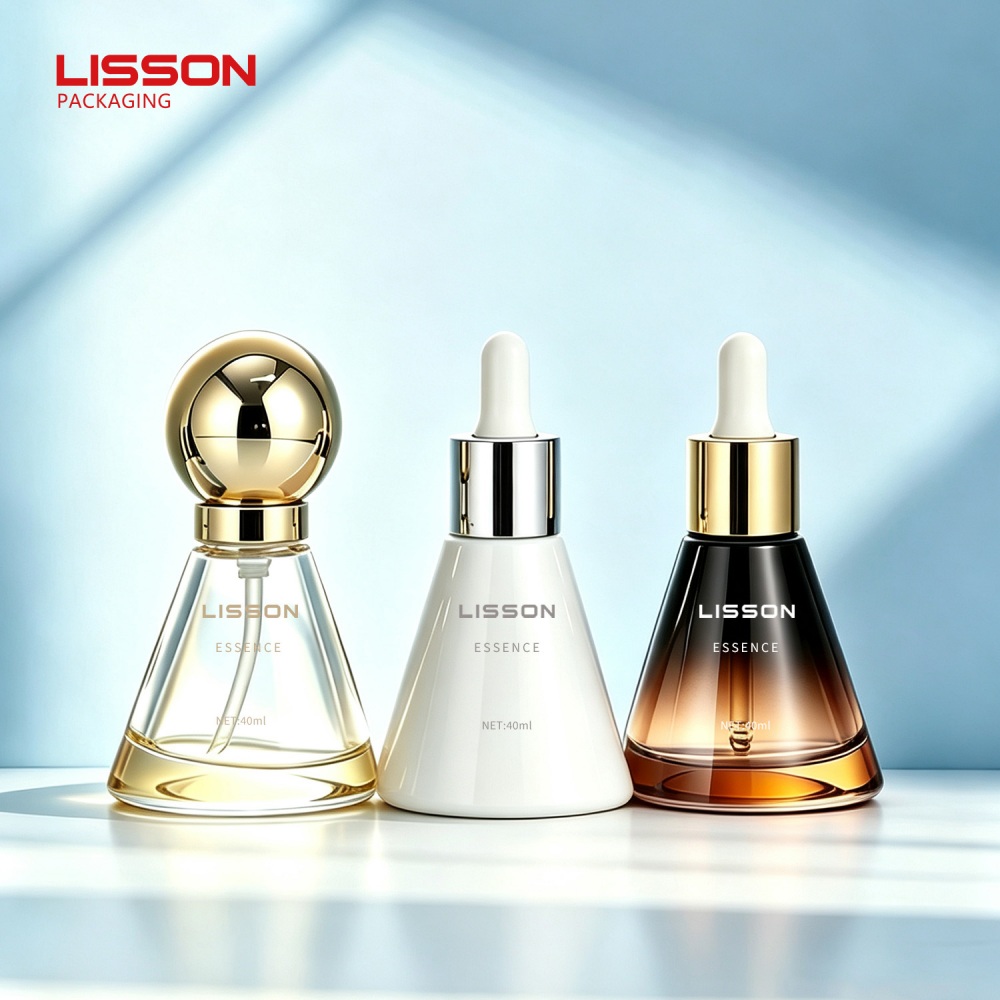
LISSON's Skincare Glass Packaging Collection provides different bottle and jar options for skincare product development.
Check Bottle Neck Finish and Closure Dimensions
Mechanical compatibility is one of the first checks to complete before filling the bottle with a cosmetic formula.
The bottle neck and closure must match correctly. A cap or pump may appear to fit but still fail to provide the required engagement or sealing performance.
Important dimensions and features include:
- Bottle neck outer diameter and opening dimensions.
- Thread profile and thread engagement.
- Neck height and sealing surface.
- Closure dimensions and internal structure.
- Gasket, liner, or plug positioning.
- Pump or dropper insertion depth.
During the initial fit test, assemble the bottle and closure according to the supplier's instructions.
Check whether the closure sits evenly, engages smoothly, and reaches the intended position without abnormal resistance or looseness.
For threaded closures, pay attention to cross-threading and inconsistent tightening. For pump systems, check whether the pump assembly is correctly seated and whether the dip tube reaches the intended position inside the bottle.
Do not assume that two components are compatible simply because they share a similar nominal neck size. Actual specifications and sealing structures matter.
For brands evaluating serum packaging, LISSON's Glass Dropper Bottle Range offers different bottle and dispensing configurations for compatibility evaluation.
Evaluate Compatibility With the Actual Skincare Formulation
After confirming the mechanical fit, brands should evaluate how the formulation behaves inside the complete package.
Whenever practical, use the intended commercial formula rather than relying entirely on water or another substitute liquid.
Different skincare formulations may have different chemical and physical properties. Oil-based serums, water-based essences, emulsions, alcohol-containing products, and acid-based treatments should not automatically be treated as equivalent.
During the evaluation period, observe:
- Changes in formula color or appearance.
- Unusual odor development.
- Separation, precipitation, or unexpected changes in texture.
- Visible changes to the bottle, closure, or sealing components.
- Discoloration, swelling, cracking, or deformation of relevant non-glass materials.
- Changes in dispensing performance.
These observations can help identify potential compatibility problems, but visual inspection alone does not prove chemical or microbiological safety. Where necessary, brands should conduct appropriate analytical, stability, and microbiological testing through qualified laboratories.
Water can be useful for preliminary leakage screening, but it does not fully represent the behavior of oils, lotions, alcohol-based products, or other cosmetic formulations.
Perform Leakage and Sealing Tests on the Complete Package
A bottle and closure may fit together correctly but still leak during storage or transportation.
Leakage testing should therefore be conducted after the bottle has been assembled using the intended closure and sealing components.
A practical evaluation may include:
- Filling the bottle to the specified level.
- Assembling the closure using the approved method.
- Inspecting the sealing area for visible gaps.
- Checking the package in different orientations.
- Observing leakage under defined storage and handling conditions.
- Repeating the inspection after the selected test period.
For products intended for international distribution, brands should also consider relevant temperature, pressure, vibration, and transportation conditions.
Test conditions should be defined according to the product, package design, distribution route, and risk assessment rather than applying one universal test duration or temperature to every cosmetic bottle.
It is important to record whether leakage occurs around the neck, through the closure, or from another part of the dispensing assembly. This makes it easier to identify the source of the problem.
Test Pump and Dropper Dispensing Performance
Packaging compatibility is not only about preventing leaks. The dispensing system must also work as expected throughout normal product use.
For pump bottles, evaluate:
- Initial priming time.
- Dispensing volume per stroke.
- Consistency between repeated strokes.
- Ease of pressing the actuator.
- Product leakage around the pump.
- Residual product remaining inside the bottle.
For dropper bottles, evaluate:
- How easily the pipette draws the formula.
- Whether the bulb recovers properly.
- Whether the liquid can be released consistently.
- Whether excessive dripping occurs.
- Whether the dropper cap seals securely.
A pump or dropper that works with water may not perform equally well with a viscous serum or oil-based skincare formula.
For this reason, use the actual formula and evaluate the package under normal application conditions whenever possible.
Consider Temperature and Storage Stability
Skincare products may be stored and transported under different environmental conditions. Temperature changes can influence formula viscosity, closure materials, sealing performance, and dispensing behavior.
For example, a lotion may become thicker at lower temperatures, making it more difficult for a pump to draw the formula. Certain materials may also expand, contract, or change mechanical properties under different conditions.
Depending on the product's intended market and shelf-life requirements, brands may establish testing conditions that include:
- Normal storage conditions.
- Elevated-temperature storage.
- Lower-temperature storage.
- Temperature cycling where relevant.
- Light exposure testing for light-sensitive formulations.
The purpose is to determine whether the complete package continues to protect and dispense the formula throughout the expected storage period.
Testing duration, temperature range, and acceptance criteria should be established by the brand's quality or product development team according to the formulation and intended shelf life.
Create a Packaging Compatibility Test Record
A structured test record makes it easier for purchasing, product development, and quality teams to review packaging performance.
Each test record should identify the specific packaging configuration and document the test conditions and results.
| Test Item | What to Record |
|---|---|
| Bottle Identification | Model, capacity, glass color, and dimensions |
| Closure Information | Cap, pump, dropper, liner, and material details |
| Formula Information | Product name, formulation, and relevant characteristics |
| Fit Test | Neck engagement and assembly results |
| Leakage Test | Test conditions, duration, and observations |
| Dispensing Test | Priming, output, consistency, and residual product |
| Stability Test | Temperature conditions and formula observations |
| Final Decision | Approved, rejected, or requires further testing |
Recording these details also helps ensure that the approved sample matches the packaging components eventually used in mass production.
When Should Cosmetic Brands Repeat Compatibility Testing?
Packaging approval should not be considered permanent if important product or packaging specifications change.
Additional evaluation may be needed when:
- The skincare formula changes significantly.
- A new bottle supplier or glass specification is introduced.
- The closure, pump, dropper, or liner material changes.
- The bottle neck finish or sealing design is modified.
- The filling process or filling temperature changes.
- The distribution route introduces new environmental risks.
Even small component changes can affect the complete packaging system. Brands should define which changes require full retesting and which can be handled through documented change assessment.
How LISSON Supports Glass Cosmetic Packaging Development
Choosing a compatible glass bottle and closure is an important part of cosmetic packaging development.
LISSON provides glass cosmetic bottles and packaging options for skincare brands, including dropper bottles, pump bottles, and coordinated packaging sets. Different bottle styles, capacities, closures, and decorative finishes can be evaluated according to the requirements of each project.
Before requesting a packaging proposal, brands should prepare the formula type, viscosity, required capacity, preferred dispensing system, and any special storage or compatibility requirements.
This information helps the packaging supplier understand the intended application and discuss suitable bottle and closure combinations.
Visit LISSON's glass cosmetic packaging range to explore available packaging options for your next skincare project.
Frequently Asked Questions About Glass Cosmetic Bottle Compatibility
Why should cosmetic brands test glass bottle compatibility before mass production?
Testing helps confirm that the bottle, closure, sealing components, and formula work together under intended conditions. It can identify leakage, dispensing problems, material changes, and other packaging risks before large-scale production.
Is glass automatically compatible with every skincare formulation?
Glass is widely used because of its chemical stability, but compatibility should still be assessed for the complete packaging system. Pumps, liners, coatings, seals, and other product-contact materials may require separate evaluation.
Can water be used for cosmetic bottle leakage testing?
Water can help identify obvious mechanical leakage during preliminary checks. However, it does not represent every cosmetic formulation, especially oils, emulsions, alcohol-containing products, and viscous lotions.
What should be checked when testing a cosmetic bottle closure?
Check neck dimensions, thread engagement, closure fit, gasket positioning, sealing performance, and resistance to loosening during handling and transportation.
How do brands test glass dropper bottle compatibility?
Evaluate pipette fit, liquid intake, bulb recovery, dispensing consistency, closure sealing, and formula compatibility using the intended skincare product.
When should cosmetic packaging compatibility tests be repeated?
Retesting or documented reassessment may be necessary when the formula, bottle specification, closure material, dispensing system, or filling and distribution conditions change significantly.