When a cosmetic pump dispenses too much or too little product, the problem is not always a defective pump. The formula's viscosity, pump output, dip tube design, internal valve performance, bottle compatibility, and operating technique can all affect the amount released with each press.
For cosmetic brands, inconsistent dispensing can lead to product waste, messy application, customer complaints, and difficulties during packaging quality control. The most effective solution is to test the complete packaging system with the actual formula rather than evaluating the pump separately.
LISSON provides glass cosmetic packaging solutions for skincare and beauty brands, including glass lotion bottles and dispensing components. When selecting packaging, brands should consider the formula, desired dose, bottle neck finish, and pump specifications together to achieve reliable dispensing performance.
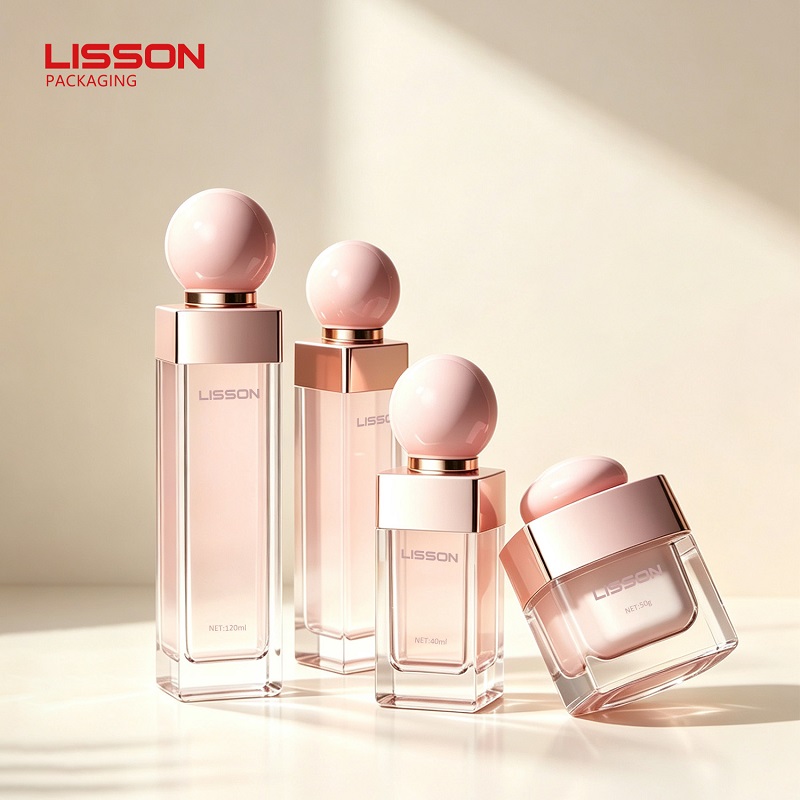
A cosmetic pump dispenses too much or too little product when the pump's designed output, the formula's flow properties, or the condition of the dispensing mechanism does not match the intended application. Common causes include an unsuitable pump output specification, excessive or insufficient formula viscosity, trapped air, a blocked nozzle, an incorrectly fitted dip tube, or inconsistent pump operation.
The first step is to identify the exact symptom. If every press releases too much product, the selected pump output or formula flow behavior may be unsuitable. If the amount changes from one press to the next, the pump may not be fully primed, air may be entering the system, or the internal mechanism may not be returning consistently.
If the pump works normally at first but later dispenses very little, check for nozzle residue, restricted product intake, a damaged component, or a dip tube that cannot reach the remaining formula.
For cosmetic packaging manufacturers and purchasing teams, distinguishing these problems early helps avoid unnecessary changes to the bottle, pump, or formula.
Pump output refers to the approximate volume of product a pump is designed to dispense during one complete actuation under specified test conditions. It is commonly expressed in milliliters per stroke, although the actual delivered amount can vary with the formula and operating conditions.
A pump designed for a larger dose may release more lotion or serum than the customer needs for a single application. Conversely, a low-output pump may require several presses to dispense enough product, making the package inconvenient to use.
For example, a skincare brand developing a lightweight facial lotion may prefer a pump that provides a controlled, repeatable amount without creating a large stream of product. A richer treatment formula may need a different pump mechanism to move the product reliably.
When comparing pumps, confirm the following specifications:
A pump's nominal output should not be treated as a guarantee that every press will deliver exactly the same volume with every cosmetic formula. Brands should establish an acceptable dispensing range through testing with the intended product and packaging assembly.
Viscosity describes a liquid's resistance to flow. A low-viscosity product flows more easily, while a high-viscosity product generally requires more effort to move through the pump's internal passages.
When a formula is too thick for the selected pump, the pump may dispense slowly, release a smaller amount than expected, require repeated pressing, or fail to draw product into the mechanism. If the formula is very fluid and the pump is not well matched to the intended dose, the product may flow too quickly or feel difficult to control during application.
Temperature can also affect viscosity. A lotion may flow differently after being stored in a cool environment compared with being used at room temperature. Formula composition, suspended particles, and changes during storage may also influence pump performance.
To identify a viscosity-related issue, test the same pump with the actual formula under controlled conditions. Record the product temperature, number of actuations, amount dispensed, and any changes in the dispensing pattern.
Brands developing pump packaging can review LISSON's glass lotion bottle range when comparing packaging formats for lotions, serums, and other liquid skincare products. The final pump specification should be selected according to the actual formula rather than bottle appearance alone.
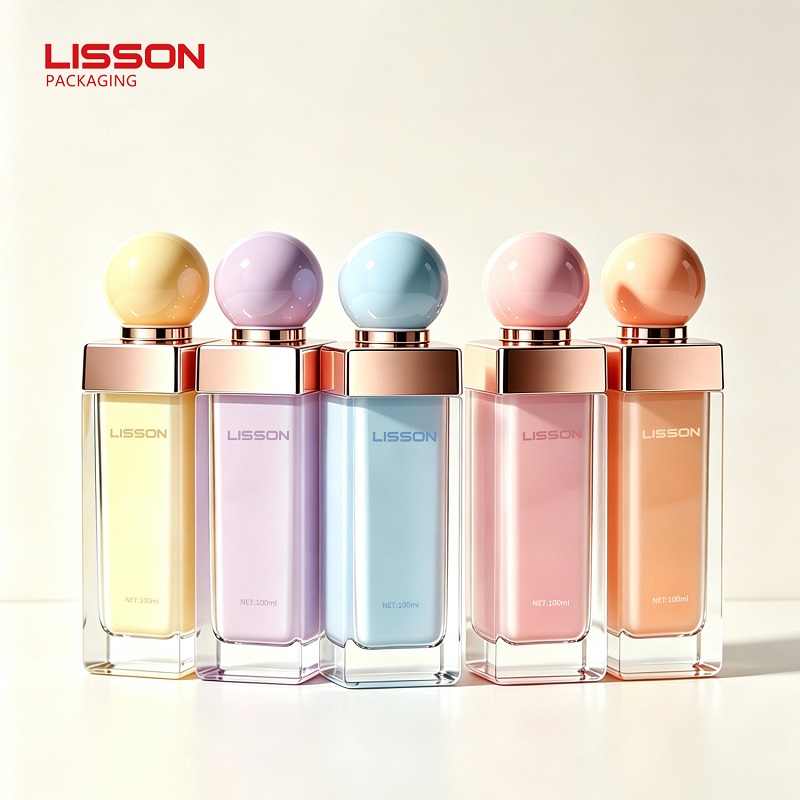
The dip tube connects the pump mechanism to the product inside the bottle. When the actuator is pressed and released, the pump draws product through the tube and delivers it through the nozzle.
If the dip tube is too short, it may fail to reach the remaining formula as the bottle becomes nearly empty. This can cause the pump to dispense air, deliver only a small amount, or stop working before the container is fully used.
A tube that is too long or poorly trimmed may also cause problems if it bends, becomes obstructed, or presses against the bottom of the bottle in a way that restricts intake.
When checking the dip tube, inspect:
For brands using custom glass bottles, dip tube length should be confirmed against the actual bottle dimensions. Nominal bottle capacity alone does not provide enough information to determine the correct tube length.
A cosmetic pump may dispense too little product when the nozzle or an internal passage becomes partially blocked. Dried formula around the outlet can restrict flow, especially when the product contains ingredients that leave residue after exposure to air.
Internal valves also help control the direction of product movement during the pumping cycle. If a valve does not seal or move correctly, the pump may fail to draw enough product, release an inconsistent amount, or allow air to enter the mechanism.
Common warning signs include:
Inspect the pump according to the supplier's cleaning and handling instructions. Avoid inserting sharp objects into the nozzle or disassembling sealed pump components in ways that could damage the mechanism or introduce contamination.
If multiple pumps show the same problem with the same formula, investigate formula compatibility and packaging specifications before assuming that the entire pump batch is defective.
A pump may appear to fit a glass bottle but still perform poorly if the closure dimensions, neck finish, gasket, or sealing surface are incompatible. An unsuitable connection can allow air to enter the package, cause leakage, or prevent the pump from sealing properly.
For this reason, cosmetic brands should confirm the bottle neck specification and the matching pump closure drawing before approving packaging for mass production. The bottle's external appearance and nominal capacity do not establish whether a particular pump will fit correctly.
During compatibility checks, verify that the pump can be secured consistently, the closure does not loosen during normal use, and the assembled package remains sealed under expected storage and transport conditions.
For a product that requires a premium appearance as well as controlled dispensing, LISSON's Luxury Square Glass Cosmetic Bottles with Round Caps offer a reference for glass skincare packaging with lotion pump components. The actual bottle-and-pump combination should still be tested with the intended formula before mass production.
Not every dispensing variation indicates a packaging defect. The way a user presses the pump can also influence the amount delivered, particularly when the actuator is only partially pressed or released too quickly.
Many pump systems are designed to deliver a more consistent dose when the actuator completes its intended stroke. Partial pressing may release less product, while repeated incomplete presses can make the output appear inconsistent.
Air inside a new pump can also delay normal dispensing. Depending on the pump design, several initial presses may be required to prime the mechanism before product begins to flow consistently.
To check whether technique is contributing to the issue, use a consistent procedure during testing:
If consistent operation produces repeatable results, user technique or initial priming may explain the variation. If the output remains inconsistent, inspect the formula, pump, dip tube, and closure assembly.
The most reliable way to assess dispensing performance is to test the complete packaging system using the actual formula. Testing with water alone may not represent the behavior of a lotion, serum, emulsion, or other cosmetic product with different flow characteristics.
A practical evaluation should include the following checks:
To measure dose consistency, collect the product from a defined number of complete pump strokes and measure its mass or volume using an appropriate method. If mass is used, remember that converting mass to volume requires the formula's density.
The acceptable dispensing range should be established with the packaging supplier according to the product's intended use. There is no single universal dose tolerance that applies to every cosmetic pump.

Choosing the right pump begins with understanding how the product should be dispensed. A lightweight facial lotion, a concentrated serum, and a richer emulsion may require different pump characteristics even if they use bottles with similar capacities.
Before selecting a pump, define the formula's viscosity range, target dose, expected usage frequency, packaging dimensions, and required user experience. The supplier can then assess suitable pump output, intake design, dip tube dimensions, and closure compatibility.
For customized packaging projects, LISSON's custom glass cosmetic packaging service covers bottle design, decoration, and closure options. Sharing the actual formula requirements and dispensing expectations early in the project can help the packaging team evaluate a more suitable bottle-and-pump combination.
Before approving a bulk order, request samples and test them with the production formula. A package that looks right but dispenses inconsistently can create avoidable problems after launch. Early compatibility testing helps identify these issues before they affect a large production run.
Why does my cosmetic pump dispense too much product?
The pump may have a higher output per stroke than the product requires, or the formula may flow more easily than expected. Inconsistent pressing can also affect the perceived dose. Check the pump specification and measure repeated full strokes using the actual formula.
Why does a lotion pump dispense too little product?
Common causes include a formula that is too thick for the pump, a blocked nozzle, an obstructed dip tube, trapped air, or a pump mechanism that does not operate correctly. Inspect the assembly and test the formula under consistent conditions.
Can formula viscosity affect pump output?
Yes. Viscosity affects how easily the product moves through the pump's internal passages. A thick formula may require a suitable intake and dispensing mechanism, while a very fluid formula may behave differently from the product used during initial pump selection.
How do I know if the dip tube is too short?
If the pump begins dispensing air while visible product remains in the bottle, the dip tube may not be reaching the remaining formula. Check the tube length, bottle geometry, and tube position at different fill levels.
How can I measure cosmetic pump output accurately?
Prime the pump according to the supplier's instructions, use consistent full strokes, and collect a defined number of doses. Measure the collected mass or volume and repeat the test to assess consistency. Use the formula's density if converting between mass and volume.
Should I replace the pump if it dispenses inconsistently?
Not immediately. First check priming, nozzle blockage, dip tube fit, formula viscosity, and closure compatibility. If the problem persists or the pump mechanism is damaged, test a replacement pump and confirm compatibility with the complete package.
What should be tested before ordering cosmetic pump bottles in bulk?
Test pump output, dose consistency, priming, leakage, closure fit, repeated-use performance, and product evacuation using the intended formula. Define acceptance criteria with the supplier before approving mass production.
WhatsApp : +86 15099958531
Email : lissontube@gzlisson.com
Phone : +0086 15099958531