When it comes to protecting the delicate, active ingredients in your cosmetics, glass is the clear winner. Packaging does more than look pretty on your shelf. It determines how long your products stay effective and fresh.
Have you ever noticed your serum changing color or smell before you finished it? That breakdown happens because the packaging failed to shield the formula from environmental threats. Oxygen, moisture, and light slowly break down unstable ingredients like vitamin C and retinol.
This article explores the science behind packaging choices. You will learn how barrier properties and chemical inertness differ between materials. Understanding these differences helps you pick the right glass cosmetic bottle for your skincare routine.
Key Takeaways
-
Glass fully blocks oxygen and moisture. This helps active ingredients like vitamin C and retinol stay strong for a longer time.
-
Glass does not react with your formula. It does not release chemicals or soak up ingredients. Your product stays pure.
-
Amber or cobalt glass blocks UV light. This keeps light-sensitive ingredients safe without needing extra additives.
-
Plastic lets some air and moisture pass through. This can break down delicate active ingredients over time. Use plastic only for products that are not as sensitive.
-
Glass can be recycled forever. It never turns into microplastics. Pick glass for packaging that is both eco-friendly and works well.
Why Packaging Matters for Actives
Your serum's active ingredients face constant attack. Vitamin C, retinol, and peptides are inherently unstable molecules. They react quickly to environmental triggers. These reactions destroy their effectiveness before you finish the bottle.
The Main Threats: Oxidation, Moisture, and Light
Oxidation stands as the primary enemy. Vitamin C, or L-ascorbic acid, loses electrons to dissolved oxygen and trace metal ions. This process creates dehydroascorbic acid, then further breakdown products. You see the result as discoloration and lost potency.
Several factors control this oxidation rate:
-
Water content accelerates the reaction
-
Oxygen exposure drives electron transfer
-
Metal ions like iron and copper catalyze degradation
-
pH levels above 3.5 increase instability
Maintaining pH below 3.5 keeps ascorbic acid in its non-ionized form. This stable form also penetrates skin better. Antioxidant synergists like vitamin E and ferulic acid intercept the oxidation pathway. Each regenerates the other. EDTA sequesters trace metals that catalyze breakdown.
Moisture and light compound these problems. Water enables chemical reactions. UV radiation breaks molecular bonds. Your product changes color, separates, or loses its smell. These signs mean the actives have degraded.
Packaging as a Defense Mechanism
Packaging acts as your formula's shield. Barrier materials prevent oxygen from reaching sensitive ingredients. Multi-layer laminations combine EVOH with aluminum foil. EVOH provides excellent oxygen barrier properties. Aluminum foil blocks all gases completely. These layers create a composite structure with very low oxygen transmission.
Airless pumps limit air exposure with each use. Sealed tubes minimize oxygen contact. These methods prevent oxidative degradation of vitamins and plant extracts.
Packaging compatibility testing determines whether materials interact with your formula. Proper packaging, airtight seals, and validated preservatives significantly extend shelf life. Air- and light-tight, opaque packaging protects active ingredients from degradation.
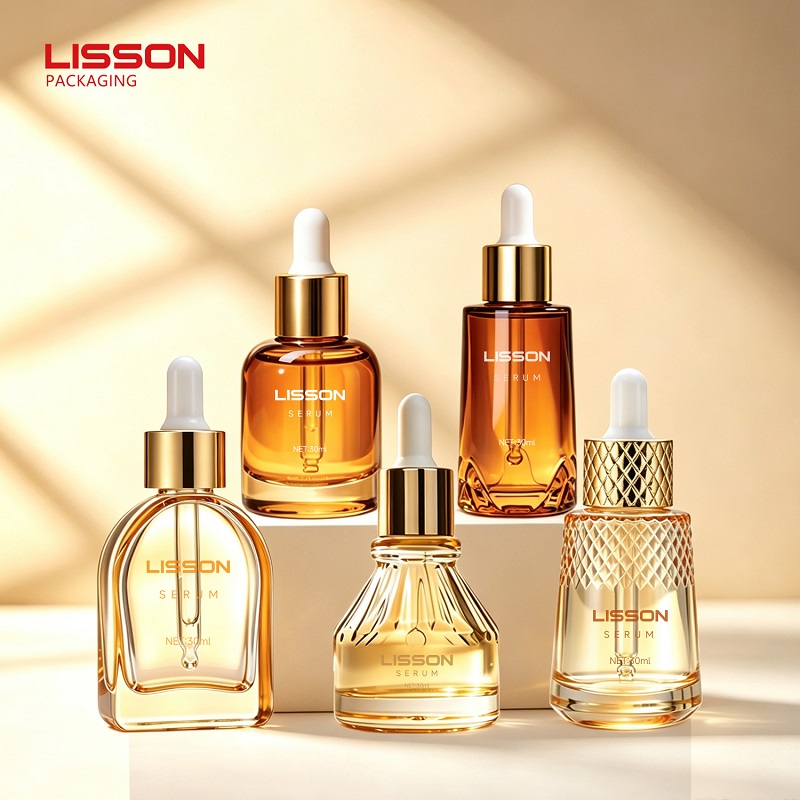
Your choice of container matters enormously. A quality glass cosmetic bottle offers superior protection. Luxury glass cosmetic bottles combine elegance with function. Glass skincare bottles from brands like lissong provide an impermeable barrier. This material does not interact with your formula. It keeps oxygen and moisture out completely.
Barrier Properties: Glass vs. Plastic
The barrier your package provides determines how long your active ingredients stay effective. Glass and plastic differ dramatically in this area. Understanding these differences helps you choose the right container for your sensitive formulas.
The Impermeable Nature of Glass
Glass is nonporous and impermeable. Nothing passes through its walls. Not oxygen. Not moisture. Not any other gas or vapor. This property makes glass an exceptional barrier material.
You face a choice when selecting a glass cosmetic bottle for your vitamin C serum or retinol treatment. The material itself offers complete protection against gas exchange. Oxygen molecules cannot squeeze through glass molecules. Water vapor cannot migrate through the container walls. This complete barrier keeps your active ingredients stable for longer periods.
The science behind this is straightforward. Glass has a dense atomic structure. It forms a continuous network of silicon and oxygen atoms. This network leaves no gaps for molecules to pass through. Plastic, by contrast, has polymer chains with spaces between them. Those spaces allow gas molecules to move through the material.
This dense structure remains stable for decades. Glass does not fatigue or weaken over time. A glass bottle from a century ago offers the same barrier properties today. You get consistent protection for the entire life of your product.
Glass also resists temperature changes without degrading. You can store your glass skincare bottles in warm bathrooms or cool cabinets. The material maintains its barrier properties across these conditions. Plastic can expand and contract with temperature changes. This movement can create tiny gaps that worsen over time.
A quality glass cosmetic bottle does not absorb your product either. The smooth, nonporous surface prevents any ingredients from soaking into the container walls. You get every drop of your formula just as it was made. No loss of valuable ingredients to the packaging itself.
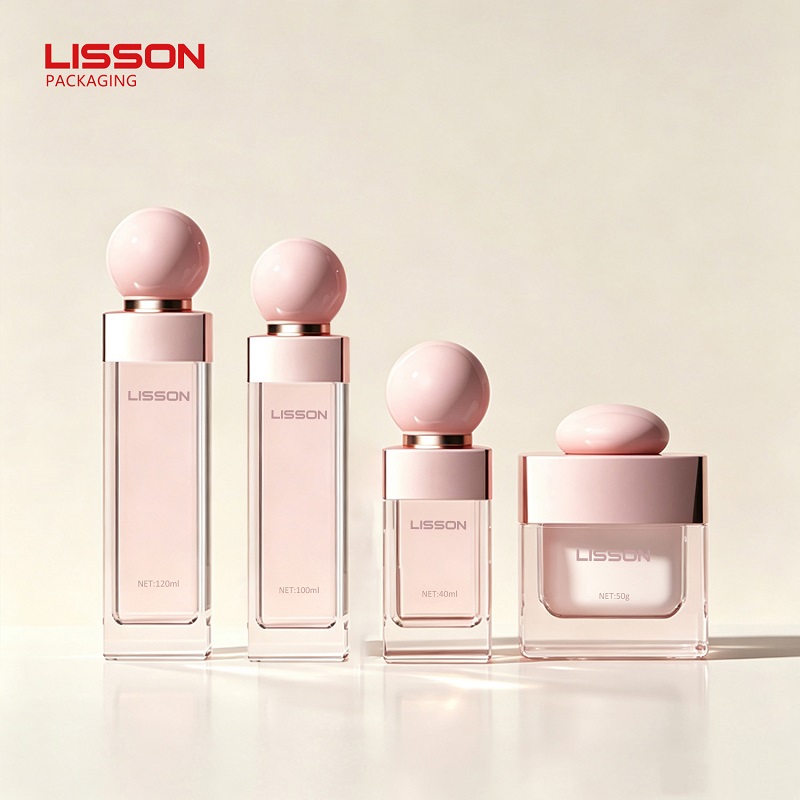
Luxury glass cosmetic bottles combine this superior barrier protection with elegant design. Brands like lissong craft containers that protect your formula and enhance your experience. The material itself becomes part of the product's value.
The Permeability Challenges of Plastic
Plastic faces a fundamental problem. It is semi-permeable. Gases and vapors can pass through its walls over time. The rate depends on the plastic type, its thickness, and the storage temperature.
Many plastic bottles allow oxygen to enter. Oxygen reacts with your active ingredients. Vitamin C oxidizes. Retinol degrades. Peptides break down. These reactions happen faster when oxygen reaches the formula through the container walls.
Moisture also moves through plastic. Your product can lose water over time. This changes the formula's consistency and concentration. The active ingredients become less effective as the formulation shifts from its original balance.
The type of plastic matters. Some plastics offer better barrier properties than others. But none matches the impermeability of glass. Even the best plastic allows some gas exchange. This exchange happens at a molecular level. You cannot see it, but it affects your product.
Plastic also flexes and changes shape during use. This movement creates microscopic stress points. Those points become pathways for oxygen and moisture. The barrier gets worse as the container ages and experiences more stress.
You might not notice these changes right away. The degradation happens slowly over weeks and months. By the time you see a color change or smell a difference, the active ingredients have lost significant potency. Your product no longer delivers the benefits you expect.
Some manufacturers use multi-layer plastic to improve barrier properties. These layers include materials that block gas exchange. But these complex structures create challenges for recycling. They also add cost without reaching the complete protection of glass.
The permeability problem becomes more serious with smaller containers. A smaller bottle has a higher surface area to volume ratio. More of the product contacts the container walls. This means a greater proportion of the formula is exposed to potential gas exchange. Glass avoids this problem entirely regardless of bottle size.
Chemical Inertness and Safety
The material of your container can interact with your formula. Some materials stay completely neutral. Others change the product inside. This chemical interaction matters for sensitive active ingredients like vitamin C and retinol. Your skincare's performance depends on this choice. The right container preserves your formula from the first use to the last drop.
Glass: The Inert and Non-Reactive Choice
Glass provides a chemically neutral environment for your skincare. The material does not readily absorb or leach substances. It does not easily undergo chemical reactions with your formula. This inert nature protects your active ingredients from unwanted changes. Your product stays true to its original composition throughout its shelf life.
You can store acidic or alkaline formulations in a glass cosmetic bottle without worry. The glass stays stable throughout the product's life. It does not introduce new chemicals into your formula. Your product remains exactly as the manufacturer created it. No unexpected reactions occur between the container and the contents inside.
A specific boundary condition exists. Extremely acidic formulas with pH below 3 can slowly etch glass over very long periods. Extremely alkaline formulas with pH above 10 create the same slow effect. This process is not a typical concern for standard cosmetic products. Most skincare formulations fall within a safe range between these extremes. Your products remain stable and protected.
This inert property makes glass ideal for natural and organic formulations. These products often contain sensitive plant extracts and delicate active ingredients. They need a container that adds nothing and removes nothing from the formula. Glass delivers this complete chemical neutrality. You get pure formulation without container interference. The material stays neutral regardless of what you store inside it.
A glass cosmetic bottle preserves your product's integrity from first use to last. No chemical exchange occurs between container and contents. Your vitamin C serum stays potent. Your retinol treatment remains effective. Your peptides keep their structure. You get the full benefit of every ingredient. The bottle itself becomes part of the preservation system.
Plastic: The Risk of Leaching and Absorption
Plastic presents a different story. Plastic packaging contains additives. These include plasticizers, antioxidants, and colorants. These substances can migrate or leach into your product over time. The process happens slowly at a molecular level. You may not notice it until the product changes color or smell.
A peer-reviewed review in the International Journal of Pharmaceutics confirms this risk. Plastics used in drug packaging contain additives that can move into the product. This leaching can alter the chemical composition of your formula. It can modify the therapeutic action of active ingredients. It can also change organoleptic properties like smell and texture. These changes signal that your product is degrading.
The sources of leachables extend beyond the bottle itself. Plastic components include stoppers, labels, and manufacturing systems. Tubing, filters, and storage bags all contribute potential contaminants. Each plastic component introduces some level of risk to your product. The chain of potential contamination is long and complex.
The impact on your skincare is real and measurable. Leachables can cause skin irritation. They can interact with active ingredients in your formula. This interaction reduces product potency. It can alter the chemical structure of sensitive compounds. Your formula no longer performs as intended. The benefits you expect from your routine diminish over time.
Regulatory bodies like the FDA require thorough evaluation of leachables. Manufacturers must ensure exposure stays below safety thresholds. Failure to meet these standards can lead to product recalls. It also erodes consumer trust in the brand. Compliance is not optional for responsible manufacturers. The stakes are high for product safety.
A formal risk assessment process exists for evaluating leachables. It follows guidelines like ICH Q9. This process evaluates identified leachables in the product. It compares exposure levels to established safety limits. The goal is determining whether these substances pose a genuine health concern. This assessment protects consumers from potential harm.
Plastic also absorbs some ingredients from your formula. The material pulls certain molecules into its structure. This changes the formula's balance. You lose valuable active ingredients to the container itself. The product becomes weaker over time. This absorption is one-way and permanent.
The choice becomes clear when you compare these materials. A glass cosmetic bottle offers chemical neutrality. It does not leach or absorb. It keeps your formula pure and potent. Plastic introduces risks that manufacturers and consumers must manage carefully.
Other Factors: Light and Sustainability
Shielding from UV Light
Light harms your active ingredients. UV rays break molecular bonds. This speeds up damage. Your vitamin C and retinol lose strength faster when light hits them.
Amber and cobalt glass block UV light naturally. The colored glass soaks up harmful rays before they touch your formula. The glass itself provides this shield. You do not need extra coatings or additives.
Plastic needs special additives for the same effect. Makers add UV blockers to the plastic resin. These additives can seep into your product over time. You must choose between light protection and chemical purity.
A good glass cosmetic bottle in amber or cobalt gives you both. It blocks light and stays chemically neutral. Your formula remains stable on both fronts. Luxury glass cosmetic bottles often use these colors for high-end products.
Weighing Environmental Impact
The environmental picture is more complicated. Glass comes from natural materials. Silica sand, limestone, and soda ash form its base. These resources are plentiful in nature. Glass stays non-toxic for its whole life. It never turns into microplastics.
Plastic comes from fossil fuels. Making it involves chemical processing. It contains BPA and other additives. It breaks into microplastics that stay in the environment.
Recycling numbers tell an interesting story. Glass containers hit a 31.3% recycling rate in the US. Common packaging plastics reach only about 29%. The EU shows a bigger gap. Glass recycling hits 80.1%. Plastic recycling reaches just 39.7%.
|
Metric |
Glass |
Plastic |
|---|---|---|
|
US Recycling Rate |
31.3% |
5–6% |
|
EU Recycling Rate |
80.1% |
39.7% |
|
Weight per Container |
Up to 40× heavier |
Lighter |
|
Life-cycle CO2 Impact |
Higher due to weight |
Lower |
Glass weighs much more than plastic. This weight raises shipping emissions. Heavier containers need more fuel during transport. The total carbon footprint of glass often beats plastic. The environmental cost indicator for plastic can run up to 80% lower than glass.
Glass melts at about 1600°C. This high heat demands lots of energy during manufacturing. Plastic melts near 200°C. This production difference affects the carbon footprint.
You can recycle glass again and again without losing quality. Glass skincare bottles stay strong through many cycles. Plastic often downcycles into lower-grade materials. Each cycle lowers its quality.
Brands like lissong understand this balance. They make glass cosmetic bottles that protect your formula and support sustainability. The heavier shipping footprint offsets against endless recyclability. You choose between immediate carbon impact and long-term waste reduction.
Making the Right Choice for Your Product
Your choice between glass and plastic depends on your formula and your goals. Each material serves a different purpose.
When a Glass Cosmetic Bottle is the Superior Option
Pick a glass cosmetic bottle for any formula with sensitive, high-value active ingredients. Vitamin C, retinol, and peptides need the strongest protection. These molecules break down quickly when exposed to oxygen, moisture, or light. Glass provides a complete barrier against all three threats.
Glass is non-reactive. It does not interact with your ingredients. It does not leak chemicals into your formula. It does not soak up valuable compounds from your product. This inert nature keeps your formula pure from first use to last drop.
Amber glass is the functional choice for UV-sensitive formulas. If your formula contains retinol, vitamin C, or any active that breaks down with light exposure, amber glass protects it without relying only on secondary packaging. It is not just about looks. It is a formula integrity decision.
Brands targeting a premium, eco-conscious market should consider luxury glass cosmetic bottles. These containers combine superior protection with elegant design. A brand like lissong offers glass skincare bottles that protect your formula and boost your product's appearance. Your customers recognize the quality and value of glass packaging.
When Plastic Might Be Acceptable
Plastic works well for less sensitive ingredients. Mass-market foundations, lip balms, lotions, and travel-size products benefit from plastic's durability. It does not shatter in transit. Squeezable plastic tubes survive cramped suitcases in mini skincare kits. Customers appreciate the portability.
Airless pumps made with internal plastic parts keep formula freshness for serums and light moisturizers. They release nearly all product with minimal waste. Consider plastic for family or pet-friendly environments. Dropped bottles do not shatter. Plastic keeps everyone safe.
The table below shows common cosmetic products where plastic packaging is proven sufficient.
|
Cosmetic Product Type |
Packaging Format |
Evidence of Sufficiency |
|---|---|---|
|
Bronzers, pressed powders, eyeshadows, blushes |
Compacts |
Designed for travel protection, implying durability. |
|
Lotions, gel-based products, loose powders, creme eyeshadows |
Pots |
Common and flexible with secure closures. |
|
Creams, gels, liquids (sampling) |
Sachets |
Ideal for sampling with practical containment. |
|
Makeup products, bath salts, face masks |
Pouches |
Lightweight, minimizing shipping costs. |
Glass offers superior barrier properties and chemical inertness. These qualities preserve sensitive active ingredients best. A glass cosmetic bottle keeps your vitamin C and retinol potent from first use. Plastic provides convenience and durability. It also brings trade-offs in permeability and potential chemical interactions. You should prioritize ingredient stability for high-value formulations. Luxury glass cosmetic bottles from brands like lissong combine protection with elegant design. Consumer demand for efficacy and sustainability pushes innovation in both materials. Glass remains the gold standard for preservation today. Your glass skincare bottles protect your formula and support your skincare goals effectively.
FAQ
How can I tell if my active ingredients have degraded?
Check for color changes, texture changes, or strange smells. Vitamin C turns yellow or brown when it reacts with oxygen. Retinol can lose its power without any visible signs. Use your senses. If something seems wrong, the product may have lost its strength. Replace it right away.
Is a luxury glass cosmetic bottle worth the extra cost?
Yes, for formulas with sensitive ingredients. A good glass cosmetic bottle keeps oxygen and moisture out completely. Luxury glass cosmetic bottles from brands like lissong offer this protection with a nice look. Your vitamin C and retinol stay strong longer. The extra cost gives you better results.
Does glass color matter for light protection?
Amber and cobalt glass block UV rays on their own. Clear glass does not block light. Use amber glass for retinol, vitamin C, or any formula that breaks down in light. The colored glass soaks up harmful rays before they touch your product. No extra chemicals are needed.
Can I use plastic packaging for any skincare product?
Plastic is fine for less sensitive products like lotions and cleansers. Do not use it for vitamin C, retinol, and peptides. These ingredients break down faster in plastic because oxygen can get through. For valuable formulas, always pick glass skincare bottles. Your active ingredients need the best protection.
How should I store my glass skincare bottles?
Keep them out of direct sunlight and away from heat. Put them in a cool, dark cabinet. Tighten the cap after each use. Do not leave them in a humid bathroom. Good storage makes your active ingredients last much longer.