You protect high-end skincare and luxury fragrance lines through rigorous testing. Quality control in glass bottle manufacturing ensures glass packaging safety, strength, and visual quality across every production batch.
|
Aspect |
Summary |
|---|---|
|
Process |
Quality control monitors production to meet strict specs. |
|
Application |
Essential for cosmetic packaging and pharmaceutical glass. |
Inadequate testing causes formula contamination, leakage, and severe glass bottle breakage during transit. These physical failures ruin product quality and destroy brand reputation. Industry leaders like Lisson enforce high standards using 24-hour quality control monitoring within ISO 9001-certified facilities. You can evaluate premium glass packaging suppliers using these essential testing procedures.
Precise measuring ensures caps and pumps fit glass bottles perfectly.
Pressure and heat tests prevent bottle breakage during shipping.
Vacuum checks stop leakages and protect formulas from contamination.
Strict visual inspections find cracks and keep printed labels durable.
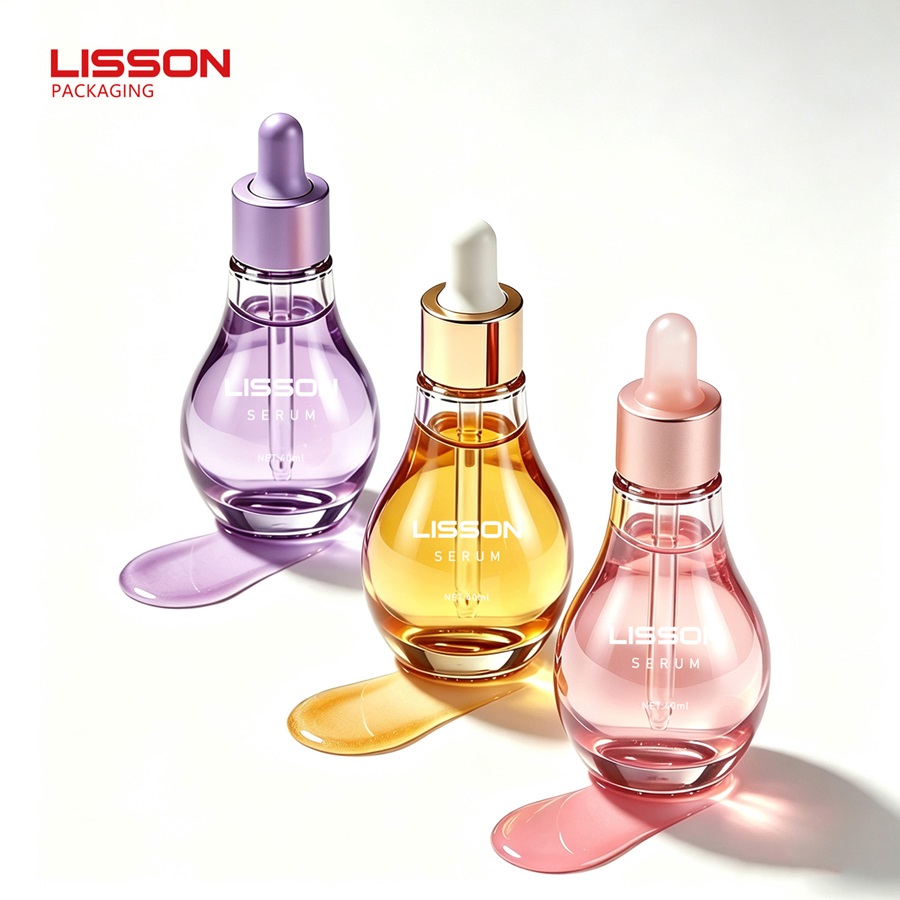
You protect cosmetic lines by verifying container dimensions before assembly. Precise dimensional measuring guarantees seamless compatibility between glass containers and pumps, caps, or droppers. You avoid sealing failure when technicians execute strict quality assessments during early production. Lisson enforces exact tolerances in turnkey manufacturing to achieve perfect airtightness across custom molds and standard containers.
Technicians in a quality control laboratory verify components against a controlled drawing with specialized tools:
Digital caliper: measures outside diameter across thread crests (T), neck wall diameter (E), inside bore diameter (I), finish height (H), and distance to first thread (S).
Height gauge: executes repeatable vertical measurements for finish height and thread distance.
Controlled drawing: establishes target nominal values, reference planes, and allowable tolerances.
Matching closure: tests functional physical fit using a production-intent cap or pump.
Uniform wall thickness distribution prevents weak spots that cause structural failure during automated high-speed filling. For cosmetic dropper bottles and vials, standards define a nominal wall thickness range of 1.5–2.5 mm. High-speed filling lines require a consistent lower bound of ~1.5 mm. Uneven glass distribution reduces container strength under pressure. Rigorous physical testing verifies that glass bottle structural integrity meets strict factory standards.
Capacity tolerance testing guarantees consistent product dosage across mass production batches. You confirm every container stays fit for purpose through systematic evaluations across three core production stages:
|
Stage |
Evidence from source |
Role in capacity tolerance measurement |
|---|---|---|
|
Technical blueprint |
Drawings define target capacity volume and critical tolerances before mold-making. |
Sets allowable fill-volume range for each glass bottle. |
|
First-article inspection |
Trial samples from the new mold undergo dimensional accuracy checks. |
Confirms the mold produces containers within specified volume tolerance. |
|
Mass-production monitoring |
Automated and human dimensional checks run continuously. |
Maintains container geometry to support dose consistency across batches. |
These thorough quality assessments ensure superior cosmetic packaging performance across all glass packaging lines.
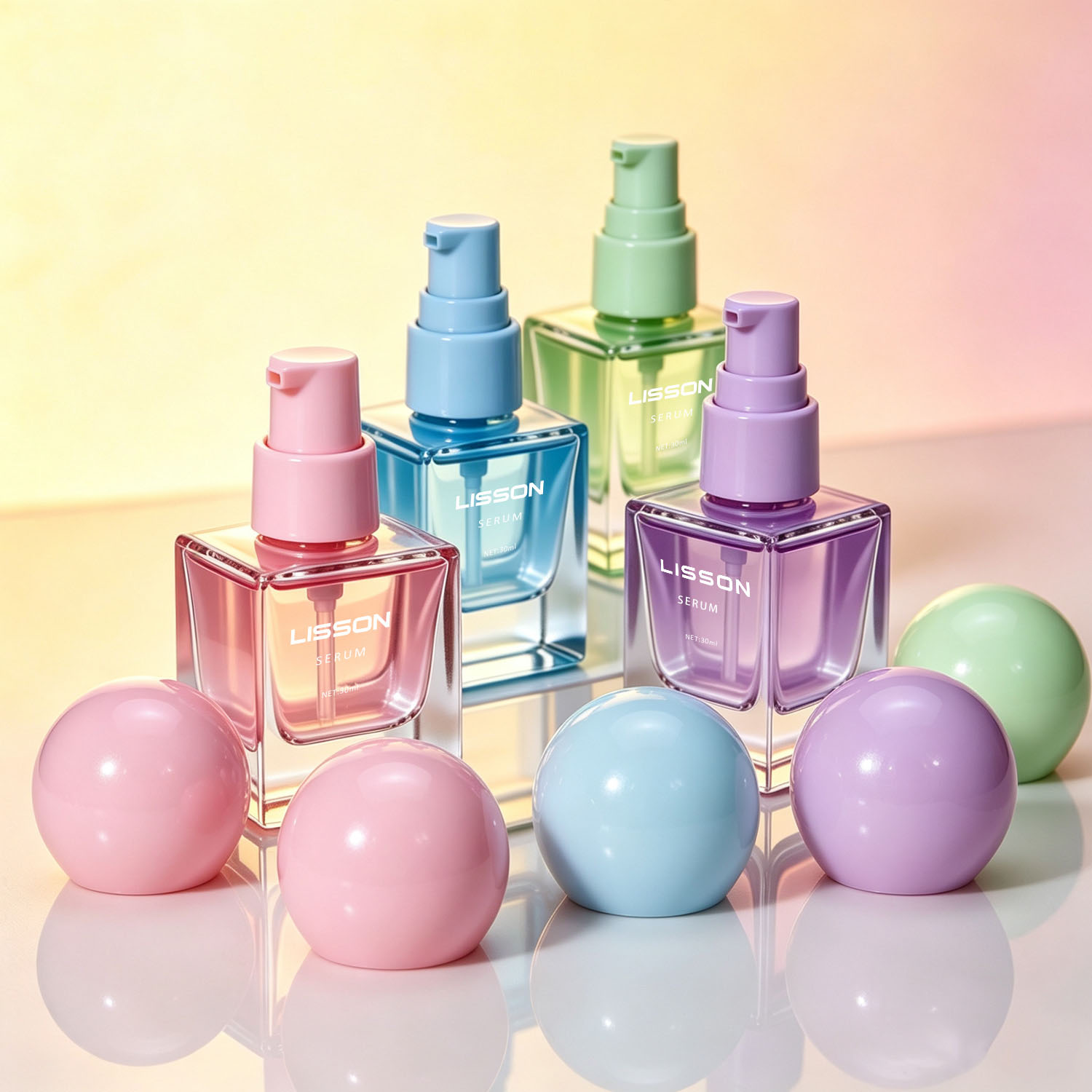
You evaluate container strength through high-stress physical checks. Standard thermal shock testing subjects containers to rapid hot-to-cold shifts, using an 80–85°C hot bath and a 20–25°C cold bath. This 55–65°C differential follows ASTM C149 guidelines to expose internal stress. High-speed filling lines also require vertical top-load resistance and drop evaluation under ISO 2248 standards. These protocols reveal micro-cracks before factory dispatch. Performing thermal shock testing alongside pressure checks prevents structural failure under transit stress. You protect each luxury glass bottle during transport by demanding strict physical trials.
Unseen stress leads to delamination during rapid temperature shifts. Specialized quality assessments identify structural weakness and delamination early. Lisson subjects every glass packaging batch to durability testing to verify mechanical strength. These physical checks maintain long-term product safety for premium skincare lines. You secure container longevity across every glass packaging production run.
Robust integrity testing protects formula stability against chemical contamination. Technicians perform vacuum leak checks at -0.7 bar for 15 minutes to simulate air transport pressure drops. This procedure detects leak paths around caps, gaskets, and pump housings. Precision pump evaluations prevent backflow and stop external contamination from touching the formula.
Chemical interaction between active ingredients and weak glass causes inner wall delamination. Factory laboratories conduct contamination analysis to catch surface degradation and delamination before distribution. Continuous 24-hour quality control monitoring prevents operational breakdown across all cosmetic packaging lines. Technicians use thermal shock testing to verify surface resilience against harsh formulas. Regular quality assessments ensure that pharmaceutical glass containers maintain high purity. Proper inspection protects pharmaceutical glass integrity, while glass failure analysis isolates defects if delamination occurs. This complete verification guarantees that every glass bottle remains fit for purpose. Engineers perform thermal shock testing during glass failure analysis to isolate manufacturing flaws. Using certified pharmaceutical glass protects prestige formulations against premature decay.
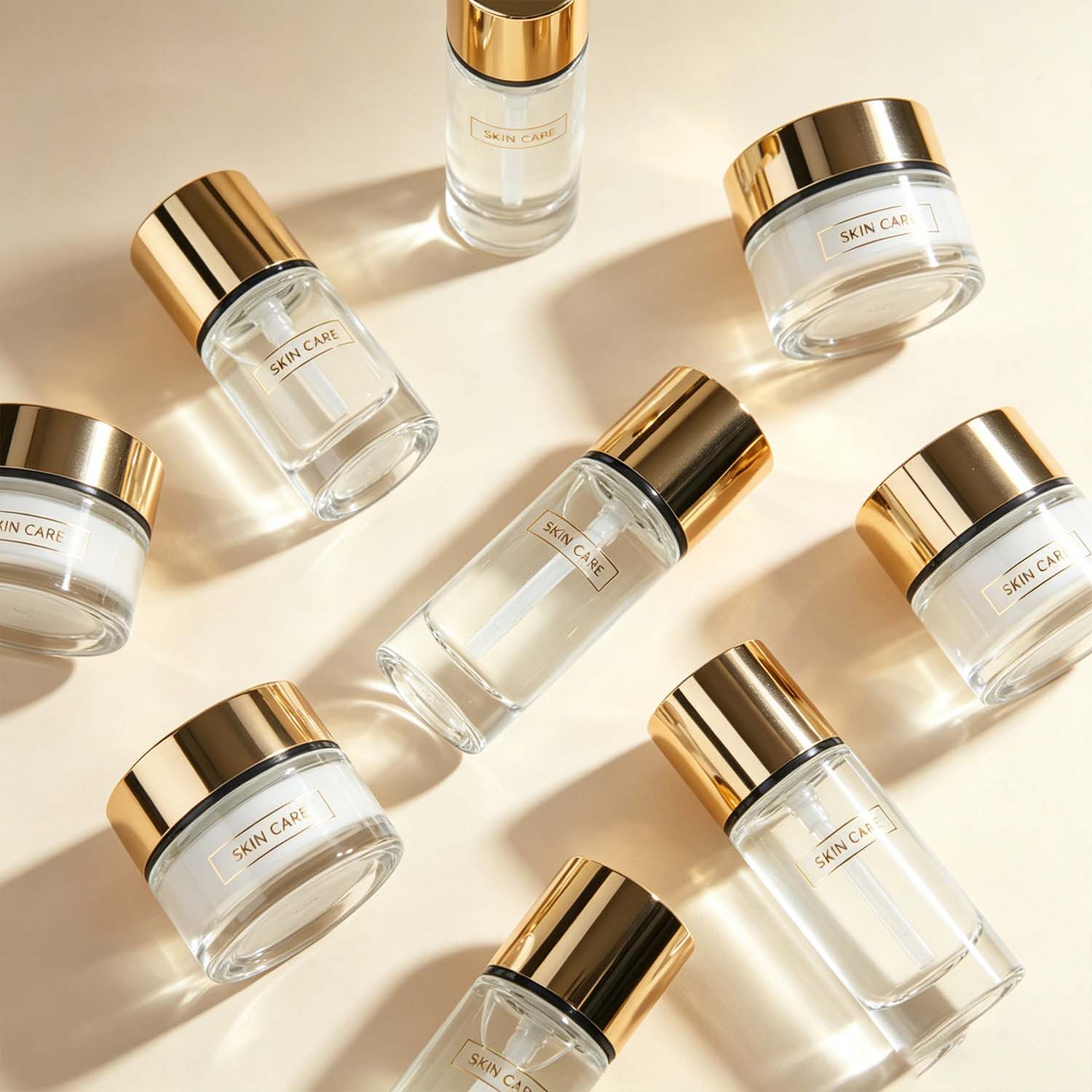
You protect your product line by screening every container for surface flaws under standardized bright factory lighting. Trained technicians conduct thorough visual inspection across the container body, neck, and base to catch molding flaws, chips, air bubbles, and glass inclusions. Catching fine thread-like inclusions and mouth chips early prevents seal failure and formula contamination.
Body inspection: check for surface scratches, scuffing, discoloration, and air bubbles.
Neck and base inspection: verify thread profiles, detect chips, and clear internal residues.
Mold code reading: trace cosmetic defects back to specific mold cavities.
Polarized light inspection reveals hidden stress cracks before factory dispatch. Unchecked physical stress causes inner wall delamination during long-distance shipment. Inspectors conduct visual inspection under controlled light to ensure that every glass bottle meets structural safety standards. Technicians record their findings in quality assessments to maintain consistent glass packaging standards across production runs.
Luxury decorations require rigorous physical testing to ensure surface treatments last throughout consumer use. Technicians subject silk-screening, frosting, hot stamping, and UV coating to strict durability trials. Mechanical adhesion tests use 3M600 tape pulled at a 45° angle to check ink bonding. Solvent resistance checks use 99% alcohol wiped for 20 cycles under a 1 kg load. Lisson combines these rigorous quality checks with eco-friendly PCR materials and infinitely recyclable glass, aligning luxury beauty aesthetics with your corporate ESG goals.
Factory laboratories also verify wear resistance and environmental endurance. Technicians rub decorated surfaces using an eraser with 500 g vertical force for 50 single strokes. Environmental chambers subject finished containers to 12 thermal shock cycles from -40°C to +66°C. These procedures prevent surface failure and guard against coating delamination over time. Rigorous testing guarantees superior decoration performance. Complete visual inspection and precise quality assessments ensure your manufacturing process delivers flawless glass bottle containers. Continuous quality control preserves brand prestige across every order.
A multi-tier testing framework guarantees superior glass packaging performance. Dimensional checks, mechanical evaluation, seal integrity testing, and visual inspection protect product safety. Forbes (2024) notes packaging influences 52% of repeat purchase decisions. Rigorous quality control eliminates defect risks, reduces returns, and preserves brand reputation. Every glass bottle remains fit for purpose throughout its lifecycle.
You protect product quality by choosing certified manufacturing partners. Lisson operates ISO 9001-certified facilities to deliver premium cosmetic packaging solutions. Continuous quality monitoring preserves durable glass packaging standards across every production run. Partner with Lisson today to secure certified glass bottle solutions for your luxury beauty line.
You prevent delamination by choosing high-purity material and running rigorous thermal shock testing during production. Lisson utilizes pharmaceutical glass standards to stop formula interaction. Laboratory teams perform regular contamination analysis to catch surface degradation before your cosmetic products reach consumers.
Chemical interaction between active formulas and weak containers causes product contamination. Structural leaks or reactive glass ruin formula stability. You protect product purity by insisting on certified pharmaceutical glass and partnering with Lisson to ensure total formula safety across every production batch.
Systematic glass failure analysis isolates structural flaws, stress cracks, and molding defects early. If unexpected packaging failure happens during shipping, engineers perform glass failure analysis to pinpoint the root cause. This technical evaluation eliminates recurring defects and safeguards your corporate reputation.
You guarantee product safety through strict mechanical testing. Lisson subjects luxury packaging to rapid hot-to-cold temperature changes, vertical pressure, and drop trials. These rigorous quality checks prevent structural delamination and ensure your custom containers maintain pristine quality throughout their lifecycle.
WhatsApp : +86 15099958531
Email : lissontube@gzlisson.com
Phone : +0086 15099958531