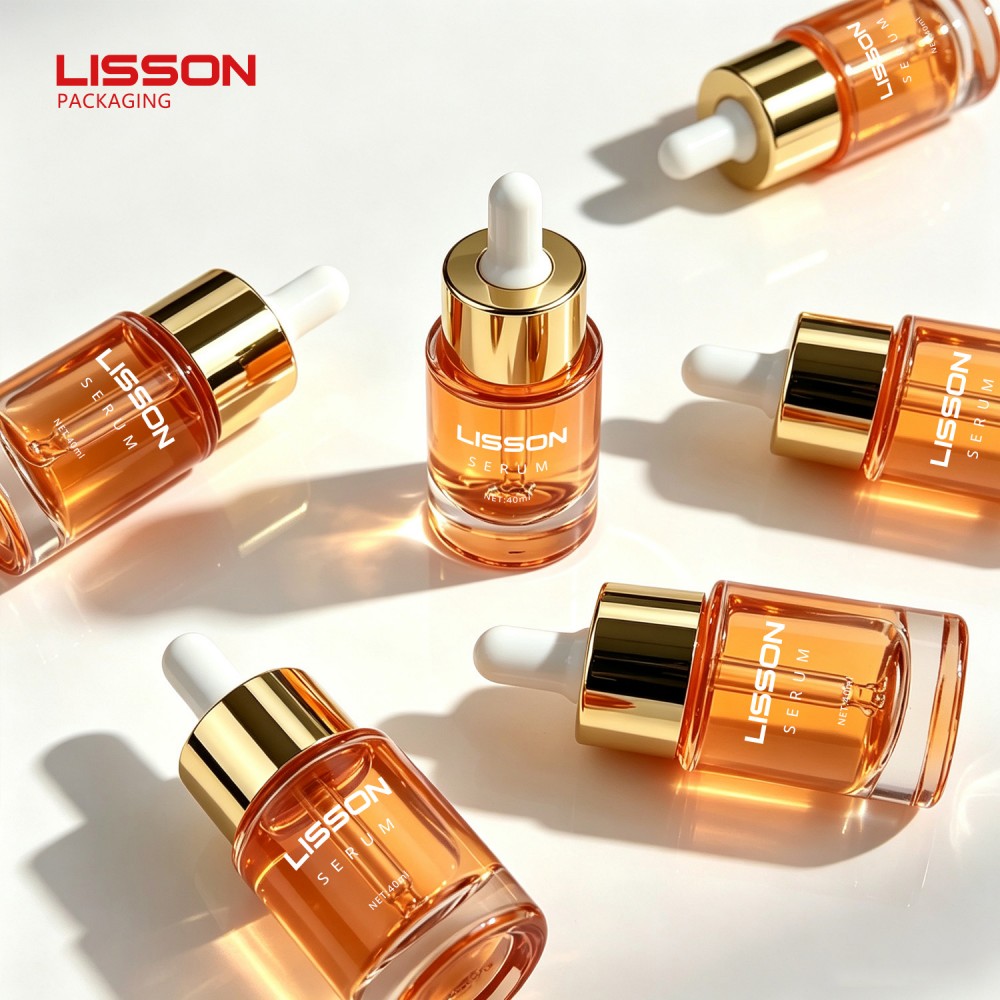
Glass Dropper Bottle Selection: Key Factors for Formula Compatibility
Aug 11, 2026
Packaging choice determines your formula success in the market. Essential oils demand chemically inert glass dropper bottles and specialized bulb polymers. These volatile compounds quickly degrade inferior materials. Serums prioritize controlled pipette dosing matched to liquid viscosity and active ingredient stability.
Select the wrong dropper and you risk product degradation, leakage, and severe bulb corrosion.
You must choose the right dropper to safeguard product integrity. An essential oil glass dropper bottle uses solvent-resistant materials to prevent chemical breakdown. Meanwhile, a serum glass dropper bottle delivers exact dosing for thick liquids. Understanding technical demands helps you select the right glass dropper bottle for total control and precision over product delivery.
Key Takeaways
Select wider pipette tips for thick serums and narrow tips for thin essential oils.
Use solvent-resistant NBR rubber bulbs for essential oils to prevent chemical damage.
Choose silicone bulbs for water-based serums to ensure product safety and smooth performance.
Pick amber glass bottles to block harmful ultraviolet light and preserve formula potency.
Use smaller thirty-millimeter glass bottles to reduce air exposure and prevent liquid breakdown.
How to Choose the Right Dropper for Viscosity
Fluid thickness directly impacts product dispensing. You must choose the right dropper to ensure seamless operation and consistent performance for your product lines. Liquid formulas flow differently based on internal friction. Viscosity acts as a resistance to flow in dropper pipettes. For high-viscosity liquids, the fluid deforms and elongates slowly at the orifice, which causes larger droplets to form. To achieve consistent drop release, the pipette must be designed with a larger opening. Additionally, in vacuum aspiration pipettes, viscous liquids require slower pressure changes and wider tips to prevent erratic droplet formation, whereas thin liquids fill and empty rapidly with standard tip diameters.
Orifice Sizing for Essential Oils and Viscous Serums
Essential oils display very low viscosity. These volatile liquids flow rapidly through narrow openings. You need an essential oil dropper with a small internal bore. A narrow pipette tip prevents free-dripping and delivers an accurate dosage. Users gain total control over drop-by-drop application. Thin botanical extractions rely on narrow openings for precise dosing precision.
Thick liquids require different engineering solutions. Formulators create thick facial serums with heavy ingredients like hyaluronic acid. These viscous serums need wider glass openings for clean suction. A narrow tube chokes thick liquids. You can select measured dosage droppers to maintain proper fill levels. Matching pipette bore sizes to formula thickness gives consumers the desired dosing flexibility while dispensing controlled quantities.
Viscosity Condition
Required Design Adjustment
Higher viscosity fluids
Increased bore diameter, longer draw time, or stronger suction (bulb compression) to overcome greater flow resistance
Lower viscosity fluids (water-based)
Standard narrow bore and quick dispensing are sufficient
Selecting Rubber Bulbs for Solvent Resistance
Bulb material selection determines packaging lifespan. Aggressive chemical compounds in plant extracts degrade standard elastomers over time. Essential oils quickly erode inferior rubber components. You should fit an essential oil glass dropper bottle with Nitrile Butadiene Rubber (NBR) bulbs. NBR materials resist chemical solvents effectively. This specialized rubber prevents bulb swelling, cracking, and sticky residue. Using a specialized essential oil dropper maintains container integrity and delivers reliable user control.
Serums require different material considerations. Water-based facial treatments do not attack elastomers like concentrated plant terpenes.
Silicone is explicitly recommended for water-based serums and for products where brand aesthetics (e.g., custom-colored bulbs) are a priority, making it the preferred choice over rubber bulbs in these formulations.
In the cosmetic packaging industry, silicone is consistently chosen for premium skincare formulations because it delivers the optimal balance of tactile feel, safety, and performance. This preference is particularly strong for high-end serums where the user experience and perceived quality are critical, and it holds as long as the silicone is tested against the specific formula.
Selecting the right dropper assembly ensures maximum formula safety. You can pair a serum glass dropper bottle with a custom silicone bulb for oil-based skincare or water-based formulas. Picking the right dropper polymer gives you perfect dosage stability. Proper matching protects variable dosing needs and maintains structural integrity. Careful component testing delivers ultimate precision across all product applications. An essential oil dropper with custom rubber guarantees lasting chemical security.
UV Protection in Glass Dropper Bottles
Ultraviolet light degrades light-sensitive compounds quickly. UV rays initiate photochemical reactions, generating free radicals that break down fragile aromatic terpenes. You must protect formulas from light exposure to maintain product potency over time.
Amber vs Cobalt Blue Glass for Light-Sensitive Formulas
Amber glass offers superior light shielding for sensitive compounds. Standard industrial amber glass blocks 92–97% of UV rays below 450nm, meeting strict pharmaceutical packaging standards. This protective glass screens out harmful energetic wavelengths, extending oxidative stability by up to 24 months.
Feature
Amber Glass
Cobalt Blue Glass
UV Protection Level
Best protection against damaging UV rays
Adequate protection; moderate UV shielding
Light Filtering Capability
Filters most light wavelengths under 450 nm
Filters visible yellow light
Cobalt blue glass provides adequate light protection while adding visual appeal. However, amber glass performs significantly better for highly sensitive essential oils. Testing shows active serum formulas in amber containers lose only 3% of active ingredients, maintaining 97% potency. Choosing an essential oil glass dropper bottle with rich brown tint maximizes formula integrity. You select protective glass to secure sensitive extracts.
Clear and Frosted Glass Options for Active Serums
Stable formulas do not always need dark-tinted packaging. High-purity glass dropper bottle components remain chemically inert. Glass does not react with high-activity ingredients like retinol, vitamin C, or peptides. High-quality glass bottles prevent formula deterioration, discoloration, and unwanted odor changes over long storage periods.
Frosted and clear options work exceptionally well for stable water-based formulas and oil-based skincare. A frosted serum glass dropper bottle provides a matte, sophisticated texture that hides fingerprints better than clear glass. This elegant finish enhances perceived luxury for premium skincare lines.
Glass is chemically stable and does not react with most skincare ingredients, making it a reliable packaging option for products containing acids, essential oils, or natural extracts.
You can safely package stable serums in transparent containers without sacrificing product safety or visual appeal.
Selecting Airtight and Child-Resistant Closures
Neck Finish Matching and Leak-Proof Orifice Reducers
You need accurate neck finish specifications to achieve tight sealing for your formula packaging. Standardized dimensions allow exact matches between your glass bottle and closure components. Industry standards define precise thread configurations for global distribution:
DIN 18: German norm standardizing neck height and diameter
GL18: French norm matching DIN 18 dimensions
GPI/GCMI: US standard (such as 22/400) specifying diameter and thread style
PP28: Pilfer Proof finish for tamper-evident closures
Thread numbers explain complete thread revolutions. Code 400 means 1 thread turn. Code 410 features 1.5 thread turns. Code 415 provides 2 thread turns. Exact thread matching prevents liquid evaporation in an essential oil glass dropper bottle. Proper cap assemblies hold internal parts tightly. This airtight seal delivers consistent performance across long storage periods.
The high-quality cap creates an airtight seal for your glass bottle, preventing unwanted air, substances or pollutants from coming in... Airtight Design Dramatically Slows Degradation.
Child-Resistant and Tamper-Evident Dropper Caps
Child-resistant closures add crucial safety for volatile formulas. You can pair child-resistant caps with shrink bands on a serum glass dropper bottle. Consumers must tear the shrink band to open the container. Broken bands give clear visual proof of opening.
Integrated cap designs give you product safety control without extra steps. An essential oil dropper assembly prevents leaks during transport. Choosing a quality essential oil dropper guarantees ideal user control during daily dispensing.
Series
Tamper-Evident Feature
Series II
Built-in tamper-evident ring with visible side ridges, formed from a single mold
Series III
Thicker rim with a robust tamper-evident mechanism using retention fingers
Series IIID
Variation of Series III, featuring a smooth outer surface for a sleeker finish while retaining the retention finger mechanism
Glass Dropper Bottle Sizing for Product Stability
Preventing Oxidation with 30ml and Travel Sizing
You must match container capacity to consumer usage rates to protect delicate active ingredients from air exposure. Every time a consumer unseals a packaging unit, surrounding ambient air enters the empty space above the liquid product. This internal headspace holds reactive ambient oxygen. Oxygen gradually dissolves into active liquid formulas and accelerates internal chemical breakdown over time. For instance, repeated oxygen contact converts sensitive ascorbic acid into degraded, discolored chemical compounds. Choosing a compact 30ml volume option minimizes the initial oxygen volume sitting above your stored active formula.
Smaller container sizes directly reduce the total oxidative stress placed on sensitive ingredients throughout the shelf life. When a consumer uses up a smaller liquid volume quickly, the remaining product spends far less time sitting inside a half-empty vessel. Smaller internal capacities naturally limit ongoing oxygen contact. Lower headspace volumes reduce the overall chemical reaction rate inside the sealed packaging. This reduced exposure prevents premature active ingredient breakdown during daily application cycles.
Bottle geometry is deliberately engineered to minimize headspace: upright slender shapes reduce the air volume above the liquid, and narrow necks limit the surface area where oxygen can interact with the serum.
You can preserve highly volatile botanical extractions by selecting an appropriate container capacity rather than storing small liquid quantities in oversized vessels. Selecting a smaller glass dropper bottle or travel-sized unit encourages faster consumer usage rates. Rapid product turnover prevents excess air from breaking down sensitive actives before the consumer finishes the entire contents. Moreover, a dedicated essential oil glass dropper bottle maintains precise dosage control while shielding concentrated botanical extracts against oxidative decay. You secure long-term formula stability when you select a compact serum glass dropper bottle and supply high-purity glass bottles for premium skincare routines.
Packaging Essential Oils vs Serums with Lisson
Custom Glass Dropper Assemblies for Formulators
Lisson provides high-grade glass containers tailored for both volatile plant fluids and high-potency treatments. You can select container capacities ranging from 15ml to 50ml to match your specific liquid stability needs. You can customize the orifice diameter of your pipette to achieve dispensing precision for thin fluids or thick liquid treatments effortlessly. Matching nozzle dimensions directly to formula viscosity guarantees consistent performance during daily application routines.
For serums, facial oils, and essence concentrates, the glass dropper bottle offers unmatched precision and product control. The pipette allows users to dispense exactly the right amount of product—minimizing waste and delivering a controlled, hygienic application experience.
You can equip your assembly with measured dosage droppers to give consumers exact liquid quantities with every pull. Selecting an essential oil dropper assembly with anti-drip geometry ensures clean application without unexpected spillage. Flexible packaging options let you order pre-assembled components or separate parts to optimize filling efficiency across your automated production lines.
Quality Compliance and Chemical Inertness Standards
Formulas containing active skincare ingredients require total packaging stability to preserve active chemical potency over time. Concentrated botanical extracts can easily corrode inferior plastic components during extended shelf storage.
For stability, glass dropper bottles with silicone bulbs are recommended to protect sensitive oily formulas against chemical degradation and maintain long-term dropper durability.
Using a robust essential oil dropper prevents material breakdown and safeguards long-term formula purity. High-quality inert materials give you complete control over product delivery and daily application routines.
Lisson subjects every glass dropper bottle to rigorous quality testing protocols before final shipment. Factory technicians place sealed package units inside high-vacuum chambers to guarantee zero evaporation and leakage during global air transport. Impact testing protocols verify that a thickened bottom and sturdy glass bottle body withstand accidental drops during handling. Choosing a certified essential oil dropper ensures reliable performance and protects your valuable formula against atmospheric oxidation.
Choosing the right dropper safeguards your formula stability and guarantees optimal user satisfaction.
You protect product performance by evaluating four core criteria:
Selection Parameter
Key Specification
Viscosity Matching
Tip openings range from 0.5 mm for thin liquids to 1–1.5 mm for thick fluids.
Light Protection
Amber glass blocks ~99% of harmful light to shield active ingredients.
Closure Security
Validated components deliver 99.8% leak resistance under ISTA 3A testing.
Bottle Sizing
Portable 15–30 ml units reduce headspace oxidation during consumer use.
You secure total quality when you select the right dropper setup. Lisson supplies custom serum glass dropper bottle and essential oil glass dropper bottle packaging engineered specifically for your brand needs.
FAQ
Why does an essential oil glass dropper bottle require NBR rubber bulbs?
Essential oils contain volatile plant extracts that erode standard elastomers. Nitrile Butadiene Rubber (NBR) resists chemical solvents effectively. This specialized material prevents bulb swelling, cracking, and sticky residue. Using NBR maintains container integrity and protects your botanical formula over long storage periods.
Which glass color offers the best UV protection for active formulas?
Amber glass provides superior light shielding for light-sensitive compounds. Industrial amber glass blocks 92–97% of UV rays below 450nm. Choosing an amber essential oil glass dropper bottle screens out energetic light wavelengths and prevents active ingredient degradation.
How do you choose the right pipette orifice size for fluid viscosity?
Thin liquids flow rapidly and require narrow tip openings around 0.5 mm to prevent free-dripping. Viscous formulas like hyaluronic acid need wider openings between 1 and 1.5 mm. Matching pipette dimensions to your liquid thickness ensures clean suction and accurate dosing.
Why should you choose a 30ml capacity for a serum glass dropper bottle?
Smaller container sizes minimize the reactive oxygen headspace sitting above your liquid formula. Limiting oxygen exposure prevents sensitive ingredients like vitamin C from degrading over time. A compact serum glass dropper bottle encourages faster product usage, preserving ingredient potency during daily application routines.